What is Custom T-Shirt Printing and How Does it Amplify Brand Identity?
Are you limited by generic, off-the-shelf apparel that lacks identity? Stop relying on bland uniforms. Use custom T-shirt printing technology to transform clothing into unique brand storytelling.
Custom T-shirt and garment printing is no longer just about putting a logo on fabric—it’s about transforming clothing into a canvas for identity, storytelling, and community. It works as a powerful medium that blends purpose with artistry. Methods like screen printing and Direct-to-Garment (DTG) give businesses the power to say, "This is ours," reflecting values and culture rather than mere decoration.
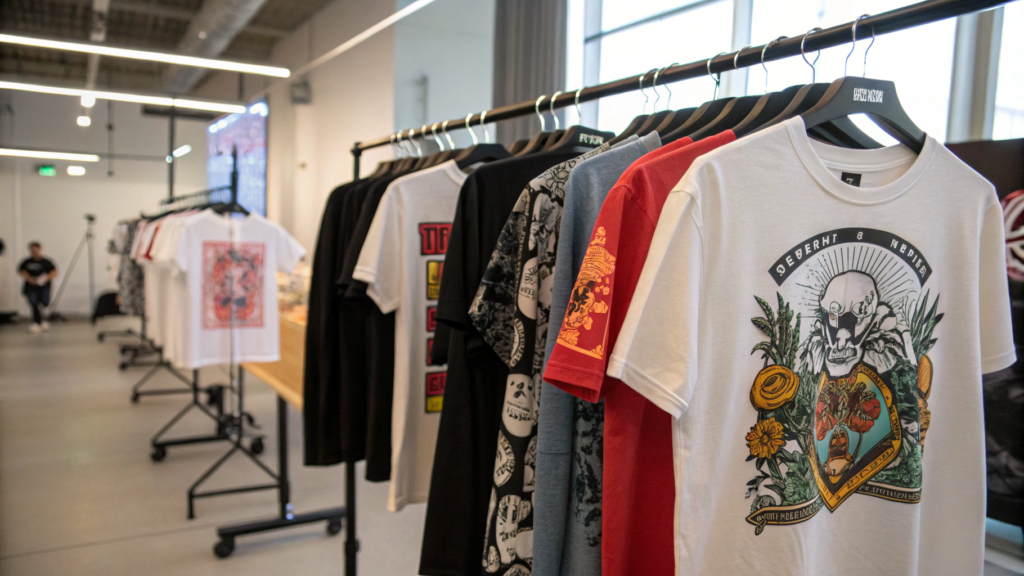
I have seen how effective a great piece of branded apparel can be. It is not just a shirt; it is a walking piece of brand culture. When I started in the printing industry, the process was purely mechanical. Today, technology has brought micro-personalization to the forefront, giving everyone—from large corporations to small teams—equal creative power. Let me break down the technologies and the choices a marketing manager like Jacky must make to ensure quality and impact.
How Does Modern Custom T-Shirt Printing Actually Work?
Do you think all custom shirts are made using the same old messy methods? Stop limiting your design complexity. Understand the different technologies that enable modern, high-quality prints.
Custom T-shirt printing primarily works through Direct-to-Garment (DTG) or screen printing. Screen printing uses stencils and ink to lay down thick, vibrant layers, best for simple, large runs. DTG works like a large inkjet printer, spraying full-color, complex designs directly onto the fabric, best for photo-quality, small-batch personalization.
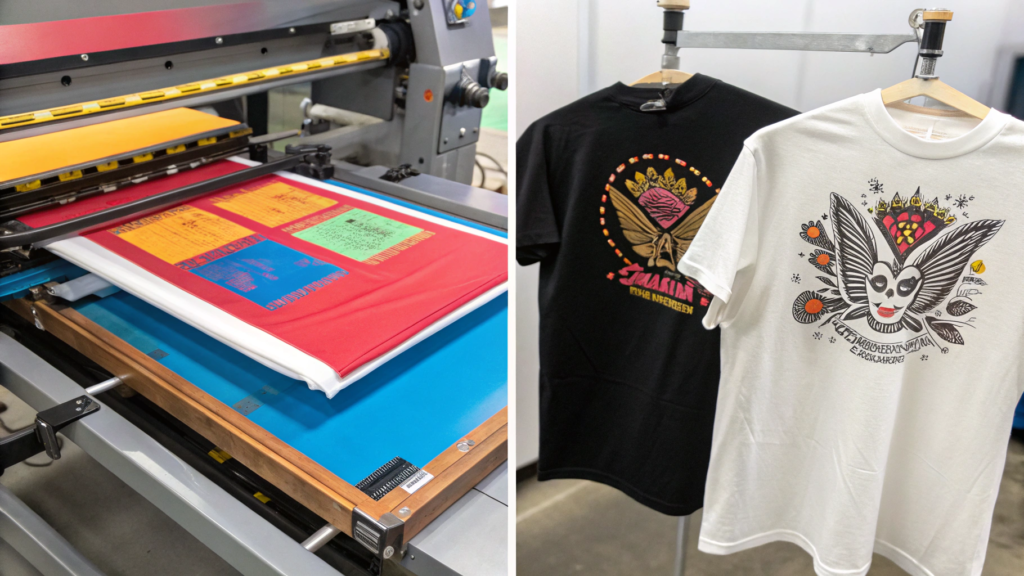
Understanding how the printing works is crucial for successful corporate gifting1. I need to know which method will best serve the client's needs for durability, cost, and design complexity. Screen printing is the traditional workhorse. It is excellent for bulk orders because the setup cost is high, but the cost per unit quickly drops. The ink sits on top of the fabric, making the color pop. This offers timeless boldness. However, it is not ideal for complex designs or gradients, as each color requires its own screen. Direct-to-Garment (DTG) printing represents the democratization of creativity I mentioned. It has a lower setup cost and can handle highly detailed, full-color, photographic images with millions of colors and gradients. This is perfect for small businesses or corporate events where only a few shirts are needed, or where the design is very intricate. The ink is absorbed by the fabric's fibers, resulting in a softer feel (a "soft hand") compared to screen printing's thicker texture. For a creative thinker like Jacky, DTG offers incredible design flexibility for limited-edition merchandise or personalized staff gifts. This technology transforms blank fabric into a medium where art, commerce, and self-expression intersect, regardless of order size.
| Tertiary Heading Example | Method Type | Best For | Key Advantage |
|---|---|---|---|
| Traditional Bulk | Screen Printing | Simple designs, large order volumes | Durability and opaque color vibrancy |
| Modern Personalization | Direct-to-Garment (DTG)2 | Photo quality, complex designs, small batches | Unlimited colors and soft fabric feel |
| Flexibility | Heat Transfer | Small runs, complex designs, quick turnaround | Cost-effective for single, personalized items |
Is DTG Better Quality Than Screen Printing for Corporate Apparel?
Are you wondering if the latest digital technique is always superior to the old standard? Stop equating new technology with better quality. Compare DTG and screen printing based on your specific goal.
Neither DTG nor screen printing is universally "better" in quality; they excel in different areas. Screen printing provides superior durability and color vibrancy for solid logos, making it more robust for uniforms. DTG offers superior detail, color blending, and a softer feel. The "better" choice depends entirely on whether your priority is maximum wash resistance (Screen Print) or detailed photorealism (DTG).
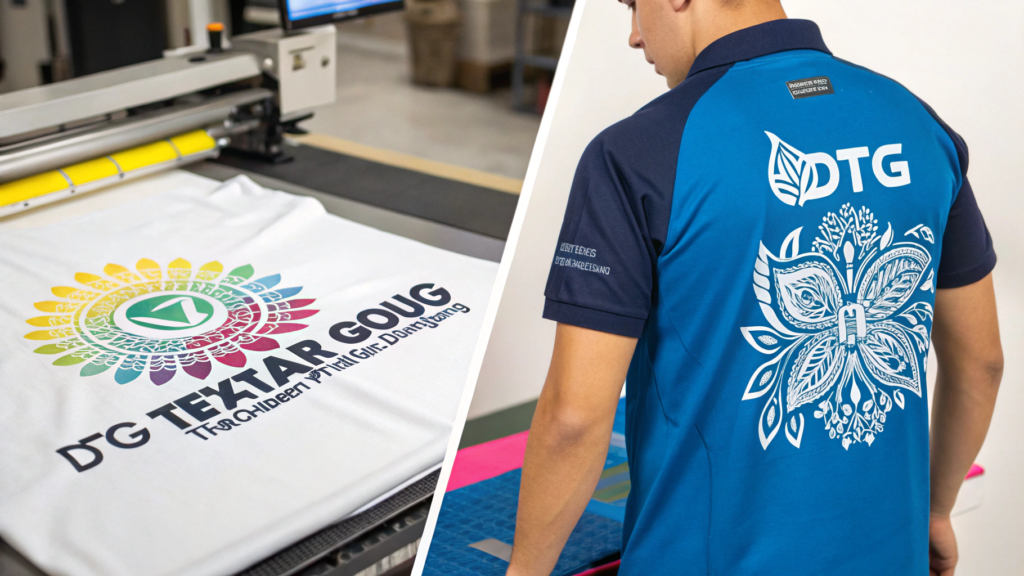
I learned a long time ago that in printing, quality is a matter of definition. For Jacky, high quality might mean a print that never cracks, or it might mean a perfect reproduction of a complex brand image. Screen printing creates a thick layer of ink that is highly durable. It resists cracking and fading over many washes, which is excellent for work uniforms or promotional items meant for heavy use. In this context, it is superior for longevity. However, for a complex, multi-colored graphic or a high-fidelity image, DTG is the clear winner for visual quality. Because DTG inks are thinner and are absorbed into the fibers, the final image is incredibly detailed and has a much softer feel on the fabric, which employees often prefer for comfort. The print's perceived quality is very high because of the softness. The downside is that DTG ink may not look as vibrant on very dark fabrics, and its wash durability is generally slightly less than a traditional, plastisol-based screen print. For a marketing campaign that relies on a complex artistic design, DTG offers the refined finish needed. For a company that needs a standard, two-color logo on 500 shirts, screen printing3 is the economical and durable choice. The choice is a strategic one, balancing design requirements with the gift's intended lifespan. The most successful designs are not the loudest; they are the most authentic, reflecting values and culture rather than mere decoration.
| Tertiary Heading Example | Quality Factor | DTG Performance | Screen Print Performance |
|---|---|---|---|
| Design Detail | Complex gradients, photos | Excellent, unlimited colors | Poor, costly, limited colors |
| Print Durability | Resistance to cracking/fading | Good, can fade slightly over time | Excellent, very durable and thick |
| Texture/Feel | "Hand" of the shirt | Soft, almost unnoticeable | Thicker, slightly rubbery texture |
How Long Can I Expect a DTG Shirt to Last Without Significant Fading?
Are you concerned that modern digital printing methods sacrifice durability for convenience? Stop worrying about the print washing away. DTG offers a respectable lifespan that meets most corporate needs.
A high-quality DTG printed shirt can be expected to last through 30 to 50 wash cycles before showing noticeable fading. The lifespan is highly dependent on proper washing care, such as washing the shirt inside out in cold water. DTG ink soaks into the fabric fibers, which gives it good wash resistance, ensuring the brand message remains visible for a significant time.
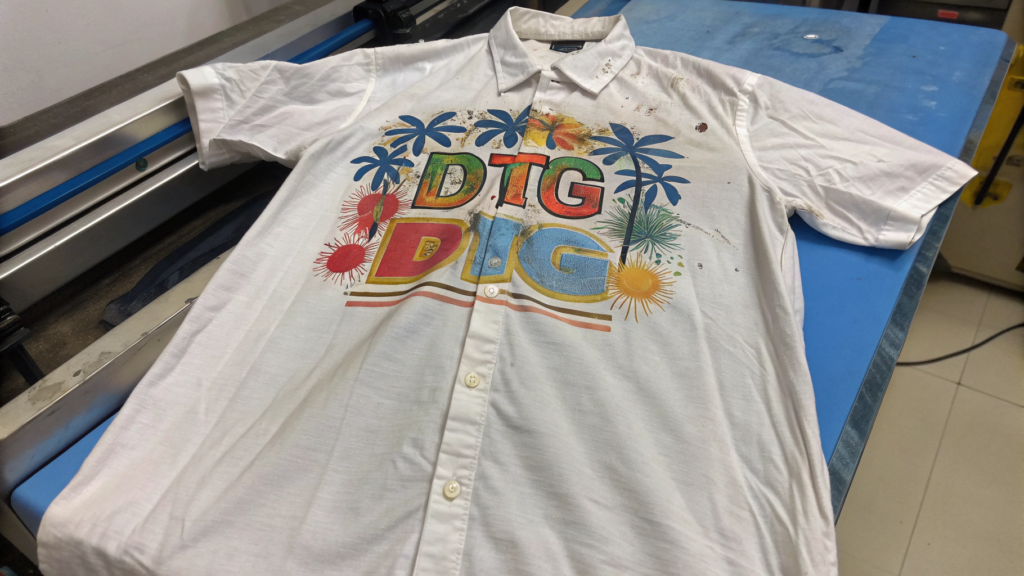
For any corporate gift, the lifespan directly translates to the lifespan of the brand exposure. Jacky is looking for gifts that are both high-quality and long-lasting. While screen printing historically had the edge in durability, modern DTG technology is constantly improving its wash fastness. The durability of a DTG shirt depends on two main factors: the pre-treatment process and the cure temperature. A professional printer must properly pre-treat the fabric to help the ink bond effectively. Then, the print must be cured correctly with high heat to seal the ink. If these steps are done correctly, a DTG shirt will last a long time. The biggest factor that shortens the lifespan is the recipient's washing method. Washing the shirt in hot water or using harsh detergents and high-heat drying will cause premature fading. This is why I always recommend providing simple care instructions with the gift. The fact that DTG prints soak into the fabric—unlike the ink sitting on top in screen printing—gives it a certain level of resistance to cracking. For a business use case, where the shirt might be worn for a promotional event or as casual Friday wear, the 30 to 50 wash cycle lifespan is more than adequate. It guarantees that the shirt will tell the company's story for the entire promotional campaign and beyond. Custom garment printing thrives when it blends purpose with artistry—when what you wear becomes not just clothing, but a statement that lasts longer than trends.
| Tertiary Heading Example | Durability Factor | Impact on Print Longevity | Care Tip for Users |
|---|---|---|---|
| Washing Cycles | Number of washes before fading | 30-50 cycles is standard expectation | Wash inside-out in cold water |
| Ink Bonding | Pre-treatment and curing process | Determines initial durability and cracking | Avoid ironing directly on the print area |
| Print Integrity | Ink type and application depth | DTG soaks in, resists cracking better | Air dry or use low heat setting |
Conclusion
Write a conclusion that summarizes the entire text (max 30 words).
Custom printing democratizes branding with DTG for detail and screen printing for volume. I recommend matching your design complexity and durability needs to the correct method to ensure your apparel effectively tells your brand's unique story.