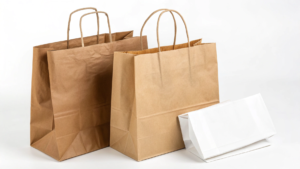
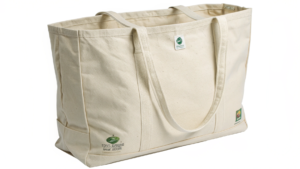
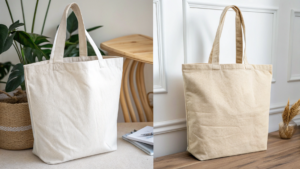
What Defines the True Sustainability and Value of a Paper Bag?
Are you tired of hearing the word "eco-friendly" without any proof of real impact? Stop using paper bags as just a feel-good prop. Demand total transparency across the entire lifecycle.
The true value of a paper bag is defined by its full lifecycle integrity: using materials like unbleached kraft or recycled pulp, transparent sourcing (FSC certified), and an honest end-of-life plan (recyclable or compostable). Success is measured by its reuse rate and manufacturing transparency, not just its unit price, making it a durable brand asset.
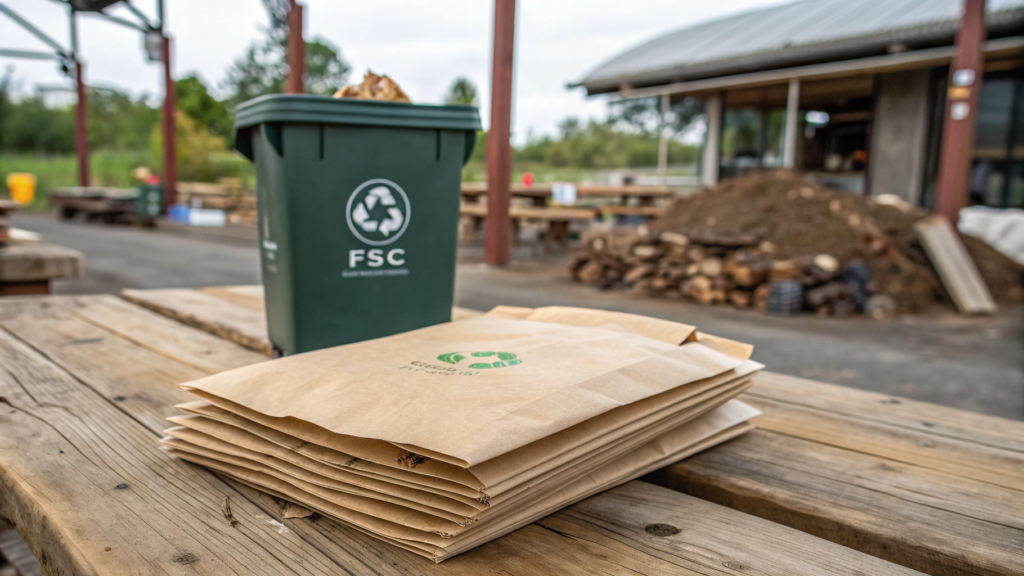
My experience has shown me that true sustainability starts with engineering, not just marketing. For a manager like Jacky, who needs his brand to align with eco-friendly materials, the challenge is separating genuine integrity from a simple green label. A paper bag is only a responsible choice when it is designed for a full lifecycle. Let's examine the manufacturing processes and cost drivers that define a truly sustainable paper bag.
What is a Paper Bag and What Makes It a Sustainable Choice?
Do you see the paper bag1 as just a simple, disposable vessel? Stop underestimating its potential as a sustainable branding tool. Understand its composition and its role in a circular economy.
A paper bag is a simple container made from cellulose fibers (wood pulp), which is a renewable resource. It becomes a sustainable choice when it is made from unbleached kraft paper or recycled-content pulp, giving it high fiber integrity for multiple uses. Unlike plastic, it is easily recyclable or industrially compostable, making it an honest end-of-life option.
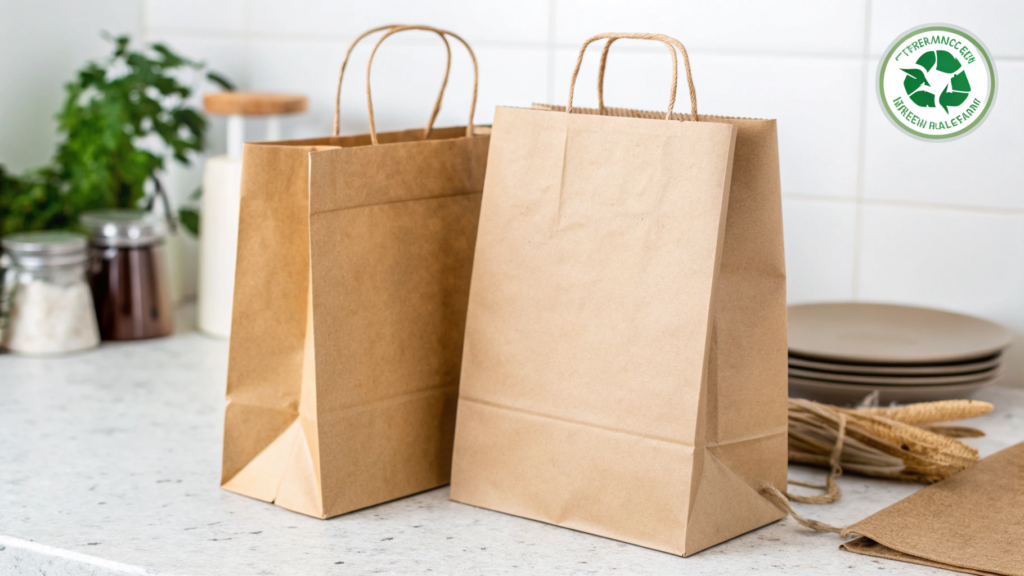
The paper bag's sustainability is rooted in its natural material origin. Paper is derived from wood pulp, a renewable resource, especially when sourced from responsibly managed forests (FSC or PEFC certified2). This transparency in sourcing is crucial for a brand's accountability. However, not all paper bags are equally sustainable. The key differentiator is the fiber quality and the chemical treatment. Unbleached, high-fiber kraft paper is stronger than bleached white paper, meaning the bag is more durable and can be reused more often. This durability extends the useful life of the bag, which is the most important factor in sustainability. I advise clients like Jacky to look at practical design decisions that enhance longevity. Gussets (the folds on the side) and reinforced handles (often made of paper or cotton cord) are essential for extending the bag's usable life far more than any fancy print. Brands that use these design features turn the simple bag into a durable brand asset. We also need to consider the printing. Using water-based inks and solvent-free coatings preserves the paper's recyclability, ensuring it doesn't contaminate the waste stream.
| Tertiary Heading Example | Sustainability Feature | Design Best Practice | Impact on End-of-Life |
|---|---|---|---|
| Material Sourcing | FSC or PEFC certification | Unbleached or high recycled-content pulp | Ensures responsible origin of wood fibers |
| Durability Design | Reinforced paper or cotton handles | Gusseted bottom for sturdiness | Increases reuse rate (key KPI) |
| Customization | Water-based and solvent-free inks | Minimal chemical coatings | Preserves material recyclability |
Is it Cheaper to Make Paper Bags than Plastic Bags?
Are you solely focused on the unit price when comparing paper and plastic packaging? Stop underestimating the total cost of ownership. Understand the economic difference between production and ecological costs.
No, it is generally not cheaper to make paper bags than plastic bags in terms of initial unit production cost. Paper bags require more raw material (pulp) and energy to manufacture, which drives up the cost. However, the true cost difference is often offset by mandated plastic fees, lower waste disposal costs for paper, and the intangible brand value3 of choosing an eco-friendly material.

I learned that the initial manufacturing cost of paper is higher than plastic for several reasons. Paper production is more energy-intensive than making polyethylene film, and paper material is heavier, which increases transportation costs. Therefore, if Jacky measures success by unit price alone, plastic will usually win. However, that is a short-sighted view. Modern businesses must consider the full cost of ownership. Many governments impose mandated fees or taxes on plastic bags to curb use, which shifts the economic balance. Furthermore, paper bags have a lower waste disposal cost because they are easily recycled in municipal systems, unlike many types of plastic film. Most importantly, there is the factor of brand value. Consumers today are willing to pay a premium to support brands with integrity. The simple act of providing a sturdy kraft bag conveys a quiet manifesto of sustainability. This positive perception and increased customer loyalty—a hard-to-measure KPI—ultimately lowers the long-term marketing cost per engagement. For buyers, the key is to measure success by the bag's embodied carbon per expected use rather than just the initial unit price. The best eco kraft bag balances tactile quality and manufacturing transparency.
| Tertiary Heading Example | Cost Factor | Plastic Bag Cost | Paper Bag Cost |
|---|---|---|---|
| Initial Production | Material and Energy | Lower (less material, less energy) | Higher (more material, more energy) |
| Government Fees | Regulatory taxes/fees | High in many regions | Low or None |
| Brand Value (KPI) | Customer perception/loyalty | Negative or Neutral | Positive, signals integrity |
What is the "Paper Bag Technique" and Why is it Useful in Branding?
Have you heard the term "paper bag technique" used in marketing or design discussions? Stop thinking it is just a manufacturing term. Understand its strategic application in product presentation.
The "paper bag technique" in branding refers to the intentional use of minimalist, unbleached kraft paper packaging to convey authenticity, simplicity, and natural integrity. This technique leverages the paper's earthy texture and color to create an honest, unpretentious aesthetic. It makes the product feel more personal and high-quality by relying on tactile quality rather than glossy, artificial finishes.
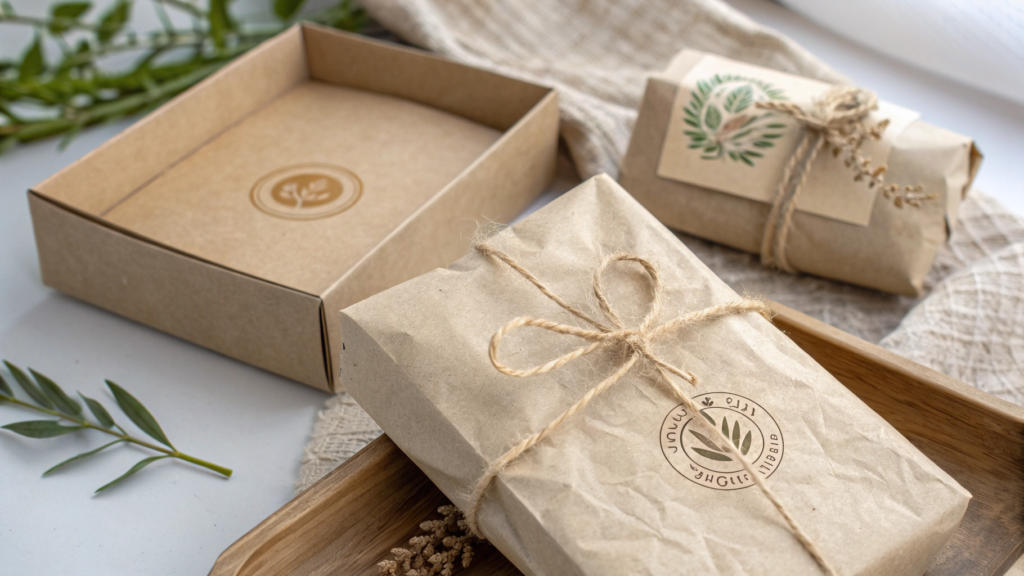
The "paper bag technique" is a cultural and design shift. It is a rebellion against the over-processed, glossy aesthetic that defined packaging for decades. I often recommend this approach to clients who want to project authenticity and mindfulness. The natural, brown color of unbleached kraft paper is immediately associated with organic, sustainable, and handmade products. Brands leverage this by using minimalist logos (often black or a single color) and simple, clean typography. This lack of excessive decoration focuses the consumer's attention on the product's quality and the brand's integrity. For Jacky, this is a way to tell the company's story without contaminating the paper streams with heavy inks. Furthermore, this technique allows for modular branding—using a simple bag design with a removable hangtag or a QR-enabled story card. This allows the company to tell their full impact story (sourcing, recycling instructions) without using non-recyclable print areas on the bag itself. The tactile quality of a well-made kraft bag makes people want to keep and reuse it. When you balance this tactile quality, manufacturing transparency, and end-of-life integrity, the kraft bag becomes a durable brand asset.
| Tertiary Heading Example | Technique Element | Brand Aesthetic Conveyed | Practical Design Choice |
|---|---|---|---|
| Aesthetic Choice | Unbleached, earthy texture | Authenticity, sustainability, simplicity | Minimalist black ink logo |
| Communication | QR-enabled story card/hangtag | Transparency and detailed impact story | Avoids contaminating paper stream with heavy print |
| Consumer Connection | Tactile quality and feel | Creates a personal, unpretentious experience | High-quality, thick paper stock |
Conclusion
Write a conclusion that summarizes the entire text (max 30 words).
A truly sustainable paper bag must prioritize material integrity, durability, and a clean end-of-life plan. I recommend measuring a bag's value by its reuse rate and its ability to tell an honest, lasting brand story.
-
Explore the advantages of paper bags, including sustainability and recyclability, to understand their impact on the environment. ↩
-
Explore the significance of these certifications in promoting responsible forest management and sustainability. ↩
-
Discover the importance of brand value in shaping consumer preferences for sustainable products. ↩