What Are the Safest Materials for Kids' Water Bottles?
Safety for kids' bottles goes beyond being leak-proof. The best choices are non-toxic materials that offer a crucial balance of durability, non-leaching properties, and ease of cleaning.
The safest materials for kids' water bottles are food-grade stainless steel (18/8 or 316) and high-quality, BPA-free plastics like Tritan. Stainless steel offers superior durability and temperature retention without leaching chemicals, while Tritan provides a lightweight, shatterproof, and cost-effective option.
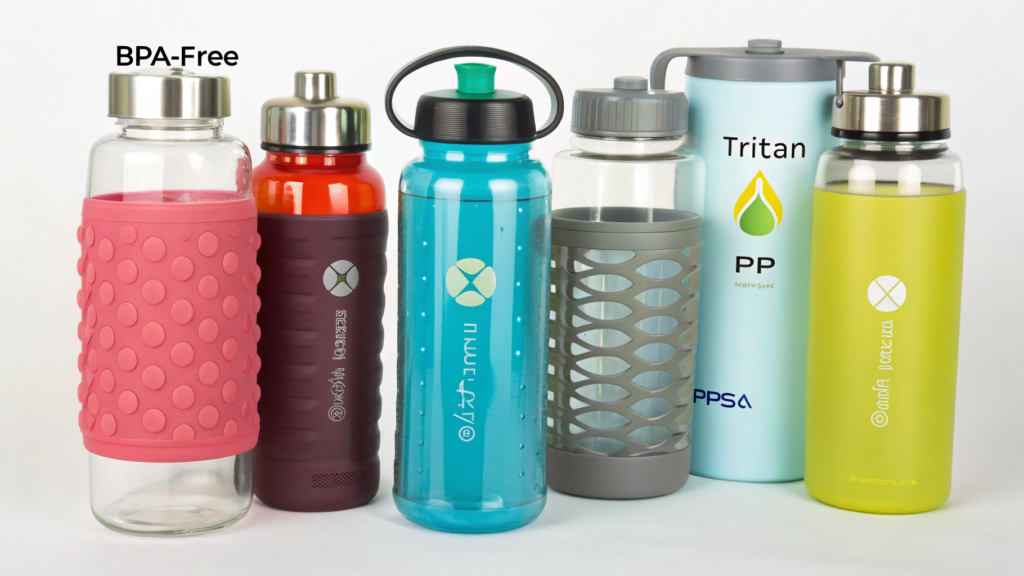
When temperatures rise, the right water bottle can make the difference between staying refreshed and feeling drained. In my view, the best bottle for hot weather isn’t just about capacity $\text{—}$ it’s about insulation, material, and real-world usability. Stainless steel vacuum-insulated bottles stand out because they can keep water cold for up to 24 hours, resisting the heat even when left in a car or on a beach towel. Unlike plastic bottles, they don’t leach chemicals or absorb odors, and they maintain temperature stability without condensation. Yet, not everyone needs a heavy-duty flask $\text{—}$ lightweight aluminum or BPA-free Tritan bottles are better for short trips or workouts where portability matters most. The key is matching design to environment: wide mouths for ice, powder-coated finishes for grip, and leak-proof lids for mobility. The best bottle isn’t the most expensive $\text{—}$ it’s the one that supports your hydration habits effortlessly, no matter how hot the day gets.
What Is the Safest Water Bottle Material?
When prioritizing safety for children, the best materials are those that are non-toxic, non-leaching, and robust enough to handle daily drops and bumps.
The two safest water bottle materials for children are food-grade stainless steel and high-grade plastics like Tritan. Stainless steel (18/8) is the gold standard for non-leaching properties and durability, while Tritan plastic is favored for being lightweight, shatter-resistant, and BPA-free.
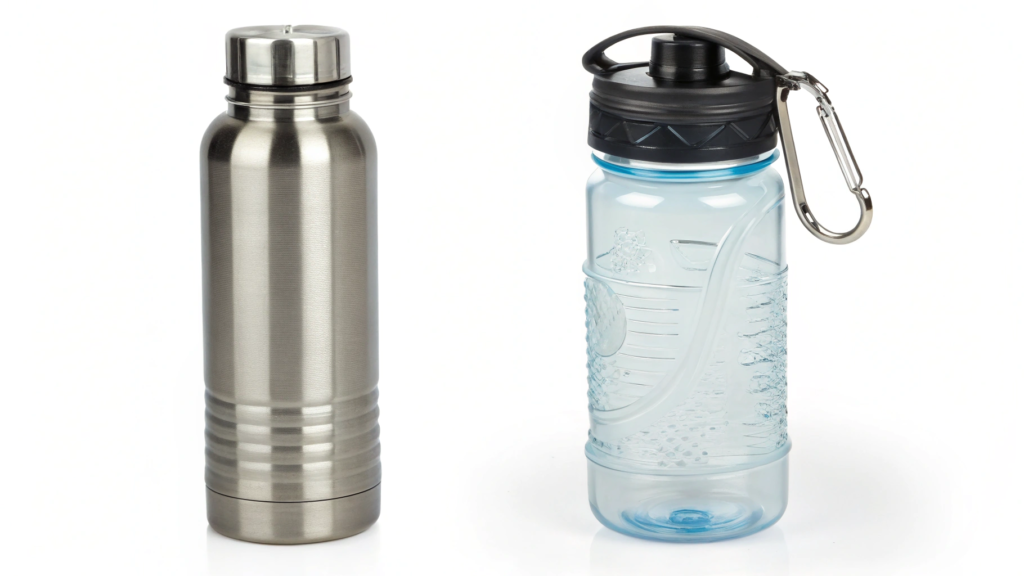
The ultimate safety of a material is defined by its inertness $\text{—}$ its inability to react with the contents or the environment.
- Stainless Steel: The best option, particularly 304 grade (18/8). It is non-toxic, resists corrosion, does not leach chemicals, and can handle high temperatures (for cleaning) without risk. It is extremely durable, though heavy and may dent if dropped.
- Tritan Plastic: This is the current "gold standard" for safe plastic. It is explicitly certified as BPA-free and, unlike older plastics, is much less likely to leach other potential endocrine-disrupting chemicals. It is lightweight, shatter-resistant1, and can withstand rough handling, which is essential for active kids.
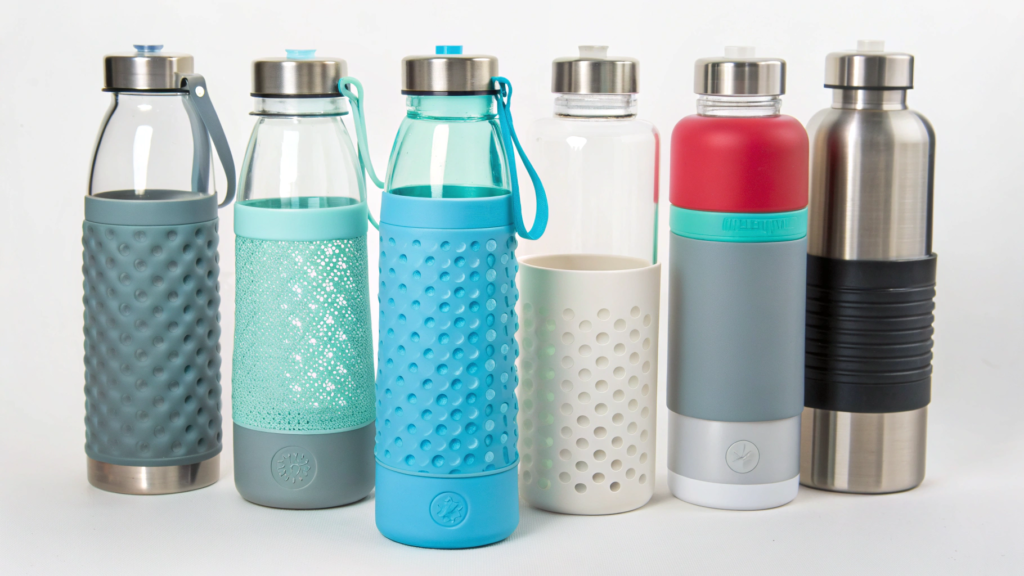
- Glass: While chemically inert (does not affect taste or leach), glass is generally not recommended for younger children due to its fragility and breakage risk, even with a silicone sleeve.
- Silicone: Used primarily for spouts, straws, and sleeves, food-grade silicone is non-toxic and flexible. If used for the bottle body, it is safe, but it can sometimes absorb odors or be harder to clean.
When making a choice, balance the safety factor (non-leaching steel) with the usability factor (lightweight, shatterproof Tritan) based on the child's age and activity level.
Which Water Bottles Do Not Contain BPA?
The consumer push for safety has made BPA-free an industry standard. You must look for materials that are naturally free of this chemical or chemically engineered to exclude it.
Water bottles made from stainless steel, glass, and food-grade silicone2 are naturally BPA-free. Additionally, high-quality, modern plastics such as Tritan, PP (Polypropylene), and PPSU are specifically manufactured to exclude BPA and are labeled accordingly.
The awareness of Bisphenol A (BPA) has transformed the plastics industry. BPA was historically used to harden polycarbonate plastic, but its potential to leach chemicals, particularly when exposed to heat, has led to its elimination in products targeting children. To ensure a bottle is safe:
- Look for the label: The product must explicitly state "BPA-Free," "Toxin-Free," or carry certified safety marks.
- Avoid ambiguity: If a plastic bottle lacks a clear BPA-free label or uses the #7 recycling code (which used to be associated with polycarbonate), exercise caution, though many modern #7 plastics are now BPA-free3.
- Rely on nature: Stainless steel, glass, and silicone are inert and do not require the BPA designation, as the chemical is not part of their composition.
While finding a bottle that does not contain BPA is now common, some research suggests that replacing chemicals like BPA with alternatives such as BPS (Bisphenol S) or BPF (Bisphenol F) may carry similar, though less studied, risks. This is why non-plastic options remain the preferred choice for parents seeking the highest level of caution.
What Does BPA Do to a Human Body?
Understanding the risk is crucial. BPA is concerning because it mimics a key natural chemical in the body, which can disrupt normal function.
BPA is classified as an endocrine-disrupting chemical (EDC). It primarily mimics the female hormone estrogen, potentially binding to hormone receptors and interfering with the body's normal endocrine, reproductive, and neurological functions, especially in developing fetuses, infants, and children.
The primary concern with BPA, and the reason for its ban in baby bottles and sippy cups (in the US since 2012), is its ability to act as an artificial estrogen.
- Mechanism: BPA's chemical structure is similar enough to estrogen that it can bind to estrogen receptors throughout the body. This interference can either amplify, block, or alter the natural signals sent by hormones.
- Vulnerability in Children: Developing bodies are particularly sensitive to these hormonal disruptions. Exposure to BPA has been linked in various studies (mostly animal models, but supported by epidemiological human data) to:
- Developmental Issues: Impacts on fetal brain development and neurobehavioral changes (e.g., anxiety).
- Reproductive Problems: Potential links to infertility and early puberty in girls.
- Metabolic Disorders: Suggested links to obesity, type 2 diabetes, and cardiovascular issues.
While the FDA maintains that the low levels of BPA exposure in foods are safe, the prevailing guidance, especially for vulnerable populations like children, is based on the precautionary principle $\text{—}$ avoid it when a safer, readily available alternative (like stainless steel) exists.
Conclusion
The safest kids' water bottle is made from 18/8 food-grade stainless steel for superior non-leaching durability, or high-quality, certified BPA-free Tritan for its lightweight, shatterproof design.
Would you like me to find some current, highly-rated BPA-free Tritan or stainless steel water bottles specifically designed for children?