What are the best materials for a custom logo t-shirt?
You want to make a custom T-shirt. You have a great design. But do you know what fabric to choose? Picking the right material is important for your T-shirt to look and feel good.
The best materials for custom T-shirts depend on the purpose of the shirt. For comfort and everyday wear, 100% cotton is a great choice. Blends like CVC and TC offer a balance of comfort and durability. Polyester is best for sportswear because it wicks away moisture.
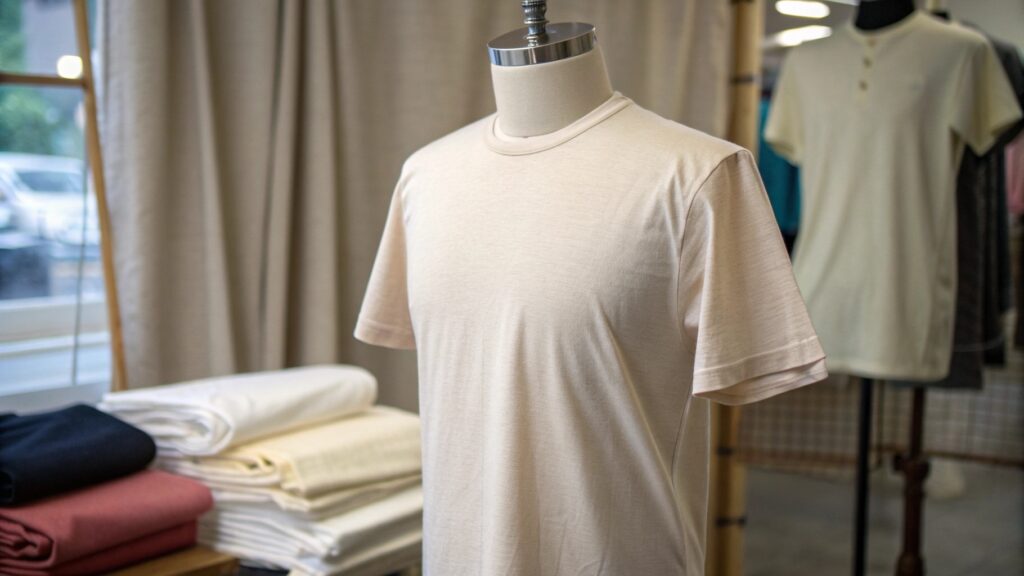
I remember my first project. A client wanted T-shirts for a marathon. I thought all T-shirts were the same. I quickly learned that the fabric choice was the most important thing. A cotton T-shirt would have felt heavy and wet. We needed something breathable that dried fast.
What are the different types of T-shirt fabrics?
You have a lot of choices when you are picking a T-shirt. Each fabric has its own feel and works best for a different use. But how do you know which one to pick?
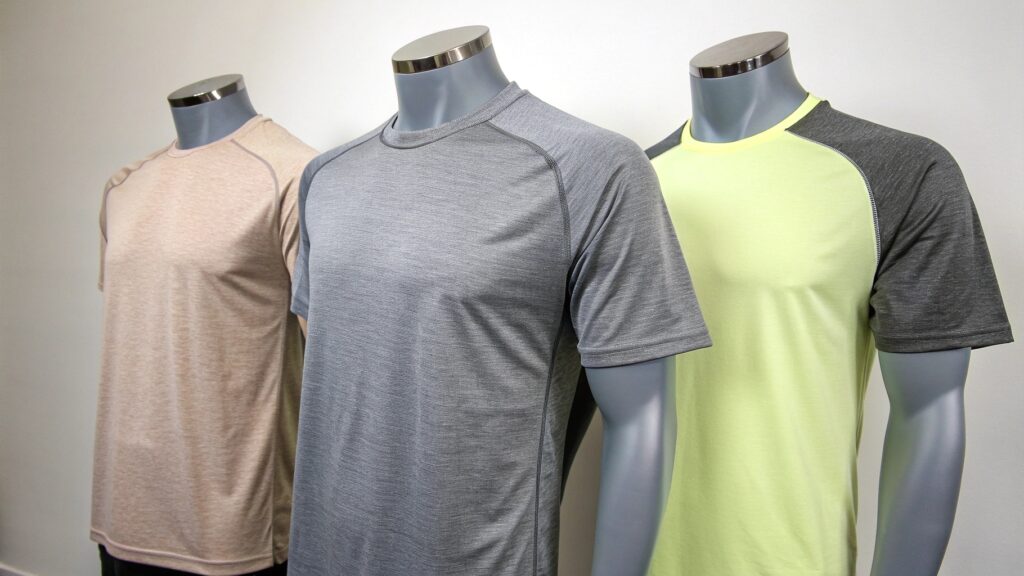
T-shirt fabrics are divided into three main categories: natural fibers like cotton, synthetic fibers like polyester, and fabric blends. Each type has a unique feel and performance. Cotton is soft and breathable. Polyester is durable and moisture-wicking. Blends combine the qualities of both.
Dive deeper Paragraph:
I have spent a lot of time working with different fabrics. I know from experience that the choice of fabric can make or break a custom T-shirt. Cotton is a natural fiber and is very popular for T-shirts. It is soft, comfortable, and breathable. It is great for casual wear. However, cotton can shrink and wrinkle easily. Polyester is a synthetic fiber. It is very strong and resists shrinking and wrinkles. It is also great at wicking moisture away from the body. This makes it perfect for sports and outdoor activities. The downside is that it is not as breathable as cotton. Then you have fabric blends1, which combine different fibers. The two most common are CVC and TC. CVC is Chief Value Cotton. It has more cotton than polyester. It is soft like cotton but more durable. TC is Tetron Cotton. It has more polyester than cotton. It is stronger and more resistant to wrinkles. These blends offer a good middle ground for many uses. Choosing the right fabric is important. It affects how the T-shirt feels, looks, and lasts.
| Fabric Type | Pros | Cons | Best Use |
|---|---|---|---|
| 100% Cotton | Soft, breathable, comfortable | Can shrink, wrinkles easily, holds moisture | Casual wear, everyday use |
| 100% Polyester | Strong, wicks moisture, resistant to wrinkles | Less breathable, can feel synthetic | Sports, outdoor activities, activewear |
| CVC Blend (Cotton-rich) | Soft, more durable than cotton, breathable | Can still wrinkle and hold some moisture | Everyday wear, uniforms, soft feel |
| TC Blend (Polyester-rich) | Very strong, resists wrinkles, quick-drying | Less soft, can feel less natural | Promotional giveaways, work uniforms |
The best choice depends on the T-shirt's purpose.
What is the most common type of T-shirt fabric for printing?
When you work with custom designs, you want a fabric that works well with printing. A fabric can look good, but if the print does not stick or look bright, what is the point?
The most common type of T-shirt fabric for printing is 100% cotton. This is because cotton fibers absorb ink very well. This results in clear, vibrant prints. Many companies use a heavyweight cotton for better print quality and a premium feel.

Dive deeper Paragraph:
In my years in the factory, I have seen thousands of T-shirts get printed. I know what works and what does not. The reason cotton is so common is simple. It is the best canvas for printing. The natural fibers2 hold ink pigments well. This means the colors come out looking bright and sharp. Other fabrics, especially synthetic ones, can be difficult to print on. The ink can sometimes sit on top of the fibers instead of being absorbed. This can cause the print to crack or fade over time. For this reason, many screen printers prefer using cotton. It gives them the best results every time. When you are looking for a T-shirt for a custom design, look for cotton. A heavier cotton will also give you a smoother surface for the print. This results in a high-quality finish. While other fabrics like blends can be printed on, they often require special inks or processes to get a good result. My experience tells me that you should always start with a good base fabric. A good base fabric makes your design look great.
| Fabric | Print Compatibility | Print Quality | Why It's Common |
|---|---|---|---|
| 100% Cotton | Excellent | High quality, vibrant, smooth | Ink absorbs well, very reliable |
| CVC Blend | Good to excellent | Good, but can be less vibrant | Holds ink well, more durable than cotton |
| TC Blend | Good | Good, but needs special ink | Good for durability, a common choice for uniforms |
| 100% Polyester | Fair to good | Requires special ink, less vibrant | Used when moisture-wicking is more important than a bright print |
A good print starts with a good fabric.
What is a high quality custom t-shirt?
You want to make a custom T-shirt that people will love. A T-shirt that feels great and lasts a long time. So how do you know what to look for? What makes a T-shirt "high quality"?
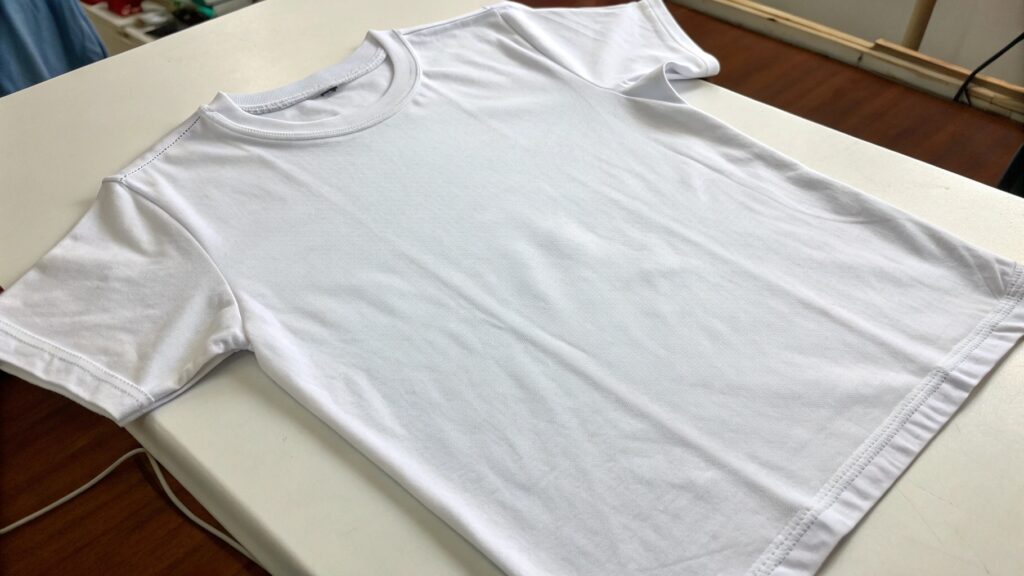
A high quality T-shirt is not just about the design. It is about the fabric, the stitching, and the fit. A high quality T-shirt uses premium materials like combed cotton. It has strong, neat seams. It is made for comfort and durability. This makes the T-shirt last longer and feel better.
Dive deeper Paragraph:
My experience has shown me that a T-shirt is more than just a piece of cloth. A high-quality T-shirt tells a story about your brand. I have seen countless T-shirts that look good but fall apart after a few washes. High quality T-shirts are different. They use premium fabrics like combed cotton3. Combed cotton is a softer version of regular cotton. The fibers have been "combed" to remove short strands. This makes the fabric stronger and smoother. The stitching is also very important. A high-quality T-shirt has strong, even seams. The collar should not stretch out or lose its shape. A good fit is also key. A high-quality T-shirt is designed to fit well and feel comfortable. It should not be too tight or too loose. It should feel good to wear all day long. A good T-shirt also holds its shape and color after many washes. When you are making a custom T-shirt, investing in quality is important. It shows your clients and employees that you care about the details. It also ensures your brand is represented well over time.
| Aspect of Quality | Description | Why It Matters | How to Spot It |
|---|---|---|---|
| Fabric | Premium materials, like combed cotton or tri-blends | Softer feel, more durable, holds shape | Smooth feel, strong fibers, not see-through |
| Stitching | Strong, neat seams that do not unravel easily | T-shirt lasts longer, does not fall apart | Even, consistent stitches, no loose threads |
| Fit and Cut | Designed for comfort and a good fit for the body | More comfortable to wear, looks better on people | Proper sizing, collar holds its shape |
| Durability | Resists fading, shrinking, and wear over time | Brand logo stays looking good, less frequent replacement | Color stays bright, fabric holds its shape |
A high-quality T-shirt is an investment. It is not just a giveaway.
Conclusion
Choosing the right material for a custom T-shirt is important. It affects how it feels, how it looks, and how long it lasts. Cotton is great for printing, while polyester works for activewear.
-
Discover how fabric blends combine the best qualities of different fibers for versatile T-shirt options. ↩
-
Explore the benefits of natural fibers like cotton for T-shirts, including comfort and breathability. ↩
-
Explore the advantages of combed cotton for a softer, stronger, and more durable T-shirt. ↩