What are lapel pins?
Struggling to find a way to reward your team or promote your brand without being too "loud"? Most corporate gifts are too bulky to wear daily, meaning your brand message gets left at home.
Lapel pins are small, decorative accessories worn on the lapel of a jacket or coat to signify membership, achievements, or personal style. They act as wearable symbols of identity and brand loyalty, offering a subtle yet permanent way to display professional milestones or social affiliations.
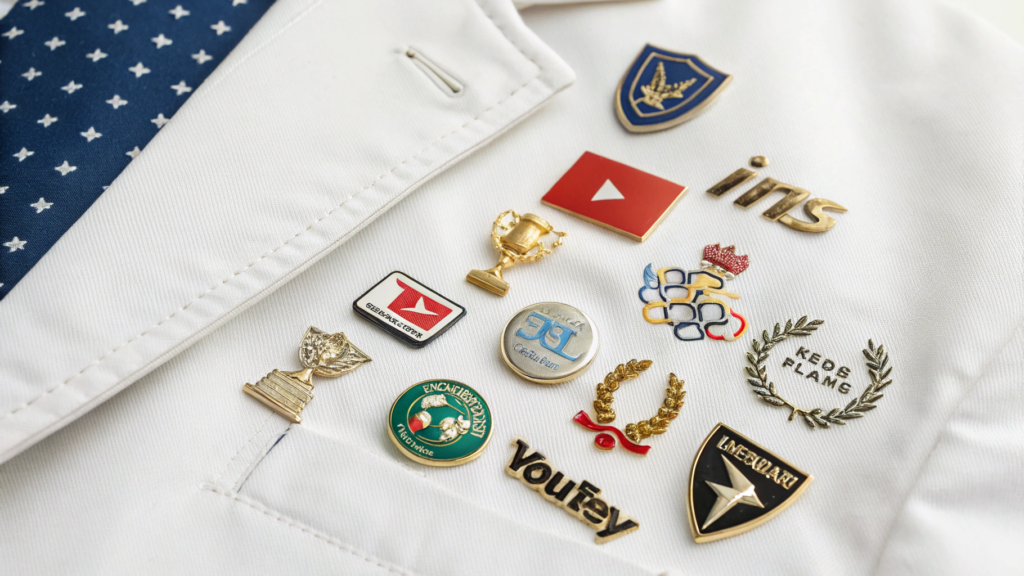
I’ve spent years in the gifting and branding industry, and I’ve seen how these tiny objects can create a huge sense of belonging. In my early days in the factory, we produced pins for everything from 10-year service awards to charity drives. I remember a client who gave out a simple gold-plated pin to his top sales team; those employees wore them with more pride than the expensive hampers they received. For a marketing manager like Jacky, lapel pins are "wearable storytelling devices." They are small enough to be elegant, but meaningful enough to spark a conversation in a boardroom or at a networking event.
What is the purpose of a lapel pin?
Are you looking for a way to strengthen company culture or show support for a cause? Traditional recognition methods like trophies or certificates often end up gathering dust on a shelf where no one can see them.
The primary purpose of a lapel pin is to communicate affiliation, status, or belief at a glance. They are used by organizations to mark membership1, by companies to recognize years of service, and by individuals as a fashion statement that reflects their personality or support for a specific social cause.
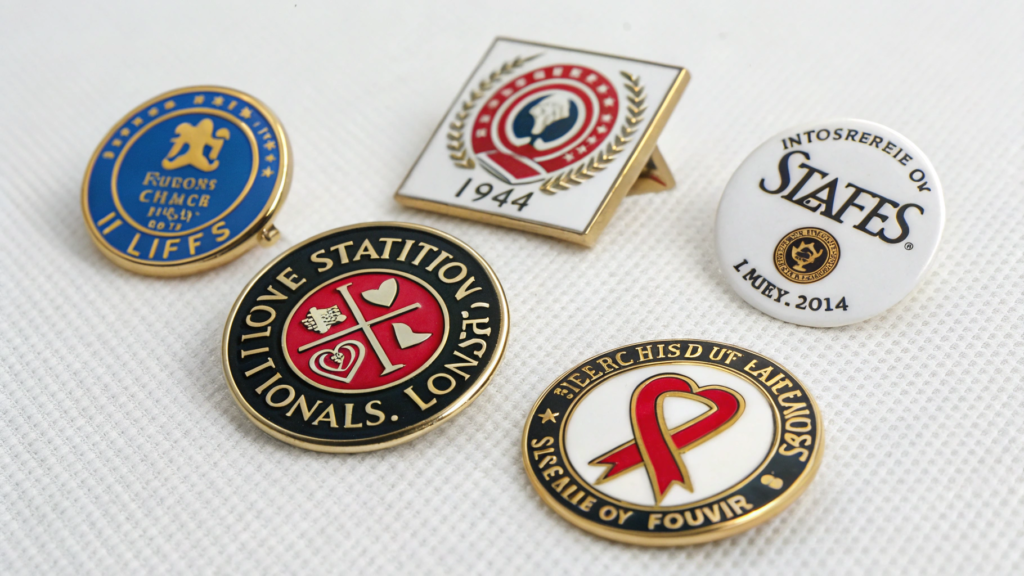
I always tell my clients at Latitude that a pin is an "icebreaker." I’ve worn my company pin to many events in Singapore, and it’s amazing how often someone will ask, "What does that represent?" It’s a low-pressure way to start a brand conversation. For Jacky, pins are perfect for internal branding. They turn employees into brand ambassadors without forcing them to wear a loud, branded t-shirt.
We often categorize the purpose of pins into four main areas to help businesses decide on their design.
| Purpose | Meaning | Best For |
|---|---|---|
| Membership | Shows you belong to a group | Clubs, Associations, Alumni |
| Recognition | Rewards a milestone or rank | Long-service awards, Top performers |
| Awareness | Shows support for a cause | Charities, ESG initiatives |
| Style/Art | Expresses personal creativity | Limited edition merch, Gift shops |
From my perspective, the real value is the "silent signal." A pin tells the world you are part of something bigger. Whether it’s a tiny logo or a colorful ribbon, it adds a layer of depth to a professional outfit that other accessories just can't match.
What is the difference between a pin and a lapel pin2?
Are you confused by the different terminology when sourcing promotional items? Buying a generic "pin" when you actually need a "lapel pin" can lead to a product that looks out of place on a high-end suit.
The main difference is the intended use and quality of finish. A "pin" is a broad term for any sharp-pointed fastener (like a safety pin or enamel badge), while a "lapel pin" is specifically designed to be worn on the lapel of a jacket. Lapel pins usually feature a "clutch" back and a more refined, jewelry-like finish.
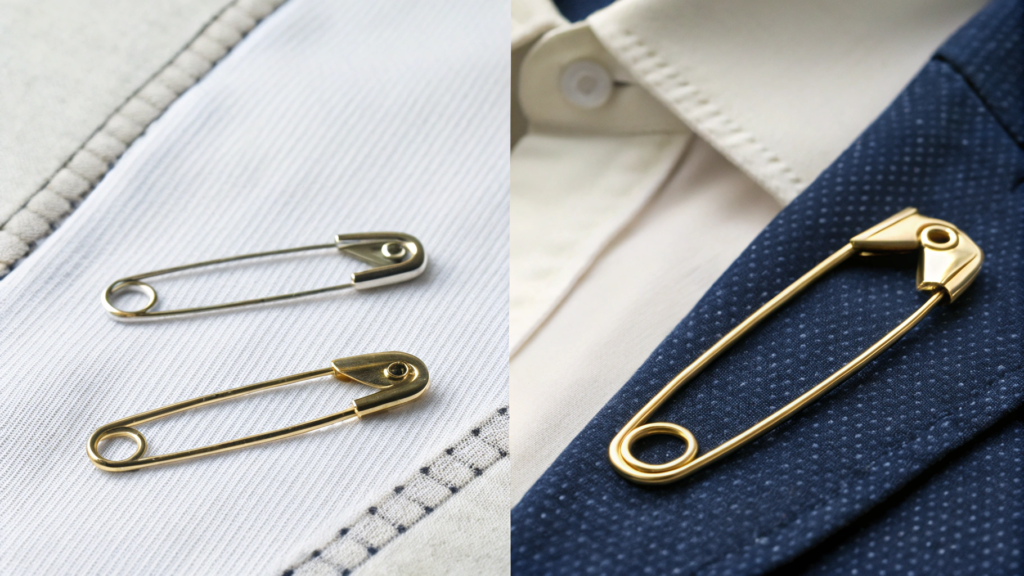
I’ve seen many buyers make the mistake of ordering cheap "button badges" for a formal corporate event. While button badges are great for casual campaigns, they look wrong on a blazer. A lapel pin is a piece of jewelry. It’s made of metal—like die-struck brass or zinc alloy—and it feels substantial. For a professional like Jacky, the "finish" is everything. You want a pin that looks like it belongs on a $500 jacket, not something that looks like it came from a kid's birthday party.
| Feature | Standard Pin / Badge | Lapel Pin |
|---|---|---|
| Material | Often plastic or tin | Metal (Brass, Zinc, Steel) |
| Attachment | Safety pin back | Butterfly clutch or Magnet |
| Aesthetic | Casual / Temporary | Formal / Permanent |
| Durability | Low | Very High |
I always recommend "soft enamel3" or "hard enamel" for lapel pins. Hard enamel is polished flat so it feels smooth like glass—it’s the highest quality you can get. This is the difference between a "handout" and a "keepsake."
What are the three types of lapel?
Are you unsure where to place your pin or how it will look on different jackets? If you don't understand the structure of a jacket, you might choose a pin size or weight that pulls the fabric awkwardly or looks off-center.
The three main types of lapel are the Notch Lapel, the Peak Lapel, and the Shawl Lapel. The Notch Lapel is the most common for standard business suits, while Peak and Shawl lapels are found on more formal attire like double-breasted jackets and tuxedos.
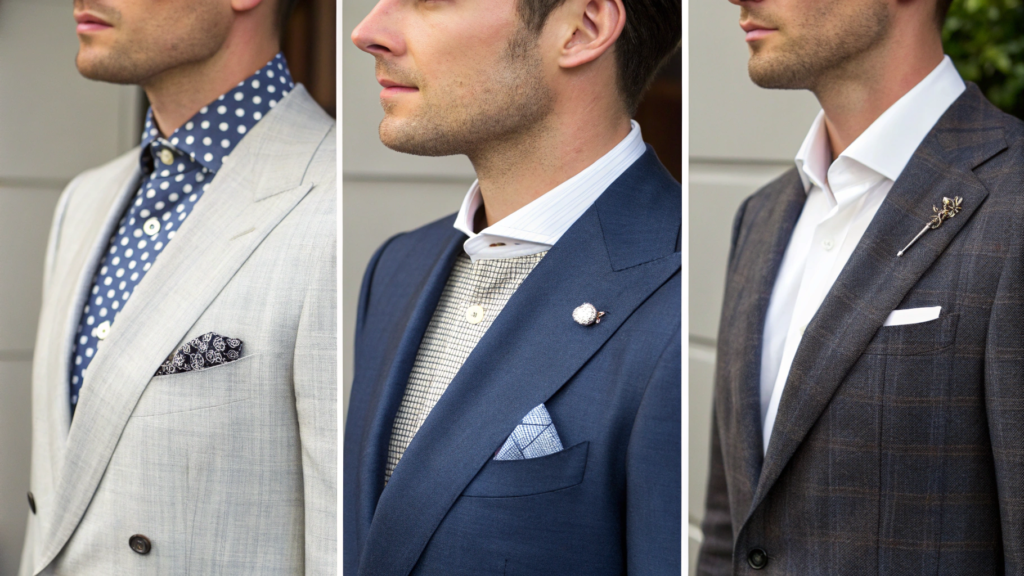
Knowing the lapel type is vital for Jacky when he's ordering gifts for executives. For example, a Notch lapel always has a "buttonhole" on the left side. This is where the lapel pin is traditionally placed. I remember a project where we made extra-large pins that were too heavy for the thin fabric of a modern notch lapel; the pins kept drooping. We had to switch to a dual-clutch design to keep them upright.
| Lapel Type | Formality Level | Best Pin Style |
|---|---|---|
| Notch Lapel | Business / Casual | Single-post, 15mm - 20mm |
| Peak Lapel | High / Formal | Long-stem pins or Bold crests |
| Shawl Lapel | Very High (Tuxedo) | Minimalist gold/silver pins |
Ultimately, the humble lapel pin proves that the smallest accessories carry the most meaning. It’s about more than just metal and enamel; it’s about the "quiet good judgment" of knowing how to display your identity. By picking a partner who understands the engineering and the etiquette, you ensure your pins are worn with pride for years to share your brand's story.
Conclusion
Lapel pins are subtle yet powerful symbols of identity, belonging, and achievement. By choosing the right material and understanding l
-
Learn about the role of lapel pins in showcasing group affiliation and building community. ↩
-
Explore how lapel pins can enhance brand identity and foster connections in professional settings. ↩
-
Learn about the quality differences in lapel pins and how they affect their appearance and feel.
apel etiquette, you can create a high-quality branding tool that stays with your audience daily. ↩