Is That Baseball Cap the Right Fit for Your Child's Next Adventure?
A baseball cap is more than just a cute look; it is a key part of your child's daily gear for sun protection and identity. But how do you find the perfect size?
To find the right baseball cap for a child, you must measure their head circumference just above the ears and eyebrows. For an 8-year-old, the typical head size is around 53 to 55 cm, which often translates to a Youth Medium or Large, but always check the specific brand's sizing chart for the best fit.
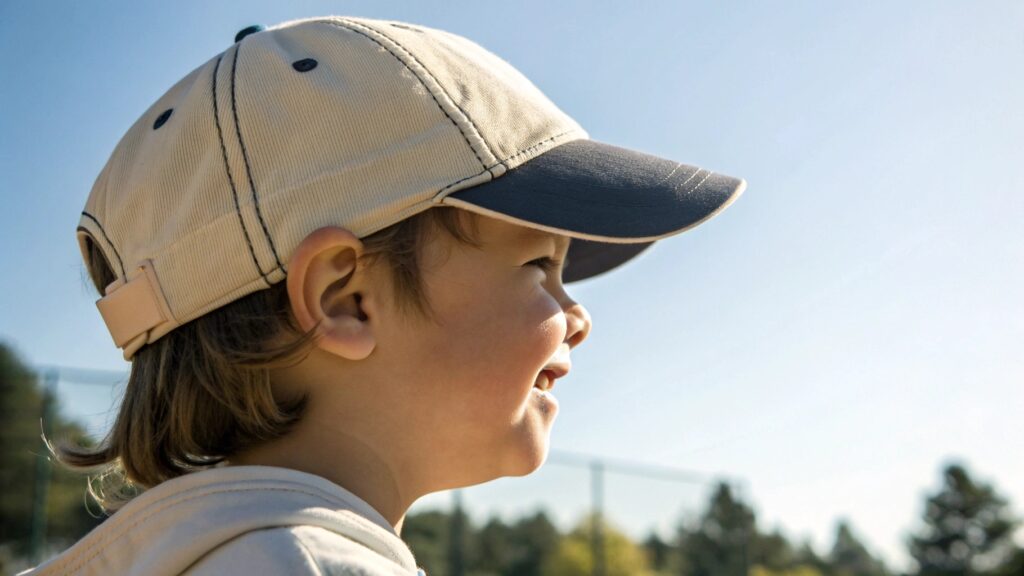
I believe a child's baseball cap is an early statement of who they are. It is the first piece of branded apparel they truly connect with, whether it is a sports logo or a cool pattern. I have seen how a well-made cap can become a treasure, keeping memories of outdoor adventures and family trips. The smartest brands understand this emotional link. They do not just sell a hat; they sell comfort, protection, and a sense of belonging. The cap must fit well to be loved and worn often. Let's look at the simple steps to get the size right every time, which ensures the cap is a keeper.
What Size Do Most 8-Year-Olds Wear?
Do you feel unsure what hat size to buy for your 8-year-old, worried they will quickly outgrow it? This is a very common sizing challenge.
Most 8-year-olds fall into a head circumference range of about 53 cm to 55 cm, which is generally labeled as a Youth or Child Size. Because children's growth rates vary, using this measurement, not just the age label, is the most reliable way to ensure a comfortable fit.
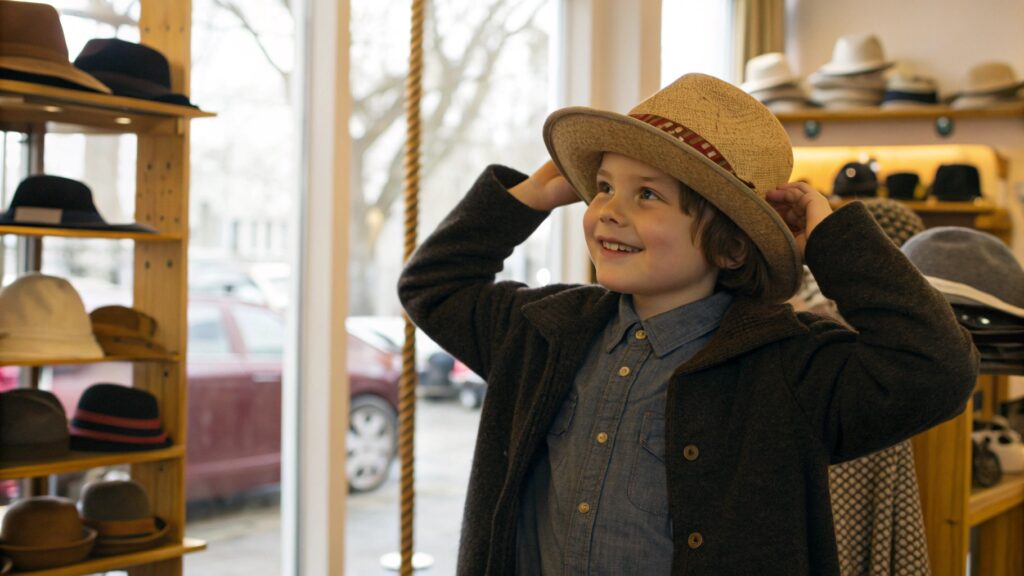
It is a fact that children's head sizes vary widely, even at the same age. I always advise parents to ignore the age label first and look at the actual head measurement. For an 8-year-old, the $53-55\text{ cm}$ range is a solid starting point for a baseball cap. However, we must consider how the cap is built. Adjustable caps, like a snapback or a Velcro closure, are often the best choice for this age group. They allow for some growth and give you the flexibility to adjust the fit for comfort throughout the day. A fixed-size cap1, like a traditional fitted baseball cap, requires a much more precise measurement. If you buy a fixed size, I recommend rounding up by about $0.5\text{ cm}$ to prevent the cap from being too tight. A too-tight cap will cause discomfort and headaches, leading the child to refuse to wear it. This is a waste of money and loses the value of sun protection. A high-quality cap for this age should also use breathable materials2 like cotton or a cotton-poly blend, since 8-year-olds are often very active. The fit must be snug enough to stay on during play but loose enough for comfort. Always aim for a cap that is designed to grow with the child, both physically and emotionally, so it remains a favorite for longer than just one season.
| Age Range (Approximate) | Head Circumference (CM) | Typical Youth Size Label | Key Fit Consideration |
|---|---|---|---|
| 3-5 Years | $50 - 52\text{ cm}$ | Youth Small (or Toddler Large) | Must prioritize a soft, flexible sweatband. |
| 5-10 Years | $53 - 55\text{ cm}$ | Youth Medium/Large | Adjustable closure is best for growth. |
| 10-14 Years | $55 - 57\text{ cm}$ | Youth Large (or Adult Small) | Can often transition to adult snapback styles. |
How Do I Know My Baseball Cap Size?
Do you need a simple, reliable way to measure your child's head so you can buy the perfect-fitting baseball cap every time? The process is very simple.
You can know your baseball cap size by using a flexible tape measure or a piece of string to wrap around the widest part of the head. Measure about $1\text{ cm}$ above the eyebrows and ears, keeping the tape snug but not tight. This circumference measurement is your correct hat size in centimeters.
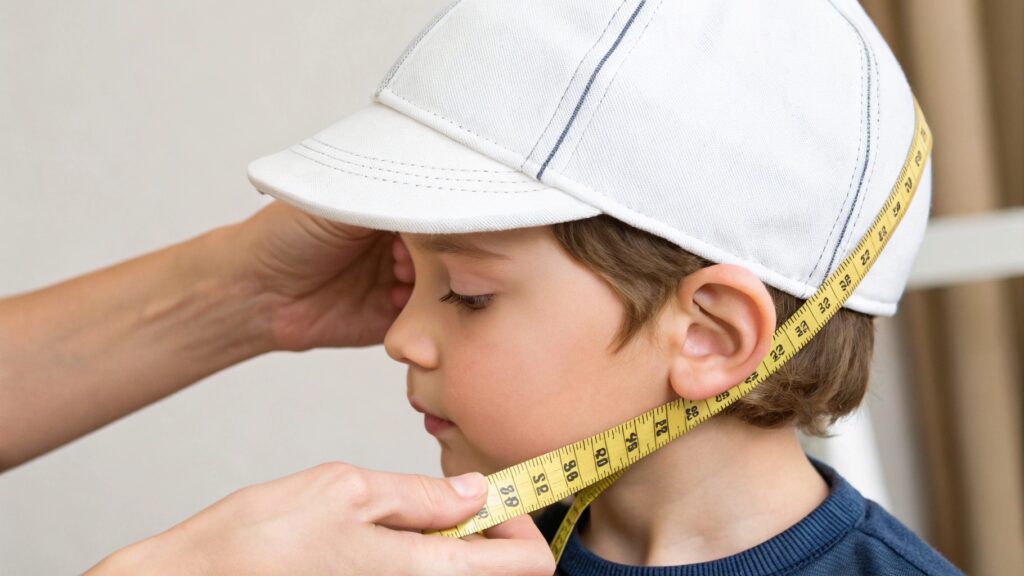
Getting the correct measurement is the most important step. Without it, you are just guessing, and a guess rarely results in a hat that stays on a child's head during play. I recommend using a tailor's cloth measuring tape. If you do not have one, a simple piece of non-stretchy string or a ribbon works just as well; you just need to mark it and measure the length with a ruler later. The key is finding the correct spot on the head. You want to measure the crown, which is the largest part of the head where the hat naturally rests. This line goes from the middle of the forehead, just above the eyebrows, over the top of the ears, and meets at the center-back of the head, right on that small ridge of the skull. The tape must be level all the way around. Make sure the tape is snug so the hat will not fly off in the wind, but not so tight that it leaves a mark on the skin. I always tell parents: Measure twice. If the measurement is between sizes on a brand's chart, you should always select the next size up. Children's heads grow fast, and the extra room allows for that. A slightly loose cap with an adjustable strap is much better than a tight cap that causes discomfort. This small effort ensures comfort for the child and a much better return on investment for the parent.
How to Choose the Right Baseball Cap?
Are you confused about choosing the perfect baseball cap that is durable, comfortable, and truly represents your child's style? Many factors matter besides size.
To choose the right baseball cap, you should prioritize durability with reinforced stitching and a firm visor, breathability using materials like cotton, and UV protection. A cap should also align with the child's style, making it a proud statement of their identity rather than just a functional necessity.
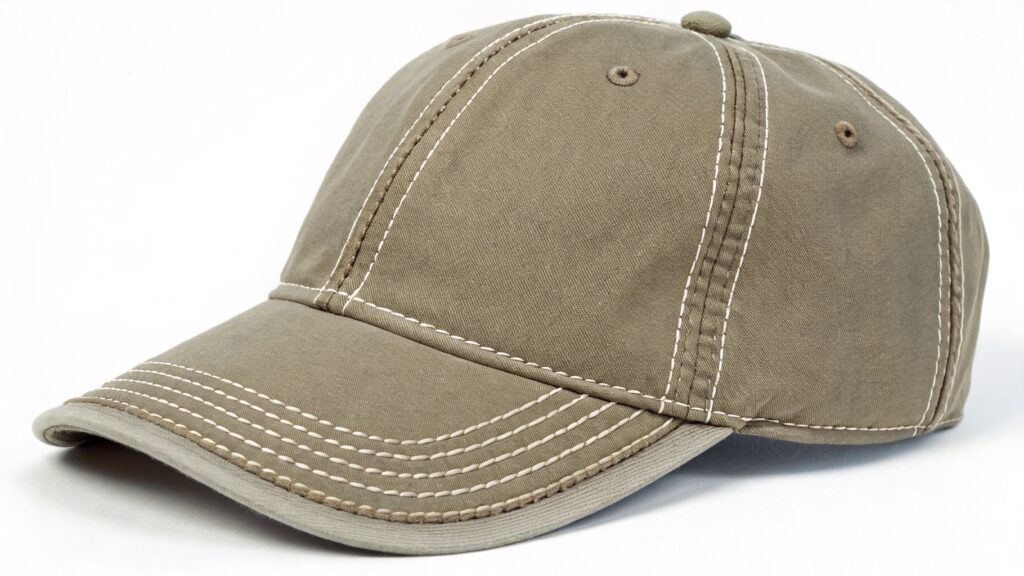
Choosing the right cap goes far beyond just size and color. From a production view, I know that the small details make a huge difference in how long a cap lasts and how much a child enjoys wearing it. For active kids, a cap must handle being thrown, crushed into a backpack, and washed repeatedly. So, what should you look for? First, check the brim. It should have sturdy, even stitching to keep its shape and properly shield the eyes from the sun. A flimsy brim is a sure sign of poor quality. Second, look at the material and ventilation. A cap should use a breathable fabric and have embroidered eyelets to let heat escape. A trapped-heat cap is a cap that will be ripped off after five minutes of play. Third, consider the inner sweatband3. It should be soft and absorbent to wick away moisture, keeping the child cool and preventing irritation. Beyond the practical points, the cap is an expression of the child's identity. If it features a logo or design they love, they will wear it with confidence. The cap is a small but powerful symbol of their interests and belonging. A smart brand designs a cap that not only performs well under the sun but also serves as a small, personal banner for the child. This creates a powerful and long-lasting connection between the child, the product, and your brand.
| Selection Factor | Feature to Look For | Reason for the Child |
|---|---|---|
| Protection | Wide, curved, reinforced visor. | Keeps the sun out of my eyes during play. |
| Comfort | Breathable cotton fabric with ventilation eyelets. | Keeps my head cool and does not itch. |
| Durability | Strong, even stitching on all seams and panels. | The cap will not break when I play rough. |
| Style/Identity | A logo, color, or graphic that reflects their favorite team or show. | I look cool, and it shows what I like. |
Conclusion
Finding the perfect kid's baseball cap requires you to measure the head and focus on quality, breathability, and style. A well-chosen cap provides sun protection and is a durable, daily expression of your child's unique identity.