Is Printing Your Own Custom Logo T-shirt Just Branding, or is it a Wearable Story?
Are you tired of plain, forgettable apparel? Problem: Generic shirts fail to tell your brand story. Agitation: This makes your message weak. Solution: Create a custom logo T-shirt to build a wearable identity.
A custom logo T-shirt is a powerful storytelling tool that turns your brand identity into a wearable statement, connecting with your audience through quality, design, and authenticity, which is much more impactful than standard promotional items. The best shirts go beyond a simple logo; they capture your brand's true personality.
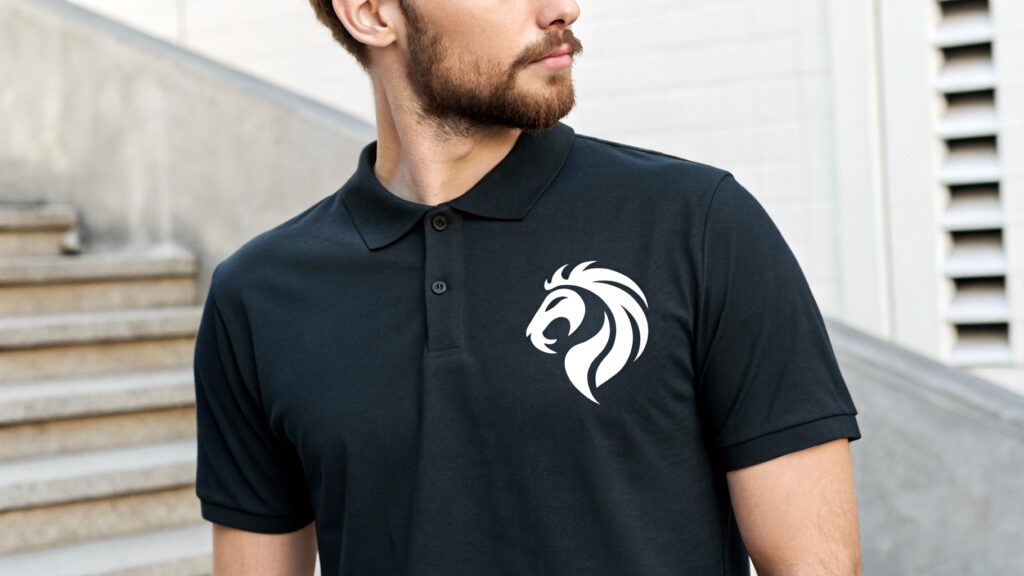
When I was working on the production floor, I saw countless designs come through, but only a few really stood out. The ones that made a lasting impression were not the most expensive or complicated; they were the ones with intention. I realized that putting a logo on a shirt is the easy part. The hard, important part is making that shirt something people actually want to wear. I want to show you how to move past just slapping a logo on a shirt and start creating a piece of authentic, valuable brand apparel.
How Do I Make My Own Logo for a Shirt, Not Just a Design?
Struggling to create a logo that lasts? Problem: Many logos look good on screen but fail on fabric. Agitation: This leads to a weak, forgettable final product. Solution: Design with the shirt's texture and color in mind.
You make a great logo for a shirt by focusing on simplicity, scalability, and color contrast1, ensuring the design is easily recognizable from a distance and translates well onto various fabric textures without losing its impact, which is a key part of maintaining brand consistency.
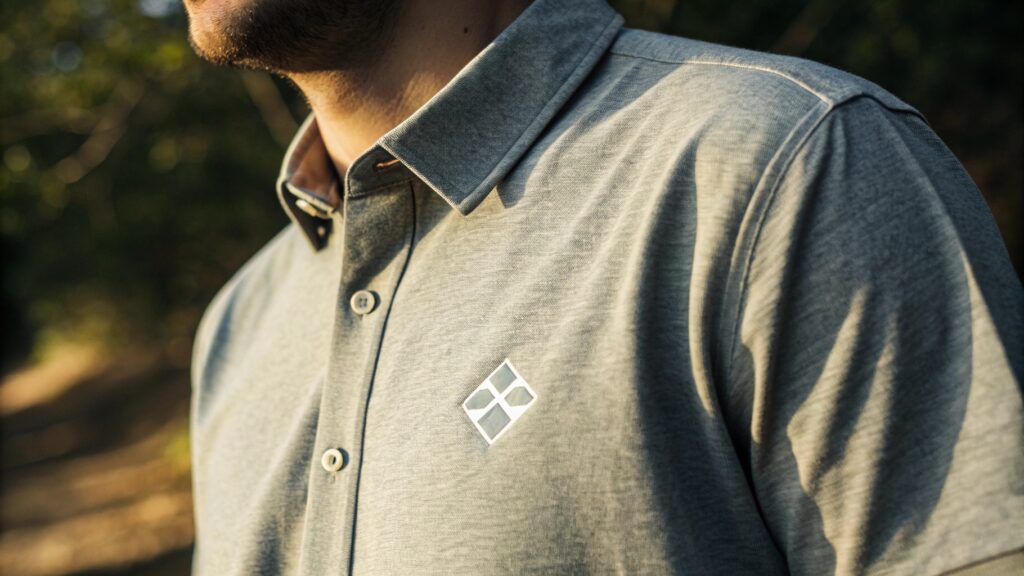
Designing a logo for a T-shirt is completely different from creating a logo for a website or a business card. I have learned that fabric is not paper. A logo that looks detailed on a glossy screen might become a messy blob on cotton. The real secret is to design for the medium. You must keep the design simple. Complex details can get lost or, worse, bleed into each other during the printing process. When I am helping a client, I always suggest using a vector format (like AI or EPS files) because you can scale it endlessly without losing quality. This means the same logo file can be used on a small shirt pocket or a large back print. Color choice is also critical. A good logo uses color that has high contrast with the shirt's fabric. If you are using a dark shirt, you need a bright, bold color for the logo. If your brand is about a handmade, authentic feel, you might even consider a logo with a slightly distressed or intentionally imperfect look. This is the authenticity that people connect with now. The final logo must not just look nice; it must feel right when it is worn.
The Three Steps to a Successful T-shirt Logo
| Step | Focus Area | Key Consideration for Printing |
|---|---|---|
| Simplicity | Shape and Line Weight | Avoid thin lines and complex gradients; they often fail. |
| Scalability | File Format | Always use Vector files (AI, EPS) for sharp, clean edges. |
| Connection | Brand Personality | Does the logo feel genuine and truly reflect the "why" of your brand? |
Remember that your logo is a piece of art that people are wearing in public. It needs to be clear, memorable, and strong enough to stand alone as a statement. You must always think about the feeling you want the person wearing the shirt to have.
What is it Called When You Print an Image on a Shirt, and Which Method is Best?
Confused by all the printing terms? Problem: Not knowing the methods means you choose the wrong one for your needs. Agitation: This results in poor quality and wasted money. Solution: Understand the three core printing techniques.
The general term for putting a design on a shirt is custom garment decoration or T-shirt printing, covering techniques like screen printing2, direct-to-garment (DTG), and heat transfer, with the "best" method depending on the required color depth, order quantity, and desired feel of the final product.
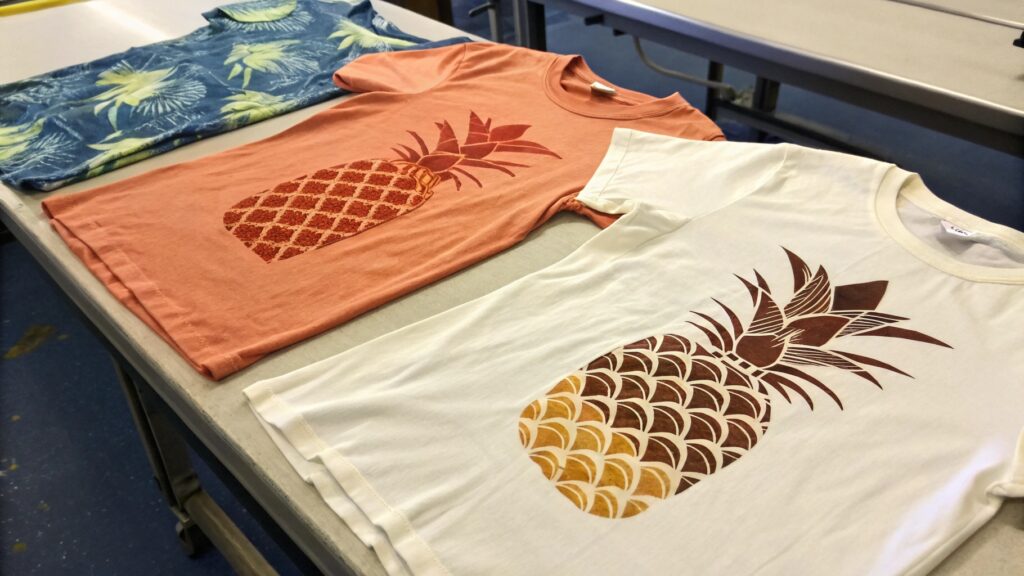
The printing method you choose is just as important as the logo itself. It dictates the look, feel, and durability of your shirt. I always tell people there is no single "best" method; there is only the best method for your goal. For a manager like Jacky, who is focused on quality and detail, choosing the wrong method can ruin a strategic marketing campaign. The three main methods all have their own personality and best use case. Screen printing is the classic. It pushes thick ink through a mesh screen. I love it because it gives a bold, bright, and incredibly durable result. It is perfect for large orders that need color consistency. However, it gets costly with many colors. Then you have Direct-to-Garment (DTG) printing. This is like a giant inkjet printer for shirts. DTG is the choice for photorealistic images, high-color designs, and artistic nuance. It is great for small batches or one-off designs because there is almost no setup time. Finally, there is Heat Transfer (often vinyl or digital transfer). This method uses heat and pressure to apply the design. It is fast, flexible, and great for names, numbers, or very small, complex orders. You must weigh the pros and cons of each method against your budget and the life you want your shirt to have.
The Three Main T-Shirt Printing Methods
| Method Name | Key Advantage | Best For | Typical Feel on Fabric |
|---|---|---|---|
| Screen Printing | Highly Durable, Vibrant Colors | Large Volume Orders, Simple Logos | Slightly thick, like a smooth layer of plastic. |
| Direct-to-Garment (DTG) | High Detail, Unlimited Colors | Small Orders, Complex/Photographic Designs | Soft, almost blended into the fabric. |
| Heat Transfer | Low Setup Cost, Flexibility | Very Small Batches, Names/Numbers | Thin, sometimes a slight vinyl feel. |
You should ask your supplier to see samples of each method on your chosen fabric. Feeling the finished product is the only way to know for sure which one will tell your story best.
How to Transfer a Printed Image onto Fabric for the Highest Quality and Longevity?
Want a print that lasts forever? Problem: Prints that peel or fade after one wash hurt your brand image. Agitation: This makes your company look cheap and unreliable. Solution: Focus on proper pre-treatment and curing.
To ensure the highest quality and longevity, the best transfer methods involve pre-treating the fabric to accept the ink and then using proper heat curing to permanently bond the ink to the fibers, which is critical for preventing fading and cracking, especially when using DTG or screen printing techniques.
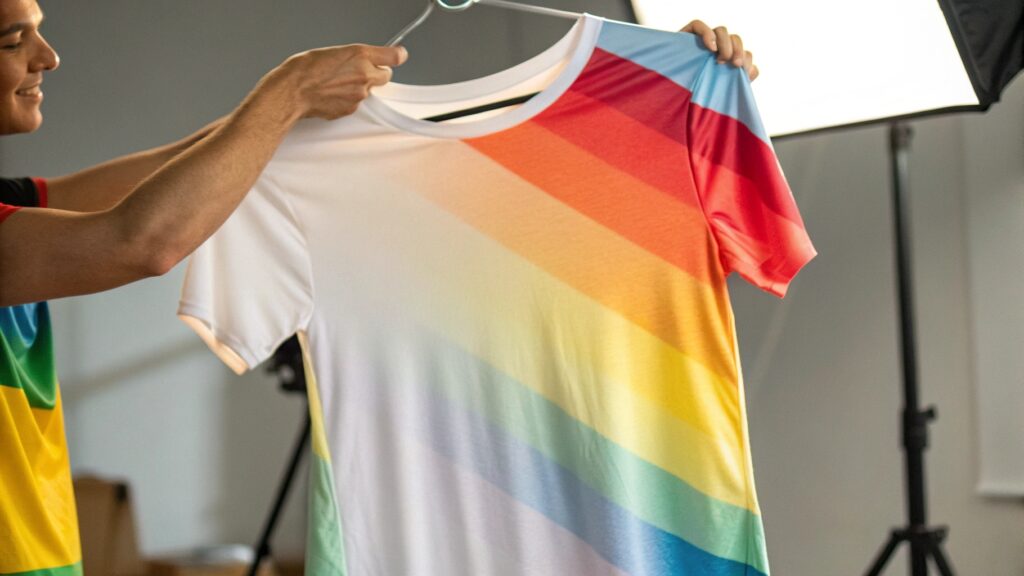
Longevity is where the craftsmanship really shows up. I have seen so many beautiful designs fail because the printer skipped a step or rushed the curing. For both screen printing and DTG, the ink is basically a liquid that needs to be permanently dried and locked into the fabric. This process is called curing3, and it is done using a very hot industrial dryer or a strong heat press. If the ink is not cured at the exact right temperature for the correct amount of time, it will peel off in the first wash. This is the main reason why home-printed shirts almost never last. In my professional life, I stress the importance of pre-treatment. With DTG printing, the shirt fabric must be treated with a special solution before the ink is applied. This pre-treatment helps the ink bond to the cotton fibers and makes the colors vibrant, especially on dark shirts. Without it, the ink just soaks in and looks dull. For screen printing, the ink type itself (like plastisol or water-based) plays a big role in longevity. Plastisol is thick and durable, while water-based ink gives a softer, more vintage feel that naturally fades a little over time, which can also be an intentional choice for a certain brand aesthetic. The real quality comes from a supplier who pays attention to these crucial technical details, not just the printing itself. You need a partner who sees your T-shirt not as a disposable item, but as a long-term representative of your brand.
Key Factors for Print Longevity
| Factor | Function | Why It Fails Without It |
|---|---|---|
| Pre-Treatment | Helps DTG ink stick to dark fabrics. | Ink will bleed, soak in, or wash out easily. |
| Curing Temperature | Permanently bonds the ink to the fibers. | Print will crack and peel off after one or two washes. |
| Fabric Quality | Provides a stable base for the print. | The shirt shrinks, distorting the logo and print. |
You must ask your supplier exactly how they cure their prints and if they use fabric pre-treatment for DTG. This shows you are serious about quality.
Conclusion
A custom logo T-shirt is a potent piece of wearable marketing. You must focus on a simple, scalable logo and choose a method like screen printing or DTG with proper curing to ensure your story lasts.