Is it healthier to drink out of glass or stainless steel?
Are you unsure which water bottle is best for your health? The wrong choice might leave you with a strange aftertaste or a fragile bottle.
Both glass and stainless steel are healthy choices for a water bottle. Glass is best for a pure taste and has no risk of chemical leaching. Stainless steel is best for durability and keeping drinks hot or cold. The healthiest choice depends on your needs, but both are much better than plastic.
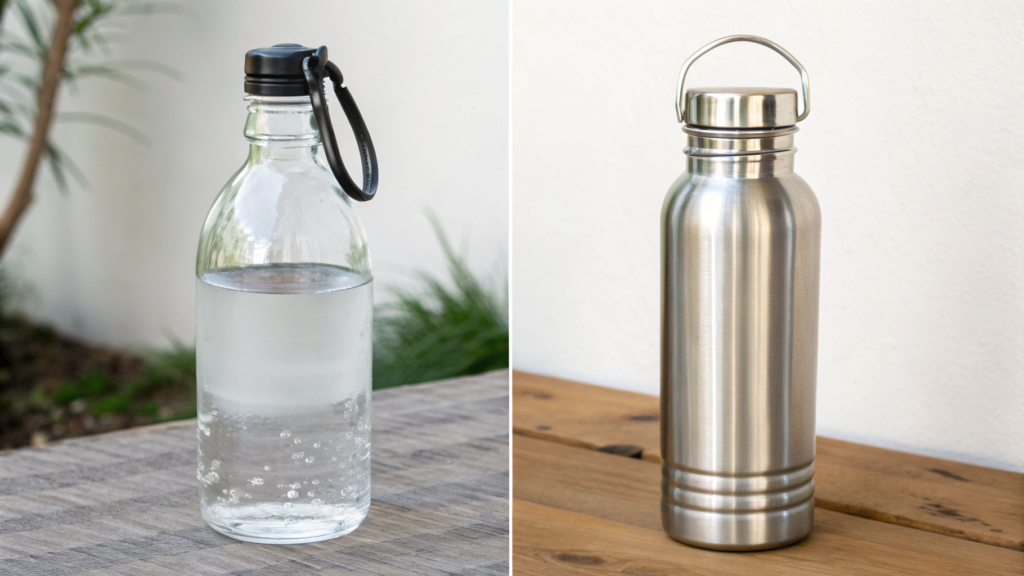
I've been in the corporate gifting business for a long time, and I've seen the shift from plastic to reusable bottles. My clients often ask me which material is better. The answer is not simple. Both glass and stainless steel have pros and cons. The important thing is to know what you are looking for in a bottle. Let me break down the facts so you can choose the best bottle for you or your clients.
Is glass healthier than stainless steel?
You are worried about chemicals leaching into your drink. You want to know if glass is the safest material to drink from.
Glass is generally considered healthier than stainless steel because it is chemically inert. This means it will not react with any liquids, no matter how acidic. Glass does not hold onto flavors or odors, so your drink will always taste clean. High-quality glass, like borosilicate glass, is also resistant to breaking from temperature changes.
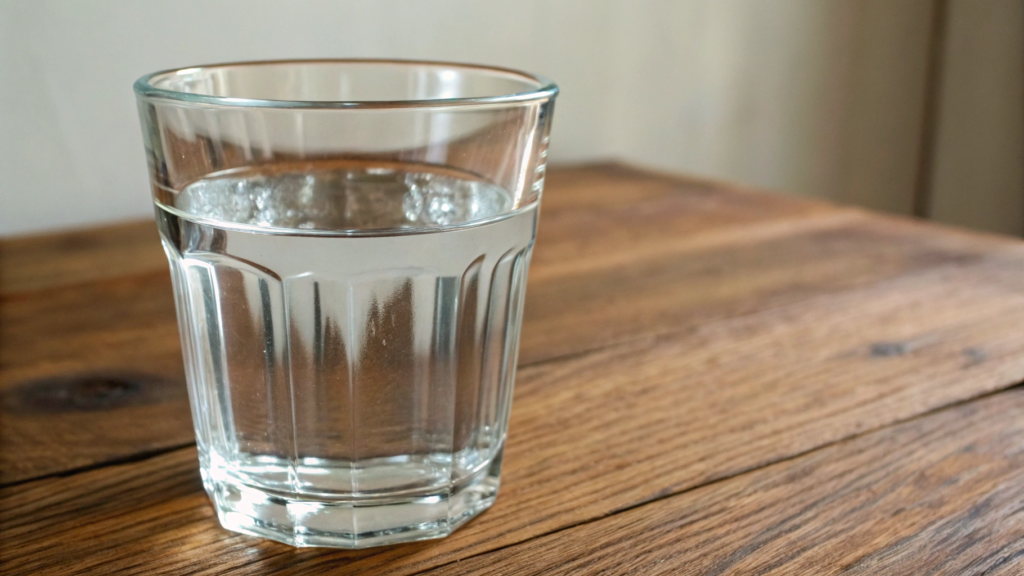
I've learned that for people who are sensitive to taste, glass is the only way to go. You can put coffee in a glass bottle in the morning and then water in the afternoon, and the water will taste fresh. There will be no aftertaste at all. Glass is a very clean material. For a brand that wants to give a gift that focuses on purity and health, a glass bottle is a great choice. It shows that the brand is committed to quality. However, glass is fragile. It can break if dropped. This is a big downside for a corporate gift1. You want a gift that will be used for a long time, and a fragile item might not last. This is why you must consider how the person will use the bottle.
What are the main health and safety aspects of glass bottles?
| Health Aspect | Description | Why It Is a Key Feature |
|---|---|---|
| Chemically Inert | Glass does not react with liquids, so it will not leach chemicals into your drink. | It ensures that your drink is free from any potential contaminants from the bottle itself. |
| Flavor Neutral | It does not hold onto flavors or odors from past drinks. | Your water will always taste pure and fresh, no matter what you had in the bottle before. |
| Easy to Clean | The smooth surface of glass makes it easy to wash and sterilize. | It prevents the buildup of bacteria, which is important for health and hygiene. |
| Transparency | You can see the liquid inside, so you know when to refill and can check for cleanliness. | It provides a clear visual check that the bottle is clean and ready to use. |
For a marketing manager like Jacky, who values high-quality and well-designed gifts, a glass bottle with a protective silicone sleeve would be a good choice. It offers the health benefits of glass while also being a bit more durable.
What is the healthiest material to drink out of?
You are looking for the absolute healthiest material for a water bottle. You want to be sure you are not taking any risks with your health.
The healthiest material to drink out of is glass. It is a non-porous and non-toxic material. It does not contain any chemicals like BPA2 or BPS that can be found in some plastics. It also does not have the risk of releasing trace metals that some stainless steel can under extreme conditions. For daily use, a high-quality stainless steel bottle is also a very healthy option.
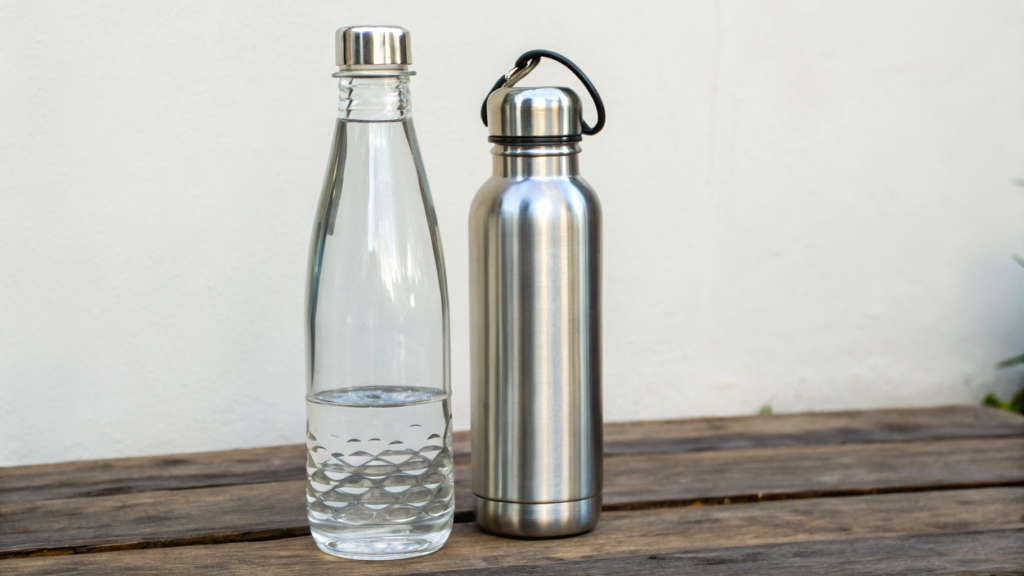
I've found that when people think about health, they think about chemicals. Glass is the most inert material you can find for a bottle. It is made from natural materials and is not porous. This means nothing goes into your drink from the bottle. I tell my clients that if their brand is all about health and wellness, a glass bottle is a great gift. It sends a clear message that their brand is committed to purity. However, for a gift that needs to be durable and travel-friendly, a stainless steel bottle is also an excellent choice. The health risks from high-quality stainless steel are very low. The most important thing is to choose a high-grade stainless steel like 18/8 (304) or 316. These grades are food-safe and very resistant to rust and corrosion.
What should you look for to ensure you have the healthiest bottle?
| Factor | Description | Why It Is Important |
|---|---|---|
| Material Grade | Look for 18/8 (304) or 316 stainless steel, or borosilicate glass. | These are the highest food-safe grades and ensure the best quality and health. |
| No Plastic Liners | Avoid metal bottles that have a plastic lining on the inside. | The plastic can degrade over time and leach chemicals into your drink. |
| No Pitting or Scratches | Replace any bottle that has visible scratches or pitting on the inside. | These marks can create places for bacteria to grow or for trace metals to leach. |
| Regular Cleaning | Wash your bottle and lid thoroughly after each use. | This is the most important step to prevent the growth of germs and ensure the bottle is healthy to use. |
For a corporate gift, both glass and high-grade stainless steel are good options. The choice depends on the brand's message. If the brand is about durability3 and performance, stainless steel is a great fit. If the brand is about purity and natural living, glass is the better choice.
Is all glass safe to drink from?
You have decided to go with a glass bottle. You are not sure if all glass is safe to use for a water bottle.
Not all glass is safe for drinking. The safest glass to drink from is borosilicate glass. This type of glass is highly resistant to temperature changes and is less likely to break. Other types of glass can be fragile and might not be safe for hot liquids or sudden temperature shifts. Always look for a bottle made from high-quality borosilicate glass.
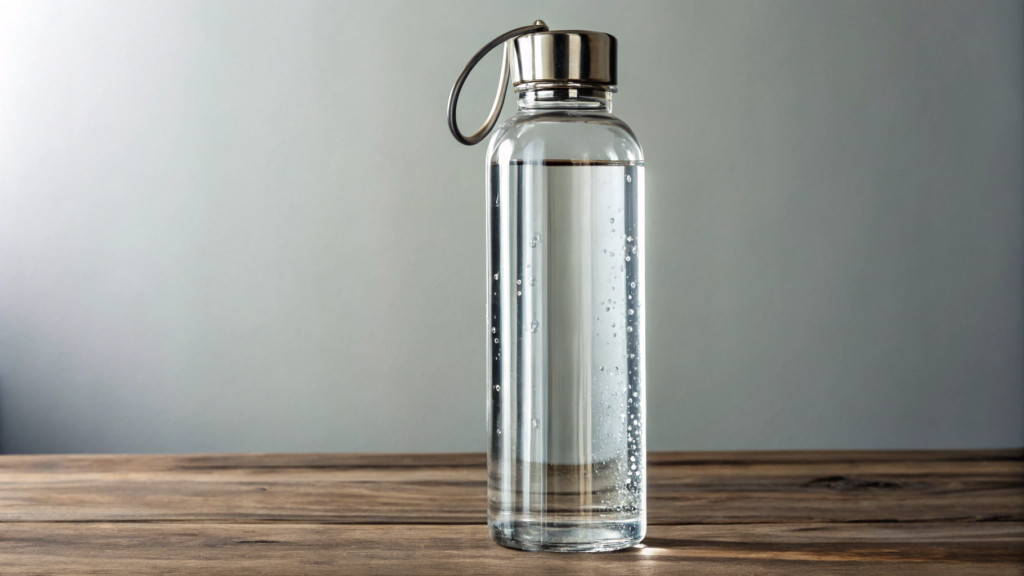
I’ve seen many glass bottles on the market, but they are not all the same. The glass in a simple drinking glass is not the same as the glass in a high-quality water bottle. Borosilicate glass is what is used in lab equipment and cookware. It is a very strong and stable type of glass. It can handle boiling water and freezing temperatures without breaking. This makes it a great choice for a water bottle. For a brand that wants to give a safe and durable glass gift, borosilicate glass is the only way to go. It shows that you have done your research and you care about the safety of the recipient.
What are the main benefits of borosilicate glass?
| Benefit | Description | Why It Is a Good Choice for a Gift |
|---|---|---|
| Thermal Shock Resistance | It can handle sudden changes in temperature without cracking or breaking. | This allows the user to put hot and cold liquids in the bottle safely. |
| Durability | It is much stronger and more resistant to impact than regular glass. | It makes the bottle more practical for daily use and less likely to break. |
| Lightweight | It is lighter than other types of glass, making the bottle easier to carry. | This makes the bottle more comfortable for the user to take with them on the go. |
| Purity | It is an extremely non-porous and non-toxic material. | It ensures the purest taste and the safest drinking experience. |
For a marketing manager like Jacky, a borosilicate glass bottle with a nice branded sleeve would be a perfect gift. It is a stylish, safe, and modern choice. It shows that his company is innovative and thoughtful.
Conclusion
Both glass and stainless steel are healthy choices for water bottles. Glass is best for purity and taste, while stainless steel is best for durability and insulation. The choice depends on your needs.
-
Glass bottles convey a message of quality and health, making them thoughtful gifts for clients and employees. ↩
-
Understanding BPA's risks helps consumers make informed choices about their health and safety. ↩
-
Durability is key for long-term use, ensuring your drinking bottle withstands daily wear and tear. ↩