Is a Canvas Bag Truly Eco-Friendly, and What Makes It Sustainable?
Are you questioning if swapping plastic for a canvas bag is genuinely helping the environment? Stop falling for simple green labels. Understand the full lifecycle to determine true eco-friendliness.
A canvas bag is truly eco-friendly only when it is reused consistently over a long period to offset its production footprint. Canvas made from organic or recycled cotton is the most sustainable choice because it minimizes water and pesticide use. Its durability allows it to replace hundreds of disposable plastic bags, making sustainability a behavior, not just a label.
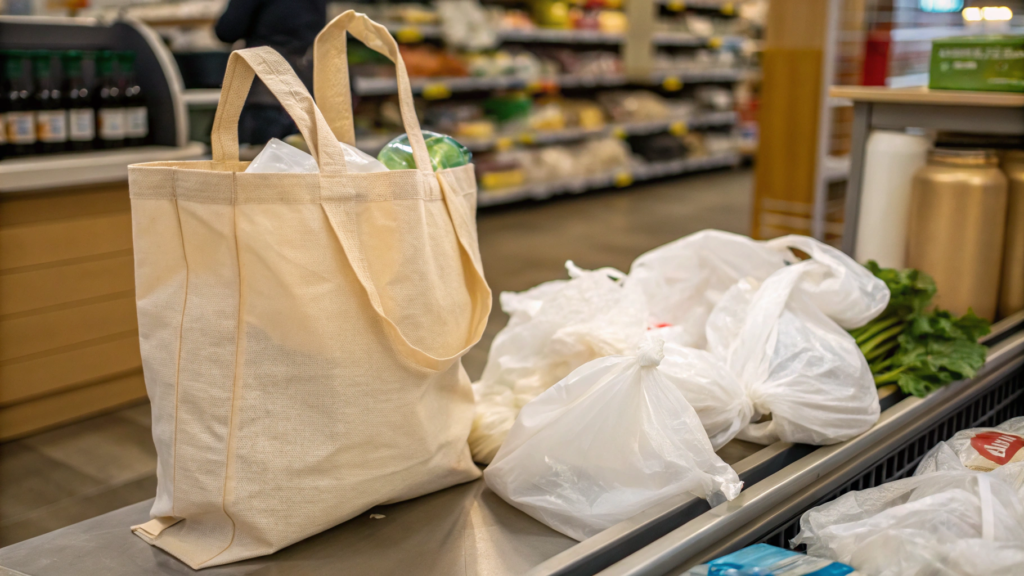
I've learned that in the gifting industry, the term "eco-friendly" is often overused. For a marketing manager like Jacky, who prioritizes eco-friendly materials, the real challenge is finding products that offer authentic sustainability, not just a label. The canvas bag has become a quiet rebellion against disposable culture. Let's look at the facts—its sustainability lies not just in the material, but in its purposeful design and long-term use.
Is a Canvas Bag Truly Eco-Friendly?
Do you wonder if the production process for cotton cancels out the bag's environmental benefits? Stop ignoring the supply chain. Focus on the raw material choice and the necessity of long-term reuse.
A canvas bag is truly eco-friendly when it is made from organic cotton, which minimizes harmful pesticide and water consumption. Its sustainability is realized only through prolonged reuse—experts suggest a cotton bag needs to be used over 100 times to have a lower environmental impact1 than a single-use plastic bag, making durability a key factor.
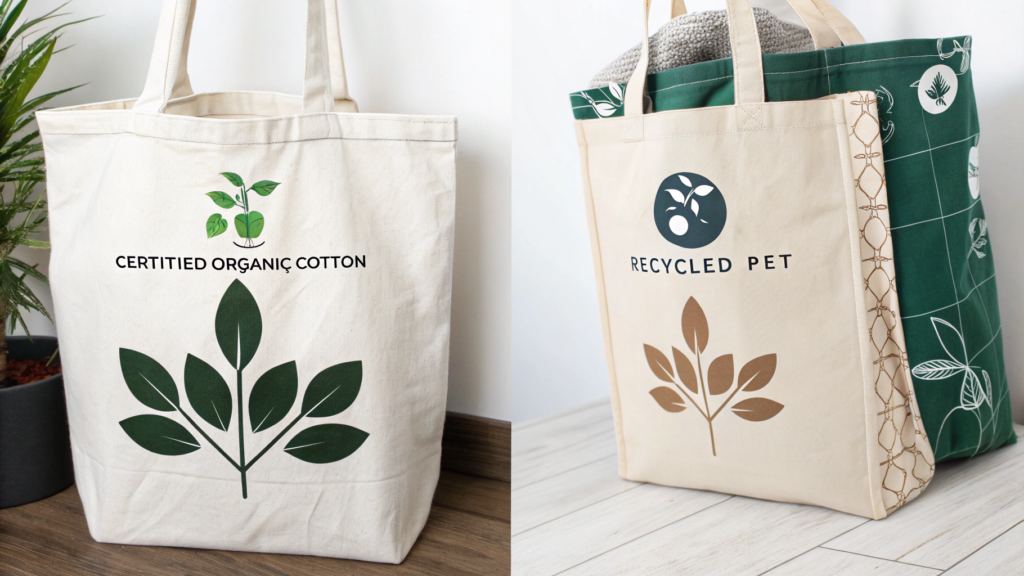
My view is that true eco-friendliness goes deeper than simply swapping one material for another. While canvas, typically made from cotton, is biodegradable and durable, cotton farming has a significant environmental footprint, requiring large amounts of water and often pesticides. This initial impact means the canvas bag must have a long working life to be sustainable. Therefore, the real eco value emerges only when the bag becomes part of a daily habit and is reused hundreds of times. This is where brands can make a difference. By focusing on durability, natural dyes, and ethical sourcing—features like sturdy stitching and heavier-weight canvas—brands ensure the bag lasts. Jacky's commitment to eco-friendly materials should lead him toward organic or recycled cotton canvas. Organic cotton cultivation dramatically reduces pesticide use and can lower water consumption, reducing the bag's environmental cost right from the start. The most "eco" canvas bag isn't necessarily the trendiest; it is the one that quietly lasts, encourages mindful consumption, and reminds us that sustainability2 is a behavior, not just a label on a gift.
| Tertiary Heading Example | Sustainability Factor | Environmental Impact Reduction | Brand Storytelling Focus |
|---|---|---|---|
| Material Choice | Organic Cotton | Eliminates harmful pesticides, reduces water use | Commitment to clean agriculture and health |
| Durability Requirement | Heavy-weight Canvas | Ensures 100+ reuse cycles | Focus on longevity and quality |
| Design Feature | Natural/Low-Impact Dyes | Reduces water pollution from chemical runoff | Authenticity and simplicity in design |
What is the Most Eco-Friendly Bag Material Available Today?
With so many "green" bag options, are you unsure which material provides the smallest ecological footprint? Stop guessing among the different sustainable materials. Compare the best options based on their resource utilization.
The most eco-friendly bag material available today is generally certified organic cotton or recycled PET (rPET), depending on use. Organic cotton is renewable and compostable, minimizing farming chemicals. rPET (made from recycled plastic bottles) minimizes the use of virgin resources and actively removes plastic waste from the environment, making it a strong choice for durability.
When assessing the environmental impact, you must look at the entire lifecycle of the material. For natural fibers, organic cotton is better than conventional cotton. It supports soil health and uses less water. For synthetic materials, recycled PET (rPET) is an excellent option because its production requires less energy than making new polyester, and it repurposes plastic that would otherwise pollute landfills and oceans. This upcycling aspect of rPET is a powerful narrative for a brand. Another strong choice is jute or hemp, which are highly sustainable natural fibers that require little water and no pesticides to grow. Jute and hemp are also completely biodegradable. The "best" choice is truly a strategic decision for a manager like Jacky. If the company's brand story is about supporting small-scale farming and being completely natural, organic cotton or jute is the answer. If the story is about modern solutions to the plastic crisis and high-tech durability, rPET is the superior choice. The real lesson is that sustainability is about intentional design—selecting the material that most effectively reduces environmental harm based on its source and its intended long-term use.
| Tertiary Heading Example | Material Type | Primary Eco-Benefit | Best Gifting Story |
|---|---|---|---|
| Natural Fiber | Organic Cotton | Low chemical footprint, renewable, compostable | Authentic, simple, back-to-nature lifestyle |
| Upcycled Synthetic | Recycled PET (rPET) | Removes plastic waste, conserves virgin resources | Modern solution to the plastic crisis, durability |
| Low-Resource Crop | Jute/Hemp | Requires minimal water and no pesticides to grow | Responsibility and high natural durability |
Which is Better, a Nylon or a Canvas Bag, for Longevity and Branding?
Are you deciding between the light weight of nylon and the classic feel of canvas for your next promotional bag? Stop trading off durability3 for aesthetics. Compare the two materials based on their strength and branding potential.
Canvas is generally better than nylon for long-term branding and natural feel, while nylon is superior for waterproof utility. Canvas, especially heavy-weight cotton, is more durable, ages better, and offers a more organic, authentic texture for premium printing. Nylon is lighter, more resistant to mold, and provides excellent water resistance, making it ideal for travel or outdoor use.
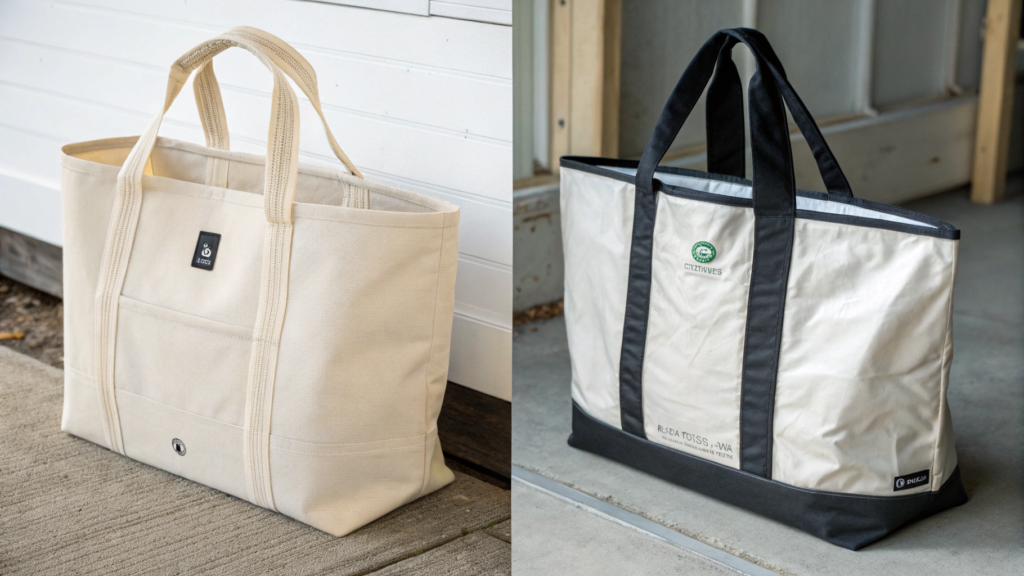
In the world of corporate gifts, the material choice speaks to the brand's style. Canvas offers a timeless look and a tactile honesty that resonates with consumers who value authenticity. It accepts high-quality customization—like screen printing or embroidery—very well, which means your logo looks sharp and premium. Its durability and organic texture align with a lifestyle tool, not just a marketing badge. Nylon, being a synthetic polymer, excels in functionality. It is lighter, typically more affordable for mass production, and it is naturally water-resistant. This makes it the better choice for something like a gym bag, travel kit, or a very large event where weight and water protection are primary concerns. However, nylon can feel less substantial and often requires a specific type of heat transfer printing that may not look as high-end as the print on canvas. For Jacky, who seeks high-quality design, canvas is the superior choice for brand perception and longevity. A canvas bag that develops a slight patina and softens with use tells a much richer story of enduring quality. Nylon's value is purely functional; canvas's value is both functional and symbolic.
| Tertiary Heading Example | Canvas (Cotton) | Nylon (Synthetic) | Branding Implication |
|---|---|---|---|
| Aesthetic & Feel | Organic texture, heavy, classic | Smooth, lightweight, artificial feel | Symbolizes authenticity and quality |
| Durability/Aging | High tear resistance, ages gracefully | High abrasion resistance, less prone to mold | Focuses on longevity of the brand message |
| Water Resistance | Low, absorbs water, takes time to dry | High, quick-drying, fully water-resistant | Better for daily carry versus outdoor/gym use |
Conclusion
Write a conclusion that summarizes the entire text (max 30 words).
A canvas bag is sustainable when made from organic cotton and reused hundreds of times. I recommend prioritizing organic canvas for its durability and authentic texture, as sustainability is a purposeful behavior, not a simple label.