How often should you replace reusable grocery bags?
Have you ever wondered if your reusable grocery bag is still safe to use? We all want to be green. But an old bag can be a health risk.
You should replace reusable grocery bags when they show signs of wear, such as holes, frayed handles, or persistent odors. There is no set time frame. The lifespan of a bag depends on its material and how you use it. You must also replace them if they have been contaminated with raw meat and cannot be properly cleaned. Regular washing and inspection are key to making them last longer.
I have always believed in doing things right. This means finding a balance between being good for the planet and being safe. I see many people using the same old bags for years. They do not think about cleaning or replacing them. This can be a problem. My goal is to help you understand the simple rules for keeping your bags clean and knowing when to say goodbye. It is about being smart and safe.
How many times do you need to reuse your reusable grocery bags1?
You might think that using a bag just a few times is enough. But is it? Many people just use them until they fall apart.
You should reuse your reusable grocery bags as many times as possible before replacing them. The goal is to get the most use out of each bag to reduce waste. For example, a cotton bag needs to be used at least 131 times to have a lower carbon footprint than a plastic bag. A non-woven polypropylene bag needs to be used only 11 times. The number of uses depends on the material, but the general rule is to use it until it is no longer safe or functional.
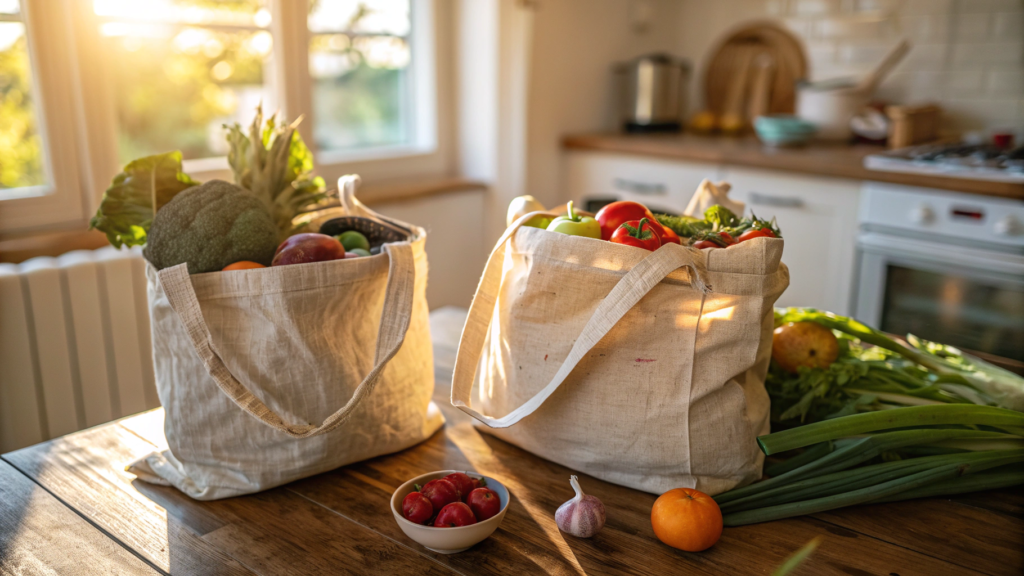
I have seen many different types of bags. I know that their life span changes based on what they are made of. I have worked in this industry for a long time. I have seen how different materials hold up. A thin plastic bag is not made to last. A strong canvas bag can last for years. I think about this like I think about my work clothes. I wear them until they are too old or damaged to use. The same idea applies to bags. The key is to get the most value out of them. Value here means both money and environmental impact. My personal experience has shown me that proper care is more important than a number. If you take care of your bag, it will take care of you. We should not just throw things away. We should try to repair them first. A small tear can be fixed. A big hole means it is time for a new one.
What are the lifespans of different bag materials?
The material of your bag is the biggest factor in how long it will last. Some materials are stronger and more durable. Some are more eco-friendly2.
| Bag Material | Typical Lifespan | Care and Use | Replacement Signs |
|---|---|---|---|
| Non-woven Polypropylene | A few months to a year. | Use for light shopping, store in a cool, dry place. | Worn handles, thin spots, or holes. |
| Woven Polypropylene / Nylon | 1 to 3 years. | Use for heavier items, wipe clean, or machine wash. | Frayed seams, torn fabric, or stretched handles. |
| Cotton / Canvas | 3 to 5+ years. | Machine wash often, tumble dry or hang to dry. | Stains that do not come out, mold, or tears. |
| Insulated Cooler Bags | 1 to 3 years. | Wipe interior with a damp cloth, spot clean exterior. | Cracks in the lining, persistent smells, or tears. |
| Fine Mesh Produce Bags | A few months to a year. | Hand wash and hang to dry. | Holes, stretched mesh, or torn seams. |
How does use and care affect a bag's lifespan?
How you use and care for your bag matters a lot. If you use it for heavy things, it will wear out faster. If you wash it often, it can last longer. It is simple logic. My experience has taught me that simple things make a big difference. For example, I have a specific bag for raw meat3. I keep it separate from other groceries. This prevents contamination. I wash it every time I use it. This simple habit keeps it clean. I have another set of bags for my regular shopping. I rotate them. This gives them time to dry and air out. This prevents smells and mold. It is like managing a small collection. You do not use the same pair of shoes every day. You rotate them to make them last. The same goes for bags. The more you care, the longer they last. I tell my clients this all the time. Proper care is part of the product's life cycle.
Are reusable grocery bags sanitary?
Many people do not think about germs. They put their bags away without cleaning them. This can lead to bacteria growth.
Yes, reusable grocery bags can be sanitary if they are cleaned regularly and properly. Bacteria, especially from raw meat and produce, can live inside bags. Not cleaning your bags can lead to cross-contamination. This can make you sick. The key to keeping them sanitary is to wash them after every use, especially if they have carried raw food. You should also have different bags for different types of food.
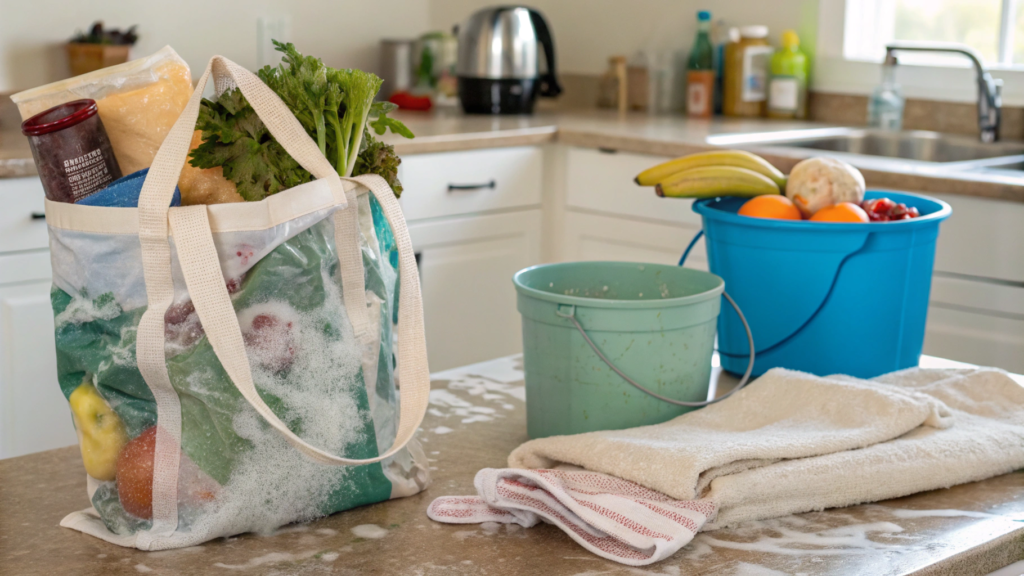
I have seen many dirty bags in my time. I always tell people that a reusable bag is just like a piece of clothing. It gets dirty. You need to wash it. If you do not, germs will grow. This is not just a guess. It is a fact. I learned this from my time working in a printing factory. We had to keep things clean to ensure quality. The same idea applies here. It is about hygiene. You would not use a dirty plate for your food. So why would you use a dirty bag for your groceries? My advice is simple. Make cleaning your bags a habit. You can set a reminder on your phone. You can hang a small note on your fridge. Do something to remind yourself. This one small habit can save you from a lot of problems. It protects you and your family. It is a simple step to be more responsible.
How does contamination happen?
Contamination is the main risk with reusable bags. It happens when germs from one item spread to another. Raw meat is a big source of germs.
| Contamination Source | How It Spreads | How to Prevent It |
|---|---|---|
| Raw Meat / Poultry | Dripping juices contaminate the bag. | Use a separate, designated bag. Place meat in a plastic bag before putting it in the reusable bag. |
| Produce | Soil and bacteria from fruits and vegetables. | Wash the bags after each use. Store produce separately from other items. |
| Spills | Milk, juice, or other liquids can spill inside the bag. | Clean up spills immediately. Wash the bag thoroughly. |
| General Use | Bags pick up germs from carts, checkout counters, and other surfaces. | Wash bags regularly, even if they look clean. |
What are the signs of contamination or structural failure?
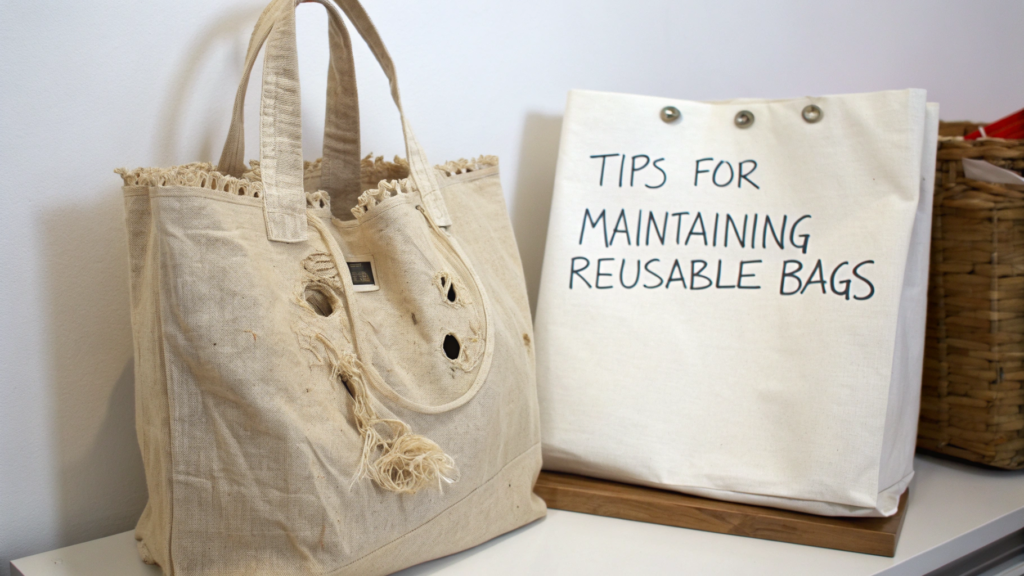
You need to know when a bag is a risk. Some signs are easy to see. Others you have to look for. For me, it is about being proactive. I do not wait for a bag to fall apart. I check it. I learned this lesson from my past jobs. Checking products for flaws before they fail is a good practice. I apply this to my bags. I check the seams. I check the handles. I check the bottom. I look for any odd smells. If a bag smells bad even after washing, it is a sign that bacteria are there. If there are holes, the bag is not doing its job. It can no longer hold items safely. If a stain does not come out, it means the bacteria are likely still there. These are all signs that it is time to get a new one. It is not about wasting money. It is about protecting your health.
How often should you wash reusable grocery bags?
Many people do not wash their bags at all. They just put them away until the next trip. This is a common mistake.
You should wash your reusable grocery bags after every use, especially if they have carried raw food or produce. For general use, washing them once a week is a good practice. Different materials require different cleaning methods. Canvas and cotton bags can be machine washed. Bags made of plastic materials should be wiped down with a disinfectant wipe. Regular cleaning is the most important step to keeping your bags sanitary and extending their life.
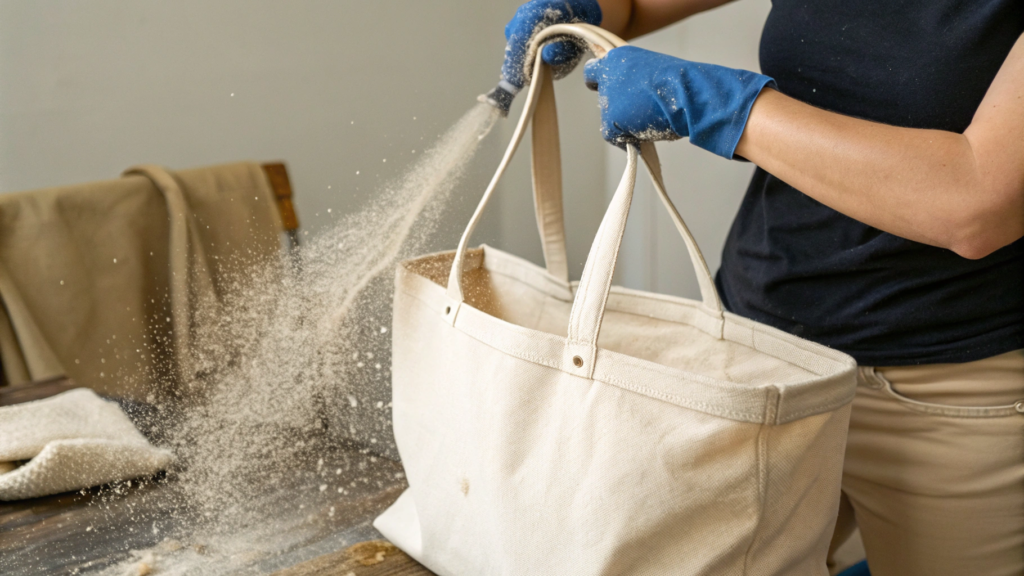
I have seen people use the same bag for months without a single wash. This is not a good idea. I have a simple rule. If you use it, you clean it. I have a system at my home. When I come back from the store, I take the bags out. The ones that need washing go into a laundry basket. The ones that can be wiped get wiped down right away. This simple habit keeps my bags clean and ready to go. My personal experience has taught me that small habits lead to big results. This is true for business and for life. It is not a difficult task. It only takes a few minutes. This small effort gives you peace of mind. You know your bags are clean. You know your food is safe. It is about being smart and responsible. It is a small thing you can do to protect yourself and your family. And this habit also helps the bags last longer. This means you do not have to buy new bags as often.
What are the proper cleaning methods for different bags?
The cleaning method depends on the material. You do not wash a plastic bag the same way you wash a cotton one.
| Bag Material | Cleaning Method | Drying Method |
|---|---|---|
| Non-woven Polypropylene | Wipe with a cloth and mild soap. You can also use a disinfectant wipe. | Air dry. Do not put in the dryer. |
| Woven Polypropylene / Nylon | Hand wash with warm soapy water. Some can be machine washed on a gentle cycle. | Air dry. |
| Cotton / Canvas | Machine wash in hot water with a regular detergent. | Tumble dry or hang to dry. Hot water helps kill germs. |
| Insulated Cooler Bags | Wipe the inside with a cloth and a disinfectant solution. | Air dry completely before storing to prevent mold. |
| Fine Mesh Produce Bags | Hand wash with warm soapy water. | Hang to dry. |
How can a proactive approach save you money and protect your health?
Being proactive means you do not wait for a problem. You prevent it. You inspect your bags for flaws. You clean them regularly. This saves you from having to buy new bags all the time. This is a good way to save money in the long run. It is also the best way to keep yourself healthy. A clean bag does not spread germs. You avoid getting sick. This is a simple logic. My work has shown me that being proactive is always better than being reactive. It is about being smart. It is about thinking ahead. This is true for products and for personal items. My experience has taught me to look at things with a critical eye. I check for flaws. I look for signs of wear. This habit helps me make smart choices. I replace a bag when it is no longer safe. I do not wait for it to break. This is the best way to balance being eco-friendly and being safe.
Conclusion
A reusable grocery bag's life depends on its condition, not a calendar. Inspect for wear, wash regularly, and replace it when it shows signs of damage or persistent contamination for safety and sustainability.