How Can You Turn a Simple Canvas Tote Bag Into a Powerful, Long-Lasting Branding Tool?
Are you looking for a promotional item that gets used every day, not thrown away? Many companies treat the tote bag as just a cheap giveaway. This wastes your brand's potential.
A canvas tote bag should be viewed as compact, durable brand infrastructure, not disposable merchandise. The key is investing in honest materials like organic or recycled cotton, robust construction, and reinforced seams. This focus on high utility and longevity ensures the bag earns a high reuse rate. This turns the tote into a consistently carried brand endorsement that tells a credible sustainability story.
When I started Latitude Experience, I quickly saw a problem. Clients often wanted the cheapest bag possible. I knew this was short-sighted. A cheap bag breaks quickly. It goes straight to the bin. This reflects poorly on the brand. I believe a corporate gift should last. It should be practical. A canvas tote bag is the perfect example of this philosophy. It is low-tech, but its utility is very high. It offers a large, visible surface for your brand. But its success depends on one thing: how often people reuse it. I now help businesses shift their thinking. We move from measuring unit cost to measuring reuse rate. The right canvas tote is not just a carrier. It is a philosophy of durable, thoughtful product design. Let me explain the key elements that transform a simple bag into a branding asset.
What is a canvas tote bag1 and why does its design matter for brand longevity?
Are you confused about what makes a canvas tote different from other bags? This misunderstanding can lead you to choose a weaker material.
A canvas tote bag is a simple, open-top utility bag made from a thick, durable woven fabric2, typically cotton or linen. Canvas is favored for its heavy weight, excellent tensile strength, and firm structure. This construction is vital because the bag’s design and robustness dictate its lifespan. A durable design ensures the bag is used repeatedly, which maximizes your brand's long-term exposure.
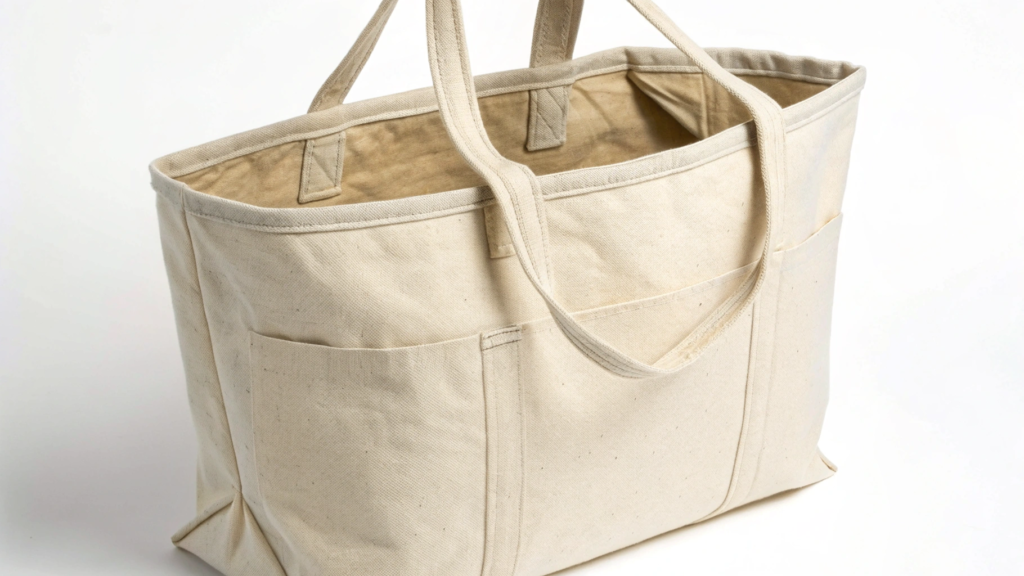
I have always admired products that are simple and functional. The canvas tote is a design classic. Its form perfectly follows its function. But not all canvas is created equal. The material’s weight and weave are the real markers of quality.
The Significance of Fabric Weight and Density
Canvas quality is measured by weight, usually in ounces (oz) or grams per square meter (GSM). A standard promotional tote might use 6 oz or 8 oz canvas. A high-quality, durable tote suitable for long-term branding should use at least 10 oz or 12 oz canvas. This heavier weight makes the bag stand up by itself. It gives the bag a firmer structure. This firmer structure makes your printed logo look better and last longer. I always tell my clients to focus on the density of the weave. A tight, dense weave resists wear and tear much better than a loose one. This dense material is the first step in ensuring the bag has a long life. The weight of the fabric is directly linked to the bag's perceived value. A heavier bag feels more substantial and high-end.
Construction and Repairability as a Brand Statement
Smart brands invest in the construction details. The seams are the weakest point of any bag. A quality tote will have reinforced stitching, especially where the handles meet the bag body. This is crucial for carrying heavy items like books or groceries. I look for double stitching and cross-stitching at these stress points. This focus on robust construction is a quiet brand statement. It says, "We build things to last." This commitment to quality builds trust with the recipient. Furthermore, the best design allows for simple repairs, not disposal. For example, using replaceable handles instead of sewing them permanently. This modular thinking extends the product's life.
Contextual Branding and Reuse Rate
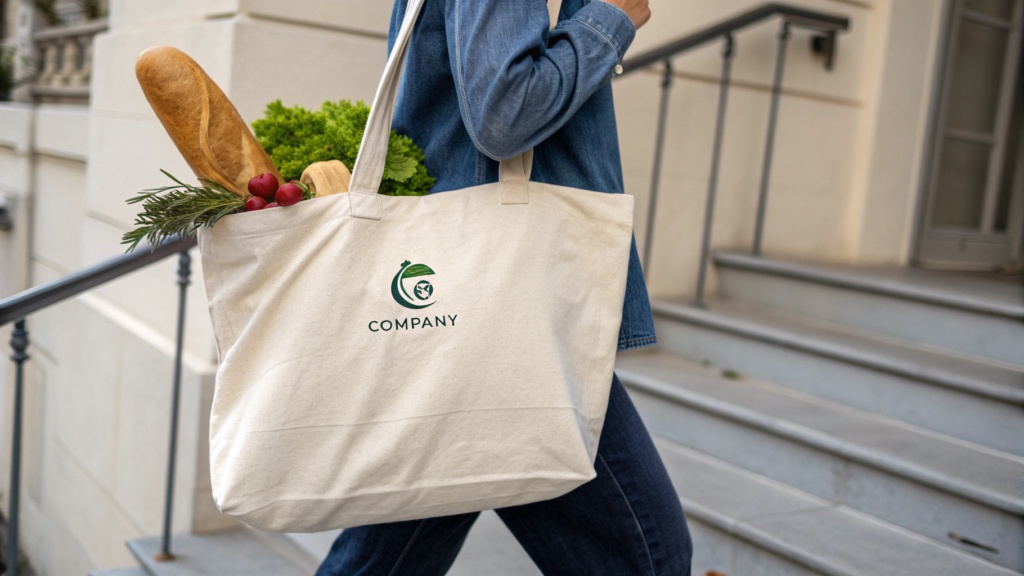
The way you apply your logo affects the reuse rate. A massive, loud logo might make the bag feel like an advertisement. A subtle print, a small leather patch, or a removable tag is often more effective. This thoughtful approach allows the bag to earn a second-hand life. The bag becomes a favorite item, not disposable merchandise. This subtle branding encourages the user to carry the bag everywhere. They become a walking billboard for your brand. My definition of success is the bag’s average lifetime. A tote that is carried for two years is much more effective than ten totes that are thrown away in two months.
| Design Feature | Branding Impact | Longevity Benefit |
|---|---|---|
| 12 oz Canvas Weight | High perceived value; premium feel | Resists tearing and maintains structure |
| Reinforced Seams | Implies quality and reliability | Prevents handles from detaching when full |
| Subtle Logo Placement | Encourages daily, long-term use | Reduces the perception of "disposable merch" |
| Internal Snap Pocket | Increases utility and convenience | Adds modular function; makes the bag more practical |
Is canvas good for tote bags and does it support a sustainability story?
Are you unsure if canvas is the most environmentally responsible choice for your company? The material choice must align with your brand's sustainability goals.
Yes, canvas is excellent for tote bags because its inherent durability makes it a high-reuse item. Furthermore, using canvas made from organic cotton or recycled materials supports a strong sustainability story. Canvas can be repeatedly washed and reused for years, directly reducing the need for single-use plastic or paper bags. This material choice is a credible commitment to reducing waste.
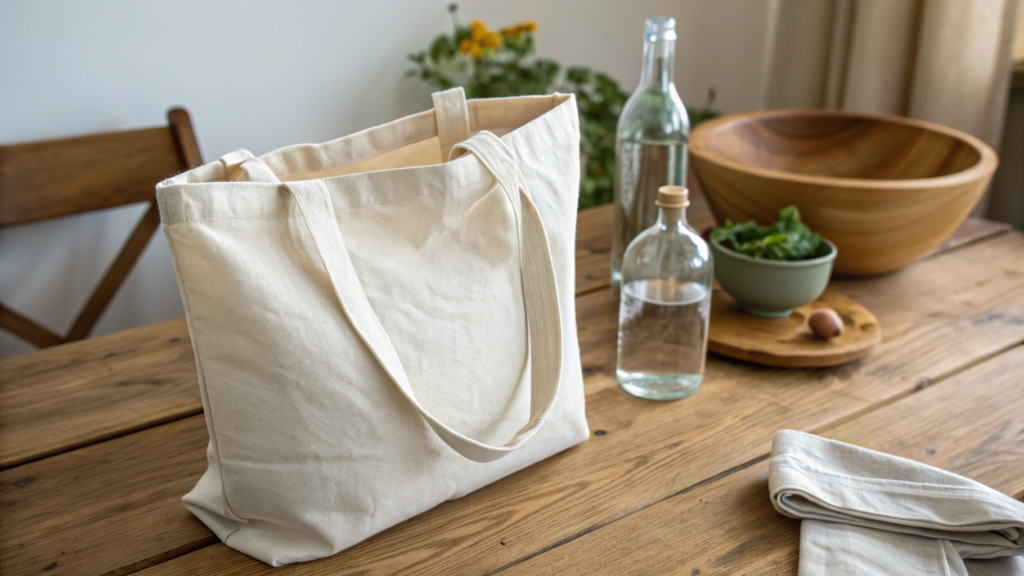
The modern consumer cares about where products come from. They care about how long they last. When I source materials, I look beyond the initial cost. I look at the environmental cost. Canvas is a simple material. This simplicity is its strength when we talk about sustainability.
Organic vs. Conventional Cotton Canvas
The best sustainability story starts with the raw material. Conventional cotton farming uses a lot of water and pesticides. Organic cotton is grown without toxic chemicals. It uses less water. Choosing organic cotton canvas for your totes is a clear commitment. It shows your brand cares about the environment and worker health. A good supplier can provide GOTS (Global Organic Textile Standard) certification. This certification verifies that the product is truly organic. This certification is a proof point for your marketing story. It is a detail that adds significant value to the simple bag. I always recommend spending a little extra for the organic option.
The Durability Factor as a Sustainable Choice
Durability is a core pillar of sustainability. A tote bag's main environmental benefit is the number of times it replaces a single-use bag. Because canvas is so tough, it can handle heavy loads repeatedly. A high-quality canvas tote is designed for a lifetime of use. Its sturdy nature means the bag does not rip easily. It does not need to be replaced. This is the opposite of fast fashion or cheap giveaways. The long life of the canvas tote directly minimizes its impact on landfills. This makes the canvas tote a truly responsible choice for corporate gifting.
Coatings and Recyclability
Some canvas totes have special coatings for water resistance. This can be useful for certain events. However, you must ask what the coating is made of. Some plastic coatings make the bag impossible to recycle at the end of its life. A sustainable approach prefers natural, uncoated canvas. If a coating is necessary, look for plant-based or biodegradable options. This is part of the "compact philosophy" I follow. The final product must be easy to recycle or compost when its life is truly over. You need to balance the function with the end-of-life disposal. This comprehensive view builds credibility for your brand's sustainability claims.
| Material Certification | Environmental Benefit | Branding Implication |
|---|---|---|
| GOTS Organic Cotton | Reduced water use, no toxic pesticides | Shows commitment to ethical sourcing |
| Recycled Cotton/PET | Diverts waste from landfills; conserves resources | Highlights circular economy principles |
| Uncoated Canvas | 100% Biodegradable and easily recyclable | Prioritizes simple, honest materials |
Which is better, canvas or cotton, for maximum marketing impact?
Are you wondering which fabric name to use when ordering your promotional bags? The terms sound similar, but their implications are very different for quality.
Canvas is better than basic cotton for a tote bag intended for high-impact branding. Canvas is simply a type of cotton fabric known for its heavier weight, tighter plain weave, and superior strength. Basic cotton is lighter and weaker. Choosing canvas ensures your tote is robust, maintains its shape, and provides a premium feel. This perceived quality is essential for maximum marketing impact and daily reuse.
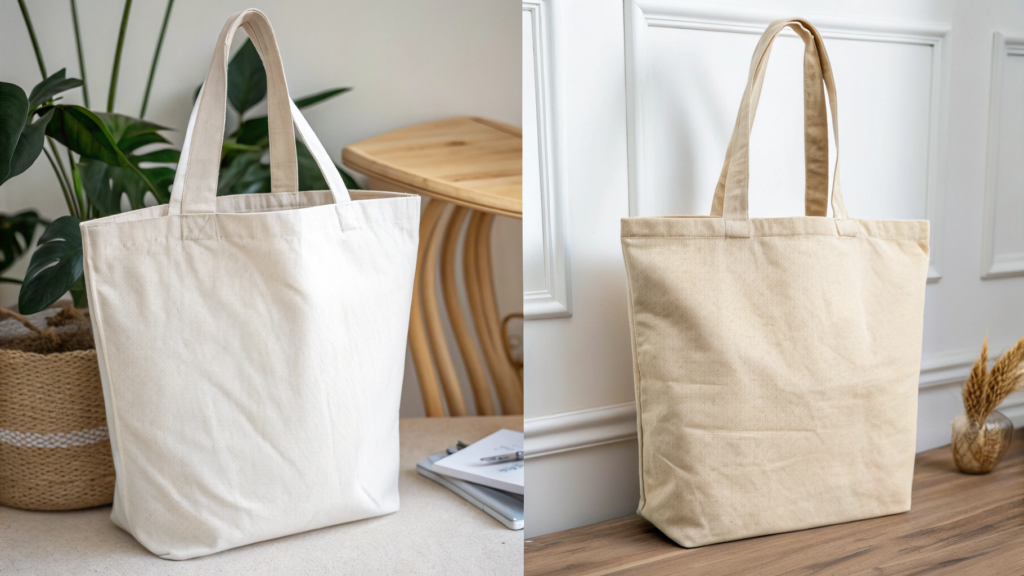
Many clients come to me and just ask for a "cotton bag." I always have to clarify. Cotton is the fiber. Canvas is the structure. It is like asking for "wood" instead of "oak" or "pine." The structure determines the product's performance. For a gift that is carried often, the strength of canvas is a must-have.
Understanding the Weave Structure
The key difference is the weave. Basic cotton bags are often made from a simple, looser weave. This makes the fabric soft but prone to tearing under stress. Canvas uses a plain, dense weave, but with heavier yarns. This dense weave is what gives canvas its signature thickness and durability. The tight weave also makes the fabric naturally more resistant to wear. This resistance is crucial for a tote bag. The bag is meant to carry weight and endure constant handling. For your brand's image, the firm structure of the canvas makes the bag look expensive and well-made. This is the difference between a throw-away bag and a permanent fixture in someone's life.
Practicality for Printing and Design
The robust surface of canvas is also much better for decoration. The tight weave provides a smooth, stable base for screen printing and embroidery. With a loose cotton weave, ink can bleed easily. Embroidery can pucker the fabric. Canvas holds the ink precisely. It supports heavy embroidery without distortion. This ensures that your brand's logo is always crisp and clear. This technical detail is often overlooked. But a clear, undistorted logo is vital for protecting your brand's visual identity. The practical advantages of the canvas structure make it the superior choice for any high-quality custom product.
The Value Equation for Gifting
In corporate gifting, the value of the item is not just the cost. It is the perceived value3. A heavy, well-made canvas tote feels like a substantial gift. A lightweight cotton bag feels cheap. This difference in feel dictates whether the bag is valued or dismissed. I advise clients to focus on the "carry-ability" of the bag. The canvas tote is designed to carry a laptop, groceries, or gym clothes. This high functionality translates directly to a high reuse rate. This long-term exposure is the real return on your investment.
| Material Type | Weave and Thickness | Suitability for Branding |
|---|---|---|
| Basic Cotton Bag | Loose, thin weave | Low durability, suitable for very light use |
| Canvas (Cotton) | Dense, plain weave; heavy yarns | Excellent durability, supports heavy printing/embroidery |
Conclusion
The canvas tote bag is a powerful gift. It needs high-quality material, strong stitching, and subtle branding. This ensures maximum reuse and a credible story for your brand.