How can custom pins become a powerful tool for your brand's storytelling?
Are you looking for a unique, cost-effective way to make your brand visible? You want a small item that packs a huge punch of personality, but you're not sure how to create it. It's time to turn your logo into wearable art.
Custom pins are a powerful storytelling tool because they transform your brand message or identity into a tangible, wearable symbol of belonging. They offer physical permanence, allowing your logo to live on jackets and bags for years, which creates an ongoing, low-cost marketing impression and fosters a strong sense of community and connection among recipients.
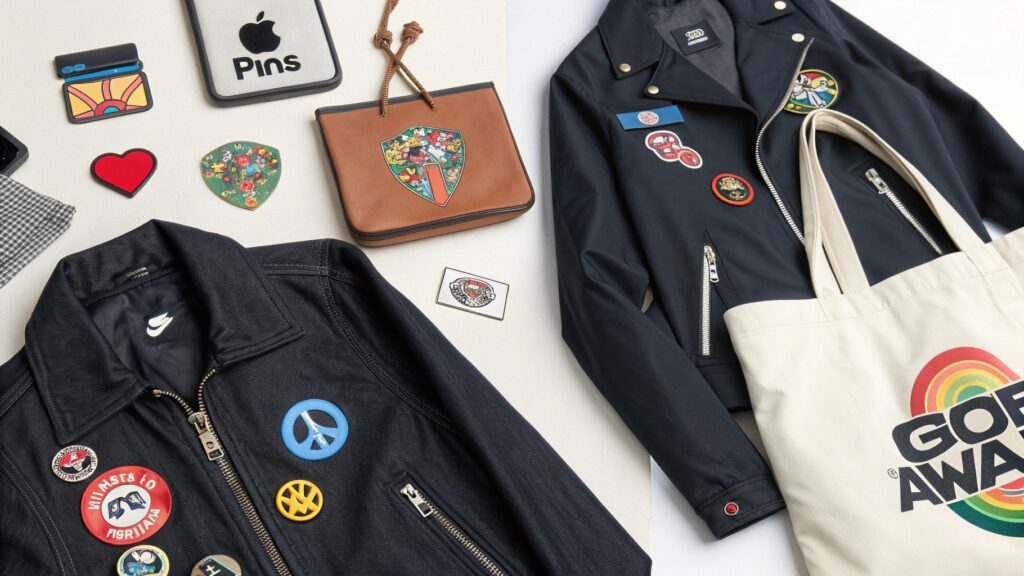
I've learned that in the world of branding, the small things often make the biggest difference. A custom pin is small, but it’s a tiny token of connection. It’s an item that people choose to wear, which means they are actively choosing to display your brand. This is a very powerful form of endorsement. When my team and I create a gift, we look for items that tell a story. A custom pin can celebrate an event, honor an achievement, or simply show support for a cause. It's a versatile item that is perfect for media agencies, which thrive on creativity and memorable visuals. Let’s look at how you can design a pin that truly represents your brand.
How can I create my own pin?
You have a great idea for a pin, but you do not know the steps to bring it to life. You need a clear process to turn your vision into a physical product.
You can create your own custom pin by first defining your design's purpose and style, then choosing the right type (like hard enamel, soft enamel, or die-struck), and finally, working with a reliable manufacturer to finalize the size, colors, and backing. The key step is creating a vector art file of your design to ensure a high-quality production result.
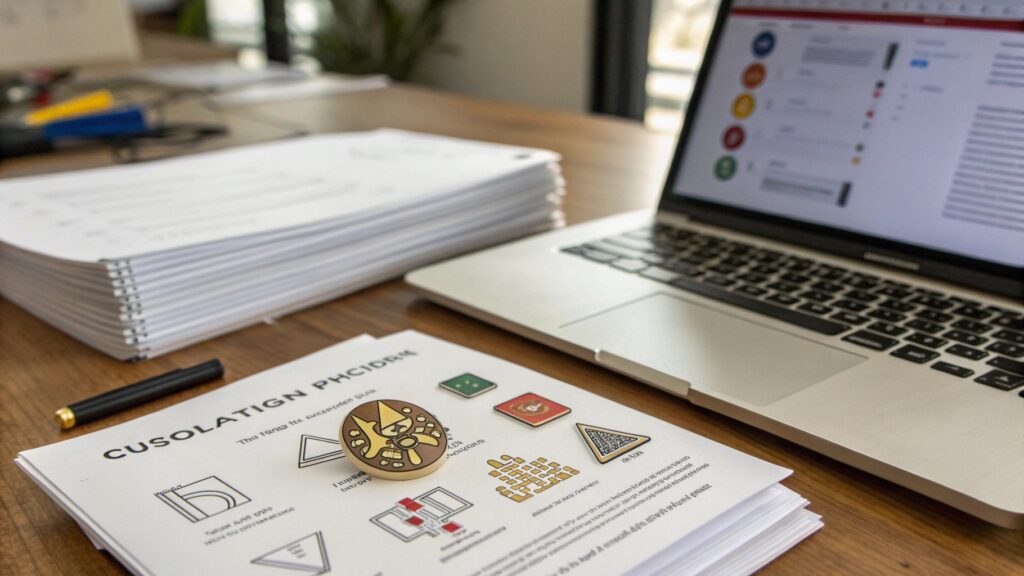
Creating a custom pin1 is actually simpler than most people think. It starts with a clear vision. What do you want the pin to say? Is it professional or playful? The design phase is where the magic happens. I always start by sketching the idea. Then, I work with a designer to create a vector file. This file is essential because it uses math to define the lines and shapes, which ensures the manufacturer can scale the design without losing quality. After the design is ready, the next big step is choosing the right type of pin. Each type gives a different look and feel. A hard enamel pin has a smooth, polished finish, while a soft enamel pin has raised metal lines, giving it a more textured, dimensional look. This choice directly impacts the final product's aesthetic and cost.
What are the main types of custom pins?
| Pin Type | Description | Best For |
|---|---|---|
| Hard Enamel | Smooth, durable, and polished finish; colors are flush with the metal. | Professional logos, clean designs, and collectible items. |
| Soft Enamel | Raised metal edges and recessed color areas, giving depth. | Detailed designs, colorful logos, and a more classic pin look. |
| Die-Struck (Metal Only) | No color fill; the design is etched directly into the metal. | Elegant, minimalist designs, and corporate recognition awards. |
What is the process for customizing a pin?
The process is very straightforward, especially when you work with a good supplier. First, you submit your final design and tell the supplier the pin size. Size is very important for a pin. A smaller pin is subtle, but a larger one makes a statement. Second, you choose your colors using the Pantone Matching System (PMS). This ensures the colors match your brand perfectly. Third, you choose the metal finish, like gold, silver, or black nickel. Finally, you select the clutch or backing, such as a rubber clutch or a deluxe locking clasp. By carefully selecting these details, you turn a simple concept into a professional, high-quality product that perfectly represents your brand.
How much does it cost to make a custom pin?
You are excited about the idea, but you have a budget to stick to. You need to know what factors affect the final price of the custom pins.
The cost to make a custom pin typically ranges from \$0.50 to \$5.00 per unit, with the price being heavily influenced by the quantity ordered. The final price depends on four main factors: the total size of the pin, the complexity of the design (number of colors and cutouts), the pin material and type (enamel vs. metal), and the bulk order quantity (larger orders have a lower unit cost).
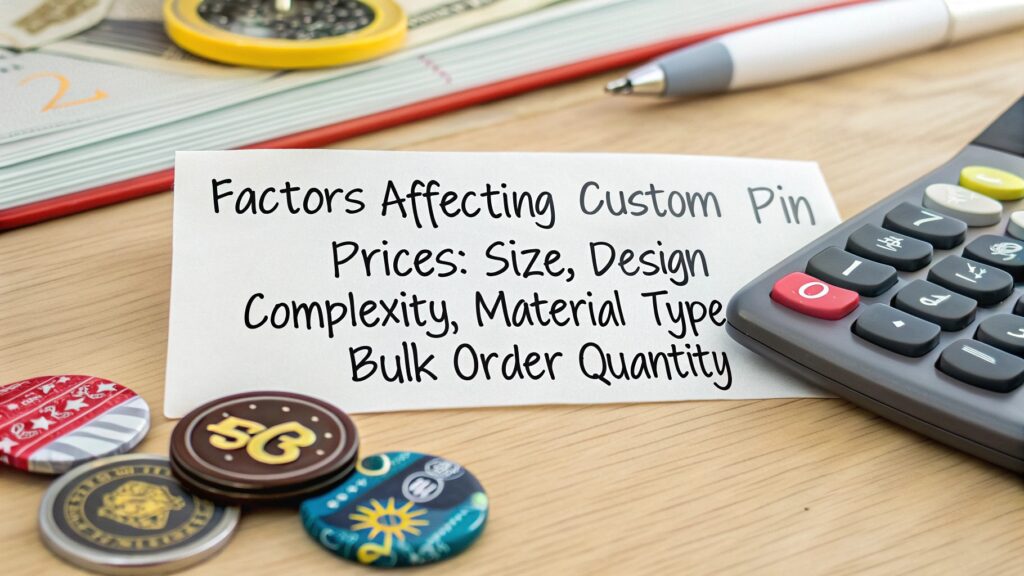
I've managed many branding projects2, and I know that cost is always a major concern. The great news about custom pins is that they are very affordable, especially when ordered in bulk. The biggest factor in the cost is the quantity. The more you order, the cheaper each pin becomes. A small order of 50 pins will cost more per unit than an order of 500 pins. Beyond quantity, the design complexity matters. A pin with five colors and a complex cutout will cost more than a simple, single-color pin with a standard shape. I always advise my team to simplify the design without losing the main message. This is a smart way to manage the budget. Choosing a reliable supplier who offers clear, upfront pricing is key to avoiding hidden costs and ensuring a smooth production process.
What are the main cost factors?
| Cost Factor | Description | Budget Tip |
|---|---|---|
| Quantity | The total number of pins you order. | Order a larger batch than you think you need for a lower unit price. |
| Size | The overall area of the pin. | Keep the pin size between 1 and 1.5 inches for a balance of visibility and cost. |
| Color Count | The number of different enamel colors used. | Limit your design to four colors or less. |
| Backing Type | The clasp or attachment used on the back. | Rubber clutches are the most cost-effective standard option. |
How can I get the best value for my money?
To get the best value, you must prioritize quality over a complex design. A simple, well-made hard enamel3 pin is often a better investment than a cheap, complicated soft enamel pin. I always recommend asking for a sample or a photo proof before starting mass production. This ensures the colors and the quality are exactly what you expect. Also, think about the pin's lifespan. Since pins are durable and reusable, the initial cost is spread out over years of brand exposure. This makes them a great long-term investment. They are tiny marketing tokens that will keep promoting your brand long after a paper flyer is thrown away.
How do you make custom pins?
You need to know the actual manufacturing process. Understanding the steps will help you choose the right materials and ensure the quality of the final product.
Custom pins are primarily made through a detailed process involving die-casting or stamping. For enamel pins, the process begins with a mold of your design etched into metal. Then, liquid color (enamel) is injected into the recessed areas. The pin is finally baked, polished, and finished with the chosen metal plating and a protective coat, resulting in a durable, high-quality wearable product.
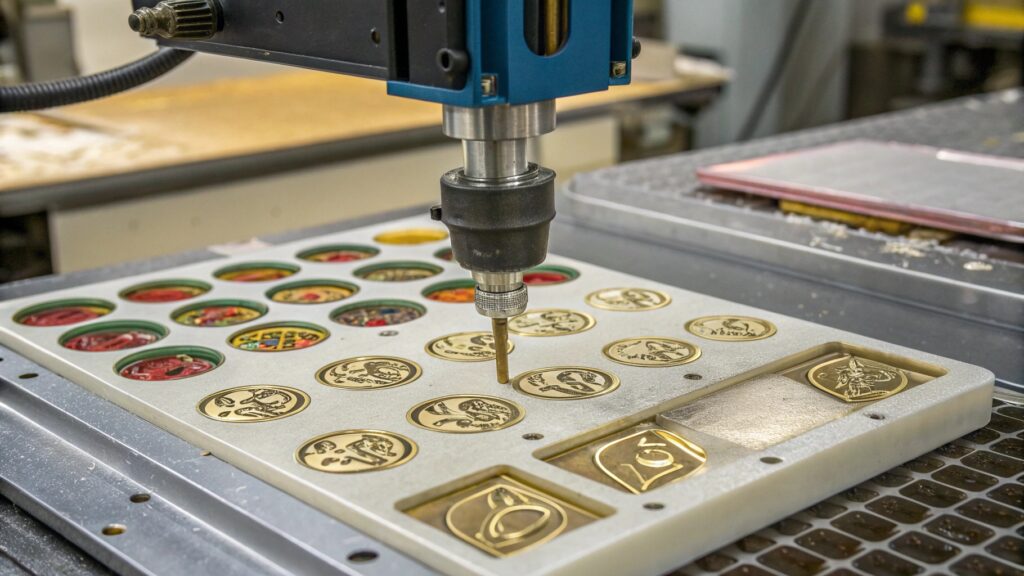
The manufacturing of a custom pin is a mix of old-world craftsmanship and modern technology. For most high-quality pins, the process starts with a steel mold. This mold is created based on the vector art you provided. The metal for the pin, usually a brass or zinc alloy, is then stamped or cast into the mold. For a soft enamel pin, the metal is raised. For a hard enamel pin, the metal and the color are flush. After the metal is formed, the color is applied. Enamel is not paint; it is a powdered glass or epoxy resin that is heated to cure and harden. This is what gives the pins their vibrant, long-lasting colors. After the color is set, the pin is electroplated with the final finish, like gold or silver. The last steps are polishing and attaching the clasp. This careful, multi-step process is what ensures the pin is durable, vibrant, and a true piece of wearable art.
What are the main steps in the manufacturing process?
| Step | Description | Key Detail |
|---|---|---|
| Molding | A custom mold of the pin design is created from your art file. | Precision is vital for a clean, sharp final pin. |
| Stamping/Casting | The chosen metal is formed into the shape of the design. | This sets the texture and dimension of the pin. |
| Color Filling (Enamel) | Powdered or liquid color is filled into the recessed areas. | The pin is baked at high heat to harden the enamel. |
| Plating & Polishing | The metal is electroplated (e.g., gold) and polished to a shine. | Polishing for hard enamel takes longer to achieve a smooth finish. |
Why is the manufacturing process important for my brand?
Understanding the process is important because it allows you to communicate effectively with your supplier and ensure quality. When you ask about the difference between hard and soft enamel, you show that you care about the quality. This is a very important signal to your supplier. A high-quality pin reflects a high-quality brand. It is also important for the pin's longevity. A pin that is made well will last for years, providing your brand with consistent visibility. This is a powerful return on investment. The custom pin becomes a tiny, permanent ambassador for your brand's identity and story.
Conclusion
Custom pins are small but powerful storytelling tools. By carefully designing them, controlling costs through smart ordering, and understanding the manufacturing process, you can create meaningful tokens that make a lasting, wearable impact for your brand.