Custom Logo T-Shirts: How Can I Turn a Simple Garment Into a Wearable Canvas?
Many people want to create their own custom logo T-shirts, but they worry about choosing the right material and making sure their artwork actually lasts.
Creating a custom logo T-shirt is best achieved using high-quality 100% cotton fabric, which provides a durable and absorbent canvas, paired with specialized acrylic-based fabric paints and proper heat-setting techniques to ensure the artwork is permanent and washable.
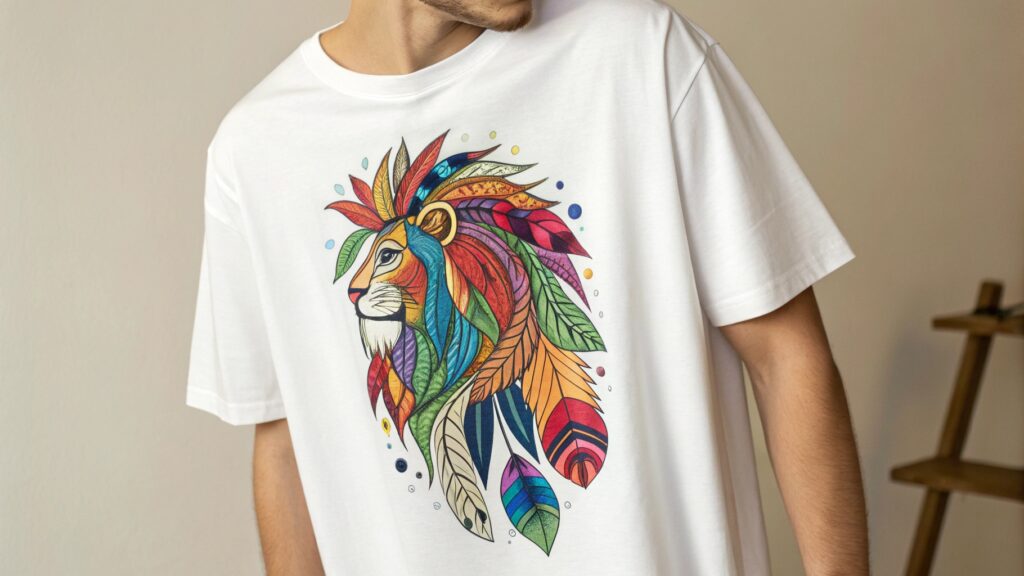
From my experience in the custom apparel and gifting industry, the T-shirt material is much more than just a garment; it is a direct extension of your artwork. The way the fibers interact with your paint defines the color's final look and, most importantly, the overall durability. A successful hand-painted T-shirt is a harmony between the fabric and the paint. It requires choosing a fabric that "breathes with your art," allowing each stroke to resonate naturally. This transforms a simple T-shirt into a long-lasting, wearable canvas that tells your brand's story.
What Is the Best Fabric for Making Custom T-Shirts?
The best fabric for making custom T-shirts, especially for hand-painting or most printing methods, is 100% high-quality cotton1 because its natural absorbency ensures that fabric paints settle evenly without bleeding and the soft hand-feel enhances the tactile experience of wearing the shirt.
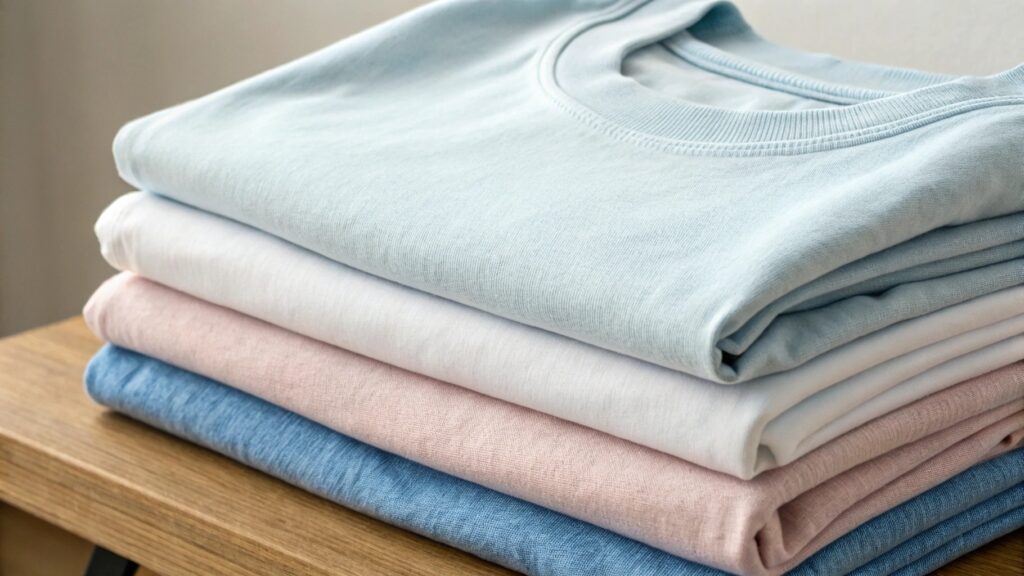
When it comes to fabric, I always advise clients to stick with cotton as the gold standard, but you need to be specific about the type. Combed or ring-spun cotton is much better than basic, regular cotton. This is because combed cotton fibers have been refined to remove short, uneven strands, creating a much smoother, softer surface. This smooth surface is crucial for any kind of brushwork or detailed line art, helping to preserve the precision of your fine details. Regular cotton can feel rough and may cause your lines to look slightly fuzzy. For budget-conscious projects or for logos that need a slightly athletic feel, a cotton-polyester blend (often $50/50$ or $60/40$) can work. The polyester adds wrinkle resistance and some longevity. However, cotton-poly blends require you to use specialized paints or different heat-setting techniques because the synthetic fibers in the polyester naturally want to repel water-based paints. I find that $100\%$ cotton gives you the best final result for a painted piece, ensuring the vibrancy of your logo is exactly what you envisioned.
How Does the Cotton Type Affect the Artwork?
| Cotton Type | Key Characteristic | Impact on Hand-Painting | Best Use Case for Logos |
|---|---|---|---|
| 100% Ring-Spun Cotton | Extremely soft, smooth surface, highly absorbent. | Excellent: Allows for sharp details and vibrant color saturation; paint adheres best. | High-quality branded merchandise or detailed artwork. |
| 100% Standard (Carded) Cotton | Slightly rougher, thicker, and more economical. | Good: Absorbs paint well, but fine details may look slightly uneven due to fiber roughness. | Budget-friendly giveaways or large, bold logos. |
| Cotton-Polyester Blend | Good durability, moderate absorbency, less prone to shrinking. | Requires special fabric paints; synthetic fibers may repel water-based inks slightly. | Athletic wear or T-shirts where reduced wrinkling is important. |
| Tri-Blends | Very soft and lightweight (Cotton/Poly/Rayon). | Not Ideal: Very stretchy and less absorbent than $100\%$ cotton, which can cause paint to crack when stretched. | Everyday fashion tees, but not recommended for durable painted logos. |
I once worked with an artist designing a new logo T-shirt line. She initially chose a tri-blend shirt for the soft feel, but the intricate geometric design2 cracked every time the shirt was stretched, even after proper heat-setting. I suggested moving to a ring-spun cotton T-shirt. The slightly firmer base held the fine lines perfectly and the paint settled deeper into the fibers. The artist found that while the initial fabric cost was slightly higher, the lack of returns due to paint cracking made the entire production run more profitable. You must understand how your artwork will sit on the fibers. A smooth canvas allows your brush to glide easily and ensures a soft hand-feel, which is key because no one wants to wear a shirt that feels stiff or rough.
Is It Better to Paint Clothes with Acrylic or Fabric Paint?
It is much better to paint clothes with dedicated fabric paint because, although fabric paint is acrylic-based, it is specially formulated with textile mediums and binders that keep the paint flexible, preventing it from cracking and peeling off the garment after washing.
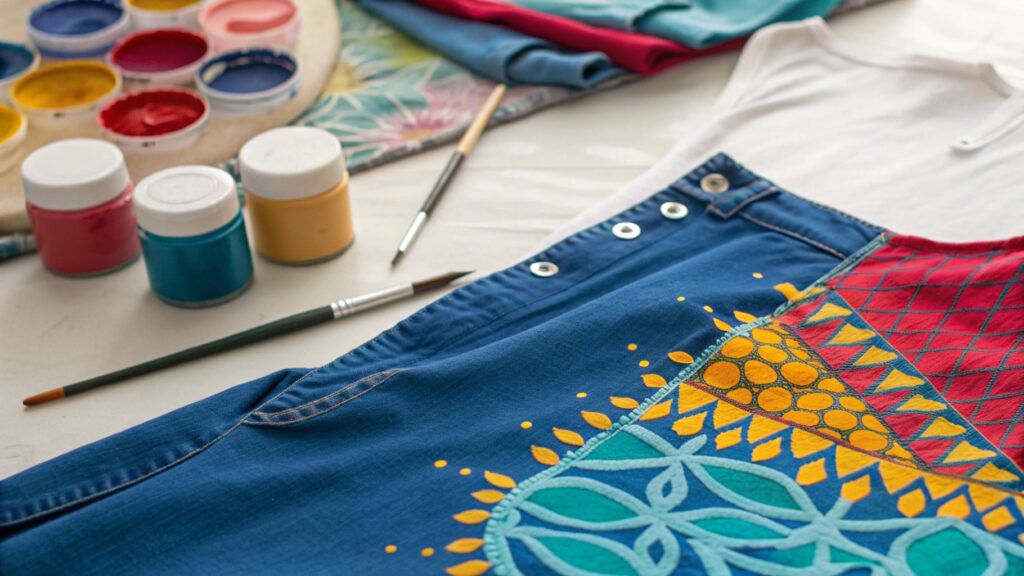
This is one of the most common questions I get. Many people think they can just use standard acrylic paint, but here is the problem: regular acrylic paint cures into a rigid plastic film. When you wear a T-shirt, the fabric moves, stretches, and folds. If you use standard acrylics, that rigid film will immediately crack and flake off when the shirt is washed or stretched. Fabric paint solves this issue. It is essentially an acrylic paint that has been engineered with a textile medium already mixed in. This medium ensures the paint remains soft and flexible once dry, allowing the garment to be worn, stretched, and washed repeatedly without the artwork being damaged. For people who already have a lot of regular acrylic colors, they can buy the clear textile medium separately and mix it into their existing paints. The ratio is usually $1:1$, and it gives you limitless control over your color palette while still guaranteeing the permanence and durability of the finished product.
Why Must Fabric Paint Be Used for Permanent Results?
| Paint Type | Flexibility & Texture | Required Post-Application Step | Longevity and Washability |
|---|---|---|---|
| Dedicated Fabric Paint | High; soft, flexible, and moves with the fabric. | Heat-Setting (using a dry iron or heat press). | Excellent; fully permanent and machine-washable. |
| Regular Acrylic Paint | Low; cures into a stiff, rigid, plastic film. | None required, but will crack quickly upon stretching. | Poor; artwork degrades rapidly after wearing or washing. |
| Acrylic + Textile Medium | High; flexibility depends on the ratio of medium mixed in. | Heat-Setting is highly recommended. | Very Good; allows for custom color mixing with lasting results. |
| Fabric Markers | Very High; often acts like a dye, penetrating fibers. | None required (some brands recommend heat). | Excellent; best for fine lines, signatures, and small details. |
The necessary step you cannot skip is heat-setting. This is what actually makes the paint permanent. Once your fabric paint has dried completely (usually 24 hours), you need to press the painted area with a dry iron on a medium to high heat setting for about three to five minutes. I always tell my clients to place a piece of parchment paper or a thin cloth between the iron and the painted area to protect the art. The heat chemically activates the binders in the fabric paint, fusing the color to the cotton fibers. Without this step, even the best fabric paint will eventually wash out or fade quickly. I had a client who painted $50$ T-shirts for a marathon team, and they all faded after the first wash because they skipped the heat-setting step. The heat-set is the final, crucial action that moves your project from being a fun weekend craft to a durable, professional-quality custom shirt.
How to Paint Permanently on a Shirt?
To paint permanently on a shirt, you must use acrylic-based fabric paint on a pre-washed cotton garment, allow the paint to air dry for at least 24 hours, and then use a dry iron or heat press to heat-set the painted area for several minutes, which chemically fuses the color to the fabric fibers.
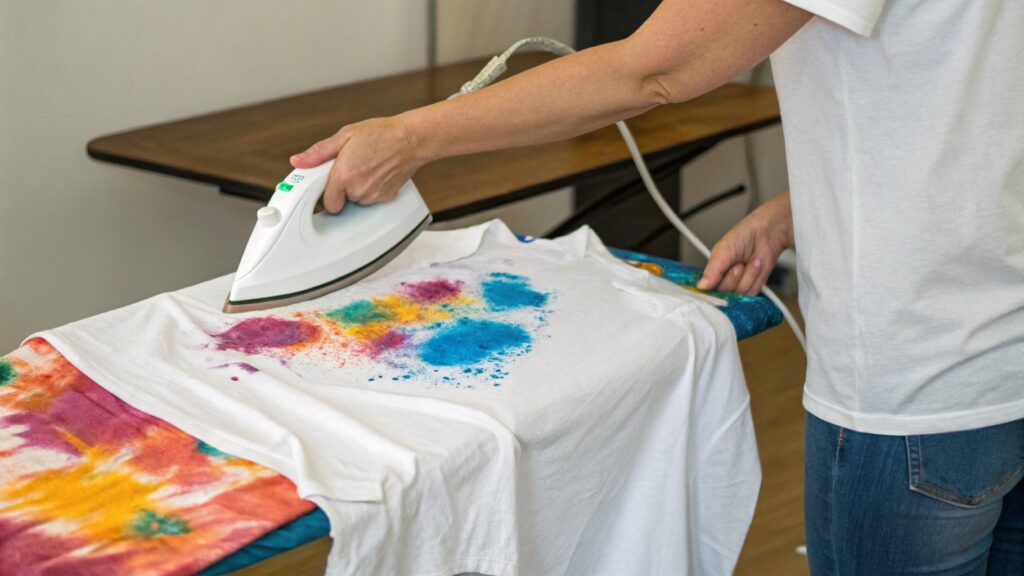
Making a T-shirt design permanent is a multi-step process that needs discipline, but it is not difficult. The durability of your custom logo depends entirely on following these steps in order. First, pre-washing the shirt is essential. New shirts have a chemical sizing on them that helps them look crisp. This sizing can prevent your paint from bonding correctly. A simple wash removes it. Second, you must insert a piece of cardboard inside the shirt before painting. This prevents the paint from bleeding through to the back layer. Third, apply the paint in thin layers, letting each layer dry before applying the next. Thick, goopy layers of paint are more likely to crack than several thin, smooth coats. Finally, the heat-setting step is your guarantee of permanence. I cannot emphasize enough that the heat-set step is what separates temporary art from wearable, permanent logos. Once the paint is fused, the shirt can be machine-washed inside-out on a gentle cycle, and the artwork will last for the life of the shirt. This process ensures your custom logo T-shirt is not just a one-time wear but a meaningful, lasting piece of wearable branding.
What are the Key Steps for Permanent Logo Application?
| Step | Action and Purpose | Reason for Permanence | Timing and Duration |
|---|---|---|---|
| Preparation | Pre-wash the T-shirt to remove sizing chemicals and oils. | Ensures direct, strong bond between paint and clean cotton fibers. | Before painting begins. |
| Isolation | Insert cardboard or wax paper between the front and back of the shirt. | Prevents accidental bleed-through to the back panel. | Before any paint application. |
| Application | Use fabric paint and apply the logo in thin, even layers. | Thin coats are flexible; thick coats are rigid and crack easily. | Allow each coat to dry (30 min-1 hr) before adding the next. |
| Curing | Allow the final painted design to fully air dry. | Allows the paint's water content to evaporate before heat is applied. | Minimum 24 hours after the final coat. |
| Fixation | Heat-set the dry design with a dry iron or heat press. | Heat activates the textile medium3, chemically fusing the color to the fabric. | 3-5 minutes of direct heat on a protective layer. |
I always coach my clients to follow this exact sequence to avoid common pitfalls. The most common pitfall is rushing the process. For example, if you skip the 24-hour curing time and iron the shirt while the paint is still damp, you will simply scorch the paint and ruin the finish. The best custom T-shirts are not made quickly; they are made intentionally. This focus on detail ensures the final product lives up to your logo's quality and your brand's reputation for durability.
Conclusion
The best custom logo T-shirts start with high-quality cotton and require you to use dedicated, acrylic-based fabric paint that is set permanently with heat. By following these intentional steps, you can create a durable, custom piece that turns a simple T-shirt into a lasting, wearable piece of art.