Canvas Bags: Are Cotton Totes Truly the Eco-Friendly Hero We Think They Are?
Canvas tote bags are widely seen as the ultimate sustainable choice, but the environmental impact of cotton production is often overlooked. You might wonder if they truly offset the harm caused by plastic bags.
Cotton tote bags can be a sustainable and eco-friendly choice, but only if they are made from organic materials under ethical conditions and are consistently used hundreds of times over several years to fully offset the significant water and resource consumption required for their production.
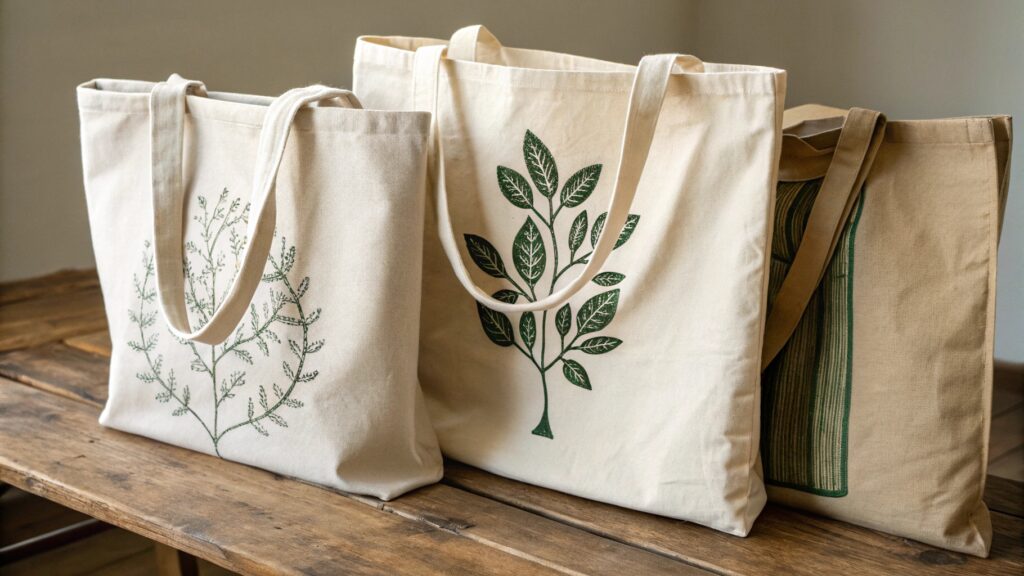
At first glance, cotton tote bags seem like the perfect poster child of sustainability—reusable, biodegradable, and a clear alternative to single-use plastic. From my experience in the gifting industry, I know the power of "eco-friendly" branding. But when you peel back the layers, the truth becomes more complex. We must look beyond the label. The real sustainability of a cotton tote lies not in the material itself, but in how consciously it is used. I always advise people that sustainability is not about the label "cotton" or "eco"; it is about our behavior—how we buy, use, and value what we own.
What Is the Most Eco-Friendly Bag Material?
The most eco-friendly bag material is generally one that requires the fewest resources for production and offers the longest lifespan for reuse, with recycled materials like recycled PET or natural fibers like organic cotton and jute often being cited as the best options.
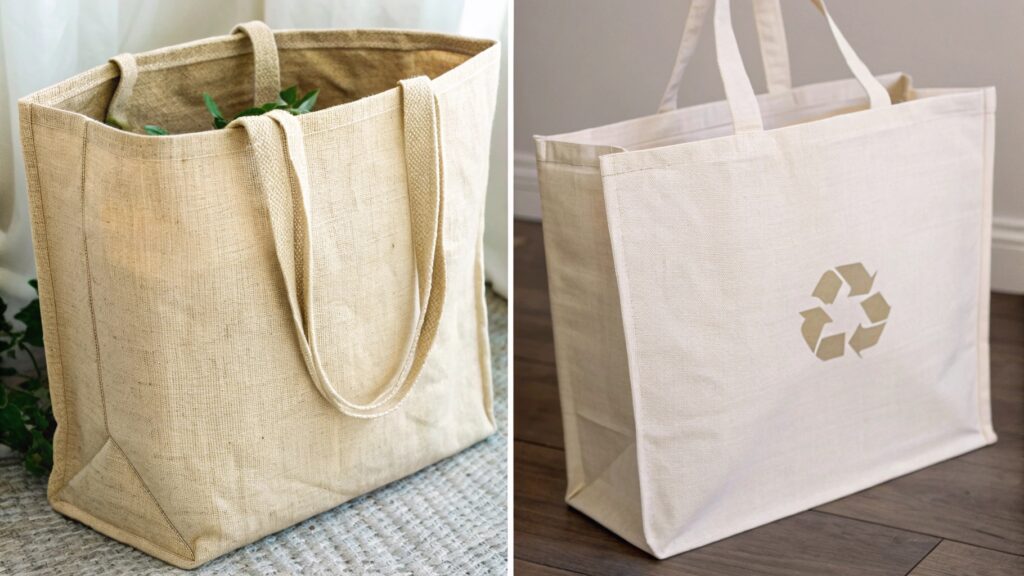
The truth is, no single material is perfectly "eco-friendly." All production processes require resources. However, certain materials have a smaller footprint than conventional cotton1. Recycled PET (RPET) is a strong contender because it repurposes plastic bottles, reducing landfill waste and eliminating the need for new virgin plastics. This process requires significantly less energy than manufacturing new plastic or cotton. Jute, a natural vegetable fiber, is also highly eco-friendly. It requires minimal water and pesticides, is quickly renewable, and is completely biodegradable. On the other hand, traditional conventional cotton demands vast amounts of water, land, and chemical pesticides, making its initial environmental footprint quite large. Therefore, when choosing the "most" eco-friendly option, I look for two key factors: low production impact (like jute or RPET) and high durability (allowing for hundreds of uses). The bag you already own and use consistently is always the greenest bag.
How Do Common Bag Materials Compare on Environmental Impact?
| Bag Material | Production Resource Intensity | Recyclability / Biodegradability | Primary Sustainability Concern |
|---|---|---|---|
| Conventional Cotton | Very High (Water, Land, Pesticides) | Biodegradable (Requires many uses to offset production) | High water usage and chemical pesticide runoff. |
| Recycled PET (RPET) | Low (Repurposing existing plastic) | Recyclable (Requires energy to process) | Still relies on plastic, but redirects waste from landfills. |
| Jute / Hemp | Very Low (Grows fast, needs minimal water/pesticides) | Biodegradable / Renewable | May require importing, increasing transport emissions. |
| Non-Woven Polypropylene (PP) | Moderate (Petroleum-based) | Recyclable in some areas; long lifespan needed. | Requires fossil fuels for creation; not widely biodegradable. |
I always advise my clients to look at the entire lifecycle. For instance, while a jute bag has a low impact during cultivation, if it is imported from far away, the shipping emissions might negate those savings. Conversely, while RPET is plastic, its use of waste materials is a huge win. Ultimately, the bag that you use day in and day out for years is the best choice. Organic cotton is a better version of cotton because it eliminates the pesticides and reduces the chemical impact, but it still requires a high amount of water. We must choose one well-made tote that lasts instead of collecting dozens as fashion accessories or giveaways.
Are Cotton Tote Bags Eco-Friendly?
Cotton tote bags are only truly eco-friendly if the user commits to using them at least 100 to 7,000 times (depending on the study and the material's origin) to compensate for the significant resources consumed during the growing and manufacturing phases of the cotton.
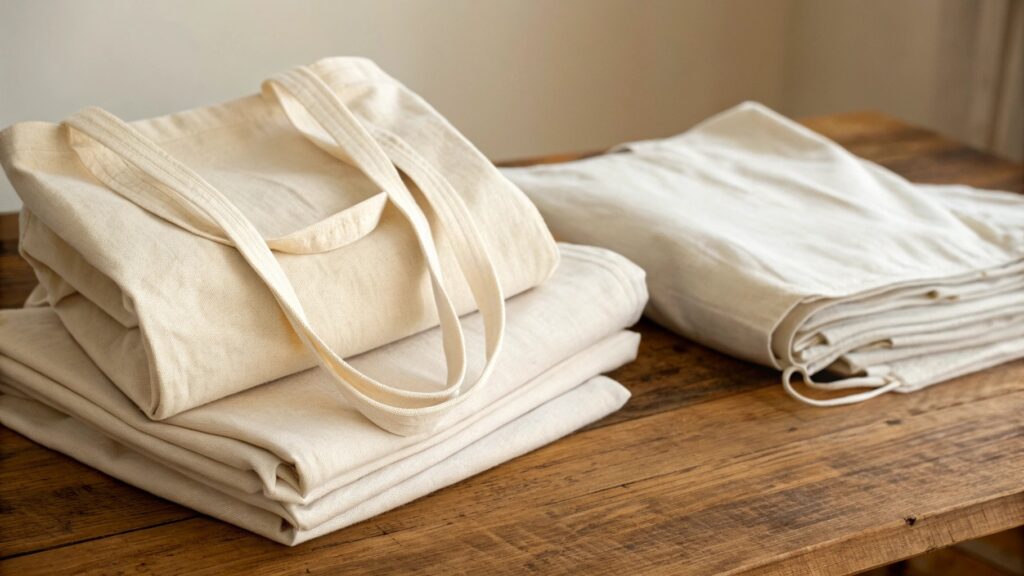
This is where the marketing often meets a hard reality. Conventional cotton is a resource-intensive crop. A single cotton tote can require thousands of liters of water to produce, and its production often involves heavy use of pesticides and fertilizers, which affects the soil and local water systems. This means that, paradoxically, you would need to use it many more times than a single-use plastic bag before it truly offsets its environmental footprint. The key factor is the longevity of the use. If you use your cotton tote every week for five years, it becomes a genuinely sustainable choice. If you collect dozens of them as promotional giveaways and only use one or two occasionally, they are simply an environmental burden in disguise. I try to ensure my clients understand that giving away a high-quality, thick cotton tote2 is better than a thin one because the perceived value is higher, making the recipient more likely to commit to its long-term use.
What is the True Usage Rate to Offset a Cotton Bag?
| Bag Type | Estimated Uses Needed to Offset Production | Reason for High Usage Number | Sustainability Goal |
|---|---|---|---|
| Single-Use Plastic Bag | 1 (Often reused for waste/trash) | Low production energy and material volume. | Reduce non-degradable landfill waste. |
| Paper Bag | 3-7 | Easily biodegradable but high energy/tree usage. | Reduce resource extraction. |
| Non-Woven PP (Reusable) | 35-100 | Uses petroleum, but very low material weight. | Reduce long-term production demand. |
| Conventional Cotton Tote | 131 to 7,100 (Based on different studies) | Extremely high water and land use in production. | Maximize use over its entire lifespan. |
I once read a study that suggested a conventional cotton tote must be used 131 times to match the environmental impact of one single-use plastic bag3, and up to 7,100 times to match the impact of a paper bag in terms of climate change potential. These numbers can be shocking, but they highlight that the sustainability of these bags is entirely in the hands of the consumer. An organic cotton bag is a much better choice because it eliminates the vast majority of pesticide use and reduces the chemical runoff, but it still requires a lot of water. For a cotton tote to be truly eco-friendly, it must be viewed as a long-term companion, not a disposable trend. We must be mindful of how we buy, use, and value what we own.
Are Tote Bags Actually Sustainable?
Tote bags, regardless of their material (cotton, nylon, or canvas), are only sustainable when they are consciously treated as long-term reusable companions, prioritizing longevity, durability, and consistent use over novelty or excessive collection.
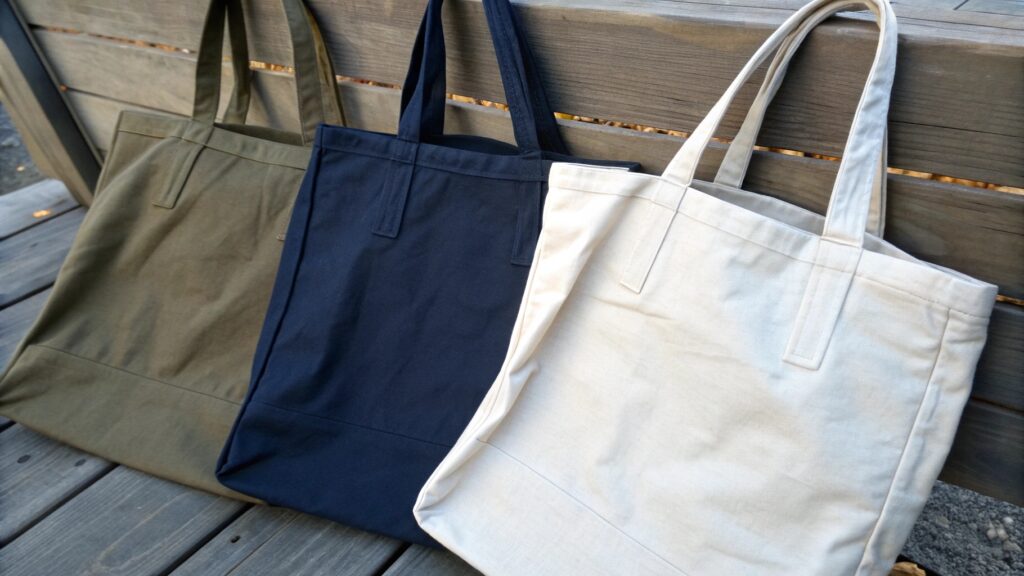
Sustainability is an active commitment, not a passive product label. Tote bags are tools for sustainability, but they are not inherently sustainable themselves. The crucial factor is the longevity of the item. A well-made tote bag that is constructed from thick, durable canvas and designed with strong stitching can easily last for five to ten years. This extended lifespan allows the user to fully amortize the initial environmental investment required for its creation, whether that is the water for the cotton or the energy for the RPET. However, a thin, poorly made tote bag given away cheaply will likely break or be discarded after a few uses, making it just as wasteful as a single-use plastic bag. When I consult with companies on corporate gifts, I always push for quality over quantity. I try to convince them to spend a little more on a beautifully constructed tote that recipients will feel is too valuable to discard. This simple shift in product quality encourages the mindful, long-term consumption necessary to make the tote genuinely sustainable.
What Behavioral Shifts are Necessary for Tote Bag Sustainability?
| User Behavior | Impact on Tote Bag Sustainability | Longevity Tip |
|---|---|---|
| Conscious Collection | Avoid collecting dozens of free/cheap totes that end up unused. | Use one primary tote until it wears out; repair it if possible. |
| Long-Term Use | Spreading the environmental cost over years of use. | Choose a dark color or pattern that resists visible staining and fading. |
| Proper Care | Washing only when necessary and air-drying to save energy. | Follow washing instructions to prevent shrinking (especially cotton). |
| Repurposing | Extending the life of a worn bag beyond carrying groceries. | Use old totes for storage, shoe bags, or turn them into cleaning rags. |
I always remind people that sustainability is a verb. It is about what we do with the products, not what the products are labeled. A canvas bag made under ethical labor conditions and used consistently over years can become a genuinely sustainable choice. We must treat them as long-term companions, not disposable trends. The act of choosing one bag and using it until it wears out is a much bigger statement than buying a hundred labeled "eco-friendly" items. The real hero is the consumer's mindful behavior.
Conclusion
Canvas totes can be sustainable, but only if we understand that their large environmental production footprint requires them to be treated as durable, long-term companions. By choosing high-quality, ethically-made bags and committing to years of consistent use, we can ensure they truly function as a positive alternative to single-use waste.