Canvas Bag Texture: The Foundation of Durability and Style
Beyond color and size, the texture of canvas is what defines a bag's strength, feel, and ultimate longevity. It's the silent indicator of quality.
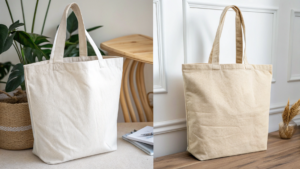
Canvas texture is determined by its tight, plain-weave structure and the weight (ounces) of the fiber used. While inherently sturdy, canvas texture can range from a smooth, uniform feel (Duck Canvas) to a slightly rougher, more pronounced weave (Heavy-Duty Canvas), dictating the bag’s final use and durability.
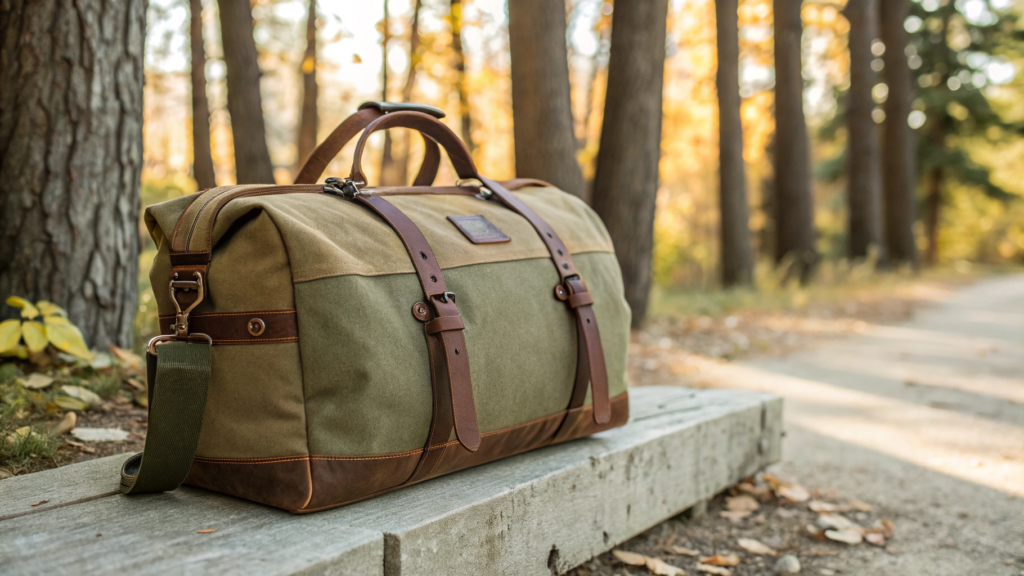
When people think about canvas bags, they often focus on prints, size, or eco-friendliness—but the handles are what truly determine how well a bag performs in everyday life. A canvas bag’s handle is more than a strip of fabric; it’s the bridge between form and function. The best designs balance comfort, strength, and aesthetics—whether through reinforced stitching, cotton webbing, or leather trimming that elevates style without sacrificing practicality. In my view, handle design reveals the philosophy behind a brand: a thin, unpadded strap may look minimalist but fail under weight, while a thick double-stitched handle shows thoughtful engineering for real-world use. The trend toward wide, ergonomic handles also reflects a broader consumer shift—people no longer see canvas bags as disposable but as everyday essentials worth investing in. If sustainability is the soul of a canvas bag, then its handles are the backbone that carries that promise forward.
What Is Texture Canvas?
"Texture canvas" is a term that refers to the surface quality1 created by the way the yarns are woven, fundamentally affecting the bag's aesthetic and practical use.
Texture canvas is fabric characterized by its simple "plain weave" (one thread over, one under) pattern, made from thick yarns (usually cotton or linen). The specific texture (roughness or smoothness) is controlled by the yarn thickness and the weave density, often classified by weight in ounces (oz).
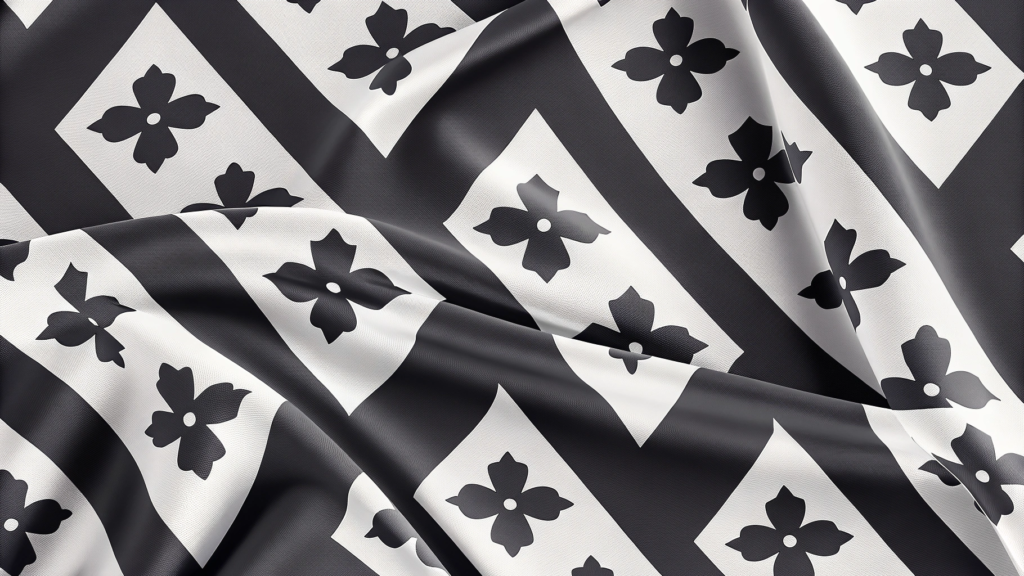
Texture in canvas is not an accident; it's a direct result of engineering. Unlike materials like denim, which use a twill weave (diagonal lines), canvas uses a very strong plain weave to create an opaque, robust material. The primary factor differentiating the texture is the weight of the canvas, measured in ounces per square yard (oz). A lightweight canvas (6-8 oz) has a finer, smoother texture, suitable for fashion totes. A heavy-duty canvas2 (14 oz and up) uses thicker yarns and has a much more pronounced, slightly rougher texture, ideal for rugged utility bags. A specific type, Duck Canvas, is popular because it features a tighter weave using finer threads, resulting in a smoother, more uniform texture compared to generic heavy canvas. When sourcing bags, I prioritize not just the print, but the weight and resulting texture, as this communicates the brand's commitment to form and function $\text{—}$ a smoother, tighter weave suggests a premium finish, while a heavy, rougher texture implies rugged utility.
Common Canvas Textures by Type
| Canvas Type | Weight Range | Texture Description | Primary Use |
|---|---|---|---|
| Lightweight Canvas | 6-8 oz | Fine, relatively smooth, flexible. | Fashion accessories, casual totes. |
| Medium/Duck Canvas | 10-12 oz | Tightly woven, uniform, slightly rough feel. | Everyday carry, backpacks. |
| Heavy-Duty Canvas | 14 oz+ | Coarse, very pronounced weave, stiff. | Tool bags, heavy-duty outdoor gear. |
Is Canvas a Good Material for Bags?
Canvas is a time-tested material with excellent strength. Its use for sails and art canvases proves its durability and resilience.
Yes, canvas is an excellent material for bags due to its superior durability, high strength-to-weight ratio, and natural water-resistance3. It is capable of carrying heavy loads without tearing, and it is a preferred eco-friendly alternative to many synthetic materials.

The enduring popularity of canvas for bags, from simple totes to luxury satchels, is a testament to its inherent strength. The key benefit is its high tensile strength $\text{—}$ the tight, plain-weave structure resists tearing and abrasion far better than many common synthetic fabrics. As an eco-conscious choice, cotton canvas is also breathable and biodegradable, aligning with the modern consumer's focus on sustainability. The major drawback, however, is that raw canvas is not fully waterproof. For real-world utility against the elements, a Waxed Canvas finish is often applied. This treatment adds a unique, water-resistant patina and a distinct, slightly sticky texture that ages gracefully, much like leather. Therefore, canvas is a good material for bags, but its performance is optimized when the weight (for load-bearing capacity) and the finish (for weather-resistance) are chosen with the bag's intended use in mind.
Is Canvas Material Rough?
The perceived roughness of canvas is a crucial factor in its tactile appeal. It is often rougher than other materials, but this depends on the yarn quality and treatment.
Canvas material is generally considered rougher than fine cotton or linen due to the thick, coarse yarn used in its construction. However, the texture can be significantly smoother in Duck Canvas (due to a tighter weave) or when the canvas is coated or treated (like primed canvas or coated canvas).
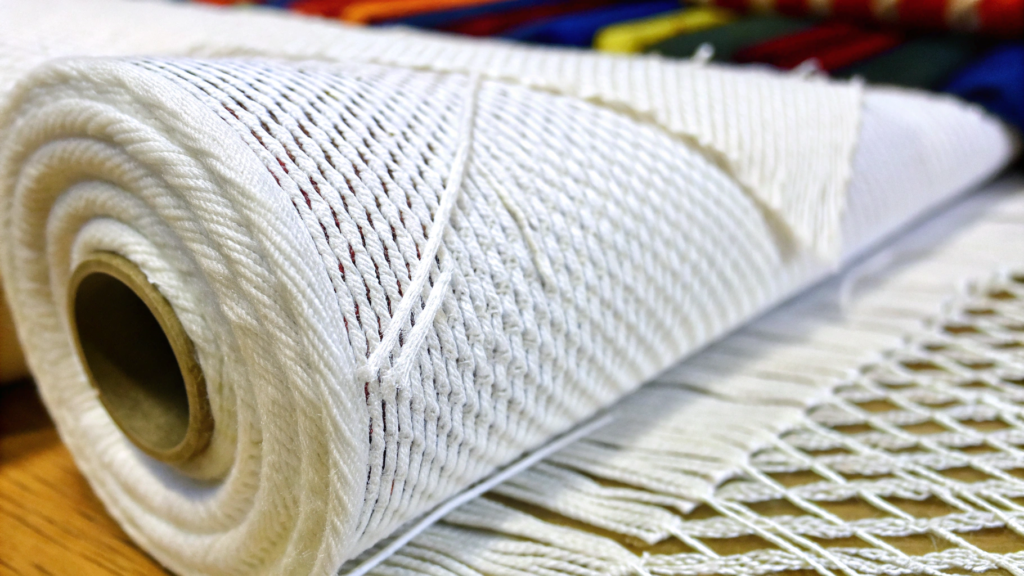
The characteristic roughness of standard canvas stems from using thicker, often less-combed cotton, linen, or hemp fibers that prioritize durability over softness. This roughness is what gives the bag its grip and hard-wearing character. However, if a brand aims for a more polished or "premium" feel, they will use variations that minimize this roughness:
- Tighter Weave (Duck Canvas): By pulling the threads closer, the surface becomes more uniform and smoother to the touch.
- Synthetic Blends: Canvas blended with polyester can feel slightly smoother and also offer better wrinkle resistance, though it compromises the natural feel.
- Coated Canvas: High-end brands use Coated Canvas (cotton or linen canvas coated with PVC or PU). This creates a very smooth, glossy, and highly durable surface that is completely waterproof and scratch-resistant, fundamentally changing the bag's texture from coarse to sleek.
The takeaway for the consumer is simple: roughness often correlates with raw, heavy-duty strength, while smoothness indicates a refined, often treated or tighter-woven finish that enhances aesthetics or waterproofing.
Conclusion
The texture of a canvas bag $\text{—}$ determined by its plain weave, weight, and finish $\text{—}$ is the key factor in its durability and aesthetic. Choose a tightly woven Duck Canvas for a refined, strong everyday bag, or a Waxed Canvas for a rugged, water-resistant feel.
Would you like me to search for specific brands of canvas bags known for their superior texture and durability?