Baseball Cap for Small Head: How to Find the Perfect Fit and Proportion?
Do standard caps always look too big on you? Finding the right baseball cap is about proportion and design balance, not settling for an awkward fit.
The best baseball cap for a small head is a low-profile or dad cap style featuring a soft, unstructured crown and an adjustable strap or buckle closure. This design ensures a flattering silhouette that enhances facial features without overwhelming them.
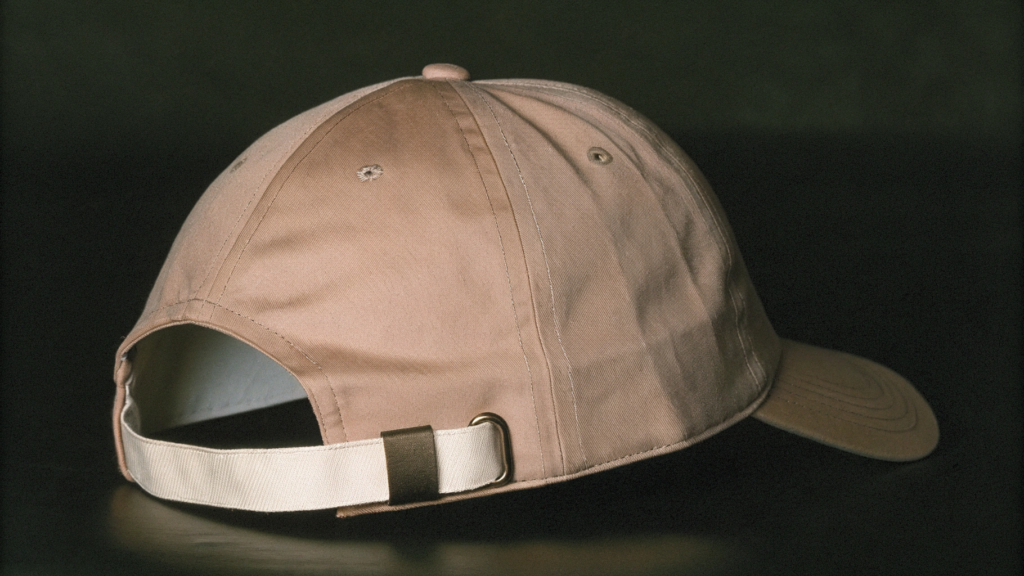
Finding the right baseball cap when you have a smaller head can feel like a challenge, but it’s really about fit meeting proportion $\text{—}$ not compromise. In my view, a well-designed cap for smaller heads isn’t just a scaled-down version of the standard; it’s a thoughtful balance of structure, crown height, and adjustability. Low-profile or “dad cap” styles with an adjustable strap or buckle closure work best, offering a snug yet flattering silhouette that enhances rather than overwhelms facial features. What’s often overlooked is how fit shapes confidence: when a cap feels right, it completes your look instead of sitting awkwardly on top of it. The growing demand for better sizing also reflects a broader trend in fashion $\text{—}$ personalized comfort over one-size-fits-all design. Whether made from soft cotton twill, brushed canvas, or breathable mesh, the perfect baseball cap for small heads isn’t about size $\text{—}$ it’s about balance, comfort, and identity.
What Hats Suit Small Heads?
You need hats that offer vertical balance without excessive bulk. Avoid tall, rigid structures. Focus on shallow, soft crowns1.
Hats that suit small heads are those with shallow, low-sitting crowns and minimal internal structure. Styles like the Dad Cap, Bucket Hat (with a small brim), or Unstructured Six-Panel Cap work best because they sit closer to the head and avoid excess height or material.
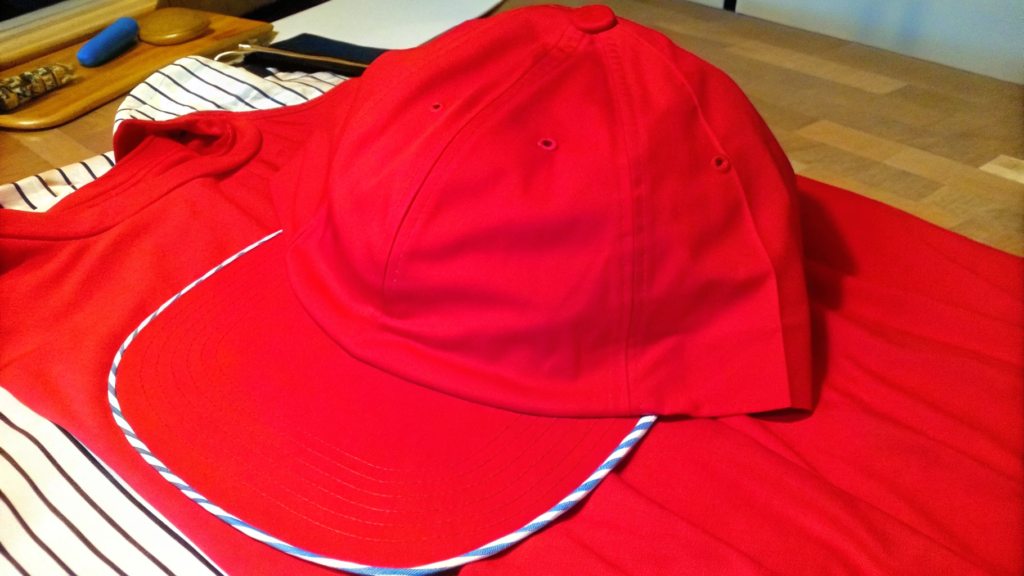
When selecting any headwear, the most important element for a smaller head is the crown height and structure. Many standard baseball caps, particularly those for sports teams, use a structured, high crown2 (like the classic trucker or snapback) that extends too high above the head. This makes the head look smaller in comparison and creates a top-heavy, mushroom-like effect. The solution is the unstructured or soft crown. These caps, often called "dad caps," are made from soft materials like cotton twill or brushed canvas and lack the stiff internal backing. This allows the fabric to drape naturally and follow the curve of the head more closely, giving a much better silhouette. I always recommend these styles for clients like Jacky who want a professional, yet flattering look. Furthermore, look for caps with a slightly curved brim, as straight brims tend to broaden the perceived width, which can be unflattering. The goal is to choose a hat that enhances the face without making the forehead seem disproportionately short or the rest of the body seem tiny.
Flattering Hat Styles for Smaller Heads
| Hat Style | Key Feature | Why It Works |
|---|---|---|
| Dad Cap | Unstructured, low crown, curved brim. | Sits close to the head; soft fabric drapes naturally; adjustable fit. |
| Bucket Hat | Smaller, softer brim, shallow crown depth. | Offers good coverage without extreme height or rigid structure. |
| Unstructured 6-Panel | Minimal height, flexible fabric, adjustable rear closure. | Provides a natural, proportional, and customizable fit. |
Is 55cm a Small Head?
Understanding head circumference is the first step to finding the perfect fit. You need to know where your size falls on the spectrum.
Yes, a head circumference3 of 55cm (approximately 21 5/8 inches) is generally considered a small head size. Most standard "one-size-fits-all" caps are designed to comfortably fit head sizes between 58cm and 60cm, meaning 55cm wearers should seek specialized adjustable or small-sized caps.
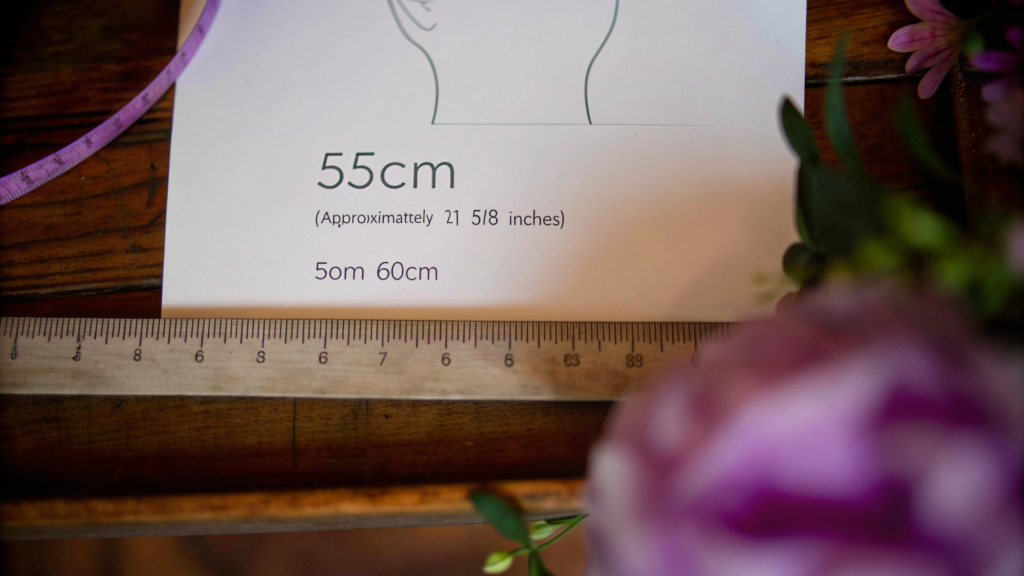
Head size measurements follow a clear international standard. The typical range for adult men and women often falls between 56cm and 60cm. Therefore, a measurement of 55cm places a person firmly in the small-to-extra-small category for headwear. This difference is why standard "one-size-fits-all" caps often fail. These caps are usually built on a 58cm or 59cm base mold. While the adjustable strap can tighten the band, it does not reduce the excess material in the crown. The fabric gathers awkwardly around the adjuster, and the crown still sits too tall, making the cap look ill-fitting, regardless of how tightly it is secured. I advise clients who measure 55cm or below to strictly look for caps labeled as "Youth," "Women's Fit," or "Small/Medium (S/M)" where the advertised base size is 56cm or less. This ensures the entire cap $\text{—}$ the crown, the brim size, and the depth $\text{—}$ is scaled proportionally to the smaller dimension, leading to a much better appearance and better comfort.
How to Make a Hat Fit a Small Head?
If you already own a favorite cap that feels too big, there are simple tricks to improve the fit without damaging the hat.
To make a hat fit a small head, use internal sizing reducers like adhesive foam strips or hat fillers placed inside the sweatband. For adjustable caps, ensure the strap is tightly secured and consider gently curving the brim to reduce the overall frontal mass of the cap.
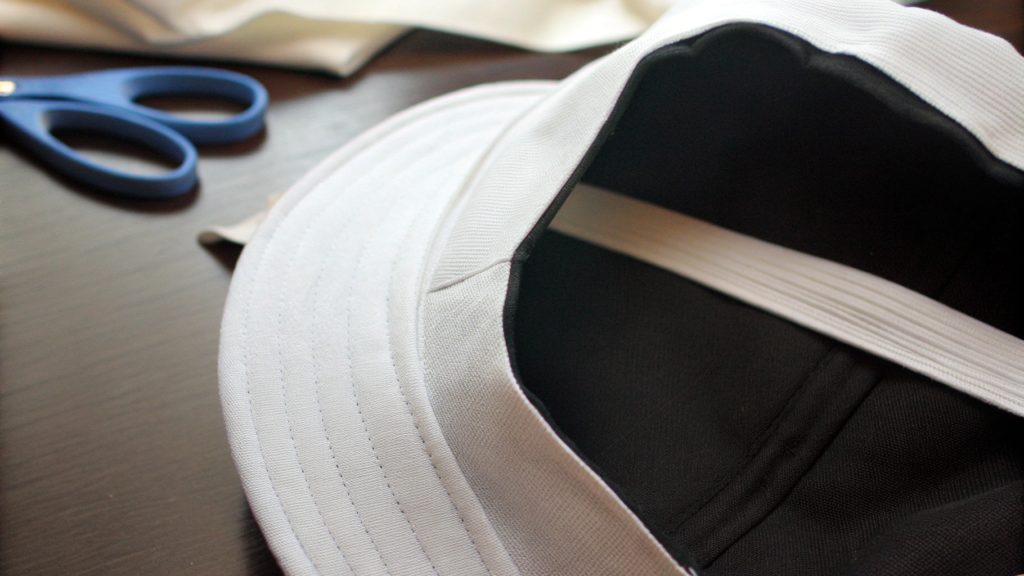
Making an existing cap fit better focuses on two areas: reducing internal space and improving external shape. For reducing internal space, the most effective and professional method is using sizing tape or adhesive foam strips. These are inexpensive, soft strips that you place inside the inner sweatband of the cap. They instantly take up the extra circumference and make the band feel snug, which is the most critical element for comfort and security. Avoid folding paper or tissues, as they break down with sweat and look unprofessional. For improving the external shape, you can gently curve the brim if it is currently flat. A curved brim has a smaller visual footprint, which helps the cap appear less wide on a smaller face. If the cap is structured and sits too high, there is not much you can do short of carefully removing the stiff internal buckram (front lining), a riskier DIY method. The best solution for promotional caps we produce is always to use a factory-supplied adjustable closure (buckle or strap) on a low-profile crown, which minimizes the need for drastic, after-purchase adjustments.
Methods for Improving Cap Fit
| Method | Primary Function | Ideal Cap Type |
|---|---|---|
| Sizing Foam/Tape | Reduces circumference/girth. | Any structured or fitted cap that is slightly too loose. |
| Adjustable Closure | Secures fit at the back (straps, buckles). | Unstructured caps; best for sizes 54cm-57cm. |
| Brim Curving | Reduces visual width and frontal mass. | Caps with a flat brim that feel too dominating on the face. |
Conclusion
The ideal cap for a small head is low-profile and unstructured, balancing comfort and proportion to achieve a natural, flattering, and confident look.