Are Paper Bags Just Packaging, Or A Powerful Branding Tool?
Frustrated that your paper bags look cheap and forgettable? Worry that packaging does not matter? Your paper bag is a major, visible branding asset.
Paper bags are a powerful branding tool because the material choice, design, and quality immediately convey your company's values, from sustainability to luxury. The bag acts as a walking billboard, extending your brand experience and reinforcing a positive, tangible connection with the customer.
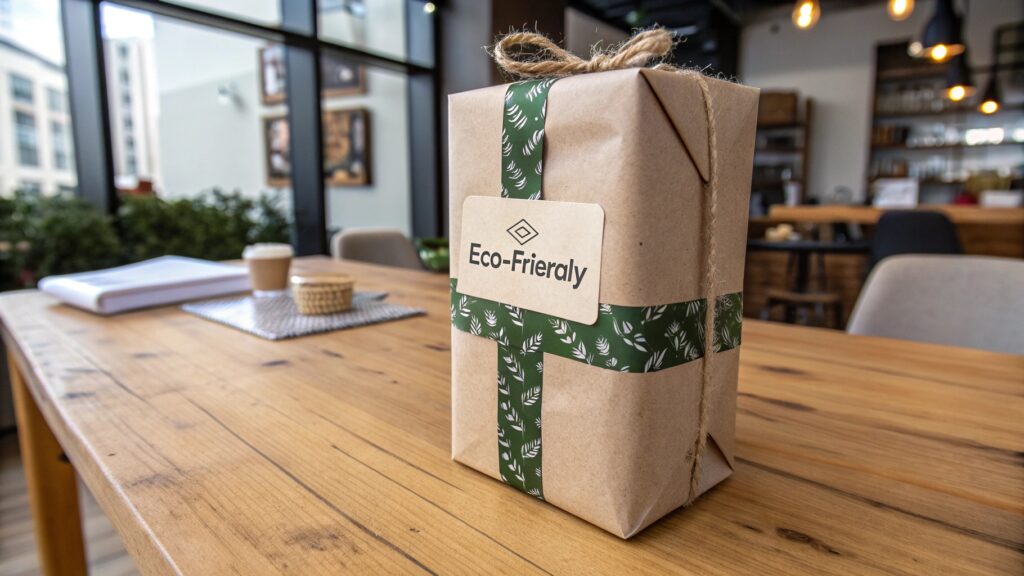
I have learned that the packaging is often the first thing people see after they buy. They hold it in their hand. I know many businesses only see the price tag on the paper bag. They stop at "kraft paper" and think the job is done. I want to tell you this: the choice of paper is a silent message to your customer. It tells a story about your values. Brown kraft says one thing; a clean, white bag says something else. This choice should be strategic, never accidental. Let's look closely at why this simple item deserves your full marketing attention.
Is It Cheaper To Make Paper Bags?
Focused only on the lowest price per unit? Concerned about the rising cost of materials? Focus on value, not just the cheap price.
No, it is not always cheaper to make paper bags than plastic, especially when you factor in high-quality materials and printing. The true cost benefit comes from the return on investment (ROI); a high-quality paper bag provides superior, positive brand exposure that justifies the small increase in unit price.
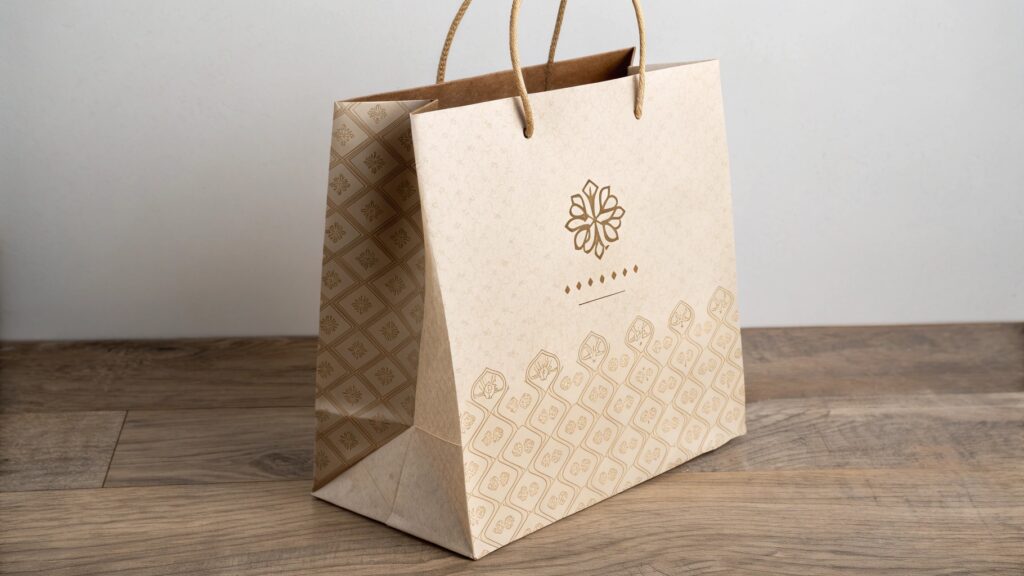
When business owners ask me if paper is cheaper, I tell them the short answer is usually no, not if you compare the absolute lowest price to basic plastic. But that is the wrong question to ask. We must look at the value per interaction. A very cheap, thin paper bag tears easily. It can damage the product inside, and it definitely damages the customer’s experience. I have seen this happen. The cost savings disappear instantly when a customer is upset. The slightly higher cost of a quality paper bag is an investment in brand protection and visibility. Think about the life of the bag. A nice, sturdy paper bag often gets reused for shopping or storage at home. This means your brand is getting free, repeated advertising. A cheap bag is thrown away immediately. Jacky is looking for ways to elevate the brand image while staying within budget. The budget must allow for quality that creates reuse. I always recommend clients spend a little more on the right GSM and material because that small extra cost multiplies the marketing return1. It is a smarter financial decision, not just a branding one. You are investing in a walking billboard that your customer keeps. You are creating a positive experience that lasts beyond the checkout counter. The initial price is just one part of the calculation.
The Cost of Durability
A low unit price means low durability. If the bag fails to hold the product safely, it creates a bad brand memory. This loss of trust costs more than any saving on the paper.
Calculating the Brand ROI
The return on investment for a quality bag comes from reuse. Every time a customer carries your branded bag, your brand gets free exposure to new people.
| Cost Factor | Low-Cost Strategy (Thin Paper) | High-Value Strategy (Thicker Paper) |
|---|---|---|
| Unit Price | Very low, often requires large minimum order quantity. | Higher, but offers better material options. |
| Risk of Failure | High risk of tearing; damages product and customer mood. | Very low risk; ensures safe transport of goods. |
| Branding Longevity | Almost zero; the bag is discarded immediately. | High; the bag is often reused for weeks or months. |
What Kind of Paper To Use In A Paper Bag?
Confused by all the paper options? Worry about making the wrong ethical choice? Your paper type is the foundation of your brand's ethical statement.
The best paper to use depends on your brand story, including standard Kraft, white Kraft, and recycled paper. Brown Kraft signals natural authenticity; white Kraft suggests premium and modern cleanliness, and recycled paper2 demonstrates strong eco-conscious values to the consumer.
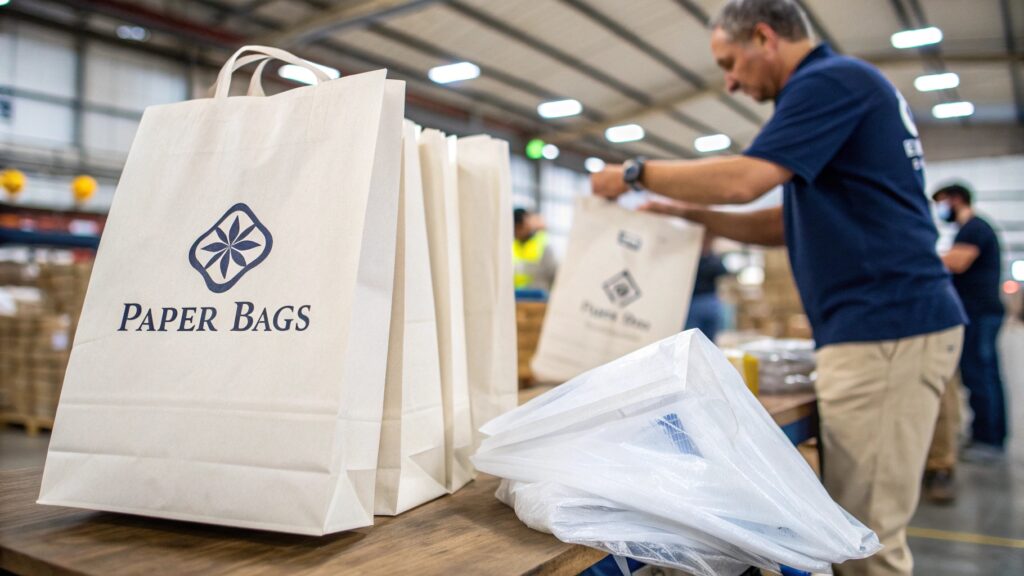
The discussion often stops at just "kraft paper." But I want you to know the difference between the main types matters greatly to your brand. Kraft paper is strong because of the natural process that keeps the wood pulp fibers long and intact. This gives it that crucial durability. Now, consider the color. Brown kraft paper is the most common. It immediately conveys an earthy, organic, and rustic authenticity. For a company focused on natural products, this is a perfect match. White kraft paper is bleached. It offers a cleaner, sharper base for complex, bright graphics. This is the choice for brands that want to communicate modern luxury, technology, or pristine cleanliness. Finally, recycled paper blends purpose with ethics. It appeals directly to the growing audience that values responsible consumption, which Jacky is seeking. The bag should carry your message as strongly as it carries your product. The paper type3 is a clear, silent way to signal your brand philosophy before the customer even reads the logo. I believe the best paper for your bag is the one that carries your message just as strongly as it carries your product.
The Message of Color
The color of the paper sets the tone for the entire brand experience. Brown is warm and natural. White is cool and professional.
The Ethical Choice
Choosing recycled paper makes an instant, positive statement about your company's commitment to the planet. This aligns with modern consumer values.
| Paper Type | Brand Identity Signal | Ideal Use Case |
|---|---|---|
| Brown Kraft Paper | Natural, authentic, earthy, and highly durable. | Food, organic goods, artisan products, and rugged brands. |
| White Kraft Paper | Clean, modern, premium, best for precise, colorful prints. | Fashion, cosmetics, high-end retail, and corporate events. |
| Recycled Paper | Ethical, responsible, sustainable, strong commitment to CSR. | Brands targeting conscious consumers, non-profits, eco-friendly lines. |
Which GSM Paper Is Better For Paper Bags?
Tired of bags that tear at the handle? Concerned about the quality feeling cheap? The GSM choice is where durability meets branding.
The best GSM (Grams per Square Meter) for paper bags is usually between 120 GSM and 170 GSM, balancing cost with crucial durability. Higher GSM paper (150 GSM+) is better for heavier items, enhancing the perceived quality and ensuring the bag can be reused repeatedly.
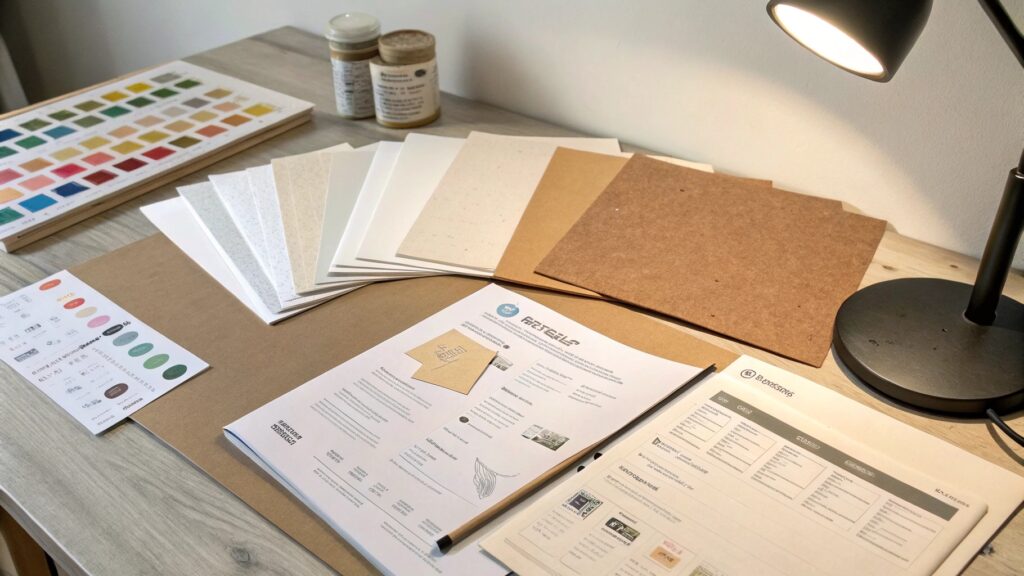
GSM stands for Grams per Square Meter. It is the simple measurement of how heavy, and therefore how thick, the paper is. This number is not just a technical detail; it is the gatekeeper of perceived quality. A very low GSM, say 70 to 100, is lightweight. It is fine for carrying a single, very light brochure, but it feels cheap. It wrinkles easily. It does not last. For most corporate gifts and retail items, I highly recommend a GSM of 120 or higher. This range hits the sweet spot. It provides a satisfying, sturdy feel in the customer’s hand. Jacky needs products that not only look good but feel good. A 150 GSM bag is excellent for heavier items. It signals a premium experience. The customer trusts the bag to hold the product. More importantly, the high GSM means the bag will survive multiple uses. This repeated use is the ultimate goal of your branding strategy. The longer the bag stays in circulation, the more times your brand is seen. Never try to save money by choosing a paper weight that compromises the bag’s function. That small saving will cost you much more in lost brand value. The handle strength must also match the GSM. A strong paper bag needs a secure, comfortable handle.
The Feel of Quality
The physical weight of the bag tells the customer about the brand's quality commitment. A heavier paper feels substantial and expensive.
Durability and Reuse
High GSM paper greatly increases the bag's lifespan. This means more free advertising and a stronger positive association with durability.
| GSM Range | Typical Usage and Feel | Branding Implication |
|---|---|---|
| 70 - 100 GSM | Very light, thin, wrinkles easily. Suitable only for paper documents. | Signals a focus on absolute low cost; perceived as cheap. |
| 120 - 140 GSM | Standard, sturdy, good balance of cost and durability. Great for apparel/gifts. | Reliable and practical; meets expected quality standards. |
| 150 - 170 GSM | Heavy, premium feel, very strong. Suitable for heavy items or luxury goods. | Signals high quality, attention to detail, and luxury experience. |
Conclusion
Paper bags are key branding assets. Choose quality GSM, strategic paper types, and focus on the ROI of reuse, not just the initial cheap unit cost.