Are Eco-Friendly Kraft Shopping Bags the Modern Manifesto of Brand Integrity?
Are you tired of customers leaving with single-use plastic bags that harm your brand image? Stop prioritizing cheap convenience. Choose kraft bags to showcase a commitment to environmental responsibility.
Eco-friendly kraft shopping bags are the modern manifesto of brand integrity because they are made from renewable wood pulp and are often recyclable or compostable. They symbolize a clear shift in brand ethics from convenience to conscience. Their simple, authentic texture transforms them into a powerful and responsible medium for brand storytelling.
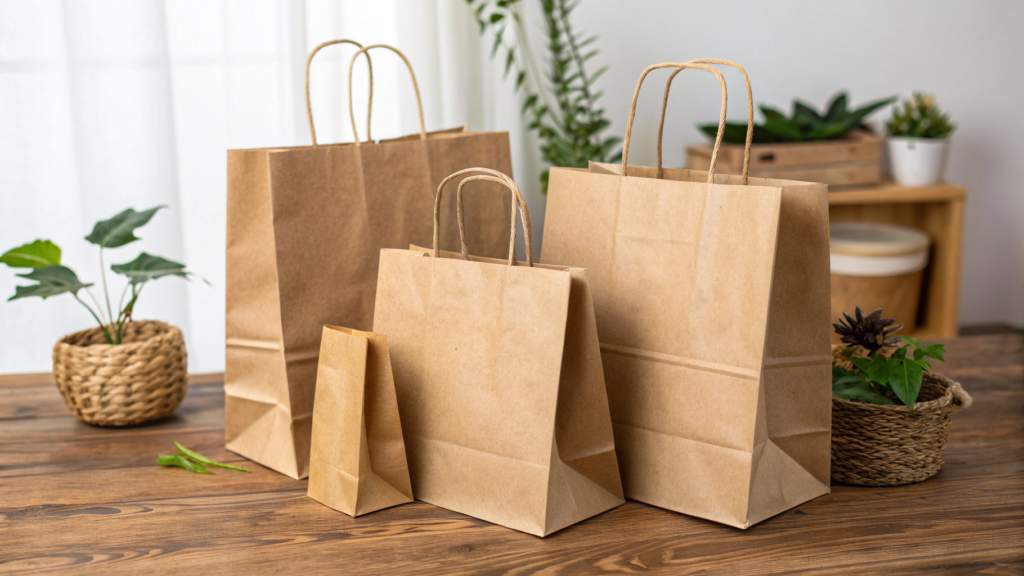
I have seen firsthand how packaging choices speak volumes about a brand. In my experience, a simple kraft bag tells a story of authenticity and responsibility that no synthetic material can match. For a marketing manager like Jacky, using these bags is an easy way to show that his company values eco-friendly materials and innovative design. Let us explore the environmental credentials of kraft paper and why this simple material has become a cultural statement.
Are Kraft Bags Truly Eco-Friendly and Sustainable?
Do you wonder if "eco-friendly" is just a marketing buzzword for all paper bags? Stop being confused by greenwashing. Understand the specific environmental benefits of kraft paper.
Yes, kraft bags1 are truly eco-friendly because they are made from chemical pulp in a process that recovers and reuses most of the pulping chemicals. They are sourced from renewable wood pulp, are biodegradable, and are easily recyclable or compostable. This responsible sourcing and end-of-life disposal make them a highly sustainable replacement for plastic bags.
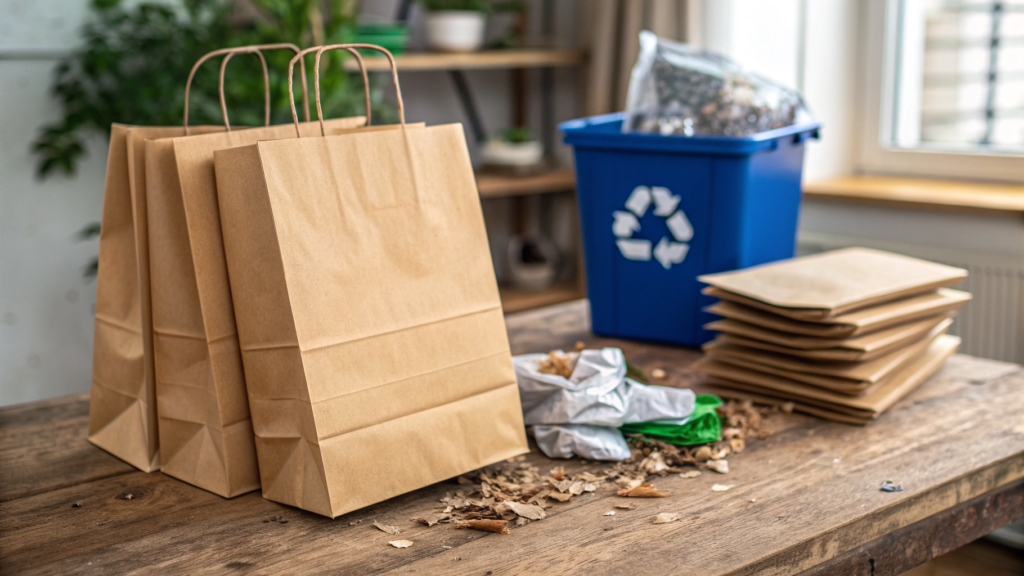
The sustainability of a kraft bag goes beyond the fact that it is paper. I learned that the process used to make kraft paper—the kraft process—is the key. This process is very efficient at pulping wood and allows for the recovery of nearly all the pulping chemicals. This means the overall environmental impact of production is significantly lower than other paper-making methods. Furthermore, kraft paper uses all types of wood, including resinous pines, which are often unsuitable for traditional paper. This broad resource base adds to its sustainability credentials. When a brand chooses a kraft bag, they are signaling a commitment to using materials that come from a renewable resource. This appeals directly to the modern consumer who values authenticity and responsibility. For Jacky, this is crucial for elevating the brand image. The bags themselves are durable, which encourages reuse. A customer is more likely to carry a sturdy kraft bag again than a flimsy one, which provides free, extended brand exposure. My take is that the durability2 and the process behind kraft paper make it a quiet manifesto of environmental integrity, proving that design and responsibility can coexist beautifully on a simple shopping bag.
| Tertiary Heading Example | Eco-Friendly Feature | Environmental Impact | Brand Storytelling |
|---|---|---|---|
| Pulping Process | Chemical recovery efficiency | Reduced resource waste | Commitment to responsible production |
| Material Sourcing | Use of all wood types | Broad, renewable resource base | Authenticity and natural origin |
| End-of-Life | Recyclable and compostable | Low landfill impact | Supports the circular economy |
What is the Most Eco-Friendly Bag Material Available Today?
With so many "green" packaging options, are you unsure which material is the best choice for the planet? Stop getting lost in marketing claims. Compare the top three options based on their real impact.
The most eco-friendly bag material is highly dependent on how often it is reused. For single-use, kraft paper is excellent due to its high recycling and biodegradability rate. For maximum sustainability, organic cotton or recycled PET (rPET) reusable bags are best, provided they are used hundreds of times to offset the initial production energy costs.

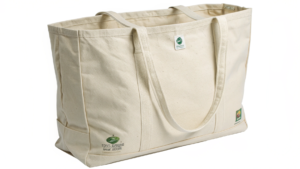
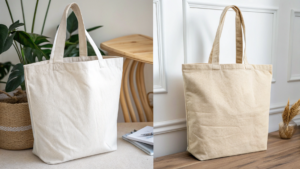
The question of the "most eco-friendly3" material is complex. I learned it is a matter of lifecycle assessment. A single-use plastic bag has a low production energy cost but a terrible disposal cost. A reusable cotton tote has a high production energy cost but a very low disposal cost. For short-term packaging, the kraft paper bag is a very strong contender because of its high recovery rate and biodegradability. If a customer throws it away, it breaks down quickly. However, when we think of corporate gifts meant for long-term use, the reusable bags win, but only if they are actually reused. For example, a bag made from Recycled PET (rPET) plastic bottles takes a resource that already exists (plastic waste) and turns it into a durable product. This is a very strong story of responsibility. Similarly, organic cotton canvas is durable and avoids the chemical use of conventional cotton farming. For Jacky, the choice must align with the gift's purpose. For retail packaging, choose kraft. For a promotional giveaway to employees, choose a high-quality rPET or organic cotton tote, with the clear message of encouraging its constant reuse. The deeper insight is that sustainability is about purposeful design. It means ensuring the material and its intended function match the brand's commitment to the environment.
| Tertiary Heading Example | Material Choice | Environmental Strength | Best Use Case |
|---|---|---|---|
| Renewable Single-Use | Kraft Paper | Biodegradable, high recycling rate | Retail shopping, small product packaging |
| Waste Reduction | Recycled PET (rPET) | Utilizes existing plastic waste | Durable promotional tote, high-frequency reuse |
| Organic Fabric | Organic Cotton | Avoids chemical farming | Premium, high-quality gift bag |
Is Kraft Paper Chemical Free and Safe for Consumer Use?
Do you have concerns about hidden chemicals in brown paper packaging materials? Stop worrying about contamination. Understand how the natural process of kraft paper ensures consumer safety.
Kraft paper is generally considered safe and is often chemical-free because its pulping process uses alkaline chemicals that are mostly recovered, unlike the harsh bleaches used for white paper. The final product usually contains no residual harmful chemicals. The natural brown color is a direct result of avoiding aggressive bleaching, which is what makes it a preferred choice for food and consumer packaging.
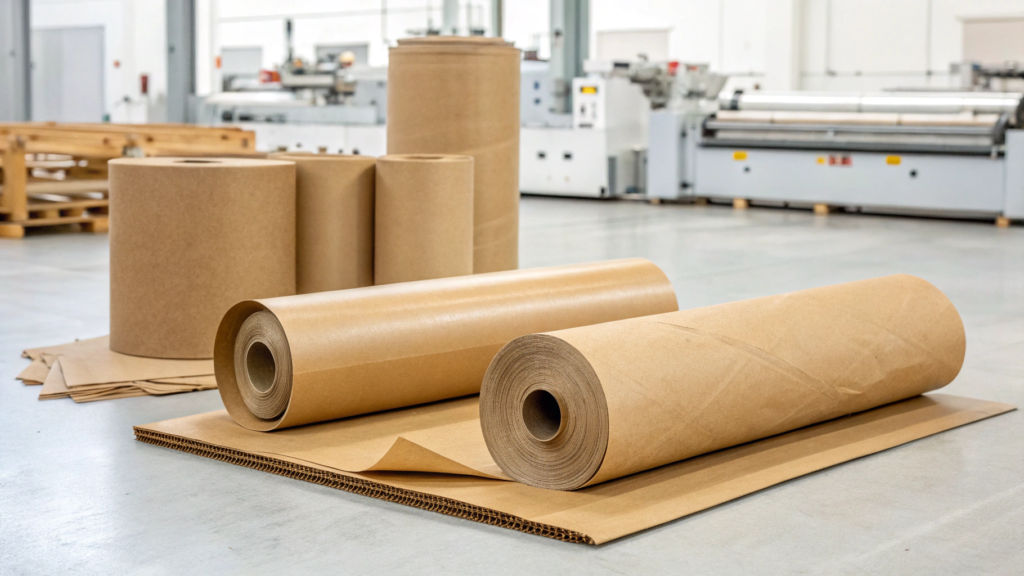
Consumer safety and the product's origin are key areas of concern for any brand manager. White paper often requires intensive bleaching to achieve its bright color. This process can involve harsh chlorine-based chemicals. The beauty of the natural brown kraft paper is that it avoids this aggressive bleaching stage. The color is the natural color of the wood pulp. This means that the final product is much cleaner and safer for direct consumer use. This low-chemical profile is why unbleached kraft paper is widely used for food wrappers, take-out containers, and other applications where direct contact is necessary. For a corporate gift bag, this characteristic speaks volumes about the brand's commitment to health and integrity. The only chemicals used in the kraft process are mostly recovered and reused, which is a key part of its environmental story. When a brand chooses to customize a simple kraft bag with minimalist logos and clean typography, it highlights the bag's natural, honest texture. This simplicity itself becomes the message: the brand is transparent and authentic. My insight is that the natural, unbleached look is an aesthetic choice that perfectly conveys honesty and care. This makes the kraft bag an unspoken extension of a responsible brand identity.
| Tertiary Heading Example | Chemical Process | Safety Advantage | Brand Aesthetic |
|---|---|---|---|
| Bleaching Avoidance | Unbleached process used | No harsh chlorine chemicals | Natural, honest, authentic brown color |
| Pulping Chemicals | Alkaline (sulphate) process | Chemicals mostly recovered and recycled | Clean process, responsible sourcing |
| Consumer Contact | Low-chemical residue | Safe for food and consumer goods | Conveys integrity and care |
Conclusion
Write a conclusion that summarizes the entire text (max 30 words).
Kraft bags are a sustainable, chemical-light packaging choice due to their renewable sourcing and high recyclability. I believe this simple material is a powerful way for your brand to quietly manifest environmental integrity and authenticity.