Can a Business Under New Ownership Refuse Old Gift Cards?
Have you ever tried to use a gift card only to be told the store has "changed hands" and your credit is no longer valid? This situation is a common source of frustration for loyal customers.
A business under new ownership can refuse old gift cards if the sale was structured as an "asset purchase" rather than a "going concern." In these cases, the new owner buys the equipment and brand but does not take on the previous owner's debts or financial liabilities.

In my years managing brand reputations, I have seen that "legal" is not always the same as "smart." Even if a new owner is legally allowed to say no, doing so often destroys the very customer base they just paid to acquire.
What Happens to Gift Cards When a Business Closes?
Do you have a gift card for a shop that recently locked its doors for good? When a company fails, it often feels like your money has simply vanished into thin air.
When a business closes due to insolvency or bankruptcy, gift cards typically become worthless. Gift card holders are classified as "unsecured creditors," meaning they are at the bottom of the priority list to get paid back after the company's assets are sold to cover larger debts.

I believe that the "closing down" period is the most critical time for any gift card holder. Once a company files for bankruptcy, they usually need permission from a court to continue honoring cards. If they don't get that permission, the card is just a piece of plastic. I often suggest that if you hear rumors of a business struggling, you should spend your balance immediately. In some rare cases, if the business is bought by a larger competitor, they might honor the cards as a gesture of goodwill to win your loyalty. However, this is a choice, not a requirement. From a marketing perspective, a closing business has no incentive to keep you happy, which is why the risk is so high for the consumer. It is always a good idea to check if the card was purchased through a third-party vendor or with a credit card, as you might be able to claim a refund through those channels instead.
| Business Status | Gift Card Outcome | Action to Take |
|---|---|---|
| Total Liquidation | Usually worthless. | File a claim as a creditor (rarely successful). |
| Bankruptcy (Ch. 11) | May be honored temporarily. | Use it as fast as possible before the deadline. |
| Buyout (Shares) | Usually must be honored. | Continue using the card as normal. |
| Asset Sale | New owner decides. | Ask the new manager about "Goodwill" acceptance. |
What Are the Laws Around Gift Cards?
Are you confused by the fine print on the back of your vouchers? Gift card laws have changed significantly in recent years to protect consumers from unfair expiration dates and hidden fees.
Modern gift card laws, such as the Fair Trading Act updates in 2026, generally require a minimum expiry period of 3 years. These laws also prevent businesses from charging "post-purchase fees," such as activation or balance inquiry fees, ensuring the value you paid for stays on the card.
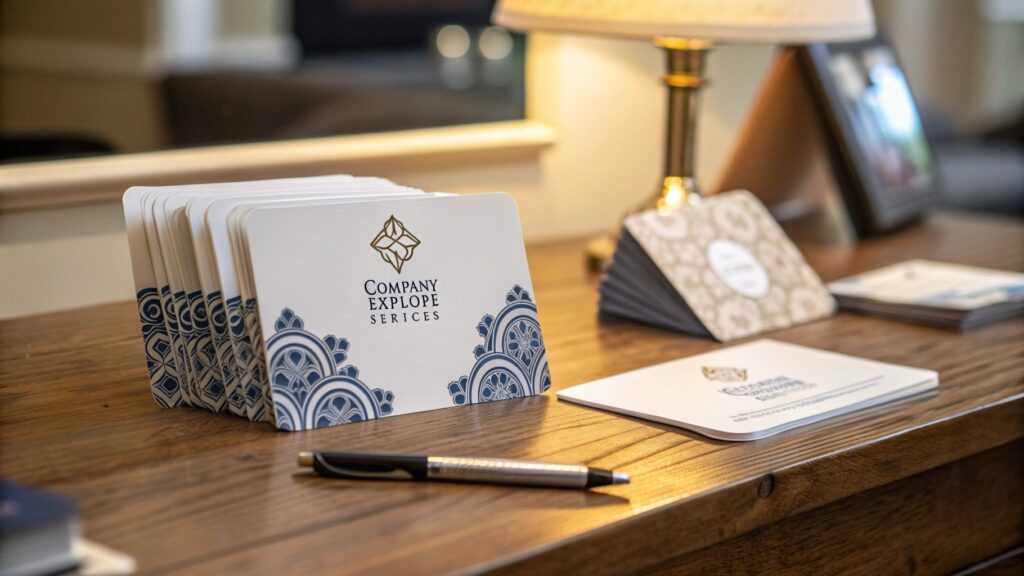
In my branding work, I stay updated on these rules because they impact how we design corporate gift programs. For example, as of March 2026, many regions now require the expiry date to be prominently displayed on the card itself. If the date is missing, the card might be considered to have no expiry at all. I think these laws are great because they build trust between the brand and the buyer. However, you should know that these rules often do not apply to "promotional" cards—those given for free during a sale or as a bonus. Those can still have very short expiry dates. Also, if a business changes owners, the law usually only forces the new owner to honor cards if they bought the company's shares or its "liabilities." If they only bought the "assets," the law is much softer. This is why I always tell people to read the terms on the website, as they often contain specific clauses about ownership changes.
| Law / Regulation | Key Requirement | Benefit to You |
|---|---|---|
| Minimum Expiry | At least 3 years from the date of sale. | More time to use the card without losing value. |
| Fee Ban | No charges for checking balances or inactivity. | The balance remains the same until spent. |
| Clear Labeling | Expiry date must be easy to find. | No surprises when you go to the counter. |
| Promotional Rules | Can have shorter dates if "free." | Allows businesses to run short-term marketing. |
Why Do Gift Cards Sometimes Become Worthless After a Company Fails?
Why does a store's failure mean your pre-paid credit is gone? It seems unfair that a company can take your money and then refuse to provide the product later.
Gift cards become worthless because they are essentially "interest-free loans" from the customer to the business. When a company fails, its remaining cash goes to pay back banks and taxes first, leaving no funds to cover the "debt" owed to gift card holders.

I view a gift card as a promise, but in the legal world, it is just a piece of "unsecured debt." This is the hardest part of business transitions to explain to customers. When a company's balance sheet is in the red, the law has a very strict order for who gets paid. Banks have "secured" interests, meaning they have a legal claim to the physical assets like buildings or stock. As a gift card holder, you have no such claim. This is why "reputation currency" is so important. I often advise new owners to honor at least a percentage of old cards. Even if they only offer a 50% discount to old cardholders, it shows they care about the relationship. Refusing a card entirely can lead to bad reviews that stay with the "new" brand for years. For the consumer, the lesson is clear: a gift card is not a savings account. It is a temporary voucher that should be used while the business is still healthy and the brand promise is still strong.
| Role in Bankruptcy | Priority Level | Recovery Chance |
|---|---|---|
| Secured Lenders | High | Very High (Paid first from asset sales). |
| Employee Wages | Medium | High (Often protected by labor laws). |
| Tax Authorities | Medium | High (Government gets its share). |
| Gift Card Holders | Low | Very Low (Paid only if money is left over). |
Conclusion
New owners can often refuse old cards depending on the sale's legal structure. However, honoring those cards is a vital way to build trust and preserve the brand's reputation during a transition.