What's the best way to clean an insulated water bottle?
Is your favorite water bottle hiding a secret layer of germs? Simple rinsing often leaves behind invisible bacteria and biofilm that can ruin the taste of your water and even impact your health.
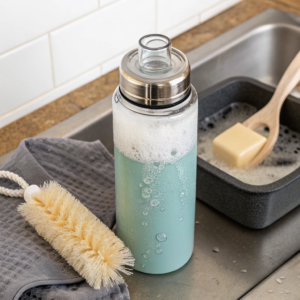
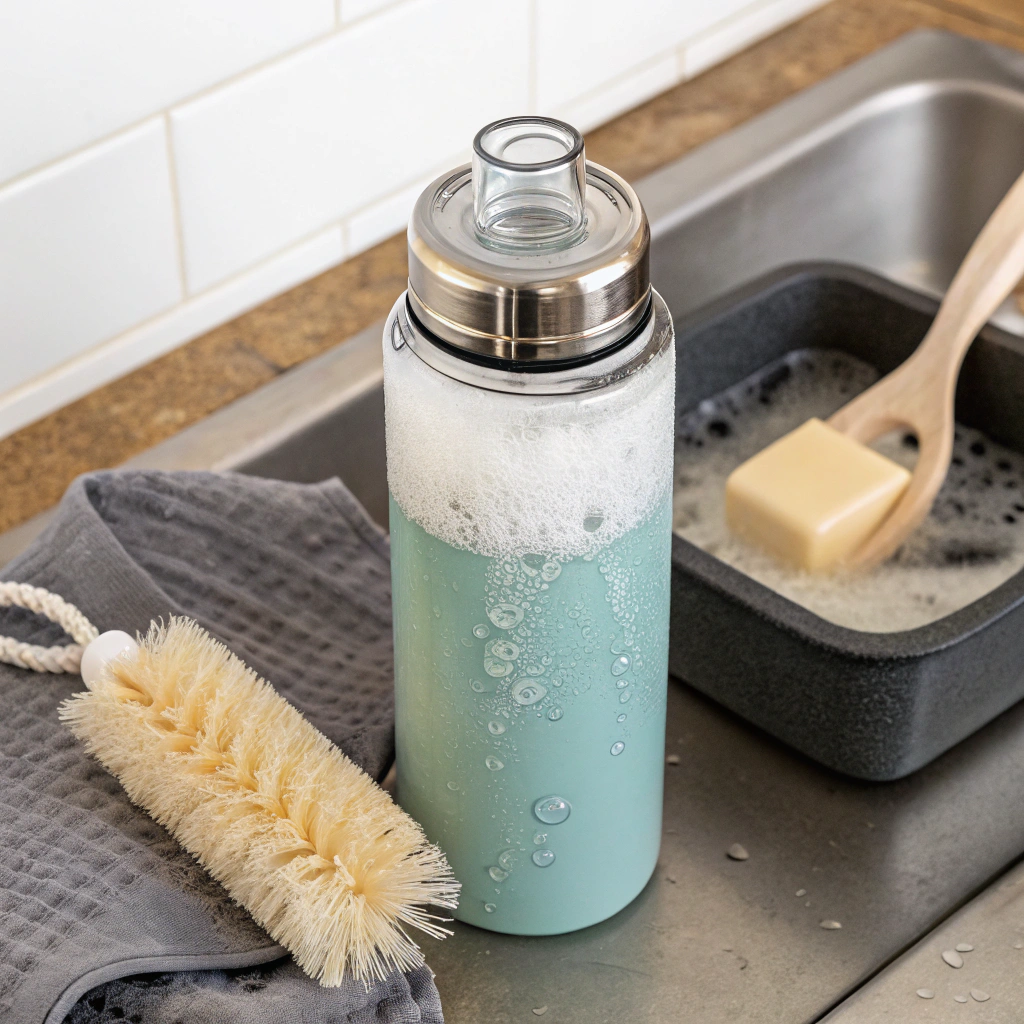
The best way to clean an insulated water bottle is daily hand-washing with warm, soapy water and a bottle brush. You must pay special attention to the lid and silicone seals where mold hides. For deep cleans, use a soak of baking soda or vinegar to remove stubborn odors and stains.
I have spent over a decade in the gifting industry, and I have seen many beautiful bottles ruined by poor maintenance. People think that because stainless steel is tough, it stays clean on its own. I used to be guilty of just rinsing mine out until I realized that the "stale" taste was actually bacterial buildup. To keep your bottle performing like new, you need a routine that covers the parts you cannot see.
How to properly clean an insulated water bottle?
Do you only wash your bottle when it starts to look dirty or smell funny? By the time you notice an odor, bacteria have already formed a protective film called biofilm on the interior walls.
Proper cleaning requires a bottle brush to reach the bottom and a small detail brush for the lid threads. You should always air-dry your bottle with the cap off to prevent moisture from trapping odors.
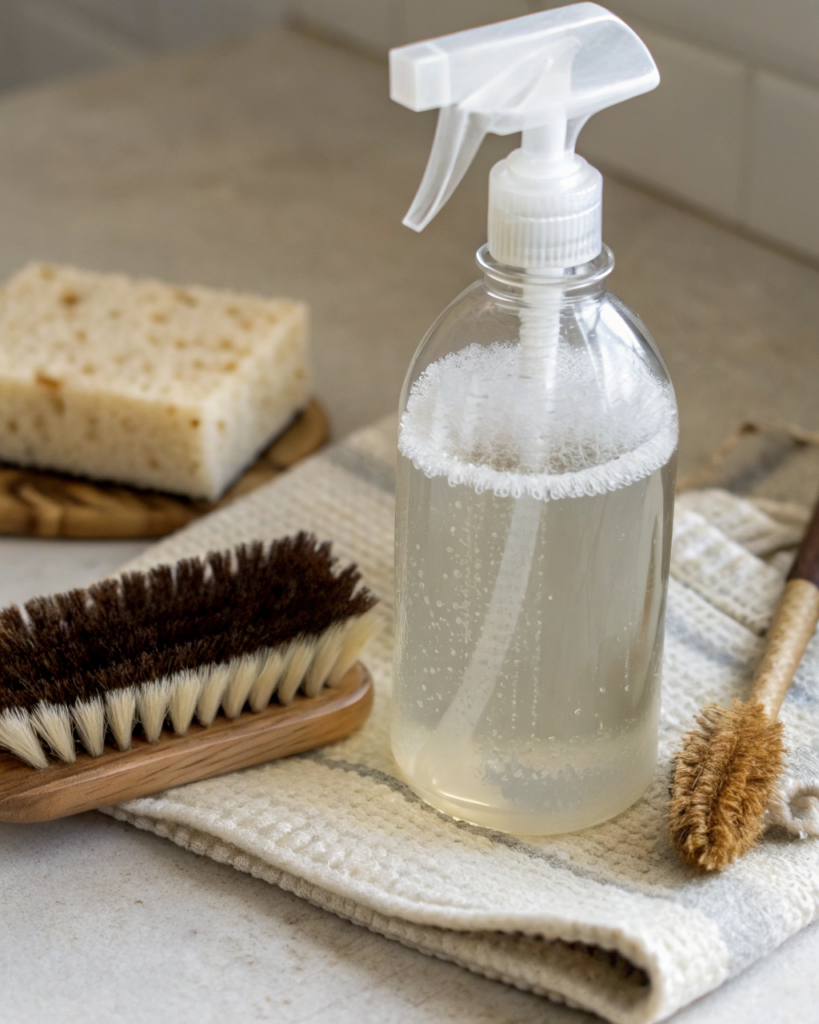
In my work at Latitude, I always advise clients that the lid is the most critical part. I once helped a marketing manager who was frustrated that her premium bottles were developing a musty smell. We took the silicone gaskets out and found trapped moisture and mold. Now, I always recommend removing those seals once a week for a deep soak.
I also suggest avoiding the dishwasher unless the manufacturer specifically says it is safe. Even then, the high heat can damage the vacuum seal that keeps your drinks cold. I personally prefer a five-minute soak in warm soapy water. It is gentler on the external powder coating and ensures the insulation stays intact. When you treat your bottle as a professional tool rather than just a container, it remains a reliable part of your daily routine for years.
| Cleaning Tool | Purpose | Frequency |
|---|---|---|
| Bottle Brush | Scrubs the bottom and side walls | Daily |
| Small Detail Brush | Cleans cap threads and grooves | Daily |
| Baking Soda | Removes deep stains and odors | Weekly |
| Vinegar Soak | Disinfects and kills mold spores | Monthly |
How often should I change my insulated water bottle?
Are you holding onto a bottle that has seen better days? While stainless steel is durable, there are clear signs that your bottle is no longer safe or effective for daily use.
You should change your insulated water bottle if the vacuum seal is broken, if there is persistent mold in the seals, or if the interior shows signs of deep scratching and rust. Generally, a well-maintained bottle can last 3 to 5 years.
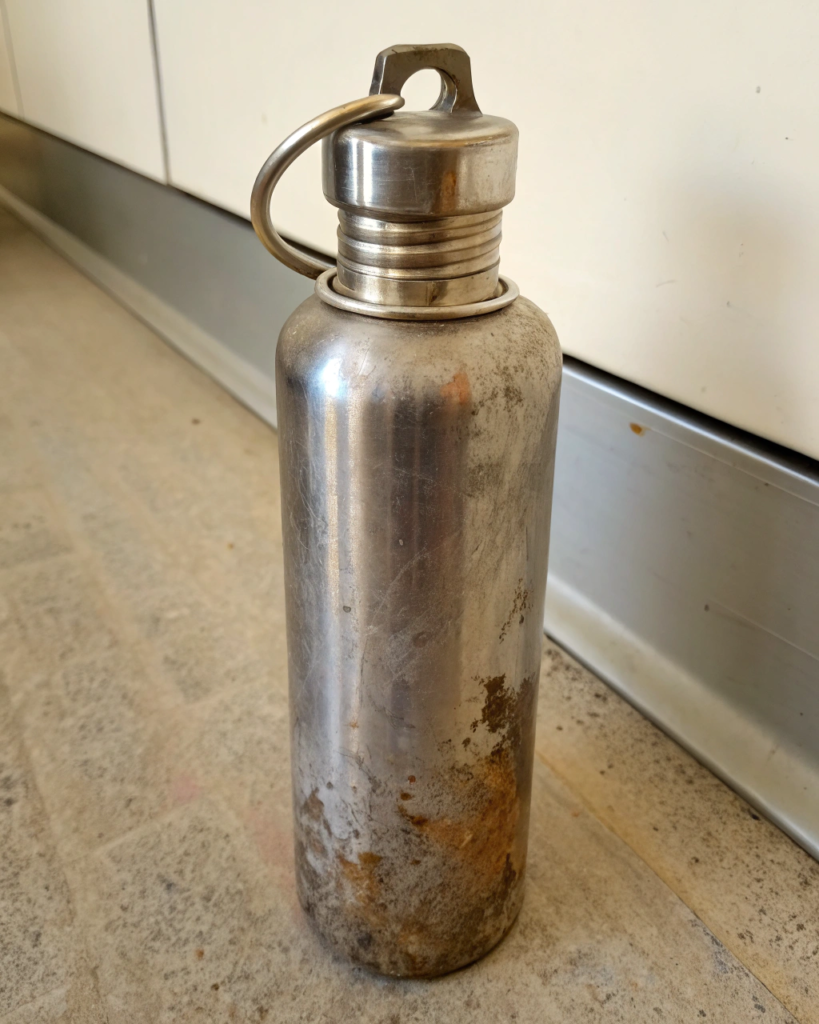
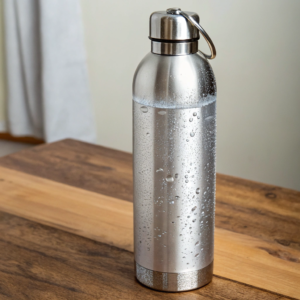
I often see people using bottles with huge dents at the bottom. I tell them that a heavy drop can actually break the vacuum seal between the two layers of steel. If your bottle "sweats" on the outside or no longer keeps water cold, the insulation is gone. It is time for a replacement. As someone who focuses on branding, I also look at the exterior. If the paint is peeling or the logo is gone, it no longer represents your professional image.
Another red flag is mold that has stained the silicone gaskets. If you cannot get the black spots off with a vinegar soak, do not risk it. I have helped many managers like Jacky source replacement lids rather than whole new bottles to save money and stay sustainable. However, if the interior steel is pitted or rusted—which can happen with low-quality materials—you must stop using it immediately. Investing in a high-quality food-grade bottle from the start is always the better strategy.
| Sign of Wear | Meaning | Action |
|---|---|---|
| Condensation on outside | Broken vacuum seal | Replace bottle |
| Permanent odor | Deep biofilm or mold | Deep soak or replace |
| Deep interior scratches | Germ trap | Replace bottle |
| Loose or leaky lid | Worn out gaskets | Replace lid or seal |
What happens if you don't wash your reusable water bottle?
Are you skipping the wash because you "only drink water"? Even clear water creates a environment where your own mouth bacteria can thrive and grow into something much worse.
If you don't wash your bottle, bacteria, mold, and yeast will multiply in the damp environment. This leads to the formation of biofilm, which can cause stomach issues, skin breakouts, or even respiratory irritation if mold spores are inhaled.
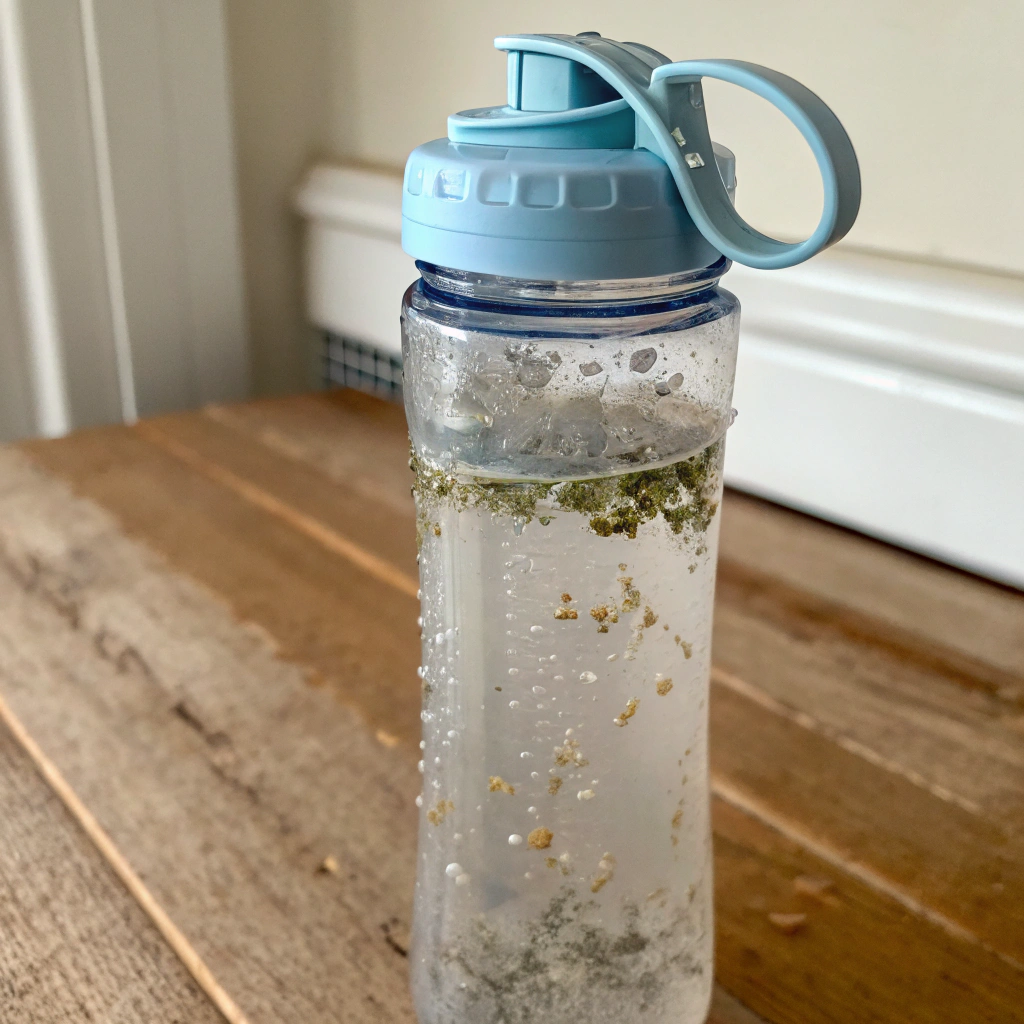
I have seen the "hidden side" of corporate gifts when people bring them back for advice. The most common problem is the "slimy" feeling at the bottom of the bottle. That slime is a living colony of microbes. I once spoke with a client who realized his frequent sore throats were actually coming from a moldy straw in his favorite tumbler. It was a huge wake-up call for his whole team.
When you don't wash your bottle, you are also allowing minerals from your water to build up. This "scaling" makes the surface rough, which gives bacteria even more places to hide. It becomes a cycle that gets harder to fix every day. I always say that hygiene is a habit, not a feature. Your bottle is only as healthy as your cleaning routine. By spending just sixty seconds a day with some soap and a brush, you protect your health and keep your water tasting as fresh as it should.
| Neglect Period | What is Growing? | Resulting Problem |
|---|---|---|
| 2 Days | Mouth bacteria & backwash | Stale taste and light biofilm |
| 1 Week | Yeast and heavy biofilm | Slimy texture and noticeable odor |
| 2 Weeks+ | Black mold in seals | Health risks and permanent stains |
| Months | Mineral scale & deep mold | Bottle likely becomes unusable |
Conclusion
The best way to clean your bottle is through daily hand-washing with soap and thorough air-drying. Regular maintenance prevents bacteria buildup, saves you from health risks, and ensures your insulated bottle lasts for years of reliable use.
My Role
About me:
Latitude Experience Pte Ltd was founded by Francis Loh, a passionate advocate for branding through corporate gifts. Beginning his career in a humble printing factory, Francis gained hands-on experience in production, design, and client servicing. With a deep understanding of the printing and gifting industries, he later established Latitude to help businesses elevate their brand presence through meaningful, well-crafted promotional gifts.
Over the years, Latitude has supported numerous clients in growing their businesses with practical and impactful gifting strategies. Grateful for the opportunities the industry has brought him, Francis is now committed to giving back—sharing his knowledge, insights, and experiences to help others succeed in their branding journey through corporate gifts.