Is it safe to drink warm water stored in a steel bottle?
Concerned about chemicals leaching into your hot morning tea? Many people worry that heat might cause metal bottles to release toxins or change the taste of their water. You deserve peace of mind.
Drinking warm water from a high-quality stainless steel bottle is completely safe. Food-grade stainless steel, such as 304 or 18/8, is chemically stable and does not leach toxins when heated. It is much safer than plastic for hot liquids as it resists chemical migration and stays odor-free.
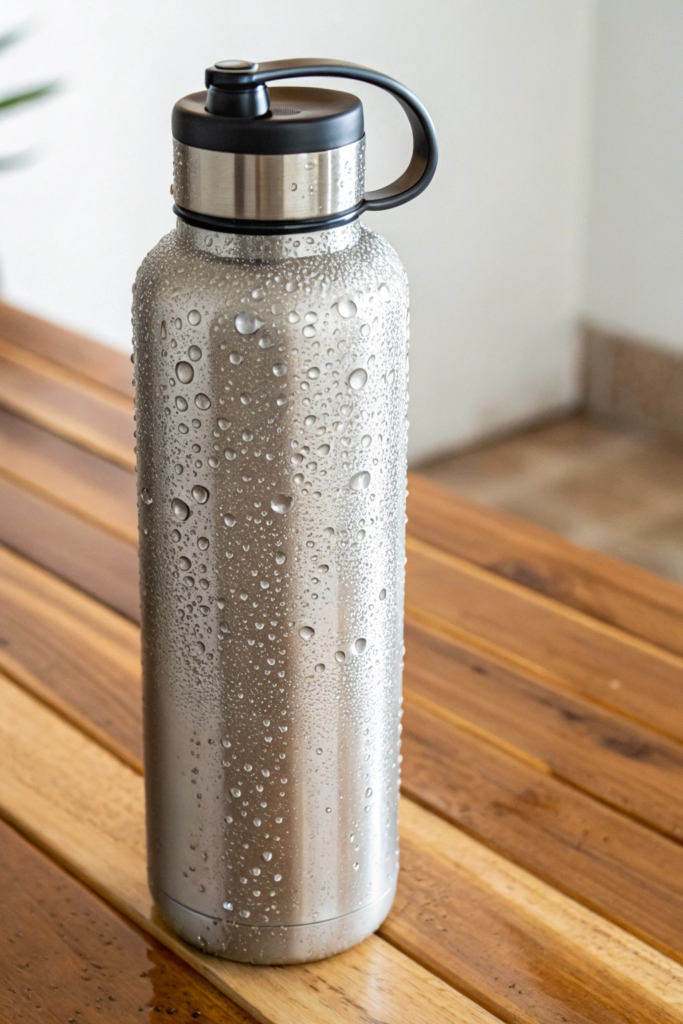
I have spent years in the gifting and production industry, and I always recommend stainless steel for anyone who likes warm drinks. I used to use plastic bottles until I realized how much they warped and smelled after just one hot refill. Stainless steel is the professional choice for a reason. To stay safe, you just need to know which grade of steel you are holding and how to keep it clean.
Can you put hot drinks in a stainless steel bottle?
Are you afraid that putting boiling water in your bottle might damage the metal or be dangerous to touch? Most modern bottles are built for this, but the type of insulation makes a huge difference in your experience.
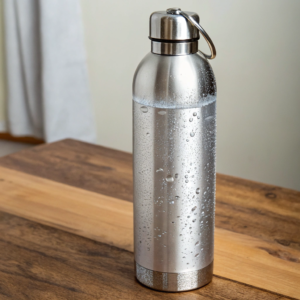
You can safely put hot drinks in stainless steel bottles, especially vacuum-insulated ones. These bottles are designed to keep the liquid hot for hours while keeping the exterior cool to the touch, preventing burns.
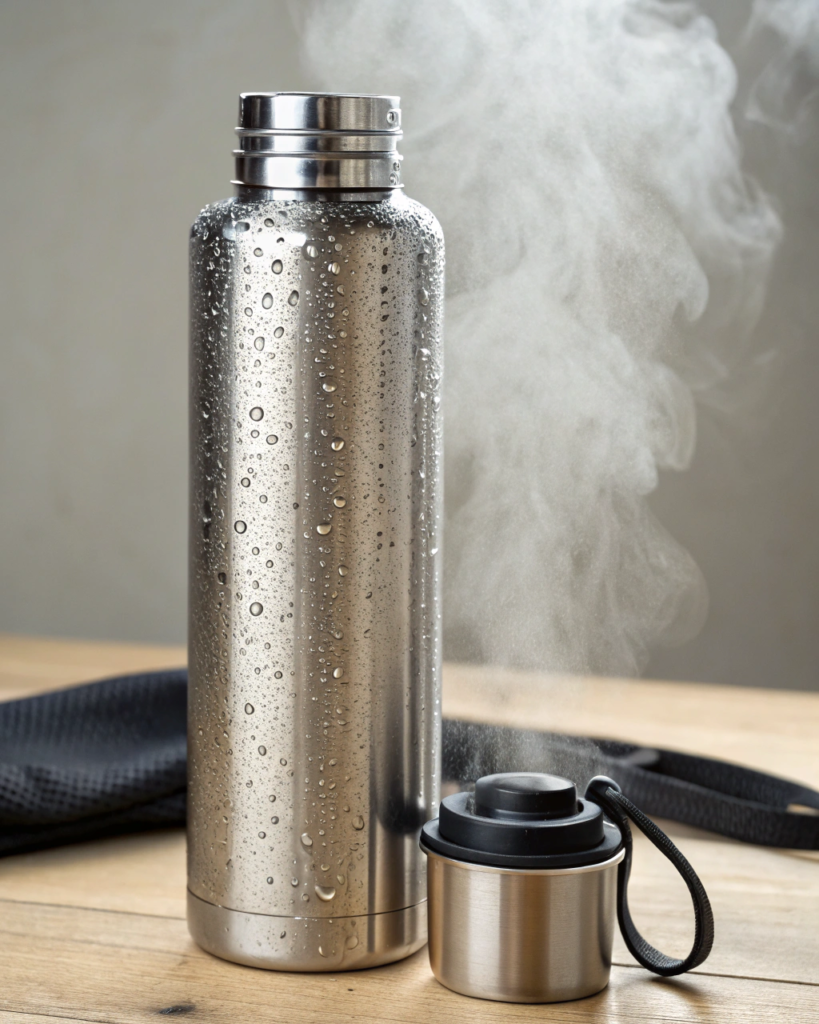
In my experience at Latitude, I always tell clients like Jacky that vacuum insulation is a game-changer. I remember a project where we tested different bottles for a coffee brand. The single-wall steel bottles got so hot they were impossible to hold without a sleeve. But the double-wall vacuum bottles kept the coffee steaming for twelve hours while the outside stayed room temperature.
When you use hot liquids, the steel doesn't just hold the heat; it resists absorbing the flavors. If you put coffee in a plastic bottle, that bottle will smell like coffee forever. With a 304-grade steel bottle, you can have tea in the morning and plain water in the afternoon without any leftover taste. This is why I advocate for high-quality steel in corporate gifts. It provides a premium experience that lasts. Just be careful when taking your first sip, as the insulation works so well that the water stays much hotter than you might expect.
| Bottle Type | Hot Liquid Suitability | Temperature Retention |
|---|---|---|
| Single-Wall Steel | Safe but gets very hot to touch | Low (Cools fast) |
| Double-Wall Vacuum | Best for hot drinks | High (6–12 hours) |
| Copper Lined Steel | Premium for heat | Extreme (12–24 hours) |
| Plastic Lined Steel | Avoid for hot drinks | Low (Potential leaching) |
Is it safe to drink hot water from stainless steel?
Do you worry about a "metallic taste" when you drink warm water from your bottle? Some people fear that this taste means the metal is dissolving into their drink, but the reality is usually about the quality of the finish.
Drinking hot water from food-grade stainless steel is safe because the material is non-reactive. It does not leach chemicals like BPA or phthalates, which are common concerns with plastic containers under heat stress.
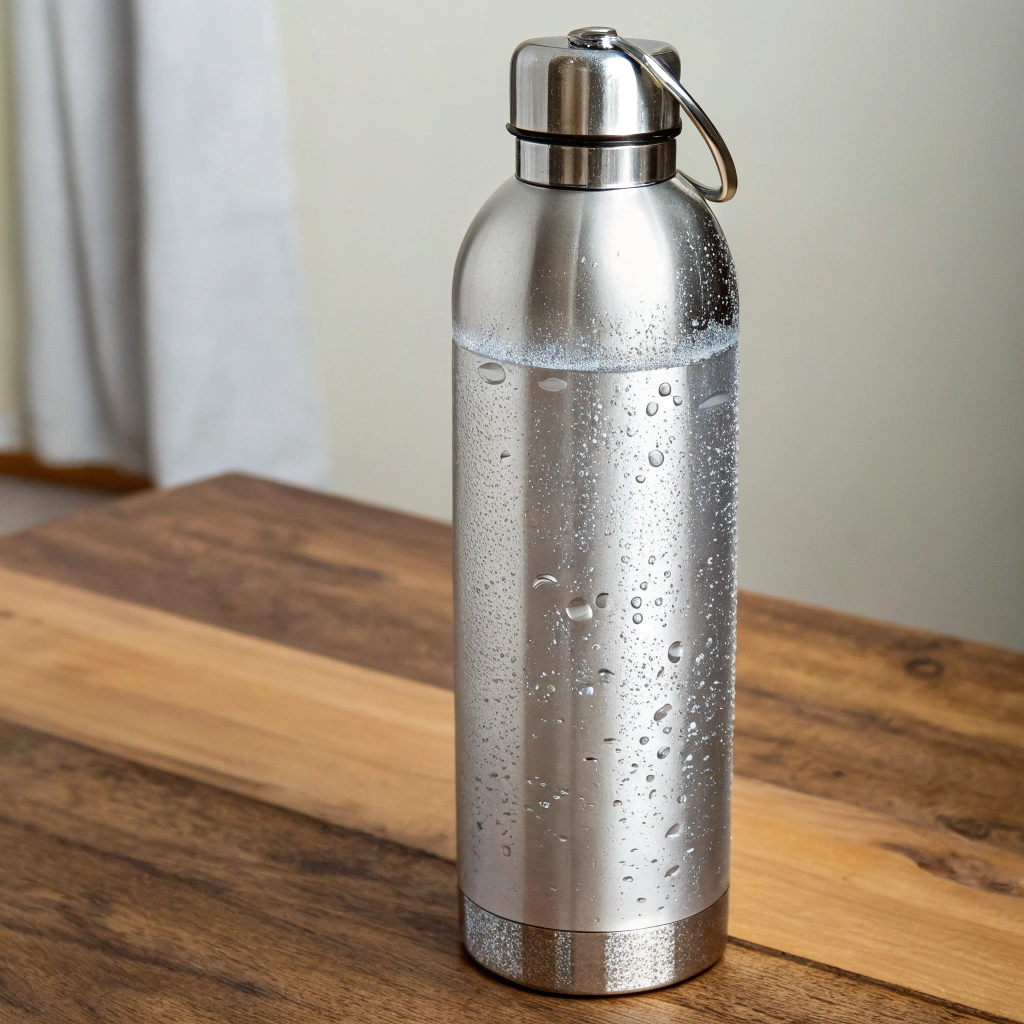
I have worked in printing factories where we handled many types of metals. I learned that the "metallic taste" often comes from low-grade steel or a bottle that hasn't been washed properly. If you use 18/8 food-grade steel, it is practically inert. This means it doesn't react with your water. I always suggest doing a "deep clean" with baking soda if you ever notice a weird taste.
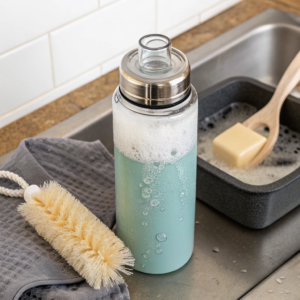
The real safety issue isn't the metal; it's the germs. Warmth and moisture are a playground for bacteria. I have seen people carry warm water all day and never scrub the lid. Because steel doesn't smell as bad as plastic, people think it's clean. But the silicone seals in the cap can hide mold. I make sure my team always checks the gaskets on the products we source. A safe bottle is one that is both high-quality and regularly scrubbed with hot, soapy water.
| Material Grade | Safety Level | Characteristics |
|---|---|---|
| 304 (18/8) Steel | Highest | Food-grade, corrosion-resistant, no leaching |
| 316 Steel | Medical Grade | Superior corrosion resistance (best for salt/acid) |
| 201 Steel | Lower | Cheaper, prone to rust over time with heat |
| Aluminum | Requires Liner | Not safe for hot water without a BPA liner |
Does stainless steel release toxins when heated?
Are you concerned that heat might release heavy metals into your beverage? With all the news about chemical leaching, it is natural to be cautious about what you use for your daily tea or coffee.
High-quality stainless steel does not release toxins when heated to normal drinking temperatures. It is a stable alloy that only begins to break down at much higher industrial temperatures far beyond boiling water.
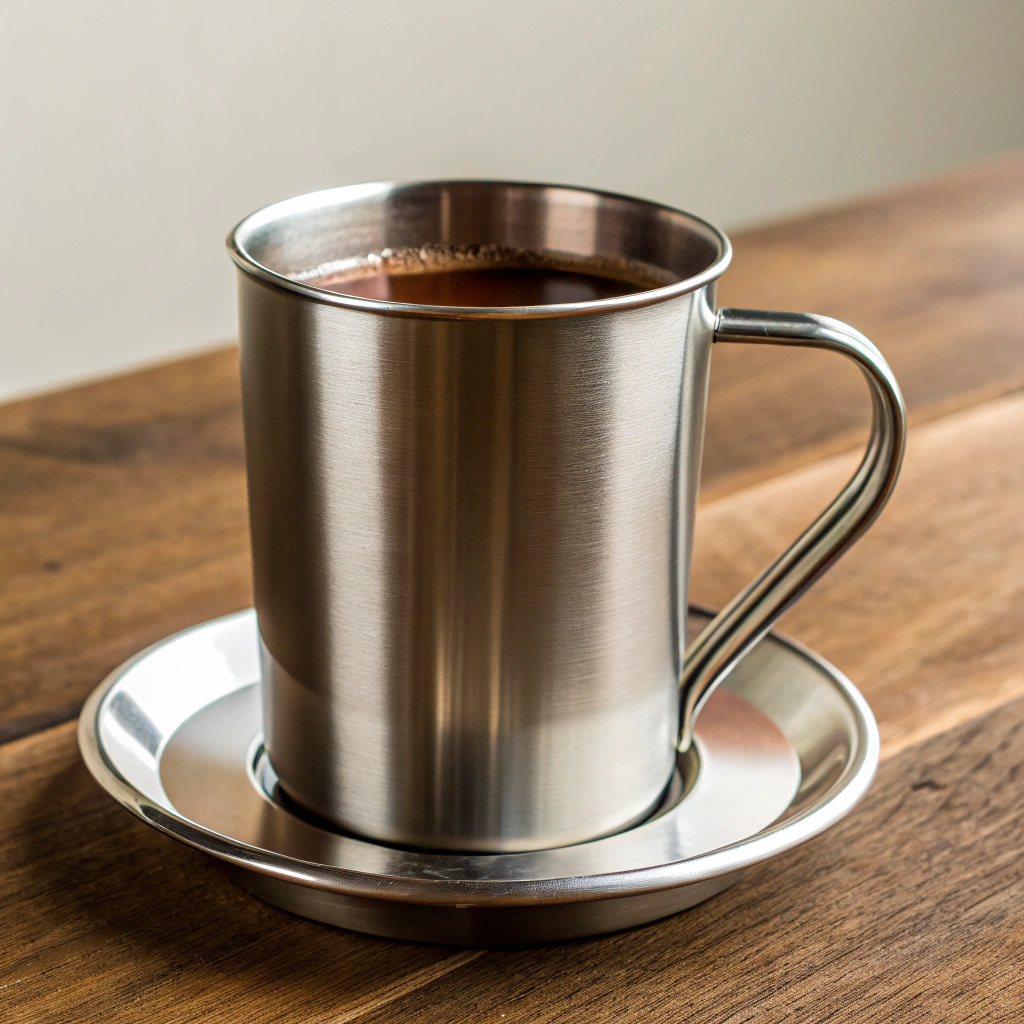
From a production standpoint, I have seen how stainless steel is tested. For it to be called "food-grade," it must pass strict leaching tests. Unlike plastic, which can release microplastics or chemicals when it gets warm, steel stays solid. I once had a client ask if lemon water would eat through the steel. I explained that while acid can affect low-grade metal, 304 steel is built to handle it.
The only time you should worry is if you see rust or deep scratches inside the bottle. This usually only happens with very cheap, non-branded bottles. That is why I always check the material certifications for every batch we produce at Latitude. I want my customers to know their health is protected. If you stick to trusted suppliers who understand branding and quality, you never have to worry about toxins. A good steel bottle is a one-time purchase that pays you back in safety and durability for years.
| Factor | Stainless Steel | Plastic (BPA-Free) |
|---|---|---|
| Chemical Leaching | None at drinking temps | Possible at high temps |
| Heat Stability | Very High (No warping) | Low (Can warp or melt) |
| Odor Retention | Very Low | High |
| Recyclability | 100% Recyclable | Limited recycling options |
Conclusion
Drinking warm water from high-quality stainless steel is safe and healthy. Ensure you use food-grade 304 steel, clean the bottle daily, and avoid low-quality uncertified metals to enjoy the best experience.
My Role
About me:
Latitude Experience Pte Ltd was founded by Francis Loh, a passionate advocate for branding through corporate gifts. Beginning his career in a humble printing factory, Francis gained hands-on experience in production, design, and client servicing. With a deep understanding of the printing and gifting industries, he later established Latitude to help businesses elevate their brand presence through meaningful, well-crafted promotional gifts.
Over the years, Latitude has supported numerous clients in growing their businesses with practical and impactful gifting strategies. Grateful for the opportunities the industry has brought him, Francis is now committed to giving back—sharing his knowledge, insights, and experiences to help others succeed in their branding journey through corporate gifts.