Is it ok to put tea in a plastic water bottle?
Are you worried that your morning tea might be melting your plastic bottle from the inside out? Many people use whatever container is nearby, but heat and plastic are a risky combination for your health.
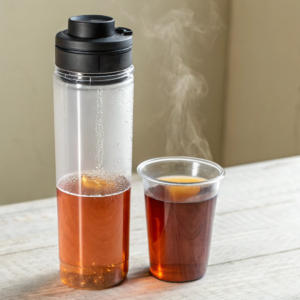
It is only okay to put tea in a plastic water bottle if the tea is cold or lukewarm and the bottle is rated for food use. You should never put boiling or hot tea into standard plastic bottles, as the heat can cause the plastic to warp, leak chemicals, and release microplastics into your drink.
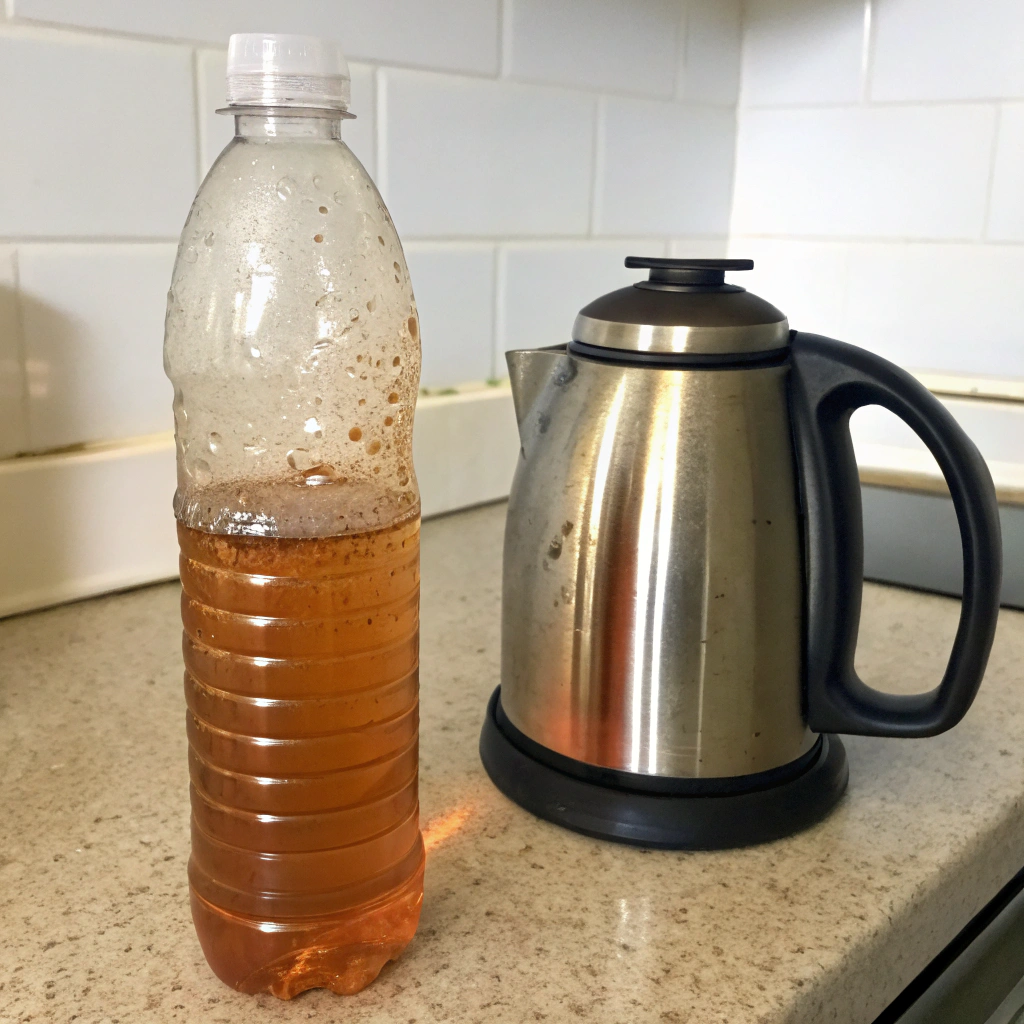
Most people think "BPA-free" means a bottle is indestructible and perfectly safe for any temperature. But if you keep reading, you will see why the science of heat and plastic is much more complex than a simple label on the bottom of a bottle.
Is it safe to put tea in a plastic bottle?
Do you feel like your tea tastes a bit "off" or like plastic when you drink it from a reusable bottle? This strange taste is often a sign that the material is reacting to the heat and the acids in your tea.
Safety depends entirely on the type of plastic and the temperature of the tea. While high-quality plastics like Tritan are designed for heat, most common water bottles can leach phthalates or other hormone-disrupting chemicals when exposed to hot liquids. These chemicals can accumulate in your body over long-term use.
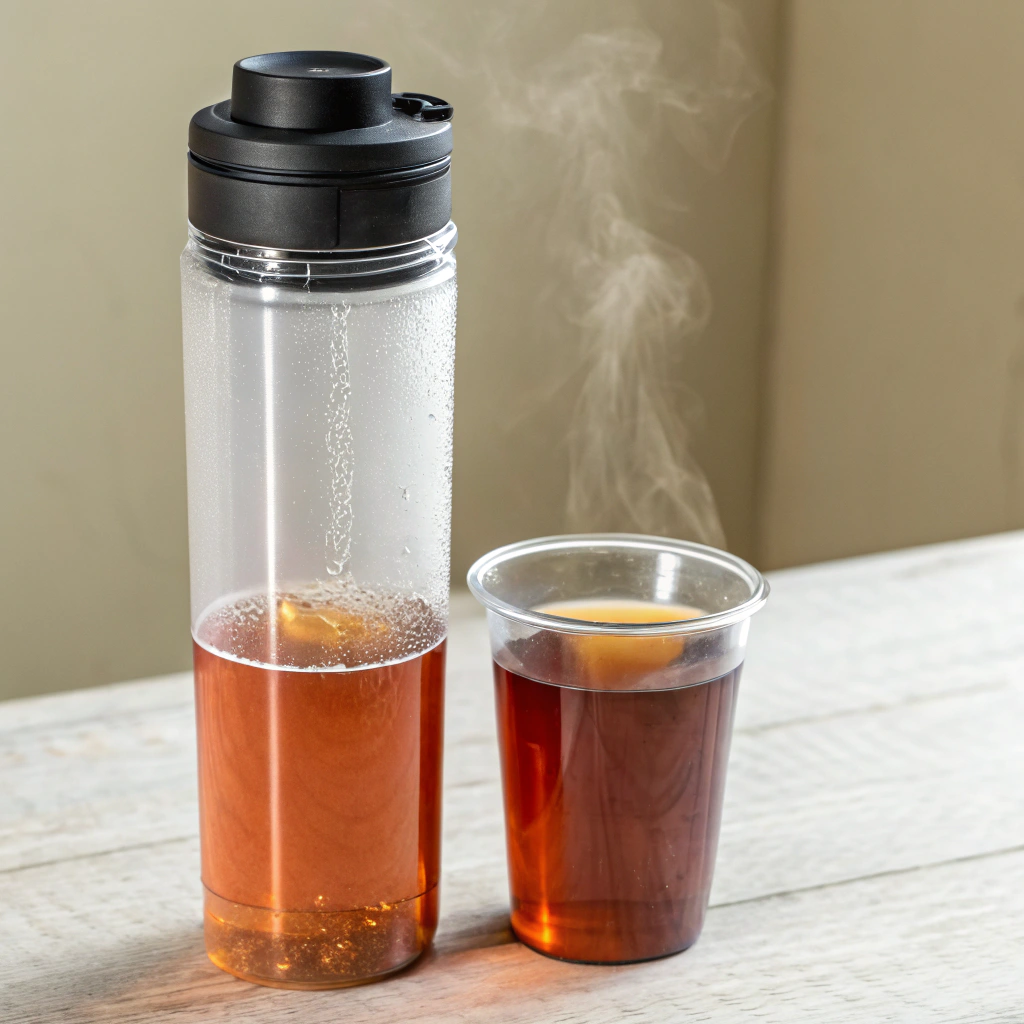
In my experience with product sourcing, I have learned that "food-safe" does not mean "heat-safe." I once tried to save time by pouring hot tea into a regular gym bottle, and the bottle actually started to shrink and smell like a tire fire. It was a wake-up call. Tea is not just flavored water; it contains tannins and natural acids. These compounds interact with the plastic surface much more aggressively than plain water does. If you are using a cheap bottle, the heat opens up microscopic pores in the plastic, allowing these acids to pull chemicals out of the material. This is why your bottle might stay stained or smell like Earl Grey for a month. If you must use plastic, wait until the tea is cool enough to touch comfortably before pouring it in. This simple step significantly reduces the risk of chemical migration.
Plastic Types and Heat Suitability
| Plastic Type (Code) | Name | Heat Resistance | Recommended for Hot Tea? |
|---|---|---|---|
| #1 (PET/PETE) | Polyethylene | Very Low | No (Cold drinks only) |
| #2 (HDPE) | High-Density Poly | Low | No |
| #5 (PP) | Polypropylene | High | Yes (Up to a point) |
| #7 (BPA-Free/Tritan) | Other / Specialty | Very High | Yes (Best plastic option) |
How to make tea to avoid microplastics?
Are you concerned about the recent news that we might be consuming thousands of tiny plastic particles every day? Standard tea bags and plastic brewing tools are the most common sources of these invisible contaminants in your kitchen.
To avoid microplastics, switch from plastic tea bags to loose-leaf tea and use stainless steel or glass brewing tools. Many modern tea bags are made from nylon or PET plastic, which can release billions of microplastic and nanoplastic particles into a single cup when steeped in boiling water.

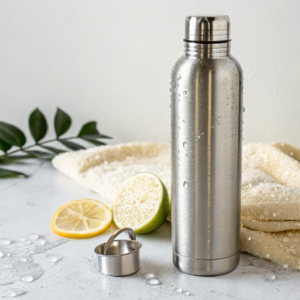
I used to think paper tea bags were safe, but I learned that many are sealed with a thin layer of plastic to keep them from falling apart. When I shifted to loose-leaf tea, I noticed two things: the taste improved dramatically, and my conscience felt better. To really avoid plastic, look at your whole routine. Do you use a plastic electric kettle? Does your infuser have plastic parts? Heat is the catalyst for plastic breakdown. By choosing a glass or ceramic teapot, you eliminate the source of the problem. If you are on the go, use a double-walled glass bottle or a high-grade stainless steel flask. These materials are chemically stable, meaning they won't break down into tiny pieces no matter how hot the water is. It is a small change that has a big impact on your long-term health and the environment.
Top Tips for Plastic-Free Brewing
| Step | Plastic-Heavy Choice | Safe Alternative |
|---|---|---|
| Sourcing | Nylon tea bags | Loose-leaf tea |
| Heating | Plastic kettle | Glass or Steel stovetop kettle |
| Steeping | Plastic mesh infuser | Stainless steel or Ceramic basket |
| Drinking | Plastic travel mug | Vacuum-insulated steel flask |
Does plastic release toxins when heated?
Do you ignore the "hand wash only" or "no microwave" warnings on your plastic containers? These labels are not just suggestions; they are safety warnings meant to prevent the breakdown of the material into your food and drink.
Yes, most plastics release chemicals like bisphenols and phthalates when they are heated. Even "BPA-free" plastics often contain substitute chemicals like BPS, which may have similar toxic effects. Heat increases the kinetic energy in the plastic molecules, causing these additives to break their bonds and leak into the liquid.
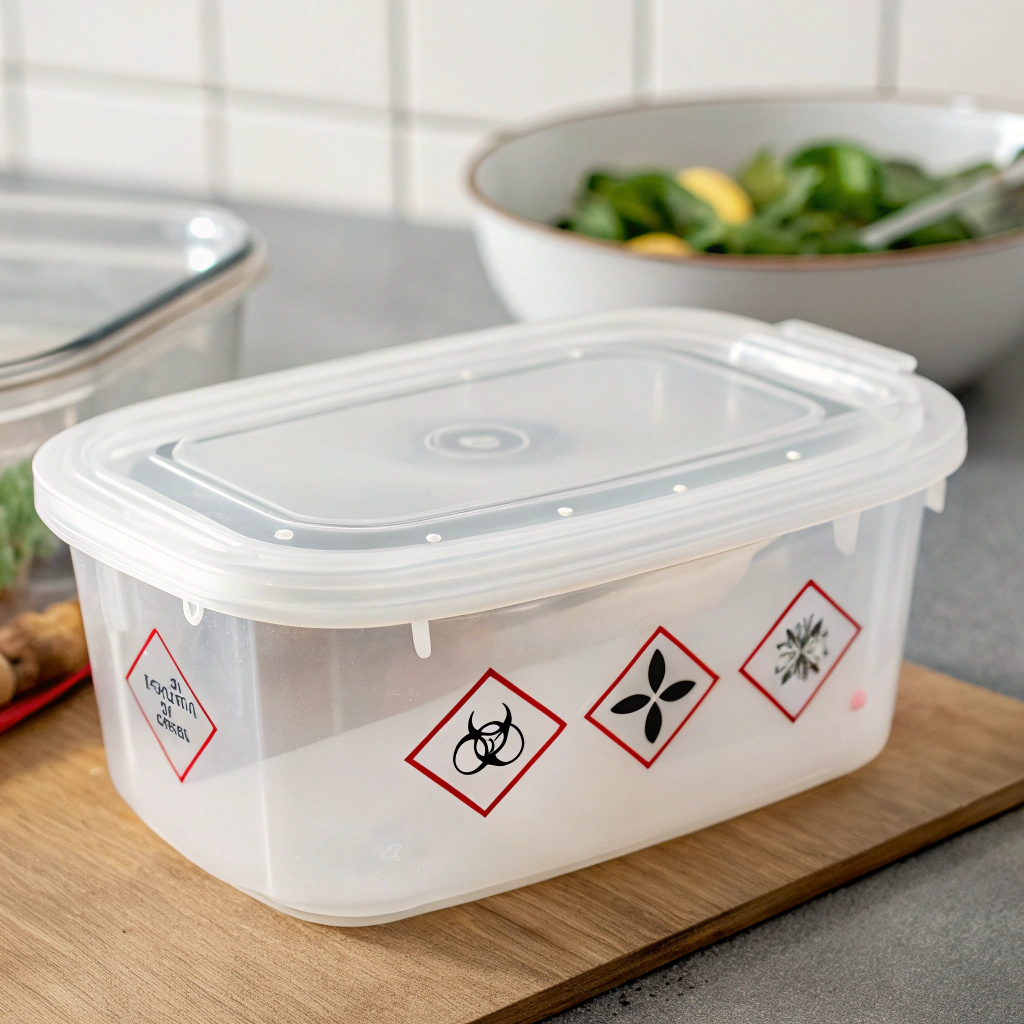
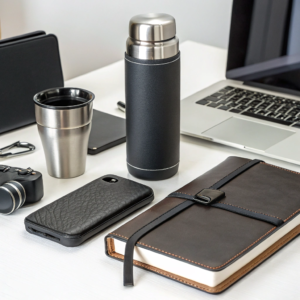
The term "toxin" sounds scary, but it is a real concern in material science. Plastics are not solid blocks; they are like a "soup" of polymers and additives held together. When you add boiling water for tea, you are basically "cooking" the bottle. This causes structural distortion, which you might see as a clouding or warping of the plastic. This "cloudy" look is actually a sign that the surface of the plastic is breaking down. I always tell managers like Jacky that for corporate gifts, they should choose 18/8 food-grade stainless steel instead. It costs more, but it never releases toxins, no matter the temperature. It is a one-stop solution for safety and durability. If you are stuck with a plastic bottle, treat it as a cold-use item only. This preserves the life of the bottle and ensures your tea remains a healthy drink instead of a chemical cocktail.
Common Additives in Consumer Plastics
| Additive | Purpose | Potential Risk |
|---|---|---|
| BPA / BPS | Hardens the plastic | Endocrine disruption |
| Phthalates | Makes plastic flexible | Hormonal interference |
| Stabilizers | Prevents UV damage | Long-term bioaccumulation |
| Dyes | Provides color | Heavy metal exposure (if low quality) |
Conclusion
Putting hot tea in a plastic water bottle is generally not safe due to chemical leaching and microplastic release. To enjoy your tea safely, use glass or stainless steel containers, or wait for the tea to cool completely before using plastic.