What is the best way of drinking water from a bottle?
While drinking from a bottle seems like a mindless task, the way you sip can actually change how well your body hydrates. Proper technique ensures you absorb more water and avoid the bloating or discomfort that comes with gulping.
The best way to drink water from a bottle is through small, frequent sips rather than chugging large amounts at once. This steady pacing allows your body to absorb water more efficiently. For the best experience, maintain a controlled tilt to avoid swallowing excess air and keep the bottle opening clean to prevent bacteria transfer.
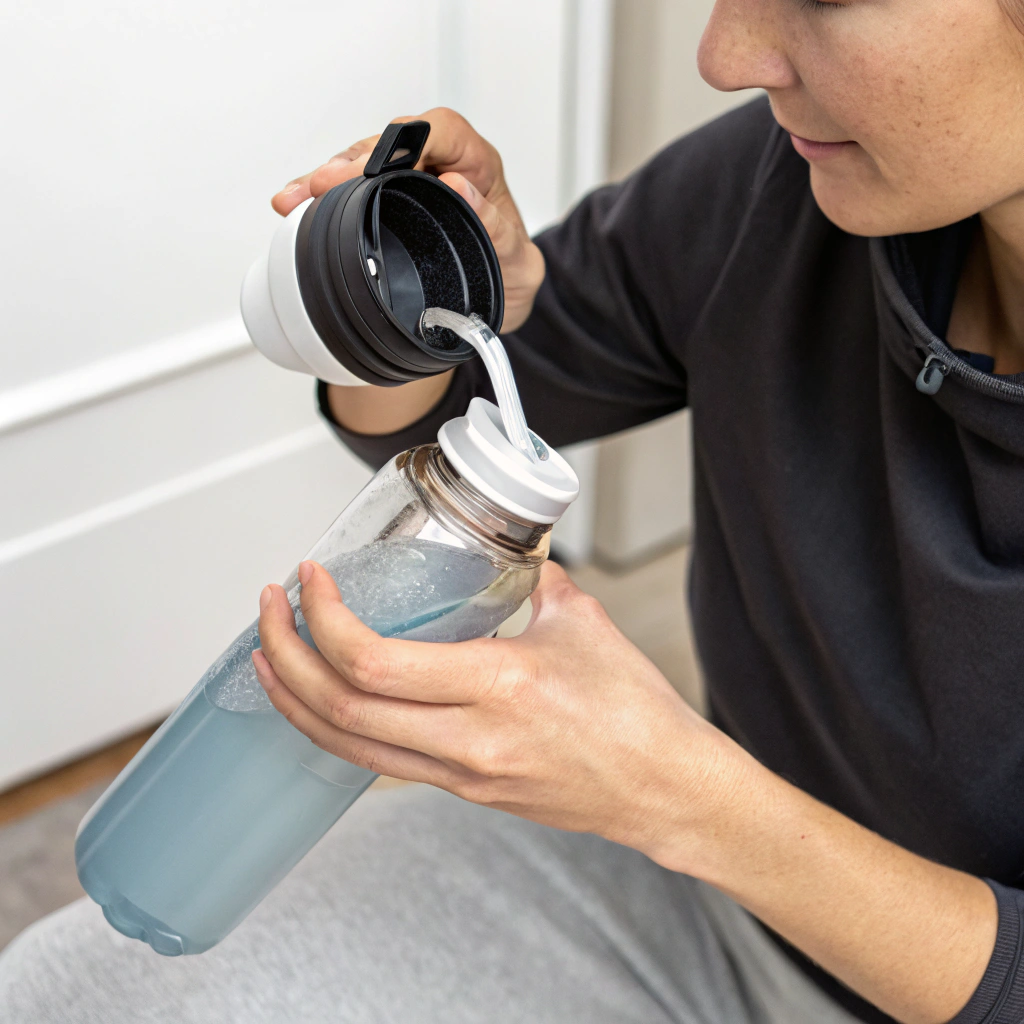
I have observed that most people wait until they are "thirsty" and then try to drink half a liter in one go. In my experience, this usually just leads to feeling bloated and needing to use the restroom shortly after. I think of the body like a plant; it absorbs moisture better when it is drizzled consistently rather than flooded. Small, intentional sips throughout the day keep your energy levels stable and your hydration on point.
Can diabetics use hot water bottles?
For individuals with diabetes, common comfort items like hot water bottles require extra caution due to how the condition affects the body's ability to sense temperature.
Diabetics should use hot water bottles with extreme caution, or avoid them on the feet entirely. Many people with diabetes experience peripheral neuropathy1, which numbs the nerves in the extremities. This means they might not feel if a bottle is too hot, leading to severe burns or blisters without them realizing it.
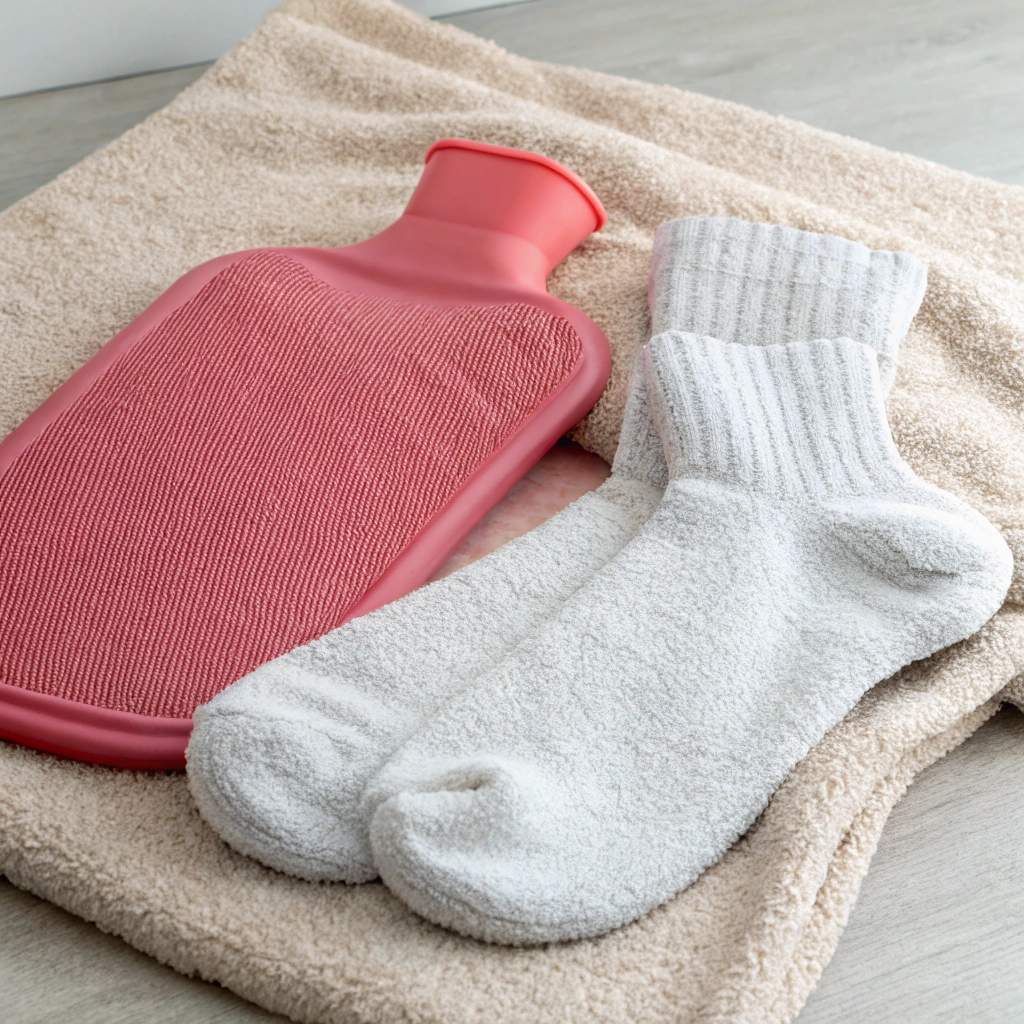
I always suggest that safety should come before comfort. If you have diabetes and want to use a hot water bottle for warmth, always have someone else test the temperature first, or use a thermometer to ensure it is lukewarm, not hot. Never place the bottle directly against the skin; always use a thick cover or wrap it in a towel. Because healing can be slower for those with diabetes, preventing a burn is much easier than treating one.
Can drinking water reduce blood infection2s?
Water is the foundation of health, but its role in treating or preventing serious infections is often misunderstood. It supports the system, but it isn't a cure-all.
Drinking water cannot directly cure a blood infection (sepsis), which requires immediate medical treatment like antibiotics. However, staying hydrated supports your kidneys and helps your body flush out toxins, which strengthens your overall immune system and helps your body recover faster from illnesses.
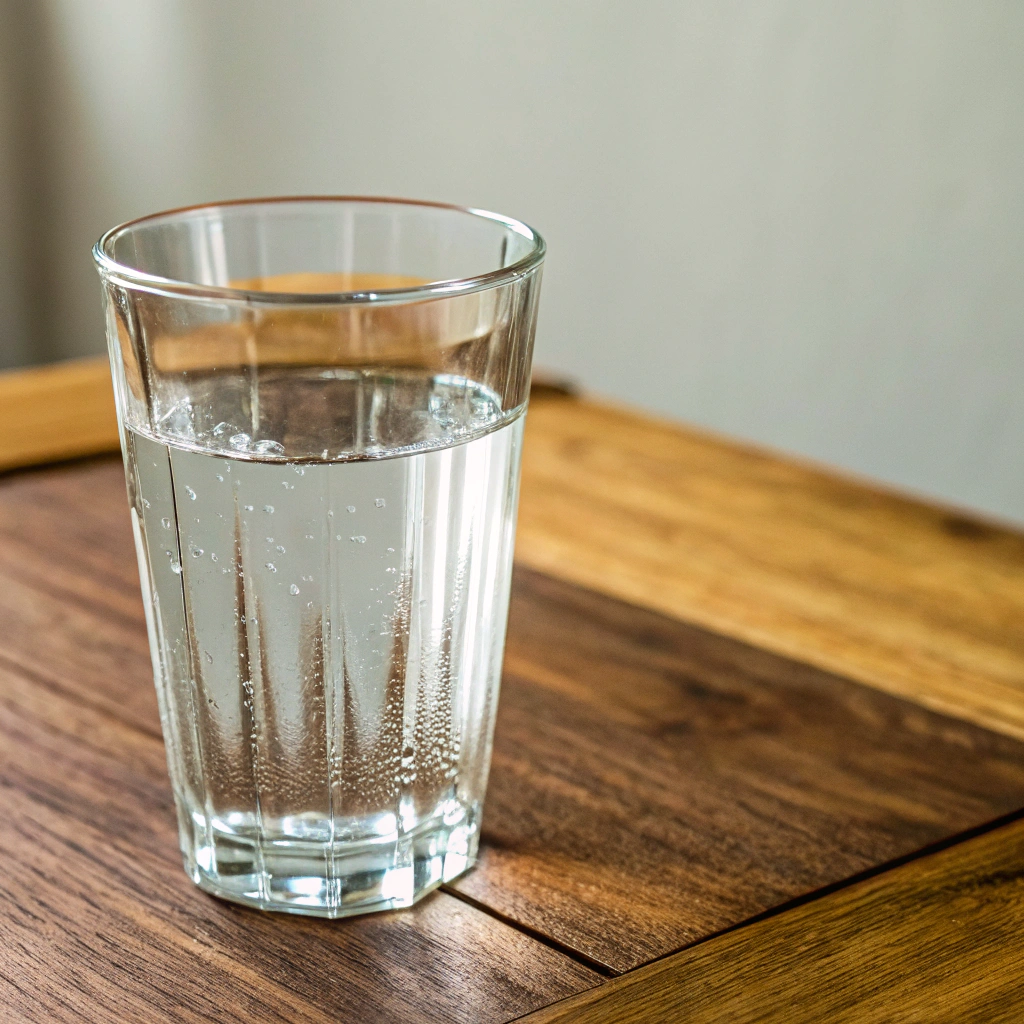
When I look at health holistically, I see water as the "transport system" for the body. It carries white blood cells where they need to go and moves waste out. If you are dehydrated, your blood becomes more viscous (thicker), making it harder for your body to fight off any invading germs. While water won't kill a "blood infection," being well-hydrated is like keeping the roads clear for your body’s internal emergency services to do their job.
Is it safe to drink bottled water every day?
With the convenience of bottled water comes questions about long-term health and the quality of the plastic used to hold it.
It is generally safe to drink bottled water daily if it is stored properly, but it is not the ideal long-term choice. The main risks come from microplastics3 and chemical leaching, especially if the bottles are exposed to heat or reused many times. For daily use, a filtered tap water system and a reusable glass or steel bottle are healthier and more sustainable.
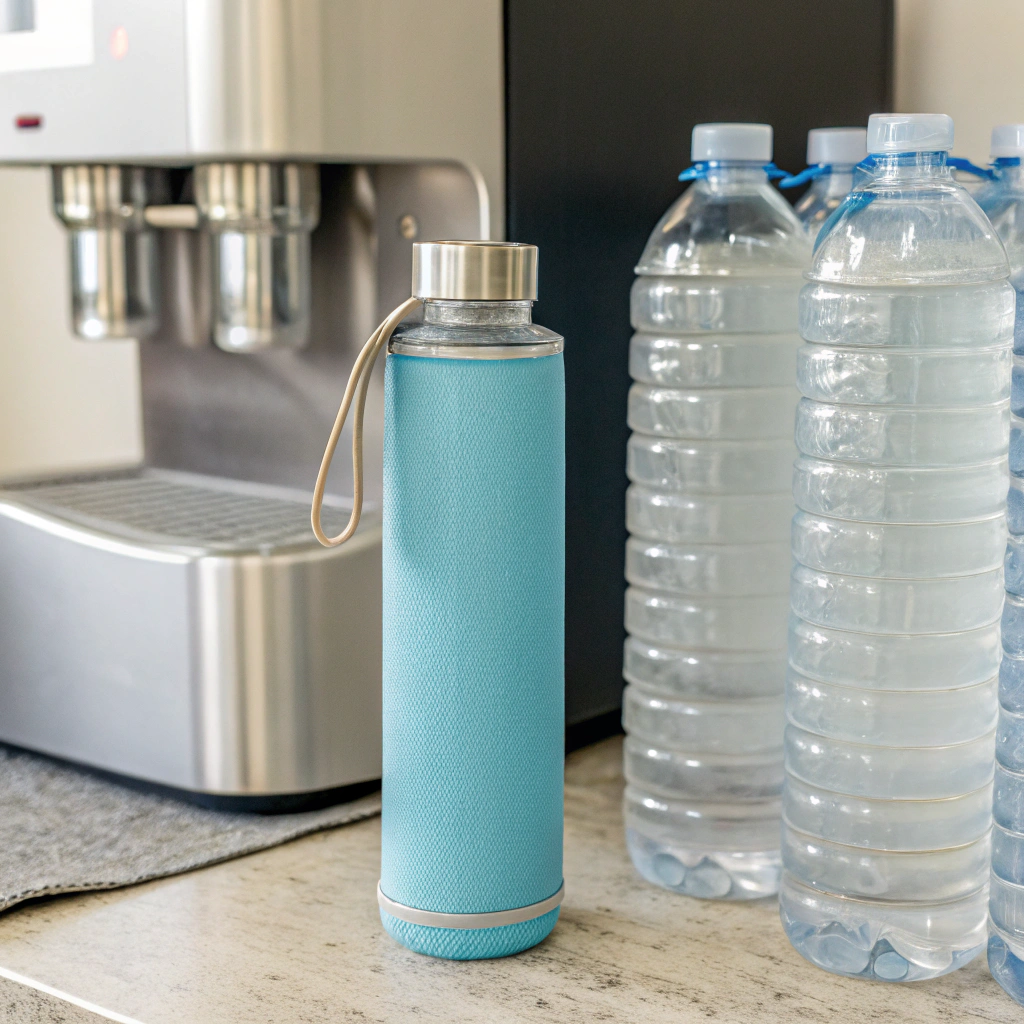
I find that many people buy bottled water because they don't trust their tap, but in many regions, tap water is actually tested more frequently than bottled water. If you do drink bottled water every day, make sure you never leave those bottles in a hot car. Heat speeds up the process of chemicals from the plastic moving into the water. In my personal routine, I prefer using a high-quality filter at home. It gives me the same purity as bottled water without the worry of plastic exposure or the extra cost.
| Drinking Method | Pacing | Hygiene Risk | Hydration Efficiency |
|---|---|---|---|
| Chugging | Rapid | Low | Moderate (Flushes out quickly) |
| Consistent Sipping | Steady | Low | High (Maximum absorption) |
| Shared Bottle | Varies | High | Varies |
| Straw/Valve | Controlled | Moderate | High (Reduces air intake) |
Conclusion
The best way to stay hydrated is to sip steadily from a clean, high-quality bottle. Avoid extremes—whether it's water temperature or drinking volume—and focus on making hydration a quiet, consistent part of your day.
-
Understanding peripheral neuropathy is crucial for diabetics to manage their condition and prevent injuries. ↩
-
Understanding blood infection treatments can help you recognize the importance of timely medical intervention. ↩
-
Discover the potential health impacts of microplastics to make safer choices regarding your drinking water. ↩