What are the tips to choose the perfect water bottle for hiking?
Choosing a hiking bottle often feels like a simple weight-and-volume check, but the real test happens five miles into a steep climb. The perfect bottle isn't just about how much it holds; it is about how easily you can use it when you are tired.
To choose the perfect hiking bottle, focus on accessibility, weight-to-volume ratio, and thermal needs. You need a bottle that you can reach without stopping your pace, is light enough to carry for hours, and matches the temperature of your environment to keep you safely hydrated.
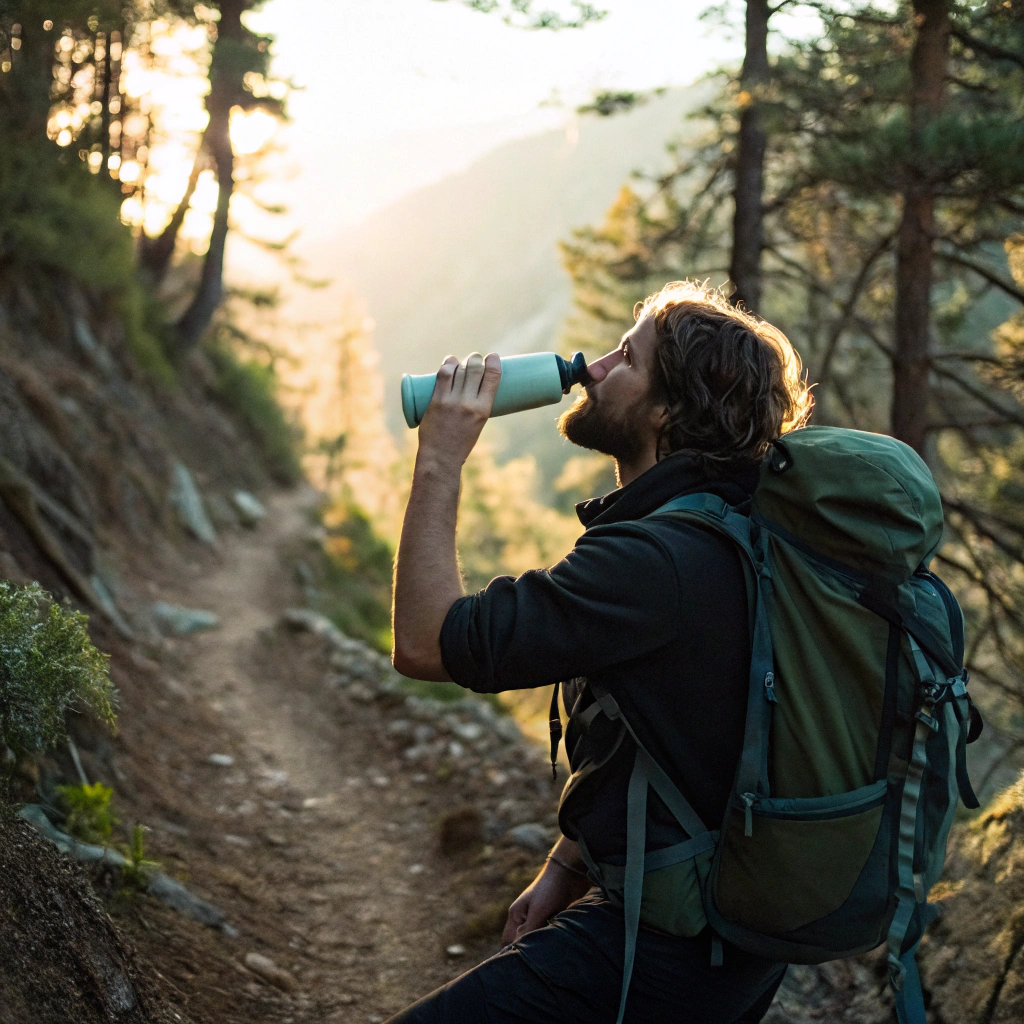
I have spent a lot of time on trails, and I have learned that if a bottle is hard to reach, you simply won't drink. Many hikers pack a huge bottle deep in their bag, but hydration is about small, frequent sips, not one big drink every two hours. Your bottle should be a tool that works with your movement. It should fit perfectly in your side pocket and be easy to open with one hand. When you are exhausted, any extra effort to get a drink becomes a reason to skip it.
What type of water bottle is best for hiking?
The "best" bottle changes depending on where you are walking and for how long. You have to balance the need for durability with the reality of carrying every extra gram on your back.
The best hiking bottle for most people is a BPA-free plastic bottle1 or a lightweight stainless steel2 one. For short, fast hikes, lightweight plastic wins on weight. For long days in extreme heat or cold, insulated stainless steel is better because it protects your water from freezing or becoming too hot to drink.
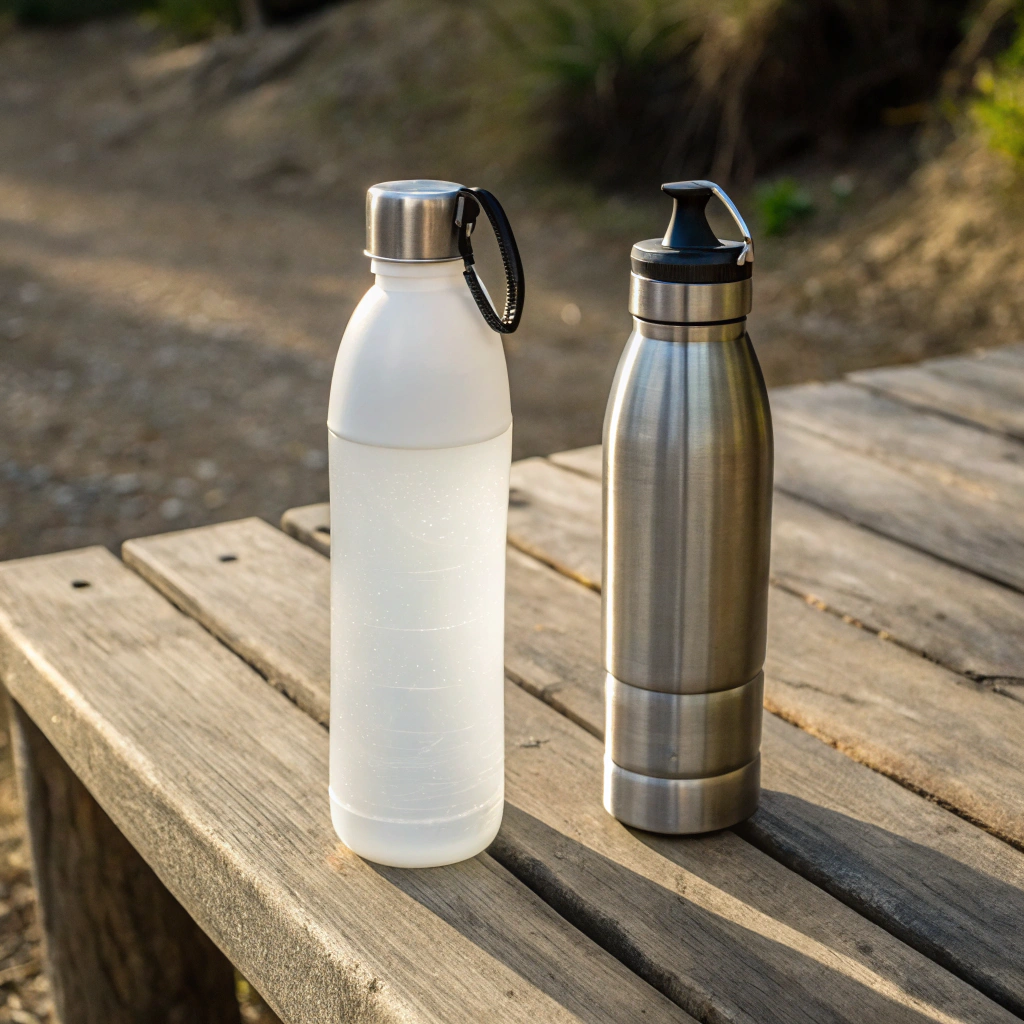
In my experience, the design of the lid is just as important as the material. On the trail, a simple screw-top or a high-flow bite valve3 is much better than a complicated flip-top that might break if you drop it on a rock. I always look for a bottle with a wide mouth. This makes it much easier to add ice or use a water filter if you need to refill from a stream. It also makes cleaning much easier when you get home. Reliability is everything when you are miles away from the nearest tap.
| Hike Type | Recommended Material | Key Feature |
|---|---|---|
| Day Hike | Lightweight Plastic | Side-pocket accessibility |
| Winter Trek | Insulated Stainless Steel | Prevents water from freezing |
| Summer Heat | Double-Walled Steel | Keeps water cold for 24+ hours |
| Long Distance | Collapsible TPU / Plastic | Saves space when empty |
Why do hikers use plastic water bottles?
You might see experienced hikers carrying simple plastic bottles that look like they came from a grocery store. There are very practical reasons why these are still popular on the trail.
Hikers use plastic bottles because they are incredibly lightweight and inexpensive. In long-distance hiking, every ounce of weight matters, and high-quality plastic bottles are often much lighter than metal ones while still being tough enough to handle being dropped on dirt or grass.
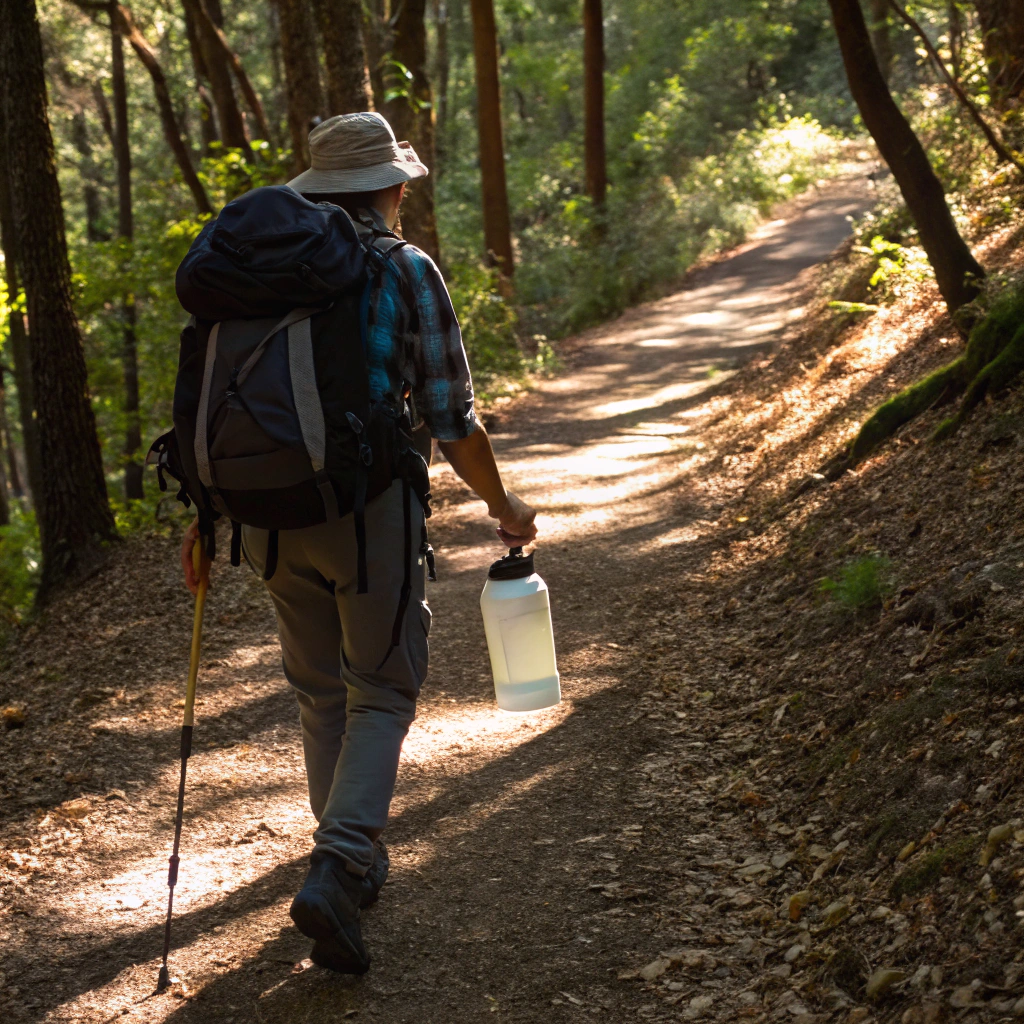
When I talk to long-distance trekkers, weight is always the first priority. A heavy metal bottle might weigh a pound before you even put water in it. On a 20-kilometer hike, that extra weight feels much heavier by the end of the day. Plastic is also flexible. I have seen hikers squeeze plastic bottles into tight spaces in their packs where a metal bottle wouldn't fit. While plastic isn't as good at keeping water cold, many hikers find the weight savings are worth the trade-off. It is all about choosing the right tool for the specific job.
Are metal water bottles better than plastic for hiking?
Metal and plastic both have their fans, but "better" really depends on the weather and how much you care about the temperature of your drink.
Metal bottles are better than plastic for hiking in extreme temperatures because of their insulation. They keep water ice-cold in the desert and prevent it from freezing in the mountains. However, plastic is better for hikers who want to move fast and keep their pack weight as low as possible.
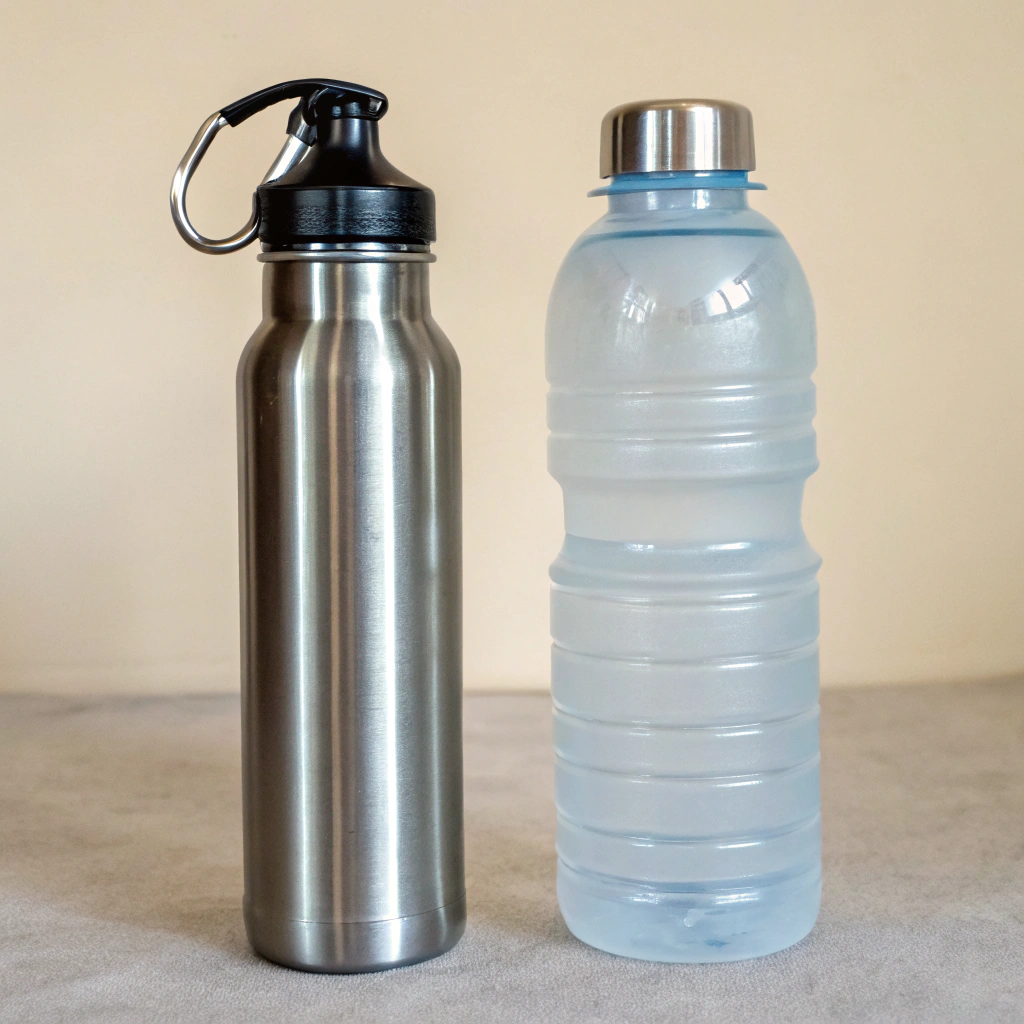
I personally prefer metal bottles when I know I will be out in the sun all day. There is nothing better than a cold drink when you reach a hot summit. But I have also learned that metal bottles can be loud; they clank against your gear, and if you drop one on a rock, it makes a lot of noise. Plastic is quieter and often survives drops better because it bounces instead of denting.
I usually tell people to think about their "thermal strategy." If the weather is mild, go with plastic to save weight. If you are going to be in 30-degree heat or sub-zero cold, the extra weight of a metal bottle is a safety feature because it keeps your water drinkable. The goal is to make hydration automatic so you can focus on the view, not your gear.
Conclusion
The perfect hiking bottle is the one that stays within reach and matches your trail conditions. Choose lightweight plastic for speed and ease, or insulated metal for extreme temperatures. Reliability is your best friend on the trail.
-
Explore the advantages of BPA-free plastic bottles, including safety and lightweight design, perfect for hiking. ↩
-
Discover why lightweight stainless steel bottles are ideal for hiking, offering durability and insulation. ↩
-
Understand the convenience of high-flow bite valves for quick hydration on the go during hikes. ↩