Do You Like Paper, Plastic, or Cloth Grocery Bags?
Is choosing the right grocery bag actually as simple as "paper or plastic?" Many people pick a bag based on habit, but each choice has a hidden cost to the environment and your wallet.
The best grocery bag depends on how many times you reuse it. While cloth bags are the most durable, they must be used hundreds of times to be eco-friendly. Paper bags are better for recycling, and plastic bags are the most resource-efficient to make but the hardest to manage after use.
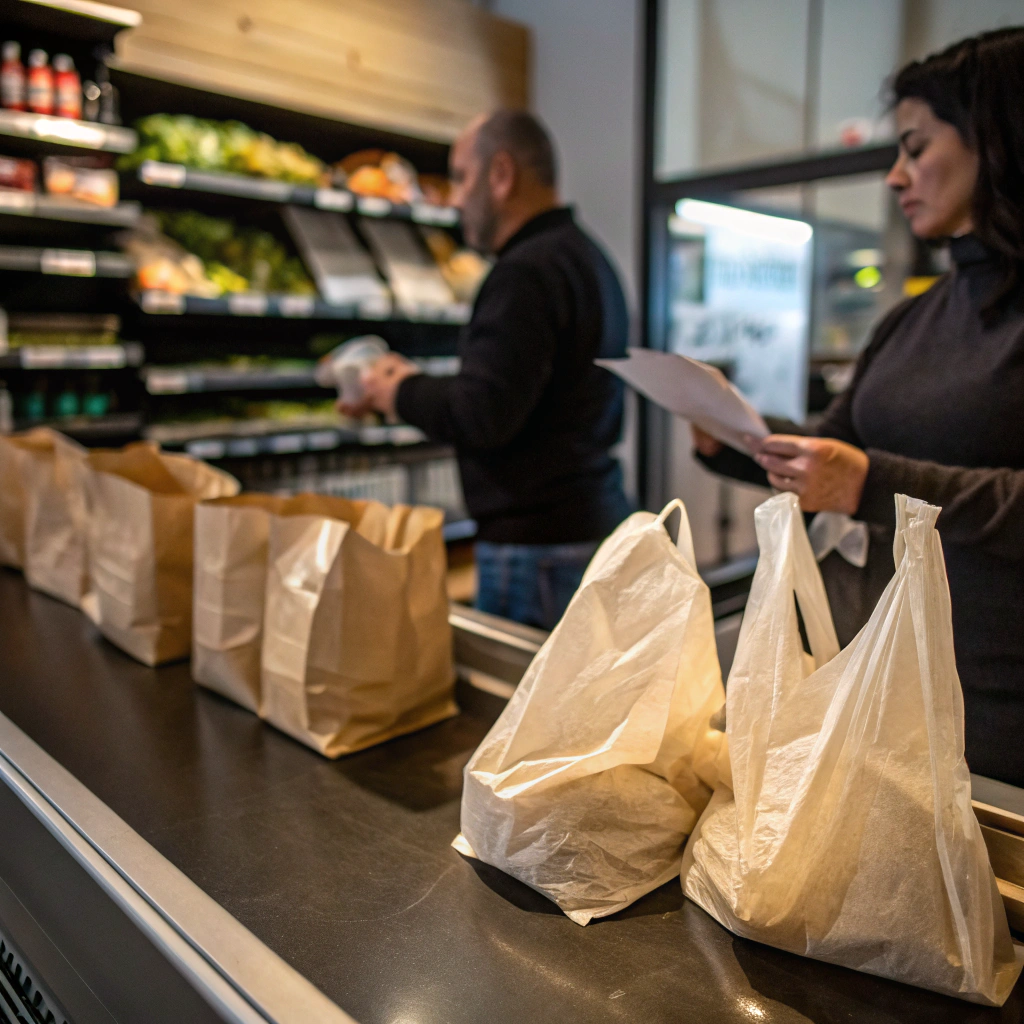
I have seen thousands of bags go through printing and production in my career. You need to read this because the "greenest" bag might not be the one you think.
Are Paper Grocery Bags Better Than Plastic?
Do you feel like you are doing the right thing by choosing paper at the checkout counter? While paper feels more natural, it actually takes much more energy and water to manufacture than a thin plastic bag.
Paper grocery bags1 are better than plastic for recycling and biodegrading, but they are less durable and have a higher carbon footprint during production. A paper bag is only a truly superior choice if you reuse it several times before recycling it, rather than treating it as a single-use item.
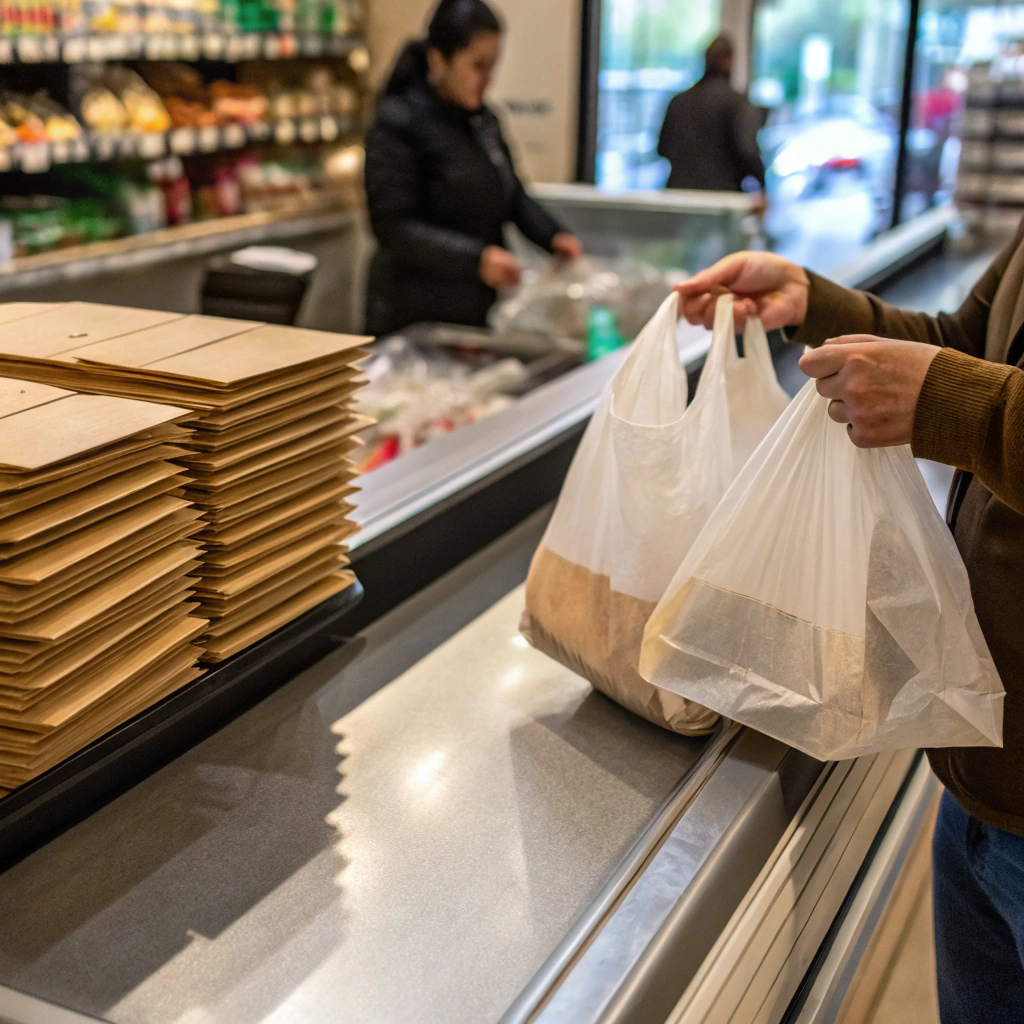
When I worked in the factory, I learned that making paper requires a lot of heavy machinery and water. Plastic is actually very "efficient" to make, but the problem is that it lasts forever in the ocean. This is the big trade-off. If you take a paper bag and use it once, you might actually be hurting the planet more than using a plastic one. But, if you use that paper bag for your recycling or as a book cover, you win. I always tell my clients like Jacky that we need to look at the "whole life" of the product. It is not just about the material; it is about the work the material does. If a bag breaks after one heavy bottle of milk, it was a bad choice. Paper is great for dry goods, but plastic is often stronger for heavy, wet items. We can compare the two based on real-world use.
| Feature | Paper Bag | Plastic Bag |
|---|---|---|
| Production Energy | High | Low |
| Recyclability2 | Very Easy | Very Difficult |
| Durability3 | Low (Tears easily) | Medium (Water-resistant) |
| Biodegradable | Yes (Fast) | No (Hundreds of years) |
I believe the secret is intentionality. If you choose paper, make sure you keep it dry and use it again. If you must use plastic, make sure it never ends up in the environment. It is a habit problem, not just a material problem.
Why Is It Recommended to Use Cloth or Paper Bags Instead of Plastic Bags?
Are you tired of hearing that plastic is the "enemy" of the environment? The reason experts push for cloth or paper is not just about the material, but about changing how we think about "disposable" culture.
It is recommended to use cloth or paper bags to reduce the massive volume of plastic waste that harms wildlife and ecosystems. Cloth bags encourage a "multi-use" mindset, while paper bags provide a circular lifecycle where the material can safely return to the earth through composting or recycling.
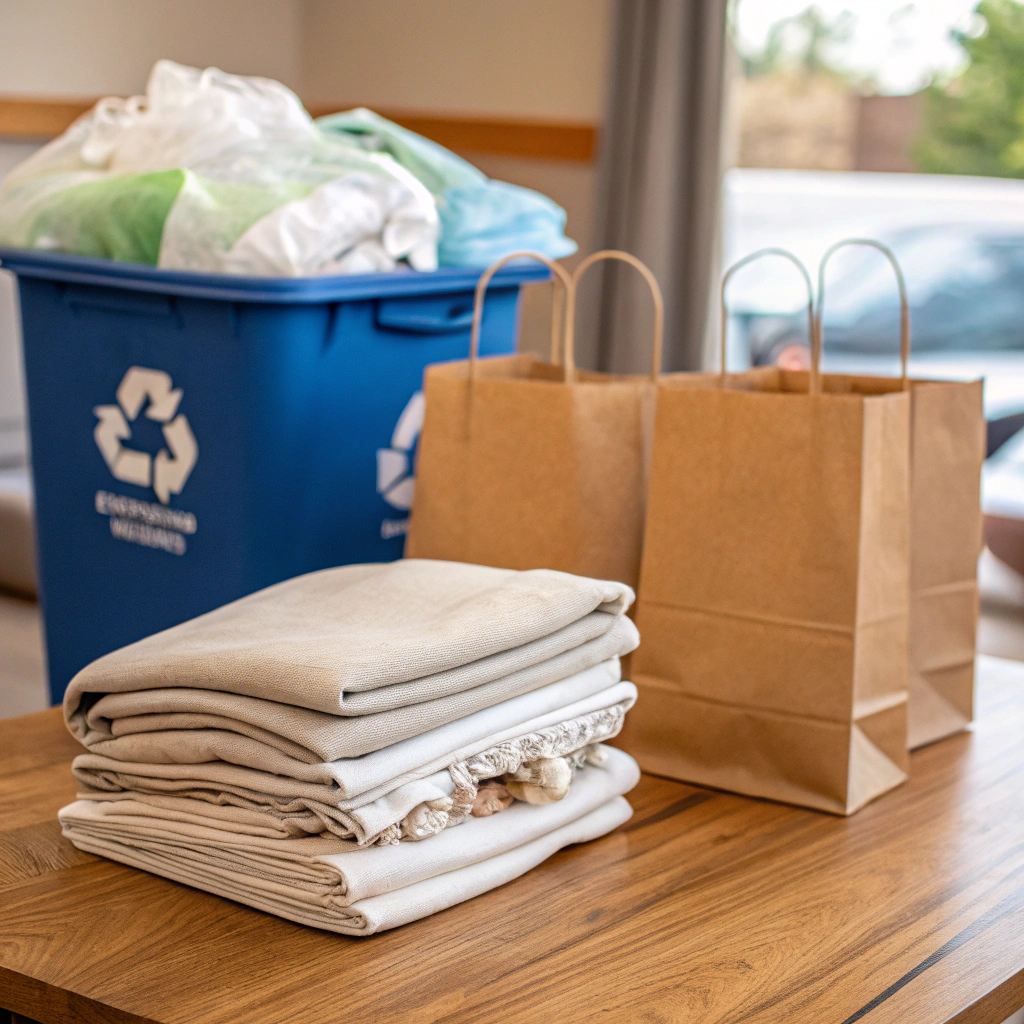
In my branding work at Latitude, I see more companies moving to cotton or canvas totes. This is a great move, but there is a catch. A cotton bag takes a huge amount of resources to grow and sew. If you have ten cloth bags at home but you keep forgetting them and buying new ones, you are not helping. You have to use one cloth bag hundreds of times to make up for the energy it took to make it. I tell my friends in Singapore that the "best" bag is the one you already have in your hand. We need to stop buying new "eco" bags and start using the ones we own. This is where real sustainability happens. It is a design for the long term.
| Bag Type | Recommended Reuses | Environmental Impact |
|---|---|---|
| Cotton Tote | 130+ Times | High initial impact, low long-term |
| Heavy Plastic | 5 - 10 Times | Medium impact |
| Standard Paper | 3 - 4 Times | Good for recycling |
| Single-use Plastic | 1 Time | Very high waste impact |
I always carry a small foldable cloth bag in my pocket. It is a small habit, but it means I never have to ask for a bag at the store. This is the goal. We want to move away from the idea that everything we touch should be thrown away after five minutes.
Which Is Better, a Plastic Bag or a Paper Bag?
Do you find yourself stuck at the grocery store, wondering which choice is the "lesser of two evils?" The answer depends entirely on what you plan to do with the bag after you get home.
A plastic bag is better for moisture and strength, while a paper bag is better for the environment if you plan to recycle or compost it. Neither is "perfect," but the paper bag is the safer choice for the planet because it will break down naturally if it accidentally enters the ocean or a forest.
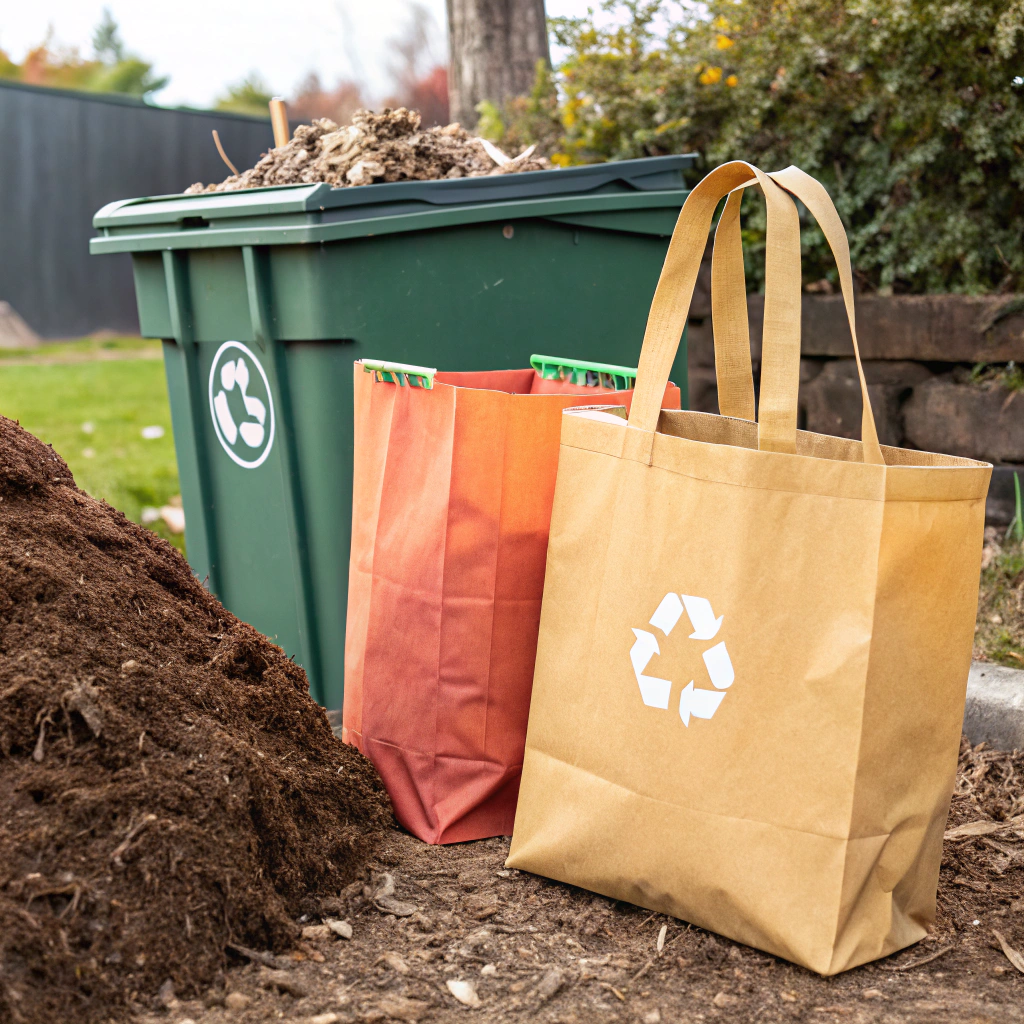
I have seen both sides of this. In the printing industry, we know that paper is beautiful and takes ink well, but it hates the rain. Plastic is cheap and tough, but it stays in the ground for a thousand years. My take is that we should use each one for what it is good at. Use your reusable cloth bags for your big weekly shopping. Use paper bags for dry things like bread or clothes. Try to avoid plastic unless there is no other way to carry something wet or very heavy. This is how I manage my own business and my home. I don't stick to just one type; I use the right tool for the job. This is the most efficient and creative way to live.
| Scenario | Best Bag Choice | Reason |
|---|---|---|
| Heavy Groceries | Cloth / Canvas | Won't break or tear |
| Takeout Food | Paper | Absorbs small spills, recyclable |
| Frozen Items | Plastic / Insulated | Handles condensation |
| Daily Errands | Foldable Nylon | Light and always ready |
When you start treating bags as a resource, you stop worrying about which one is "perfect." You just focus on using them wisely. This is what I teach my clients who want to improve their brand. A thoughtful brand provides the right bag for the right reason.
Conclusion
The best bag is the one you reuse the most. Whether it is cloth, paper, or plastic, the true value comes from your habits and your commitment to making every resource last as long as possible.