Can You Put Ice in a Stainless Steel Water Bottle?
Are you tired of your water turning lukewarm within minutes of stepping outside? Most plastic bottles sweat and lose their temperature instantly, making your drink unappealing and discouraging you from staying hydrated.
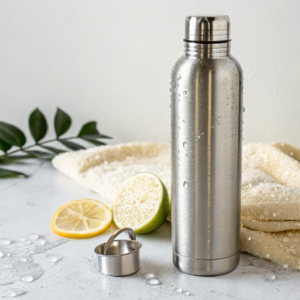
Yes, you can absolutely put ice in a stainless steel water bottle. In fact, stainless steel is the best material for ice because double-wall vacuum insulation minimizes heat transfer, keeping ice solid for up to 24 hours. Unlike plastic, it won't "sweat" on the outside, keeping your bag dry while your drink stays ice-cold.
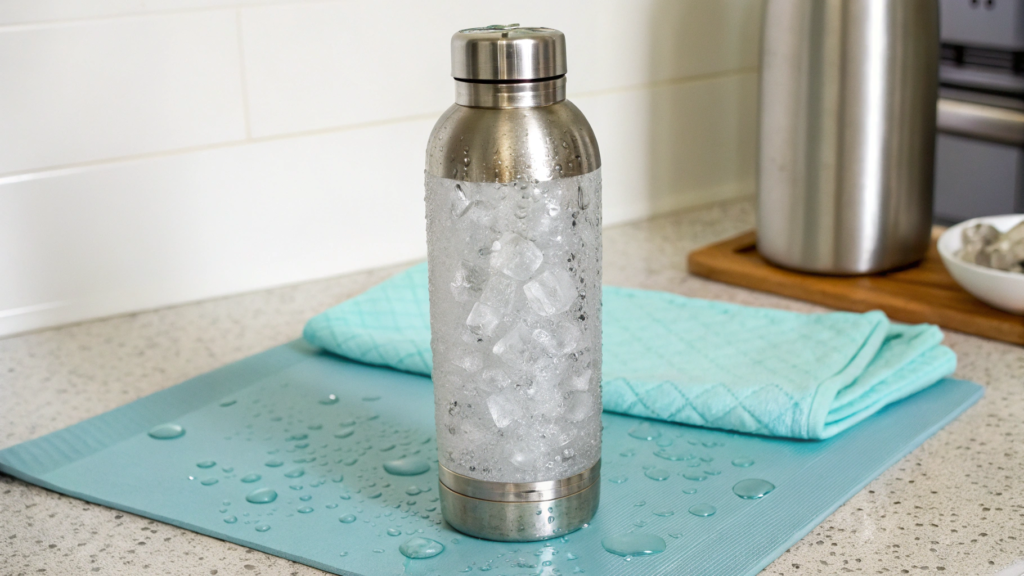
I’ve seen the "ice test" done a thousand times in our testing labs. People always worry if the ice will damage the metal—it won't. In my experience at Latitude, the real "pro tip" isn't just adding ice; it's choosing a wide-mouth bottle. There is nothing more frustrating than trying to shove a standard ice cube into a narrow-neck bottle. For a busy manager like Jacky, a wide-mouth design is low-friction infrastructure. It makes refilling fast and cleaning even faster. My view is that if a bottle makes it easy to use ice, you’ll naturally drink more water because cold water simply feels more refreshing.
What not to put in a stainless steel water bottle?
Are you worried that your favorite drinks might be "eating away" at your bottle? Some liquids can react with metal or leave behind stubborn smells and stains that are nearly impossible to remove, potentially ruining your premium gift.
You should avoid putting highly acidic liquids (like undiluted lemon juice or vinegar) or fermented drinks (like kombucha or beer) in low-grade stainless steel bottles for long periods. While high-quality 18/8 steel is generally safe, extreme acidity can lead to minor leaching, and pressure from carbonation can cause lids to leak or even pop off unexpectedly.
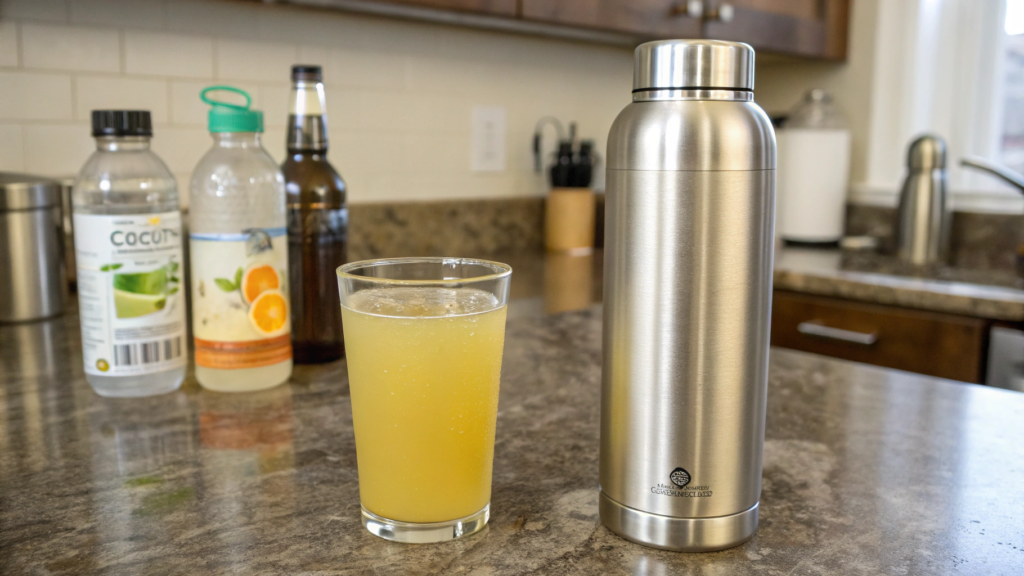
I always tell my clients to be careful with "flavor memory." I once saw a corporate gift bottle that smelled like old latte for months because the user didn't clean the silicone seal after putting hot coffee in it. The steel is neutral, but the lid parts are porous. Jacky needs to know that for a "universal" gift, water is king, but if his team uses them for coffee, they need to soak the lids in baking soda regularly.
Here is a quick "Safety Check" for common beverages.
| Beverage Type | Safe? | Reason/Precaution |
|---|---|---|
| Water / Tea | Yes | Perfectly neutral and safe |
| Coffee | Yes | Clean lid seals immediately after use |
| Fruit Juices | Limited | Acid can affect low-grade steel over 24+ hours |
| Kombucha / Soda | Caution | Pressure buildup can cause "lid spray" |
| Milk / Dairy | No | Bacteria grows rapidly in sealed, warm environments |
From my perspective, 18/8 stainless steel1 is the "gold standard" because it is highly resistant to corrosion. Just remember: it is a water bottle, not a chemistry beaker. Keep it clean, and it will last a decade.
How long does ice last in a stainless steel bottle?
Do you find it hard to believe those "24 hours cold" stickers on the side of new bottles? Many cheap "metal" bottles are just single-walled, meaning they perform no better than a standard plastic cup, leaving you with lukewarm water by lunchtime.
In a high-quality double-wall vacuum-insulated bottle2, ice can last between 12 to 24 hours, and sometimes even up to 36 hours in premium models. The "vacuum" layer between the two steel walls acts as a near-perfect barrier against thermal conduction, preventing the outside heat from reaching your ice.
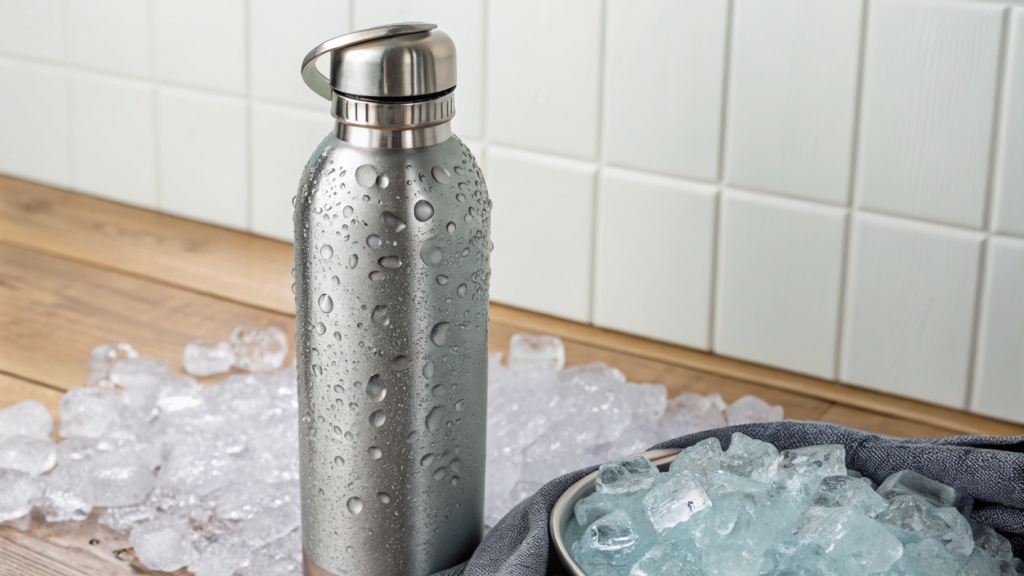
In our quality control tests at the factory, we found that the "start temperature" is everything. If you fill the bottle halfway with ice before adding water, it stays cold significantly longer. I’ve carried my Latitude bottle through a full day of meetings in 32°C Singapore heat, and I could still hear the ice clinking at 6:00 PM. For Jacky, this "performance" is what makes the bottle a premium brand ambassador. It’s a gift that actually works in the real world.
| Bottle Type | Ice Longevity | Best Use Case |
|---|---|---|
| Single Wall Steel | 1 - 2 Hours | Lightweight / Gym (Short term) |
| Double Wall (No Vacuum) | 4 - 6 Hours | Budget Corporate Gifting |
| Vacuum Insulated | 18 - 24 Hours | Long Commutes / Outdoor Events |
| Copper-Lined Vacuum | 24 - 36 Hours | Extreme Performance / VIP Gifts |
The real secret? Ice preserves the true taste. Because stainless steel is non-absorptive, it won't mask freezer odors. If your ice tastes like "old fridge," your water will too. High-quality steel doesn't change the flavor; it just keeps it exactly as it was when you poured it.
Does freezing a water bottle release microplastics?
Are you worried about hidden toxins entering your body when you try to get your water extra cold? Freezing plastic bottles has been a common habit for years, but recent studies suggest that extreme temperature changes can cause plastic to degrade and shed harmful particles.
Freezing a plastic water bottle can cause the material to become brittle, potentially increasing the release of microplastics and chemical leaches like BPA or phthalates. Stainless steel bottles, however, are a much healthier alternative3 because they do not contain plastics and do not shed micro-particles when exposed to freezing temperatures.
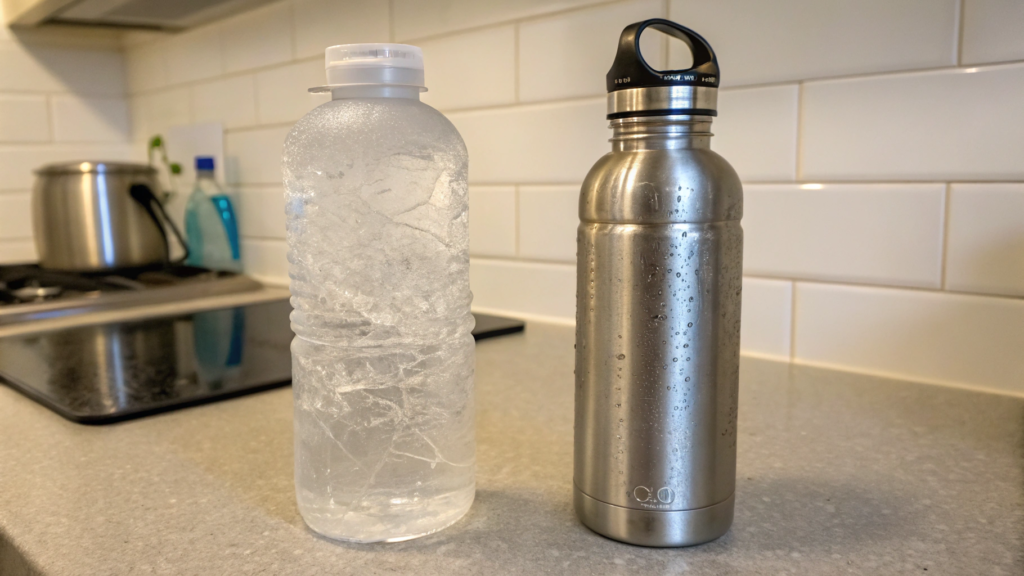
Important Note: Do not put a full stainless steel bottle in the freezer. Since water expands as it freezes, it can bulge the bottom of the bottle or break the vacuum seal, ruining its insulation properties. To get that "freezer-cold" effect safely, simply add ice cubes to the bottle instead.
I always explain to Jacky that "Health is Wealth" in modern branding. When he gives out a stainless steel bottle, he is providing a "safe haven" from microplastics. In a world where people are increasingly scared of hidden chemicals, a clean, 18/8 steel bottle is a powerful statement of care.
Conclusion
Putting ice in a stainless steel bottle is the most effective way to stay hydrated with fresh, cold water all day. By choosing vacuum-insulated models and avoiding the freezer, you ensure your bottle remains a durable and healthy part of your daily routine.