Do you collect enamel pins?
Struggling to find a way to express your personality without looking cluttered? Most accessories feel generic and mass-produced, making it hard to show off what you actually care about in a professional or social setting.
Collecting enamel pins is a modern way to curate a wearable gallery of your interests, values, and memories. These small pieces of art allow you to personalize your style with subtle narratives. They turn everyday items like bags and jackets into unique conversation starters that reflect your personal brand.
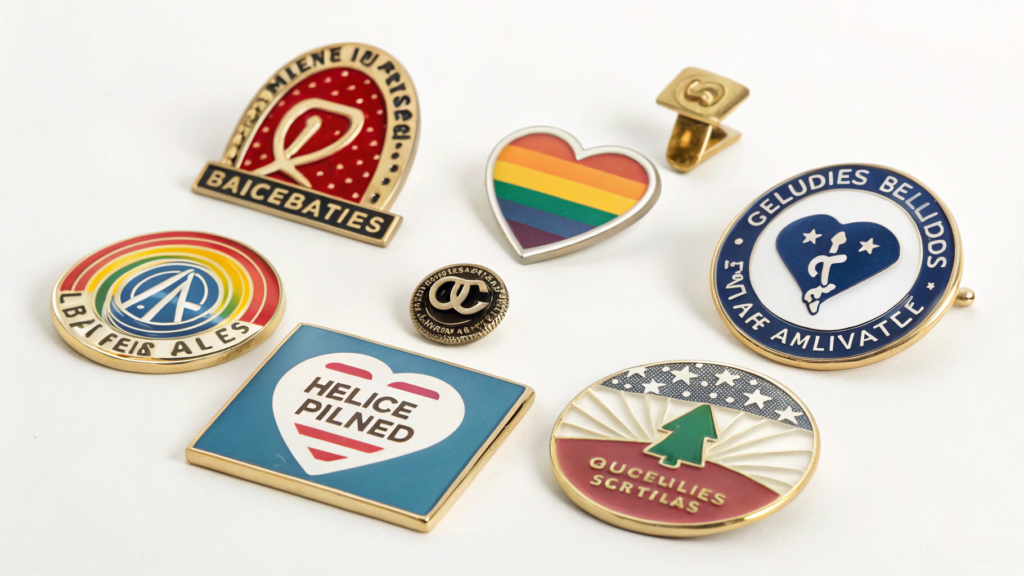
I have seen the world of corporate gifting move from bulky trophies to these tiny, vibrant works of art. In my early days at the printing factory, enamel pins were just for lapels. Now, they are a massive cultural movement. For a marketing manager like Jacky, collecting pins isn't just a hobby—it is a way to understand community trends. I remember a client who started a small collection of pins from every city he visited. It became his favorite way to tell stories to his team. My view is that the real magic of a pin is how it packs a massive story into a tiny, polished metal frame.
Do people still collect enamel pins?
Are you worried that pin collecting is just a passing trend that has already peaked? It can feel risky to invest time or money into a hobby if you think the community is disappearing or losing interest.
Yes, the enamel pin community1 is more active than ever, driven by independent artists and "drop culture." Social media platforms have turned pin collecting into a global exchange of art. People collect them to support creators, celebrate niche fandoms, and document their personal journeys through wearable, high-quality merchandise.
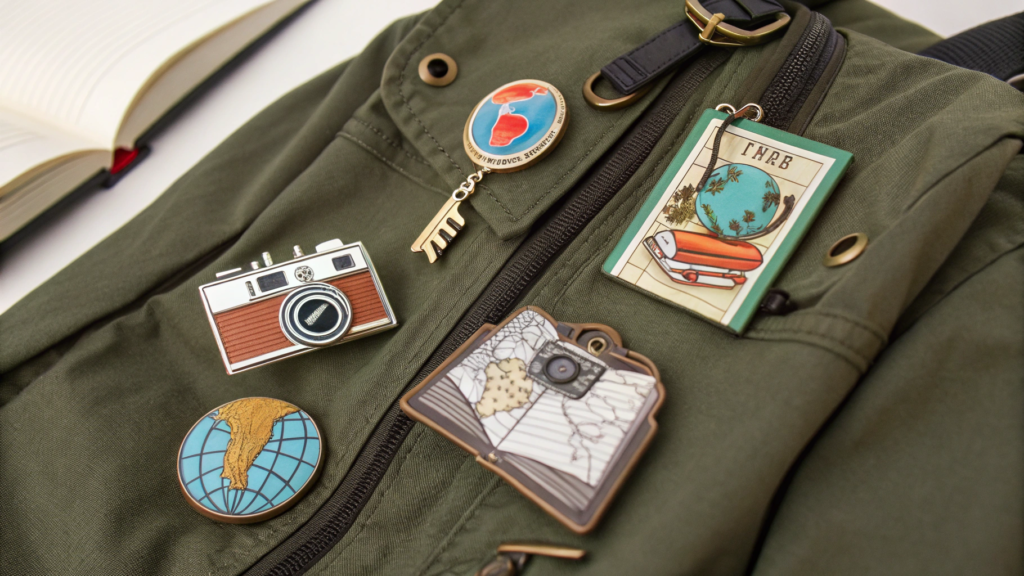
In my experience, the "pin game" has only gotten stronger because of how accessible it is. I see Jacky looking at limited-edition pins on Instagram all the time. It is a micro-economy. Artists release 50 or 100 copies of a design, and they sell out in minutes. This rarity keeps the excitement alive. It’s no longer just about "pins"; it’s about being part of a creator's world.
We can look at why this "niche" hobby has such staying power by breaking down the collector types.
| Collector Type | Primary Motivation | What They Buy |
|---|---|---|
| The Enthusiast | Passion for a specific theme | Fandom, Hobby, or Animal pins |
| The Art Supporter | Supporting indie designers | Original, unique artist series |
| The Corporate Pro | Professional milestones | Company logos and years of service |
| The Traveler | Memories of places visited | Landmark or city-themed pins |
From my perspective, people still collect because pins are "tangible social media." They are a physical version of a "like" or a "follow." When you pin a specific design to your bag, you are broadcasting your taste to the physical world. It is a low-cost entry point into the art world that anyone can enjoy.
Are pins worth collecting?
Do you wonder if spending money on small metal badges is a waste of your budget? Without a clear sense of value, any collection can feel like a pile of "clutter" rather than an investment in your personal or brand identity.
Pins are absolutely worth collecting for their emotional and artistic value2, and occasionally for their resale potential. High-quality pins, especially "hard enamel" types, are durable keepsakes that do not fade. They represent a low-cost way to own original art and build a collection that increases in sentimental value over time.
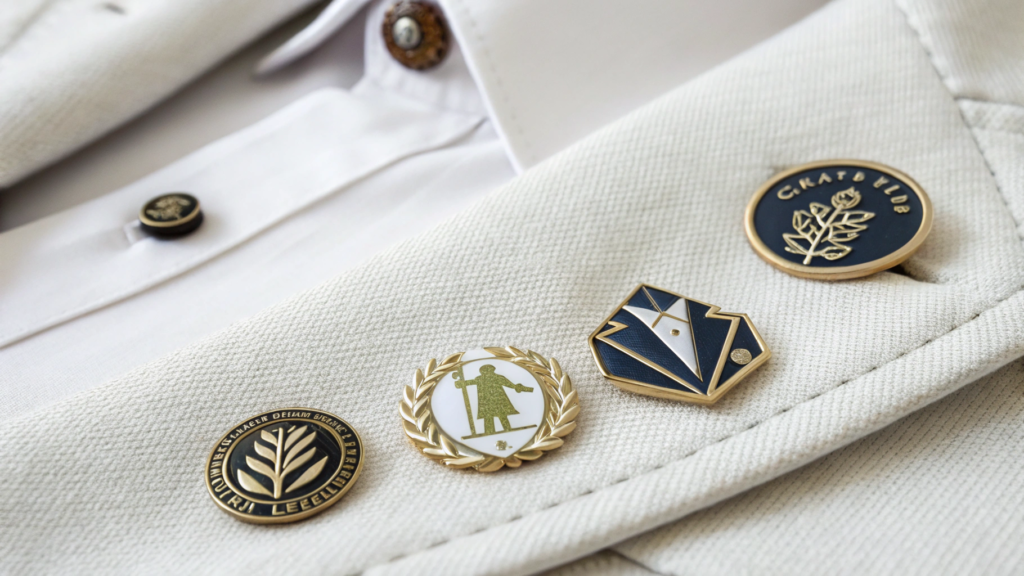
I always tell my clients at Latitude that "worth" is about the story, not just the price tag. I remember a project where we made a limited run of pins for a tech conference. Five years later, I saw those pins being traded online for three times their original price. Why? Because they represented a specific moment in that community's history. For Jacky, the "worth" of a pin is the brand recall it creates.
When evaluating if a pin is "worth it," you should look at the technical specs of the production.
| Feature | Hard Enamel (Cloisonné) | Soft Enamel (Die Struck) |
|---|---|---|
| Surface | Smooth and flat | Recessed and textured |
| Durability | Extremely High (Scratch-resistant) | High (Vibrant colors) |
| Feel | Jewelry-like / Premium | Classic / Traditional |
| Collectability | Very High | High |
My take is that you shouldn't collect for the "money." Collect for the "meaning." A pin that reminds you of a successful project or a great trip is worth more than any market price. These are small anchors for our memories. They are durable, they don't take up much space, and they look better the more you have.
What to do with an enamel pin collection?
Are you running out of space on your jacket or worried your pins are just sitting in a box? A collection that isn't displayed can feel like a burden rather than a source of pride and inspiration.
You can display your enamel pin collection on cork boards, embroidery hoops, or specialized "ITA bags" with clear windows. Many collectors also use "banner displays" or framed felt boards to turn their pins into wall art. This keeps them safe from loss while allowing you to enjoy your curated gallery every day.
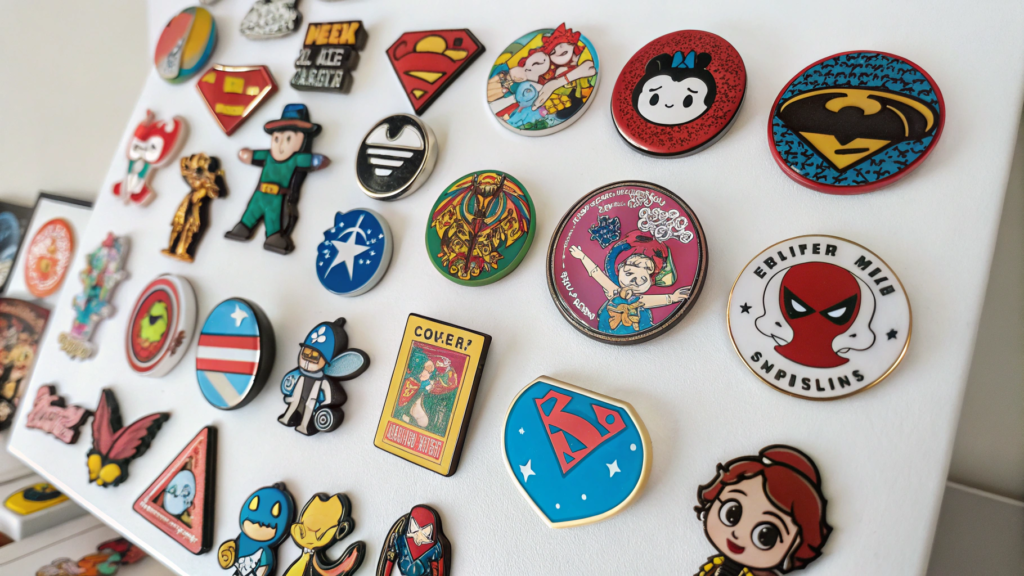
I’ve seen some incredible displays in Singapore offices lately. One of my clients turned an entire wall into a "Brand History" board using only lapel pins. It was stunning. For someone like Jacky, a display board in the office is a great way to show off corporate achievements and partner logos. It turns a "collection" into "decor."
If you are stuck on how to organize your pins, try one of these structured methods.
| Display Method | Best For | Benefit |
|---|---|---|
| Cork Board | Large collections | Easy to rearrange and add to |
| Shadow Box | Valuable or rare pins | Keeps them dust-free and protected |
| Banner/Pennant | Minimalist spaces | Lightweight and easy to hang |
| ITA Bag | Daily use | Shows off your style on the go safely |
I personally love the "theme board" approach. Group your pins by color, by artist, or by year. This turns a random pile of metal into a structured narrative. It’s about creating a cycle of engagement—where every time you look at your board, you remember why you started collecting in the first place. In a digital world, having these tangible, lasting memories on your wall or your bag is a powerful thing.
Conclusion
Collecting enamel pins is a meaningful way to support artists, document memories, and express your identity. By using creative display methods and focusing on quality "hard enamel3" pieces, you turn small accessories into a lasting personal gallery.
-
Explore the vibrant enamel pin community and discover how it thrives through social media and independent artists. ↩
-
Explore the deeper significance of enamel pins beyond their monetary worth and their role in personal storytelling. ↩
-
Discover why hard enamel pins are considered high-quality collectibles and their advantages over other types. ↩