What would be the best water bottle for daily refilling?
Are you tired of water bottles that are a chore to carry or impossible to clean? Most people buy a bottle based on looks, only to realize it doesn't fit their daily life.
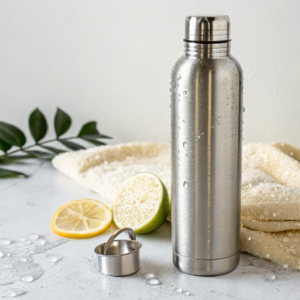
The best water bottle for daily refilling is a double-wall 18/8 stainless steel bottle with a wide-mouth lid. This combination ensures your water stays cold, tastes neutral, and allows for easy cleaning and ice insertion. It balances durability with low-effort maintenance, making it the most dependable choice for consistent hydration.
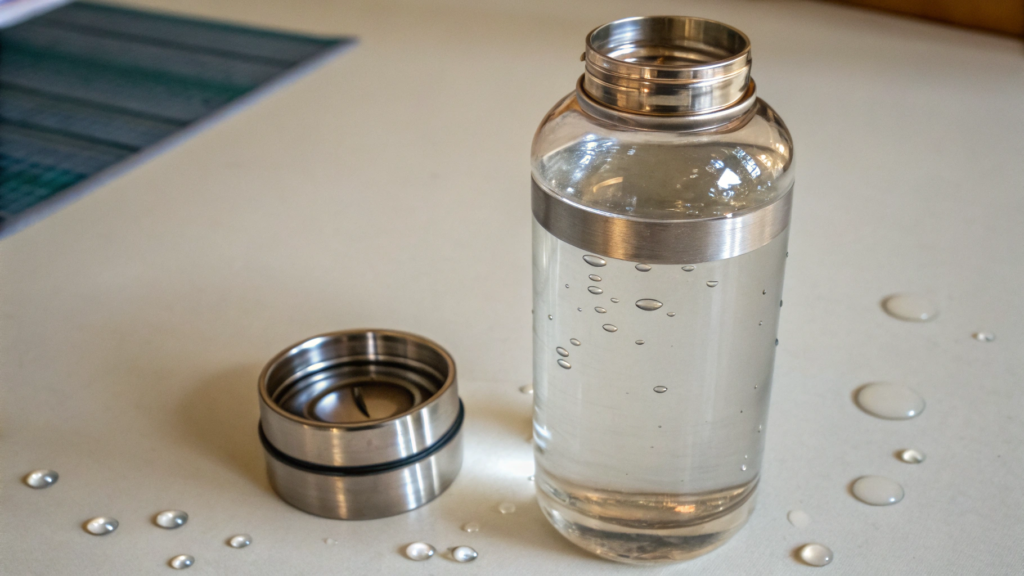
I’ve seen many marketing managers like Jacky choose bottles that look sleek but are a nightmare to actually use. In my years at Latitude, I’ve learned that if a bottle is hard to wash, it will eventually sit at the back of a cupboard. A daily bottle shouldn't be a project; it should be "low-effort infrastructure." It needs to survive a drop, fit in a cup holder, and keep water crisp from your first meeting until your evening gym session. When the friction of using it is gone, you actually start hitting your hydration goals.
What is the healthiest type of reusable water bottle?
Do you worry about microplastics or hidden chemicals in your drinking water? Many people use old plastic bottles that leach harmful substances when they get scratched or warm, turning a healthy habit into a hidden risk.
The healthiest reusable water bottles are made from non-porous materials like 18/8 food-grade stainless steel1 or borosilicate glass. These materials are BPA-free, do not require chemical liners, and do not harbor bacteria in microscopic cracks. Stainless steel is often rated higher for daily use because it is unbreakable and blocks light, preventing algae growth.
I always advocate for material safety because a gift should never be a liability. I remember a client who switched from plastic to stainless steel because his team complained about a "plastic smell" in the office. For Jacky, giving a gift that is "certified healthy" is a massive branding win. It shows your company cares about the fine details of well-being. At Latitude, we ensure our steel interiors are electro-polished to be as smooth as possible, which prevents biofilm from sticking to the walls.
To help you decide, I’ve broken down the "health and safety" factors of the most common materials we source.
| Material | Health Benefit | Maintenance | Risk Factor |
|---|---|---|---|
| 18/8 Stainless Steel | Non-leaching & BPA-free | Easy (Self-sanitizing) | Minimal (if high grade) |
| Borosilicate Glass | Purest taste | Medium (Fragile) | Breakage/Safety |
| BPA-Free Plastic | Lightweight | Hard (Scratches easily) | Microplastic shedding |
| Copper | Natural antimicrobial | Hard (Requires polishing) | Metal toxicity if overused |
The "healthiest" bottle is one you actually keep clean. If the lid has hidden nooks that grow mold, the material of the bottle doesn't matter. This is why I always suggest lids with removable silicone seals2. It’s about the total hygiene of the product, not just the body material.
Is copper or stainless steel better for a water bottle?
Are you confused by the health claims surrounding copper bottles? While some swear by the ancient benefits of copper, others worry about the metallic taste and the effort required to keep it looking good.
Stainless steel is better for general daily use because it is inert, durable, and low-maintenance. Copper bottles offer "Ayurvedic" antimicrobial benefits, but they can leach too much metal into acidic drinks and require frequent polishing to prevent tarnish. Stainless steel is more versatile, as it can hold coffee, juice, or water without reacting to the liquid.
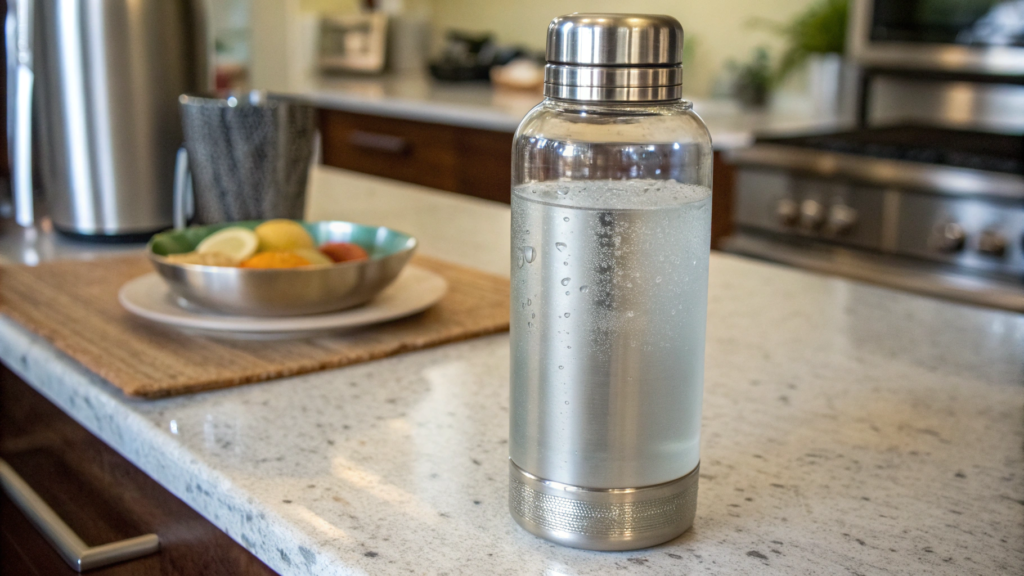
I see the appeal of copper—it looks beautiful and has a "wellness" story. But in a fast-paced environment like Jacky’s office, nobody has time to polish a bottle with lemon and salt every week. I once saw a corporate gift of copper bottles turn a dull green because the recipients didn't know how to care for them. That’s bad for the brand. Stainless steel is the "workhorse" of the gifting world. It stays shiny and clean with almost zero effort, which is exactly what a busy professional needs.
When choosing between the two, think about the "maintenance vs. benefit" trade-off.
| Feature | 18/8 Stainless Steel | Pure Copper |
|---|---|---|
| Durability | Extremely High | Medium (Dents easily) |
| Flavor Neutrality | Excellent | Metallic (Can be strong) |
| Cleaning | Dishwasher safe (usually) | Hand wash only |
| Versatility | Hot & Cold / All Liquids | Cold Water Only |
My take is that copper is a "niche" gift for a specific audience. If you want a bottle that works for everyone, every day, stainless steel is the clear winner. It doesn’t demand your attention; it just does its job.
Is it healthier to drink out of stainless steel or glass?
Do you prefer the pure taste of glass but hate how heavy and fragile it is? Choosing between these two materials usually comes down to a battle between "taste purity" and "daily practicality."
Both are equally healthy as they are non-toxic and BPA-free. Glass provides the most neutral taste but is prone to breaking and does not insulate. Stainless steel is healthier for an active lifestyle because it is shatterproof and vacuum-insulated, which keeps your water cold and prevents bacterial growth caused by warm temperatures.
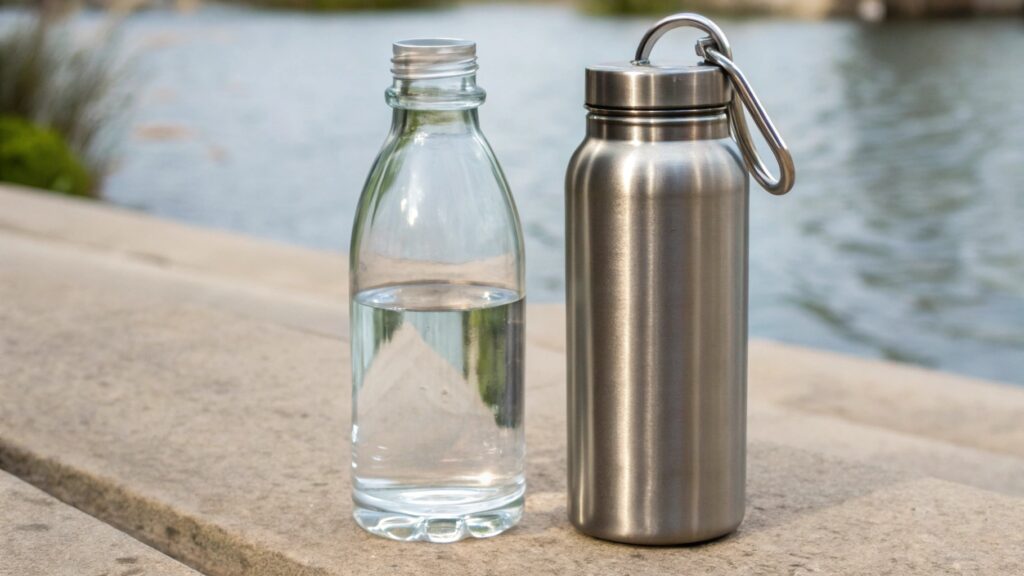
In my experience, glass is perfect for the boardroom table, but stainless steel owns the commute. I’ve dropped my share of sample bottles in the factory, and the steel ones always survive with just a tiny "battle scar." A broken glass bottle in a gym bag or a busy office is a safety hazard. For Jacky, gifting steel is the safer bet for a wide audience. It provides nearly the same taste purity as glass but with ten times the toughness.
We use a simple "lifestyle match" table to help our clients decide which material fits their brand narrative better.
| Lifestyle Factor | Glass Bottle | Stainless Steel (Vacuum) |
|---|---|---|
| At the Desk | High (Elegant) | High (Professional) |
| In Transit | Low (Heavy/Fragile) | High (Light/Tough) |
| Gym/Outdoors | Not Recommended | Perfect |
| Temperature Control | None (Water gets warm) | 24 Hours Cold / 12 Hours Hot |
Ultimately, the best bottle is the one that removes friction from your life. If you are constantly worried about breaking your glass bottle, you’ll stop carrying it. Stainless steel becomes an "invisible" part of your day—dependable, safe, and always ready for a refill. That reliability is what makes it the king of daily hydration.
Conclusion
The best daily bottle is high-grade stainless steel because it combines health safety with extreme durability. It preserves water quality, stays cold all day, and is easy to maintain, making it the most reliable partner for your hydration routine.