How to remove the taste of stainless steel from water?
Struggling with a metallic tang that ruins your water? Most people think the bottle is defective, but a lingering "steel" taste usually comes from factory residues or mineral buildup inside the flask.
To remove the metallic taste, fill your bottle with warm water and two tablespoons of baking soda, or a 50/50 mix of white vinegar and water. Let it soak overnight, scrub with a bottle brush to lift hidden residues, and rinse thoroughly. This resets the surface chemistry and eliminates the "flavor memory" of the metal.
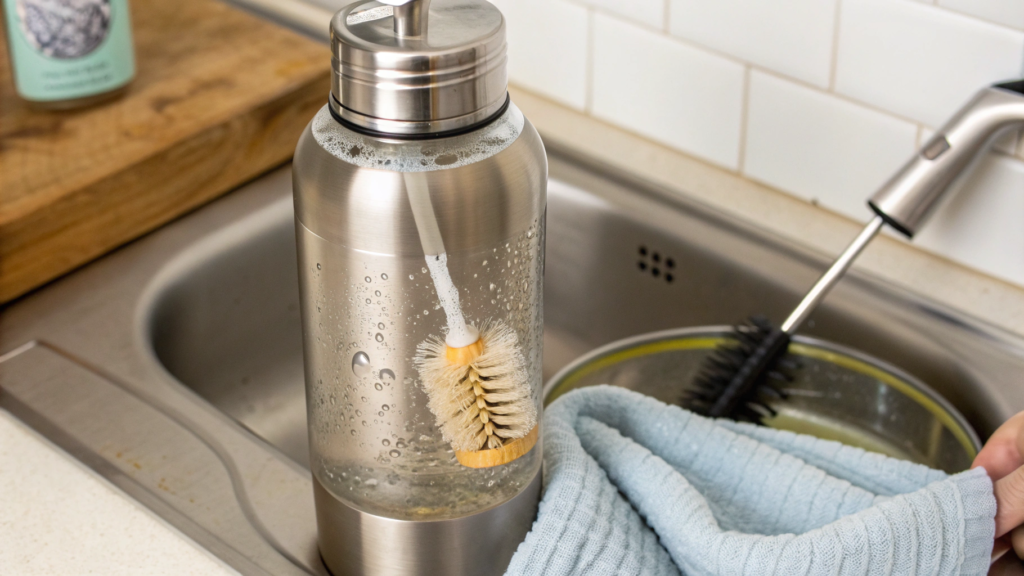
In my years working with printing and corporate gifts, I have seen thousands of bottles come straight from the production line. Many customers complain about a metallic taste in brand-new bottles. I always explain that it isn’t usually a "metal problem"—it is a surface chemistry problem. Manufacturing oils or polishing compounds can stay on the steel, and if you don't "reset" the surface before your first use, that taste will stick around. For a marketing manager like Jacky, ensuring that the gifts he gives out are ready to use is vital for a positive brand experience.
How to get bad taste out of a stainless steel water bottle?
Are you frustrated that your water tastes like yesterday’s coffee or a damp cupboard? Even after a quick rinse, odors and strange flavors can cling to the seams and lids of your bottle.
The best way to get a bad taste out is to perform a deep "acid-base reset." Use white vinegar to kill bacteria and dissolve mineral scale, followed by a baking soda scrub to neutralize odors. Pay close attention to the silicone seals in the lid, as these porous parts often trap more flavor than the steel itself.
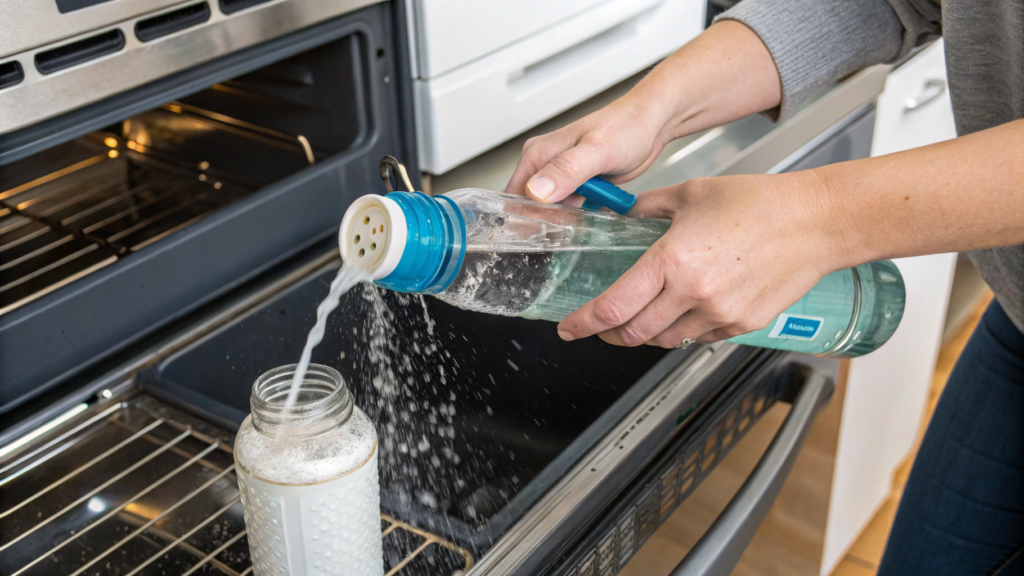
I have found that people often forget the lid. Stainless steel is smooth and non-porous, but the plastic or silicone parts in the cap are "flavor magnets." I remember a client who thought his bottle was rusting, but it was actually just old tea residue trapped under the rubber gasket. If you don't pull those parts out and soak them separately in vinegar, you will never get rid of that "off" taste.
You can use different household items depending on how stubborn the smell is. Here is a simple guide I share with my clients at Latitude to keep their gift bottles fresh.
| Cleaning Agent | Best For | Soak Time |
|---|---|---|
| White Vinegar | Mineral scale and bacteria | 30 Minutes |
| Baking Soda | Deep odors and "new bottle" smell | Overnight |
| Lemon Juice | Refreshing scent and light stains | 1 Hour |
| Denturing Tablets | Hard-to-reach areas and heavy stains | 15 Minutes |
I also recommend air-drying the bottle completely with the cap off. If you trap moisture inside, it reacts with the minerals in tap water and creates a musty, metallic note. It’s a simple habit that makes a huge difference in how your water tastes the next day.
Why does my water taste like metal in my stainless steel water bottle?
Do you worry that your bottle is leaching harmful chemicals into your drink? A strong metallic flavor can be alarming, making you wonder if the material is actually safe for daily use.
Water tastes like metal when it reacts with manufacturing residues1, high mineral content in tap water, or biofilm buildup. While high-quality 18/8 stainless steel is non-reactive, low-quality alloys or acidic drinks like lemonade can cause minor leaching. Most often, the "taste" is simply your tongue touching the metal rim as you sip.
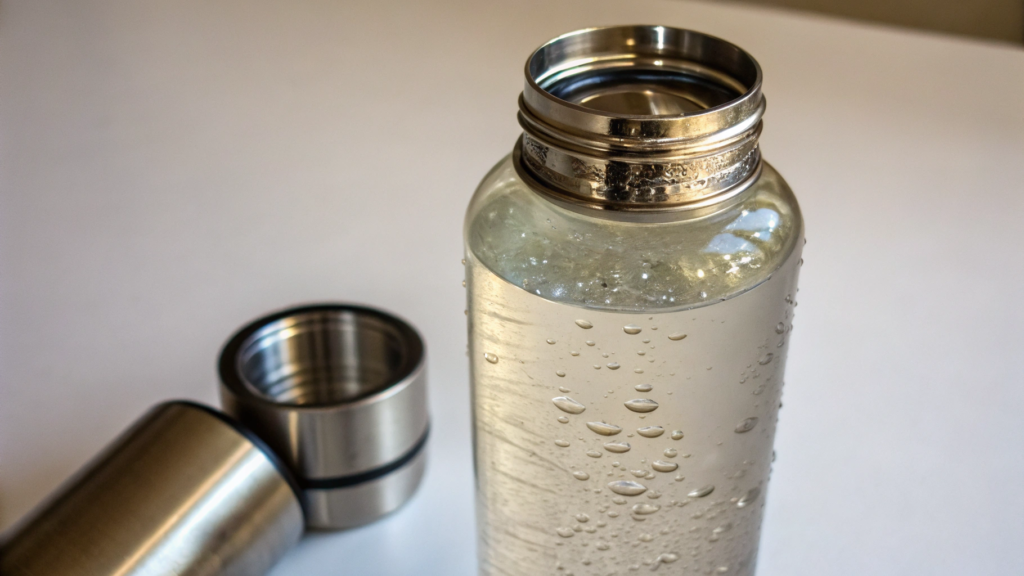
When Jacky buys bottles for his company, I always check the material grade first. If it is 304 or 18/8 food-grade steel, it should taste like nothing. If it tastes like pennies, it’s usually because the water has sat too long and "picked up" the scent of the metal lid or rim. In some cases, if your tap water is very acidic (low pH), it can interact with the steel and amplify that metallic profile.
There are a few reasons why this happens, and understanding them helps you troubleshoot the issue quickly.
| Cause | Detail | Solution |
|---|---|---|
| Manufacturing Oils | Leftover polishing compounds | Initial baking soda soak |
| Biofilm | Microscopic bacteria layer | Scrub with a bottle brush |
| Hard Water | Minerals sticking to the steel | Vinegar soak to dissolve scale |
| Low-Grade Metal | Non-food-grade alloys | Replace with 18/8 stainless steel2 |
From my perspective, if you are using a quality bottle from a trusted supplier, the taste is almost always fixable. It’s just a sign that the bottle needs a deeper "molecular" clean to remove the film that has built up over weeks of use.
Is it okay to drink water that tastes like metal?
Are you nervous about taking another sip when your water tastes "off"? It is natural to feel uneasy when your hydration doesn't taste pure, especially if you are concerned about long-term health.
In most cases, a slight metallic taste from a food-grade stainless steel bottle is harmless and comes from trace minerals or residues. However, if the taste is sudden, sharp, or accompanied by visible rust or a cloudy appearance, you should stop using the bottle. This could indicate a broken seal, corrosion, or poor-quality metal that is not safe for drinking.
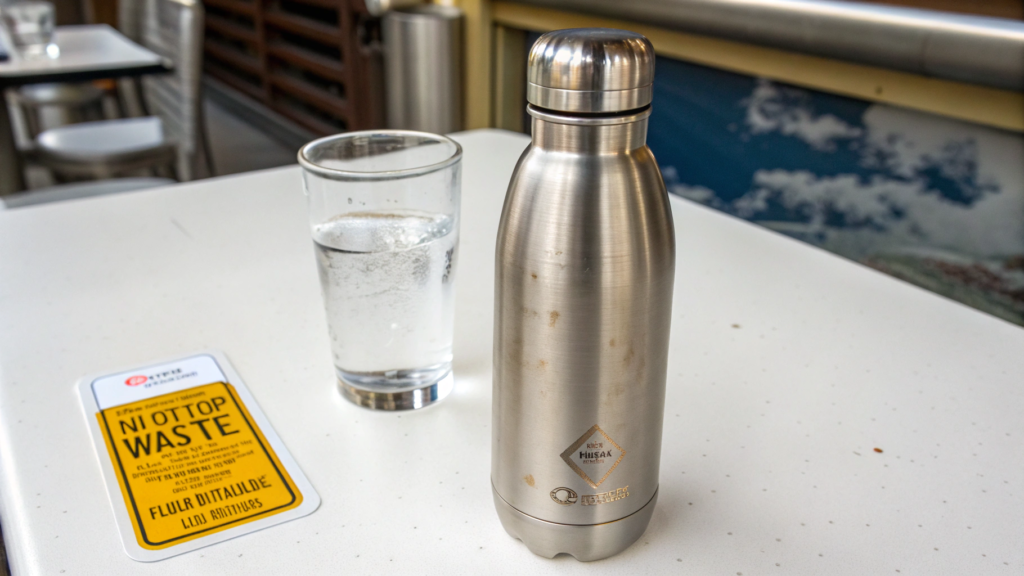
I always tell my clients that if a gift feels "sketchy," don't give it out. A metallic taste3 might be harmless, but it ruins the brand experience. If Jacky's clients feel unsafe drinking from a bottle he provided, the marketing campaign has failed. That’s why we insist on quality testing. If the taste persists even after a deep vinegar soak, the protective layer of the steel might be damaged, and it is time to get a new bottle.
Health is the most important part of the brand promise. You should follow these "Safety Triggers" to know when to keep a bottle and when to toss it.
- Taste persists after deep cleaning: The metal might be low-grade.
- Visible rust spots: The "stainless" layer has been compromised.
- Cloudy or discolored water: Sign of heavy oxidation or biofilm.
- Metallic smell from a dry bottle: Surface oils are deeply embedded.
If the bottle is high-quality 18/8 steel and you clean it regularly, it will be the healthiest way to drink water. Stainless steel is non-porous and doesn't harbor bacteria like plastic. Once you get that surface reset, you’ll enjoy water that tastes exactly like it should—like nothing at all.
Conclusion
A metallic taste in your bottle is usually caused by residues or mineral buildup rather than the steel itself. Deep cleaning with vinegar or baking soda resets the surface and ensures your water stays fresh and safe.