Where do I get stainless steel bottles made?
Struggling to find a manufacturer that doesn't cut corners? Many businesses choose a factory based on price alone, only to receive bottles that rust or lose their vacuum seal within weeks.
You can source high-quality stainless steel bottles from specialized contract manufacturers in metalworking hubs like Zhejiang, China, or through local branding partners in Singapore like Latitude. The key is to find partners who provide food-grade certifications (18/8 or 316) and rigorous quality control protocols rather than just the lowest unit cost.
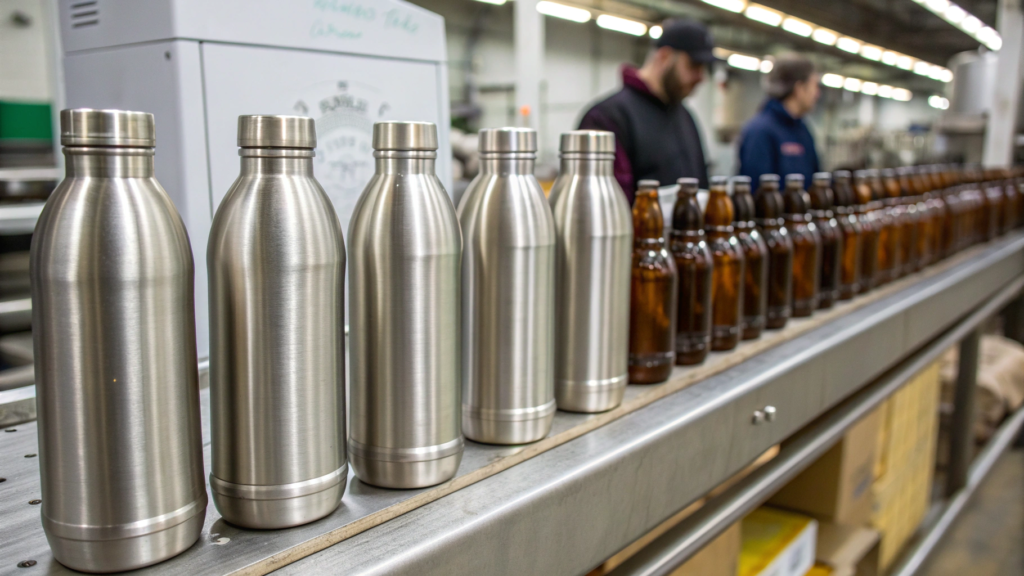
I have spent a lot of time in production environments, and I have seen the difference between a "metal stamper" and a real partner. A cheap factory will give you a bottle that looks okay but fails a simple drop test. For a marketing manager like Jacky, a leaky bottle is a disaster for the brand image. My view is that you need a supplier who understands engineering—someone who can talk about vacuum insulation hours and powder coat durability. If they cannot show you testing data, they are not the right partner for your brand.
Is there a 100% stainless steel water bottle?
Are you worried about plastic chemicals leaching into your drinks? Many "stainless" bottles still use plastic lids or silicone seals that can degrade over time and affect the taste of your water.
Yes, 100% stainless steel water bottles1 exist, often called "all-metal" bottles. These designs feature a stainless steel body and a matching stainless steel screw-top lid. While some still use a small food-grade silicone ring to ensure a leakproof seal, the goal is to keep your water entirely away from plastic contact points.
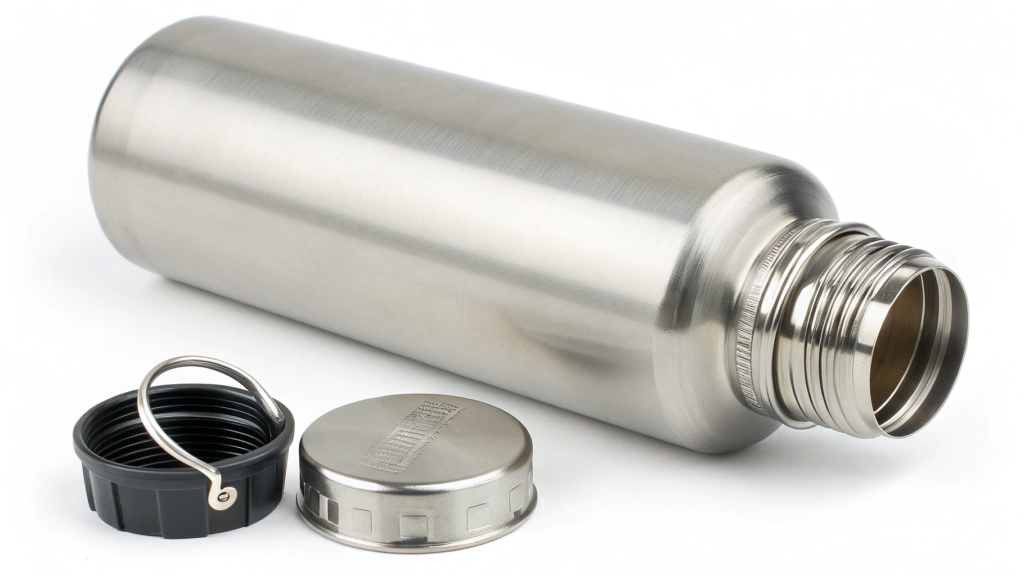
When I talk to eco-conscious clients, they always ask for plastic-free options. I remember sourcing a batch of bottles with bamboo-topped steel lids. They looked beautiful and felt very high-end. However, you have to be careful; a 100% metal lid can be heavy and sometimes noisier to open. I always advise Jacky to consider the user experience. If your client is using the bottle in a quiet office, a loud metal-on-metal screech when opening the lid might not be ideal.
We use a comparison table to help our clients choose between different "all-metal" configurations based on their branding goals.
| Bottle Feature | All-Metal Lid | Plastic/Steel Hybrid | Bamboo/Steel Top |
|---|---|---|---|
| Plastic Contact | Zero | Low | Zero |
| Weight | Heavy | Light | Medium |
| Premium Feel | Very High | Medium | High (Natural) |
| Leakproof Rating | Excellent | Excellent | Good |
The "100% steel" movement is great for sustainability stories. It tells your clients that you care about the long-term health of the planet and the user. At Latitude, we look for suppliers who can provide these niche designs while maintaining the thermal performance of a standard double-wall bottle.
How can I tell if my water bottle is stainless steel?
Do you ever suspect your "metal" bottle is actually a cheap alloy or aluminum? Using the wrong material can lead to metallic tastes or, worse, exposure to harmful liners that peel off into your drink.
You can identify real stainless steel by checking for a "18/8" or "304" stamp on the bottom, which indicates food-grade quality. Another way is the "Magnet Test"—high-quality 300-series stainless steel is usually non-magnetic or only very weakly magnetic. Additionally, stainless steel is heavier than aluminum and does not require an internal plastic liner.
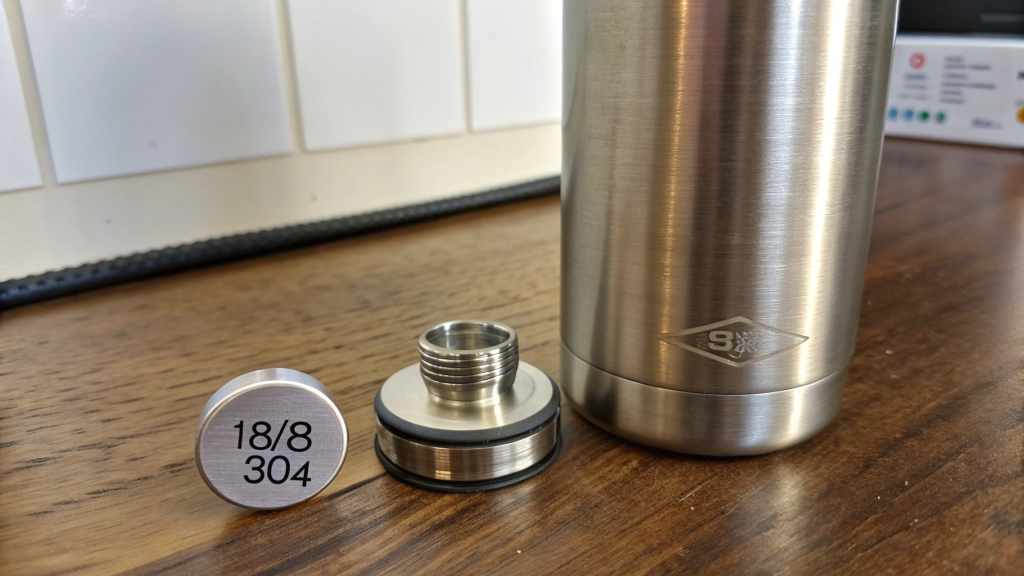
In the printing factory, we always checked raw materials before starting a job. I’ve seen bottles that looked like steel but were actually aluminum with a thin, smelly coating inside. If you scratch the inside and see a different color, it’s not true stainless steel. For someone like Jacky, who manages tight project timelines, you don't have time to be a scientist. This is why I insist on seeing "Material Transparency2" documents from every factory we use.
If you want to be sure about the quality, you should look at these four specific physical signs.
| Test Method | What to Look For | What it Means |
|---|---|---|
| Weight Test | Noticeable heft | Thick walls for better insulation |
| Visual Check | "18/8" or "304" Stamp | Certified Food-Grade material |
| Magnet Test | Magnet does not stick | High-quality 300-series steel |
| Internal Check | No visible plastic liner | Solid steel construction; safe for hot/cold |
I always tell my team to perform a "Boil Test" on samples. We put boiling water inside and wait. If the outside of the bottle gets hot, the vacuum seal is broken or non-existent. Sound engineering is what makes a bottle a "repeatable brand ambassador" rather than just a cheap giveaway.
What is the healthiest bottle to drink water from?
Are you concerned about BPA, phthalates, or metallic aftertastes in your daily water? Choosing the wrong bottle material can turn a healthy habit into a source of chemical exposure over time.
The healthiest bottles are made from 18/8 food-grade stainless steel3 or high-quality borosilicate glass. Stainless steel is preferred for corporate use because it is non-leaching, BPA-free, and extremely durable. It does not harbor bacteria in scratches like plastic does and maintains water purity without the need for chemical liners.
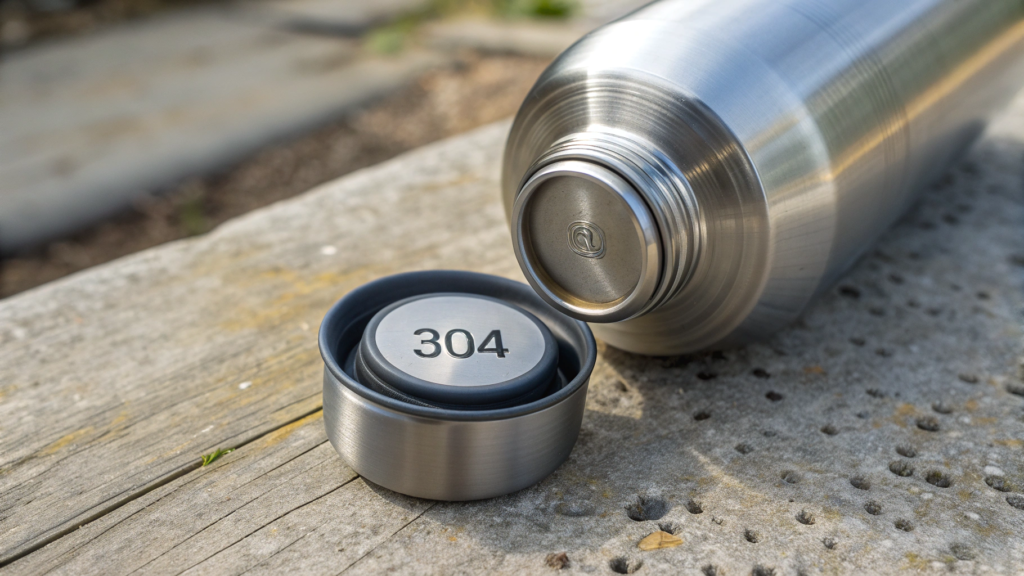
Health is a major branding narrative today. When Jacky gives out a high-quality steel bottle, he is telling his clients that his company cares about their well-being. I personally prefer 18/8 stainless steel because it is "active-life proof." You can drop it, wash it a thousand times, and it still won't leach anything into your water. Glass is great for taste, but it breaks too easily for a busy Singaporean professional on the move.
We break down the "health score" of common materials so you can see why we recommend steel for almost every corporate gifting scenario.
| Material | Health Score | Durability | Best Use Case |
|---|---|---|---|
| 18/8 Stainless Steel | Excellent | Very High | Daily Office & Travel |
| Borosilicate Glass | Excellent | Low | Home or Executive Desk |
| BPA-Free Plastic | Good | Medium | Sports & High-Volume Events |
| Aluminum (Lined) | Fair | Medium | Budget Promotional Giveaways |
From my perspective, the "healthiest" choice is the one that lasts the longest. A bottle that performs well for five years is better for the user and the planet. When you vet a supplier, ask about their "internal finish cleanness." A top-tier manufacturer ensures there is no metallic dust or residue left inside after production. This attention to detail is what ensures your brand promise stays as clean as the water your clients are drinking.
Conclusion
Getting stainless steel bottles made requires a focus on material grades, vacuum engineering, and health-safe certifications. By choosing a partner who values quality over the lowest price, you create a durable brand asset that your clients will trust and use every day.