Can a Paper Bag Really Survive the Rain and Still Be Eco-Friendly?
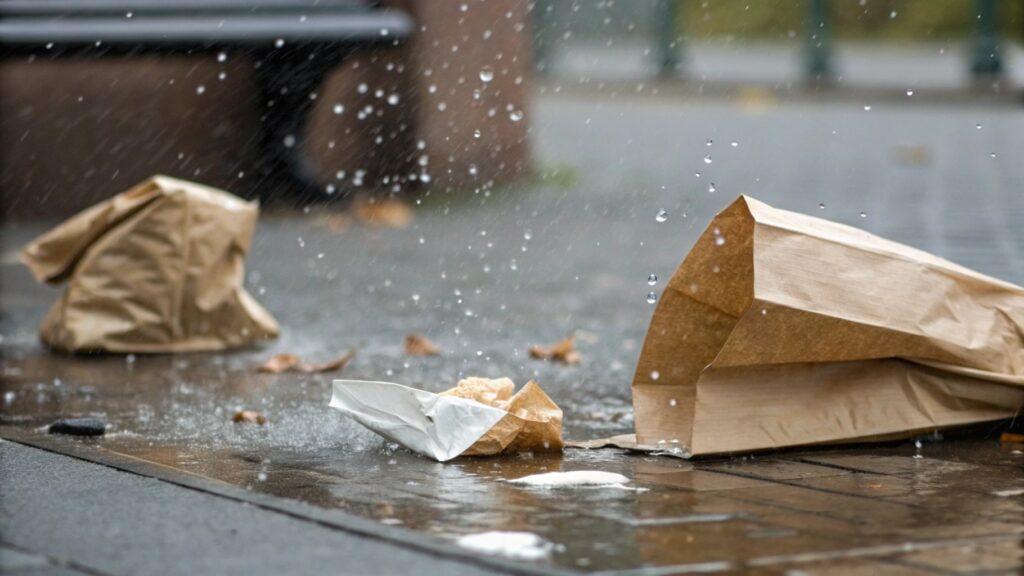
Paper bags fall apart the moment it rains. This ruins your branding and frustrates your clients. Use smart waterproofing techniques to keep your gifts safe and your brand looking sharp.
To make paper bags waterproof, use water-based varnishes, wax treatments, or biodegradable laminations. Strengthening the base and seams also prevents moisture from soaking in. These methods offer a balance between protecting the contents and maintaining the bag's eco-friendly status for branding in humid environments.
 ![]()
![]()
I have seen many marketing managers like Jacky worry when the sky turns gray during an outdoor event. If you want to stop your packaging from turning into a soggy mess, you need to understand how to protect it correctly.
How to Prevent Paper from Getting Wet?
Humidity and sudden rain can turn your professional gift into a soft, weak mess. This destroys the user experience immediately. Protect your paper items by using smart coatings and proper storage.
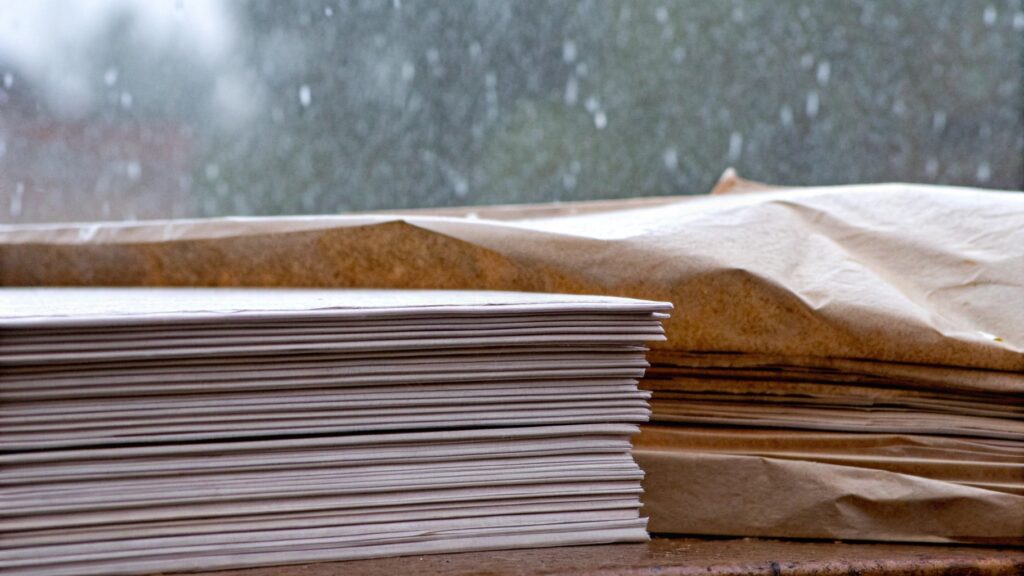
You can prevent paper from getting wet by applying a water-resistant coating1 like varnish or lamination. Choosing a higher-weight paper also helps. These barriers block moisture from reaching the fibers, keeping the paper strong and your design visible even in damp conditions.
 ![]()
![]()
The Challenge of Singapore Humidity
I remember my early days in the printing factory. We often saw stacks of paper curl up just because the air was too damp. In Singapore, the humidity is a constant battle. If you do not treat the paper, it acts like a sponge. It drinks the moisture from the air. When I work with clients now, I tell them that prevention starts at the warehouse. We keep our materials in climate-controlled spaces. But once the bag leaves the store, it needs its own shield. A simple "aqueous coating" is a great first step. It is a water-based finish that we apply during the printing process. It does not make the bag plastic, but it gives it a light seal that keeps the paper crisp.
Choosing the Right Barrier
Not all coatings are the same. You need to pick the one that fits your brand's look and feel. Some make the bag shiny, while others keep it matte. Here is a simple guide to common coatings:
| Coating Type | Water Resistance | Feel/Texture | Best For |
|---|---|---|---|
| Aqueous Coating | Medium | Smooth and natural | Everyday retail bags |
| UV Coating | High | Very glossy and slick | High-end luxury items |
| Matte Lamination | Very High | Soft and premium | Corporate gifts and tech |
| Wax Coating | High | Slightly textured | Food and organic brands |
Why Paper Weight Matters
I always suggest using a thicker paper2, like 200gsm or higher. Thin paper loses its strength the moment it gets a little damp. Thick paper has more fibers to hold it together. When Jacky is planning a marketing campaign, I tell him to feel the paper thickness first. A thicker bag stays upright on a desk even if the air is humid. It shows that your brand is solid and reliable. It is about choosing a material that can handle the environment without failing.
How to Make Homemade Waterproof?
Need a quick fix for a single sample or a small batch? A standard bag will soak up water like a sponge. Try simple DIY coatings to add immediate protection to your paper projects.
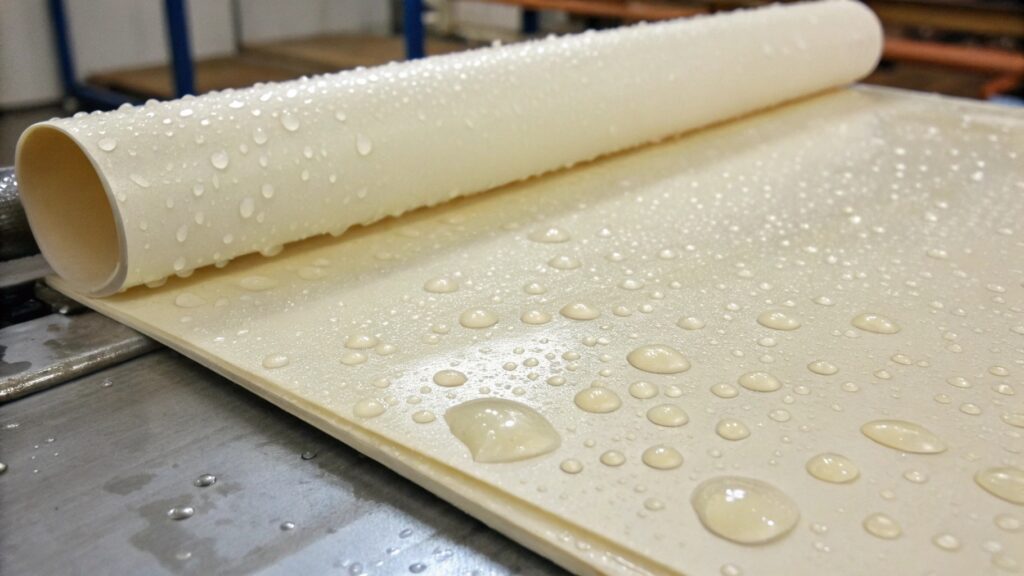
You can create a homemade waterproof barrier using paraffin or beeswax. Simply rub the wax over the paper and use a hairdryer to melt it into the fibers. This creates a natural, water-repellent surface that keeps moisture out while remaining safe for most uses.
 ![]()
![]()
The Waxing Method
I once had a client who needed an "earthy" look for a craft event. We didn't want to use plastic film. I spent the afternoon experimenting with natural beeswax in my workshop. It was a slow process, but the result was amazing. When you rub wax onto a paper bag, it changes the texture. It becomes a bit darker and feels very premium. After you melt the wax with a heat gun or hairdryer, the paper becomes almost like leather. Water just beads up and rolls off the surface. This is a great way to show that your brand values handmade quality and natural materials.
DIY Materials You Can Use
If you are at home or in a small office, you can use basic items to protect your paper. Some work better than others depending on what you need. Here is a comparison of common DIY materials:
| Material | Ease of Use | Waterproof Level | Visual Change |
|---|---|---|---|
| Beeswax | Medium | Very High | Darkens and adds texture |
| Clear Tape | High | High | Adds a plastic shine |
| Hairspray | Very High | Low | Very little change |
| Acrylic Spray | Medium | High | Can be matte or glossy |
Finding a Balance with Sustainability
Jacky often asks if these methods hurt the environment. I tell him that beeswax is a great choice because it is biodegradable. However, it is hard to do this for 1,000 bags. For large orders, we look for "bio-laminations." These are made from plant-based materials instead of oil. They give you the same waterproof power as a homemade wax seal but at a much larger scale. It is about understanding the limits of the paper. You cannot make paper survive underwater, but you can make it "thoughtfully resistant." This means it stays strong through a rain shower but can still break down naturally in the soil later.
How to Make Waterproof Paper Bags?
Most paper bags break at the bottom when they get damp. This causes products to fall out and creates a bad image for your company. Focus on both coatings and structural reinforcements.
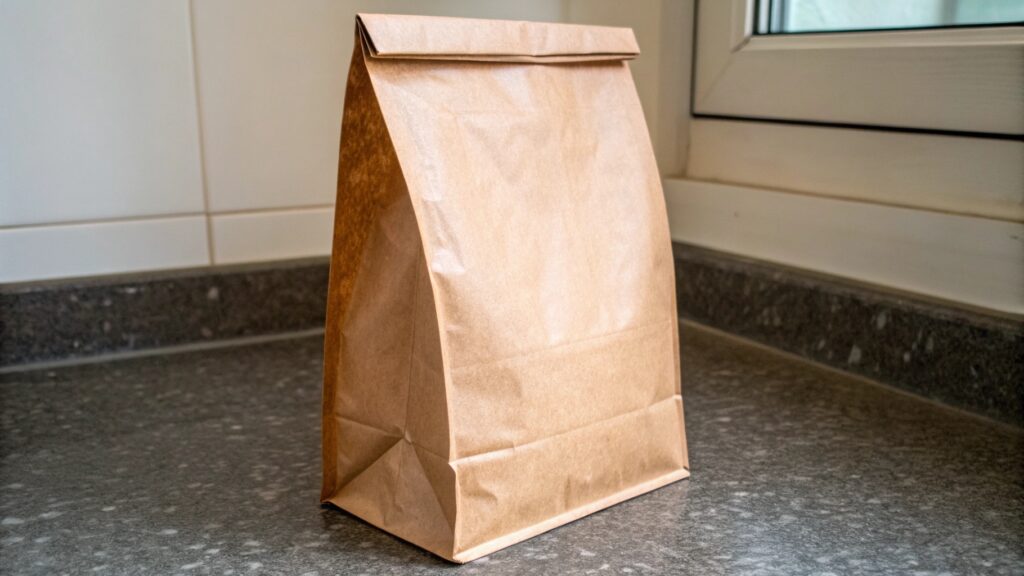
To make waterproof paper bags, apply a water-based varnish during printing and use reinforced bases3. Sealed edges and folded seams prevent water from entering through the gaps. This combination ensures the bag remains durable and keeps its shape even when exposed to light rain.
 ![]()
![]()
Building a Stronger Bag Structure
In my experience, a bag usually fails at the seams first. Water finds the tiny gaps where the paper is glued. I have spent years studying how to make these points stronger. We use a special water-resistant glue for the base. We also add a cardboard insert at the bottom. This insert acts like a floor that keeps the bag's shape even if the paper gets a bit soft. If the bottom stays flat, the bag is much less likely to tear. I tell my clients that a waterproof bag is not just about the surface. It is about how the whole bag is built.
The Role of Design in Durability
The way you design the bag can also help keep it dry. For example, a fold-over top helps keep rain out of the inside. If the handles are made of synthetic rope or treated cotton, they won't get soggy and snap. Here is how structure and coating work together to protect your brand:
| Feature | Function | Benefit to User |
|---|---|---|
| Folded Top Edge | Blocks rain from entering | Keeps contents dry |
| Reinforced Base | Supports heavy items | Prevents bottom from breaking |
| Sealed Seams | Stops water leaks | Improves overall bag life |
| Bio-Coating | Repels surface water | Maintains brand logo clarity |
Why Quality Matters for Branding
Jacky needs a one-stop solution because he doesn't have time to test every bag himself. He needs to know that when he hands a bag to a client, it will hold up. If a bag breaks in the street, it is a disaster for his brand image. That is why I focus on "thoughtful resistance." We don't just spray the bag and call it done. We look at the handles, the glue, and the paper weight together. When everything is aligned, you get a bag that looks beautiful and performs reliably. It tells a story of quality and care. This is how a simple paper bag can become a powerful branding tool that people trust and reuse.
Conclusion
Waterproof paper bags are possible when you combine smart coatings with strong structure. They protect your brand and stay eco-friendly. I can help you find the perfect balance for your next project.