Why is the Color Brown the Credible Sustainability Statement for Paper Bags?
Have you ever wondered why brown is the default color for most paper bags? It is not a design choice; it is an outcome of efficiency. I believe the color brown is a powerful signal of honesty and strength.
**Paper bags are usually brown because brown is the natural, honest result of the most efficient papermaking process, using unbleached kraft or recycled pulp. Skipping the chemical whitening step preserves the fiber's strength, significantly reduces energy and water use, and makes the bag the cheapest, strongest, and most easily recyclable option available.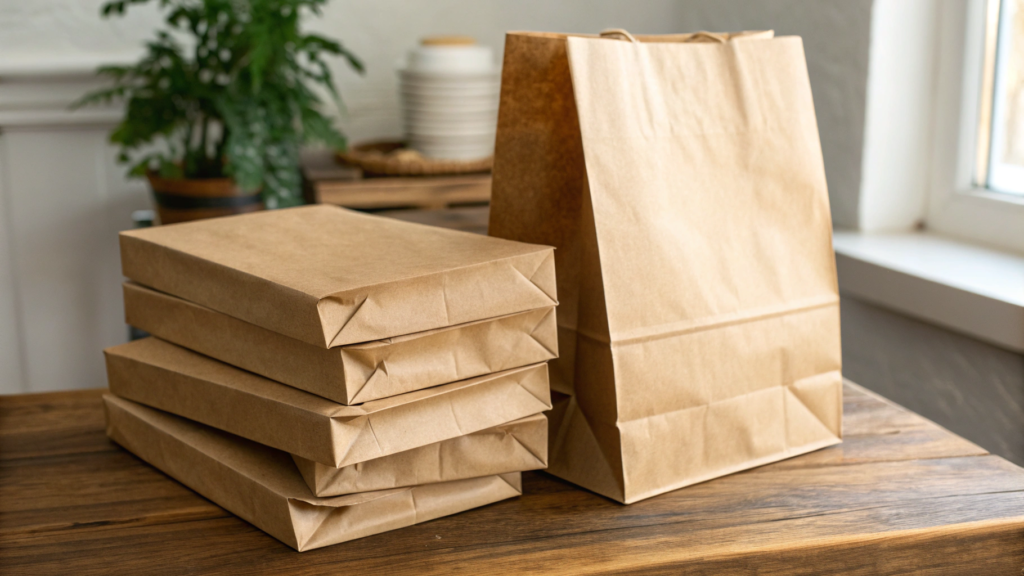
In the world of packaging, color often carries a cost. White paper requires bleaching, which adds expense and chemicals to the process. Brown paper is literally the honest by-product of efficient papermaking. This practical origin has created a powerful cultural symbol. I will explain why this color has evolved from a utilitarian process outcome to a key storytelling device for trustworthy and eco-sincere brands.
Why Are Paper Bags Most Often Naturally Brown?
Do you think brown paper is simply cheap or uninspired? The color is a direct reflection of smart processing choices. This commitment to efficiency is what makes it so prevalent.
Paper bags are brown primarily because they are made from unbleached wood pulp using the Kraft process, which is the strongest method for papermaking. The fibers are not treated with harsh chemicals like chlorine or hydrogen peroxide to remove lignin, leaving the natural reddish-brown color intact. This saves resources, maintains maximum fiber strength, and ensures the bag's integrity.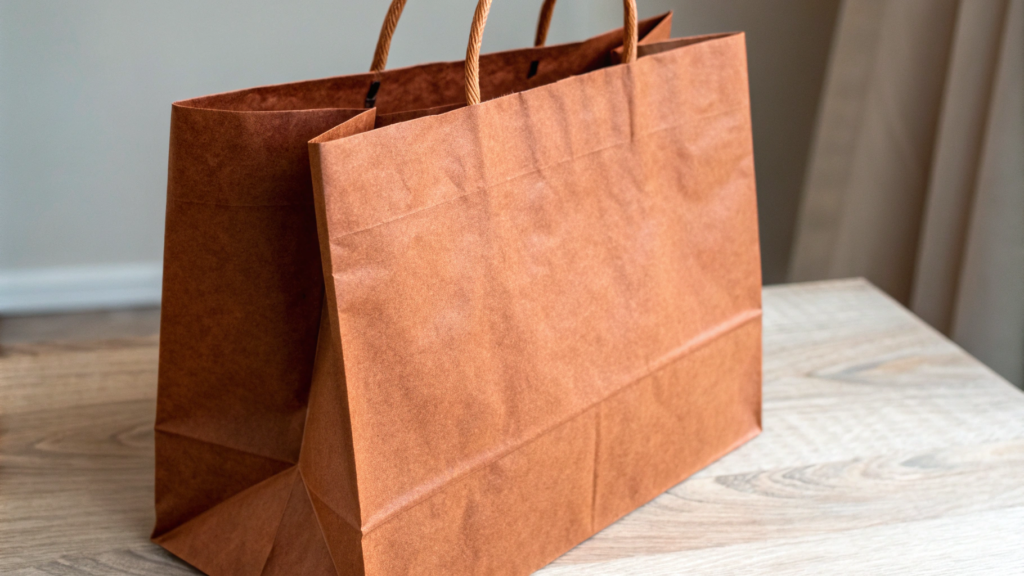
When I first learned about paper production, I realized that making a brown bag is an act of efficiency. Wood pulp naturally contains lignin, which is the substance that gives trees and unbleached paper their brown color. To make paper white, you must chemically remove or modify this lignin, a process called bleaching. This process is chemically intensive, requiring significant amounts of water, energy, and bleaching agents. By using unbleached Kraft paper, manufacturers skip this costly and resource-heavy step. This means the brown bag is literally the cheapest and most environmentally efficient product in terms of initial production. Also, skipping the bleaching process leaves the cellulose fibers longer and stronger, which is why brown paper bags are typically more durable and hold up better to wet conditions or heavy loads than equivalent white paper bags. For a branding manager like Jacky, this inherent strength is a major selling point for quality corporate packaging.
What is the Kraft Process and Why Does it Make Paper Stronger?
The Kraft process1 is the industry standard for making strong packaging paper. The German word Kraft literally means "strength." This process uses a chemical treatment to separate cellulose fibers from the wood efficiently, resulting in very long, strong fibers. Because these fibers are not weakened by the harsh bleaching required for white paper, the resulting brown paper has superior tensile strength and tear resistance. This strength is why brown paper is the default choice for shipping cartons, heavy-duty sacks, and the best retail paper bags. This choice is about function first. The color is a visual guarantee that the bag is built for work. Smart brands treat this raw, honest texture as a design asset, using stamped logos or minimal color accents to amplify the provenance instead of trying to cover it up.
| Paper Color | Bleaching Requirement | Fiber Strength | Production Cost | Key Environmental Impact |
|---|---|---|---|---|
| Brown | None (Unbleached) | Highest (Preserved Lignin) | Lowest | Low chemical/water use |
| White | High (Requires Chemicals) | Lower (Weakened Fibers) | Higher | Higher chemical/water use |
The result is a product that is highly functional, cost-effective, and aligned with the growing search intent around sustainability. The natural brown color is a direct, non-verbal communication of the paper's efficient origin.
What Does a Brown Paper Bag Symbolize in Branding and Culture?
Does your brand use brown paper to signal a specific message to your customers? This color has acquired a cultural meaning far beyond its material source. I believe the brown paper bag is the ultimate symbol of honesty.
**Culturally, the brown paper bag symbolizes authenticity, trustworthiness, and eco-sincerity because its unbleached, raw appearance suggests purity and a lack of unnecessary processing. This color cues a brand's commitment to thrift and sustainability2, contrasting sharply with the glossy, high-production look of highly bleached or laminated packaging, making it a powerful statement of ethical practice.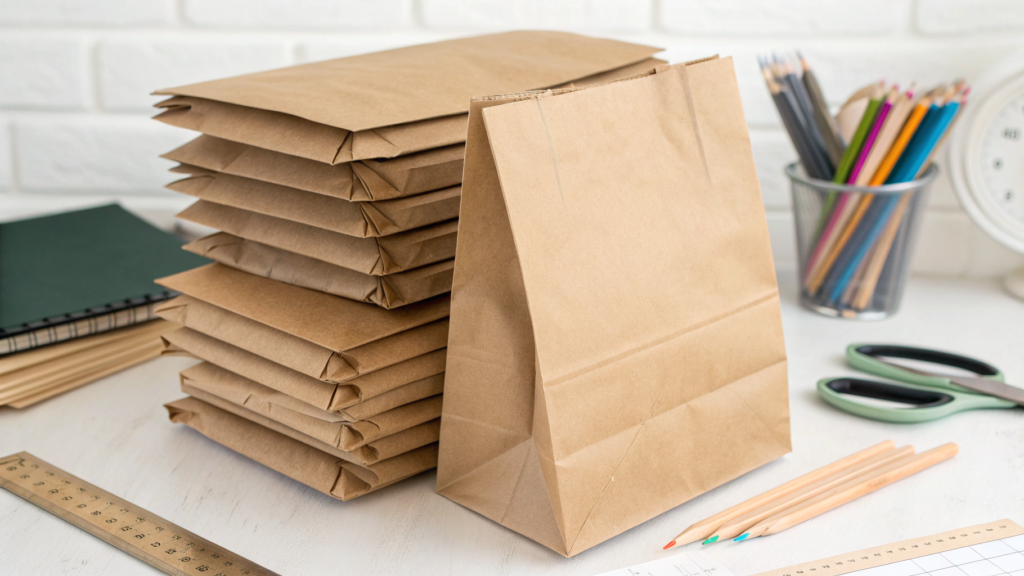
The meaning of the brown paper bag is a fascinating case of utility becoming a virtue. Because the color is the result of efficiency and strength, it has acquired a powerful symbolic value over time. In branding, brown reads as "raw," "natural," and "unpretentious." When a high-end food brand or a slow-fashion company uses a simple brown bag, they are instantly signaling authenticity and honesty to their customer. They are saying, "Our focus is on the product inside, not the flashy packaging." This perception of thrift and genuineness is incredibly valuable to modern consumers who are skeptical of glossy marketing. This is also why we advise Jacky to be strategic with his printing on a brown bag. A minimal, stamped black logo or a small pop of eco-friendly color works best. The texture of the paper itself becomes part of the design asset, communicating provenance and quality without needing complex graphics.
Why is Brown Seen as More Trustworthy than White?
This perceived trustworthiness stems from the concept of honesty in production. White paper suggests processing, bleaching, and often, higher cost. Brown paper suggests minimal intervention. In the consumer's mind, a brown bag says, "This product is simple, clean, and has nothing to hide." This perception is amplified in the sustainability space. While a brown bag is not always the greener choice—sourcing decisions and coatings matter more—the color gives brands an immediate, non-verbal cue of being environmentally conscious. This is what I call a credible sustainability statement. It aligns perfectly with the current trend of conscious consumption and ethical sourcing. Using brown signals a dedication to using the natural state of the material rather than chemically altering it for aesthetics. The color is functional, historical, and deeply resonant with today's values.
Are Brown Paper Bags Genuinely Environmentally Friendly?
Do you assume all brown paper bags are automatically the most environmentally friendly choice? The color is a great start, but true eco-friendliness depends on three other factors.
snippet paragraph:
**Brown paper bags are generally very environmentally friendly3 due to the low-impact Kraft production process which minimizes chemical use, but their final eco-status depends on fiber sourcing (virgin vs. recycled content), the type of ink used, and the presence of non-paper coatings or handle materials. High-recycled content, unvarnished brown bags are typically the most sustainable option.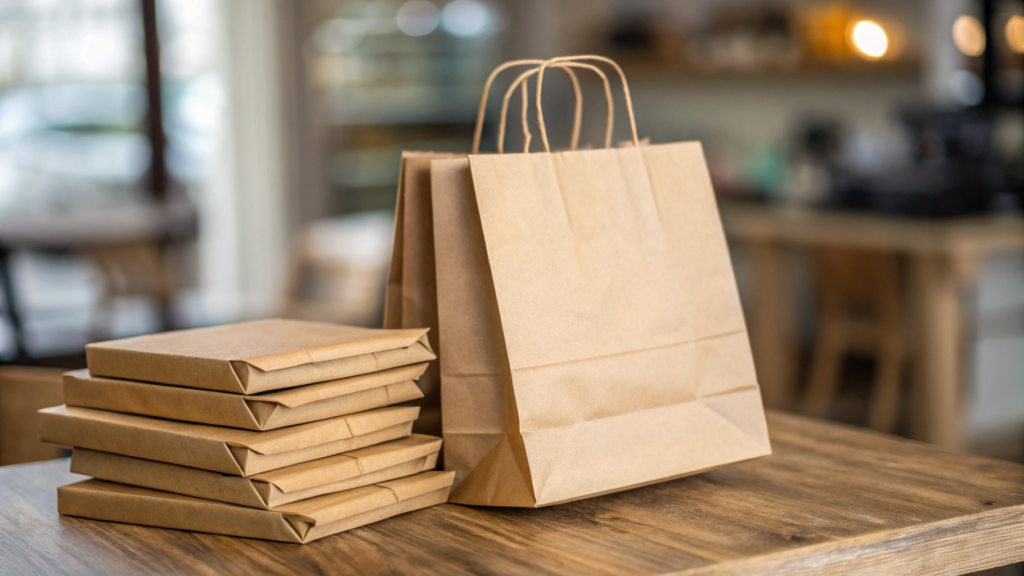
The color brown signals a good start, but as I tell all my clients, we must look deeper. The environmental impact of any paper bag relies on a lifecycle analysis, which includes: Sourcing, Processing, and End-of-Life. Sourcing is key: is the paper made from virgin fiber from sustainable forests (FSC certified) or is it made from high-recycled content? The best bags use a high percentage of post-consumer recycled fiber, which significantly reduces the need for virgin wood. Processing is where brown excels, as we know the lack of bleaching saves water and energy. End-of-Life is about recyclability. Brown paper is one of the easiest materials to recycle because the fibers are strong and free of heavy contaminants. However, many brands, trying to make the brown bag look "nicer," add features that hurt its recyclability: plastic laminate coatings for a glossy finish, non-water-based inks, or plastic-tipped rope handles.
Why Does Recycled Content Determine True Eco-Friendliness?
While the unbleached nature of brown paper is a positive, a brown bag made from 100% virgin pulp, even if sustainably sourced, is less eco-friendly than a bag made from a high percentage of recycled fibers. Every time a paper fiber is reused, it extends the resource cycle and reduces the pressure on forests. We guide clients like Jacky to specify brown kraft paper with at least 40% to 50% recycled content. This achieves the best of both worlds: the unbleached strength of the Kraft process combined with maximum resource conservation. Furthermore, we ensure all printing is done with vegetable- or water-based inks, which easily separate from the paper during the pulping process, thus maintaining the bag's integrity at its end-of-life. This comprehensive approach ensures that the brown bag is not just perceived as sustainable, but is genuinely a pragmatic, low-impact packaging solution.
Conclusion
Paper bags are brown for strength and efficiency, a process that has become a symbol of honesty and thrift. True eco-friendliness is achieved when this color is combined with recycled fiber and clean, recyclable design.
-
Understanding the Kraft process reveals why brown paper is stronger and more sustainable, making it essential for eco-conscious consumers. ↩
-
Examining sustainability trends can help you align your brand with modern consumer values and preferences. ↩
-
Understanding the criteria for environmentally friendly packaging can enhance your brand's sustainability efforts. ↩