Is Using a Glass Water Bottle Good for Your Health, and What Are the Practical Trade-Offs?
Are you concerned about chemical exposure from plastic or metal bottles? The material you drink from matters for both your health and the taste of your water.
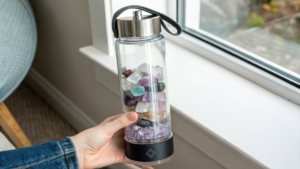
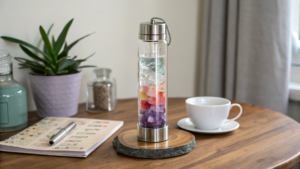
Yes, using a glass water bottle is one of the healthiest everyday choices. Glass is chemically inert, meaning it does not leach plasticizers, metals, or coatings into your water, ensuring pure taste. It avoids the microchemical exposure risks associated with some plastics and poorly-lined aluminum. The key is choosing durable tempered or borosilicate glass and ensuring the lid and seals are also non-toxic.
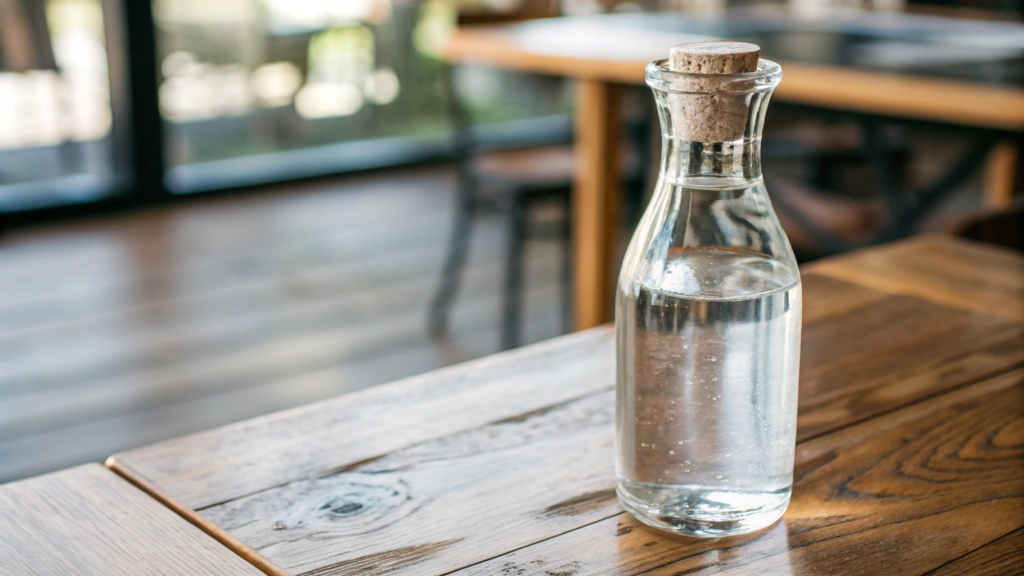
In my experience advising clients on corporate gifts, I always emphasize that the vessel is just as important as the liquid it holds. Glass bottles have a simple, clear advantage: they are chemically safe. This non-toxicity is critical for anyone who prioritizes flavor purity or has health concerns about leaching. However, the health win depends entirely on practical design. A heavy, breakable glass bottle is useless if it shatters on the first drop. The best glass bottles balance this non-toxic core with smart design choices like silicone sleeves and minimal-contact lids. I view glass as an excellent, health-forward vessel for home and desk use. It provides chemical safety and taste fidelity, provided the lid and hygiene are up to the same standard.
Is it healthy to drink water from glass bottles, and how does it affect taste?
Are you wondering if glass is truly non-toxic and whether it can improve your daily water intake?
Yes, it is very healthy to drink water from glass bottles because glass is chemically inert. This means it does not react with water, acidic drinks, or infused flavors. This lack of chemical interaction ensures that your water retains its intended taste and purity1. Glass avoids leaching microchemicals associated with some plastics and metals, making it an excellent choice for protecting health.
!
I believe that the ability to preserve taste is a major health benefit. If your water tastes cleaner, you will drink more of it. That is the simplest health win of all. Glass is perfect for this because it has zero taste transfer.
Chemical Inertness and Leaching
The core health benefit of glass is its inertness. Glass is made from natural materials—sand, soda ash, and limestone. It is non-porous. It does not contain BPAs, phthalates, or other plasticizers. When hot liquid is added or when the bottle sits in the sun, glass does not release any substances. This is especially important for people who enjoy acidic drinks like fruit-infused water or lemon water. Glass will not react with the acid. This eliminates the chemical exposure risks associated with certain materials.
Maintaining Flavor Purity
Glass ensures flavor fidelity. Since glass is non-porous, it does not absorb residue or odors from previous drinks. You can switch from coffee to strong herbal tea to plain water, and the flavor will not carry over. This ensures your water is always refreshing. This taste advantage is a huge factor in encouraging mindful drinking and consistent hydration throughout the day.
The Problem of the Lid and Seal
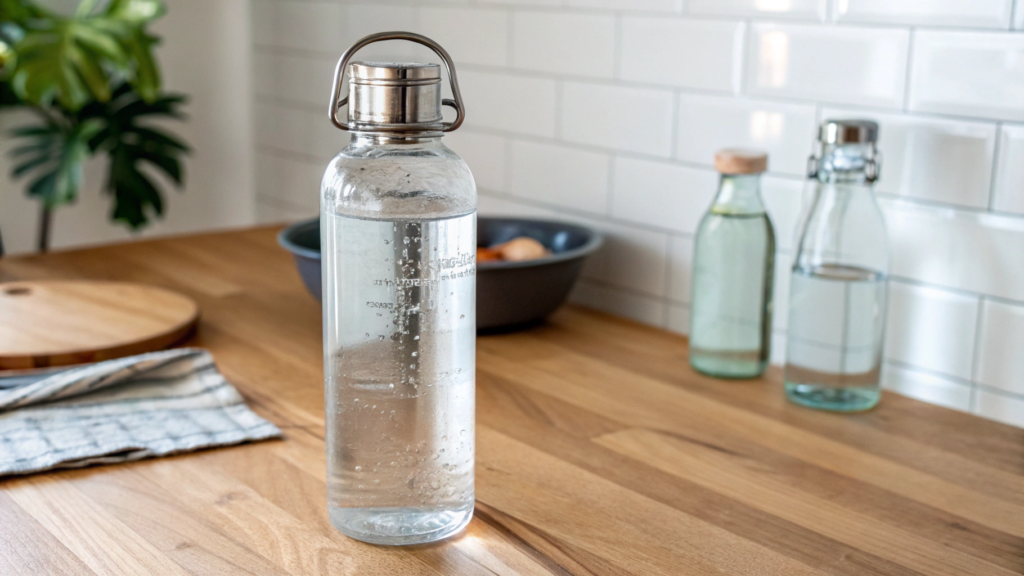
However, the health benefit of the glass itself can be undermined by a poor lid. Many cheaper glass bottles use low-quality plastic caps or glued seals. These components may contain chemicals that can still leach into the water if they are in prolonged contact. I advise clients to choose glass bottles that have lids made from stainless steel or food-grade silicone2 that minimizes contact with the water. The purity of the glass must be matched by the purity of the accessories.
| Component | Health Risk to Avoid | Recommended Material |
|---|---|---|
| Bottle Body | Chemical leaching, taste transfer | Borosilicate or Tempered Glass |
| Lid/Cap | Leaching from poor plastic | Stainless Steel or Food-Grade Silicone |
| Sleeve | Breakage risk | Thick, non-toxic Silicone Sleeve |
What is the healthiest type of water bottle to use, and how does glass compare to the rest?
Given all the options available today, where does glass rank in terms of overall health and safety?
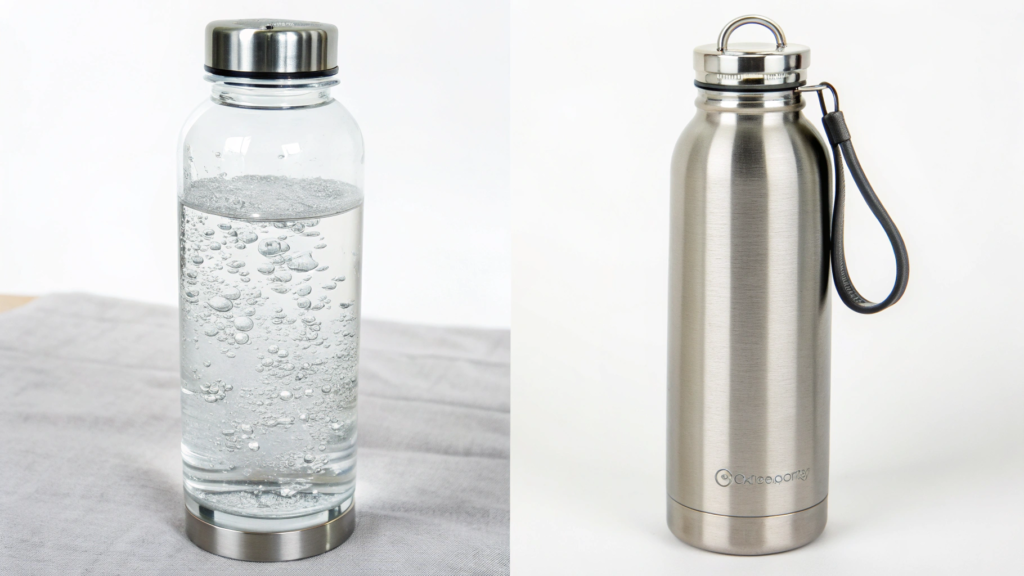
The healthiest type of water bottle to use is generally one made from a chemically inert material: either glass (borosilicate) or food-grade stainless steel (304/18/8)**. Glass is the best choice for chemical safety and taste purity. Stainless steel is the best choice for durability and thermal insulation. Both are excellent, non-toxic alternatives to plastic or lined aluminum, but glass wins for absolute flavor purity.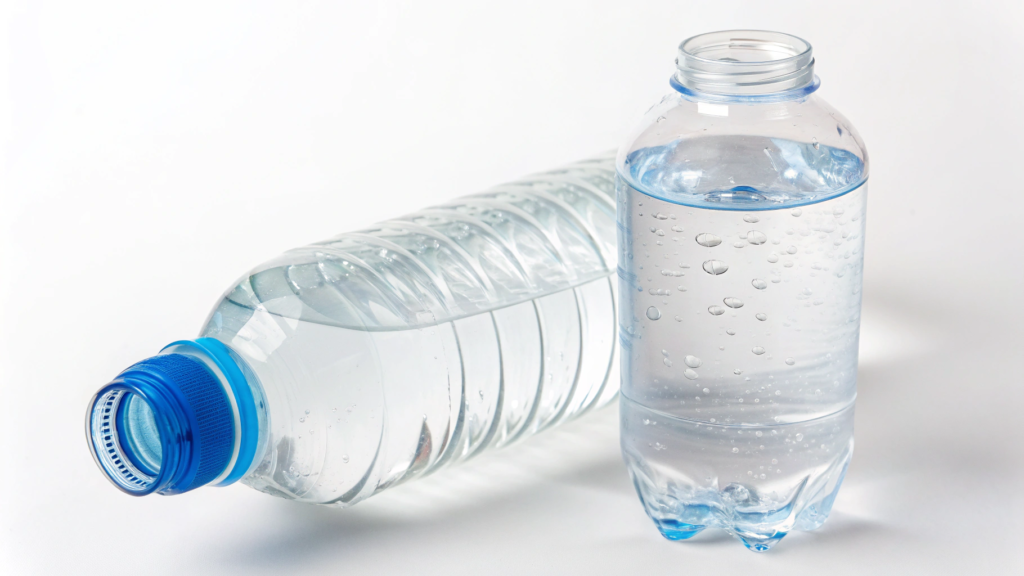
When evaluating a bottle, I use a simple matrix: Non-Toxicity, Durability, and Function. The healthiest bottle is the one that scores highest on all three for its intended use.
The Chemical Safety Ranking
Glass and high-grade stainless steel3 are both at the top for non-toxicity. Stainless steel is chemically stable and does not need a liner. Glass is inherently inert. The major difference is that stainless steel can sometimes impart a metallic taste if not cleaned well. Glass always remains neutral. For maximizing chemical safety and ensuring a pure flavor experience, glass is the best.
The Durability and Practicality Trade-Off
This is where glass loses its top spot. Ordinary soda-lime glass is heavy and highly susceptible to breaking. This lack of practicality limits its use for commutes, gym visits, or active outdoor events. For those contexts, the near-indestructibility and superior insulation of vacuum-sealed stainless steel make it the better, and therefore safer, option.
- Glass: Best for desk, home, and mindful drinking. Requires a silicone sleeve for protection.
- Stainless Steel: Best for active use, long commutes, and temperature retention.
Cleaning and Hygiene
The healthiest bottle is the one you can clean consistently. Glass is non-porous and can be run through a dishwasher at high temperatures without risk. This makes it incredibly hygienic. However, narrow-neck glass bottles are very difficult to clean by hand. Biofilm can easily accumulate on the inside walls. If you choose glass, you must commit to a routine cleaning habit, preferably using a bottle brush or a dishwasher. This ensures the health advantage of the inert material is maintained.
| Bottle Material | Chemical Safety | Durability/Practicality | Best For |
|---|---|---|---|
| Glass | Excellent (Inert) | Poor (Breakable, heavy) | Home, Desk, Flavor Purity |
| Stainless Steel | Excellent (No lining required) | Excellent (Indestructible, insulating) | Outdoors, Commute, Kids |
| Tritan Plastic | Good (BPA-free, shatter-resistant) | Excellent (Lightweight, transparent) | School, Gym |
Which bottled water is best for kidneys, and does the bottle material affect this?
Does the type of bottled water you drink or the bottle material impact your kidney health?
Kidney health is primarily supported by consistent hydration with clean, unflavored water—the source (tap, filtered, or bottled) matters less than volume. The bottle material is irrelevant to kidney function but crucial for avoiding chemical intake. Drinking from an inert vessel like glass ensures you are only consuming water without microplastic or chemical contaminants, which is a key preventative measure for overall health.
As a product expert, I must state clearly that the bottle material does not change the mineral content of the water. The best water for your kidneys is simply clean, consistent water. There is no special "kidney water."
The Focus on Hydration and Purity
The key to kidney health is maintaining consistent hydration to allow the kidneys to flush out waste products. The quality of the water is what matters. The bottle's job is to deliver that water in its purest form. This is where glass proves its worth. By using a glass bottle, you eliminate the variable of the container. You ensure that the water you put in is the water you drink. There is no leaching from plasticizers, dyes, or reactive metals.
Avoiding Contaminants
While the mineral content is up to the water source, avoiding chemical contaminants is your responsibility. This is why glass is a "health-forward" choice. By eliminating any risk of microplastic shedding or coating degradation, you are taking a crucial preventative step. The healthiest bottle, in the end, is one that you trust completely, use consistently, and clean reliably. Glass provides the highest level of trust in material safety.
Conclusion
Glass water bottles are excellent for health due to their chemical inertness and taste purity. Choose durable borosilicate glass and stainless steel lids to ensure practicality, hygiene, and safe, consistent drinking.