How Do I Wear Enamel Pins to Maximize My Style and Tell a Personal Story?
Are you unsure how to style your pins without them looking like random clutter? Poor placement can make even the nicest pin feel childish or accidental.
To wear enamel pins well, treat them as storytelling tools: let a single statement pin earn attention by placing it at eye level on a jacket lapel or shirt pocket to look emblematic. For collections, cluster 3–5 small pins in a loose group on a denim jacket or bag to create a curated mini-collection. Always mind scale, balance, and quality locking backs to ensure the display is intentional and secure.
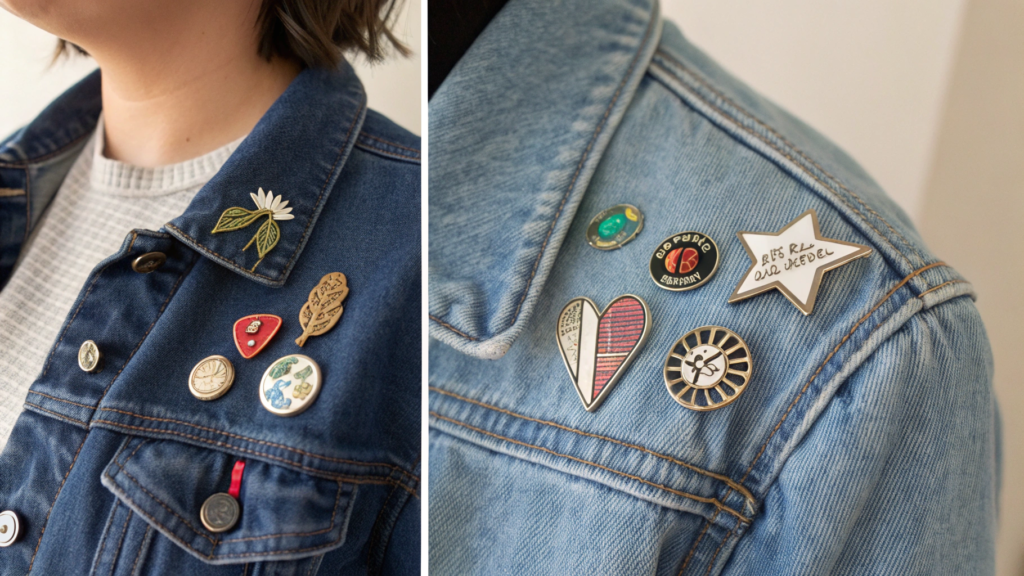
I have always loved the subtle power of accessories. Enamel pins are tiny. Yet, they can completely change an outfit. They can communicate a personal interest, a political view, or a brand affiliation. When I create corporate gifts, I often recommend pins because they are highly collectible. However, I have seen many people lose the impact by placing them randomly. Wearing pins well requires both styling discipline and a thoughtful narrative. A pin should feel intentional. It should spark a conversation, not dominate the look. From my perspective, the key is to move from random decoration to curated display. You need to create a mini-collection that tells a coherent story. Let me explain the practical rules for placement and the simple steps to keep your pins secure and stylish.
How to wear a pin without damaging clothes, especially delicate fabrics?
Are you avoiding putting pins on your favorite blazer or knit sweater? You need simple techniques to attach a pin without causing permanent holes or fabric tears.
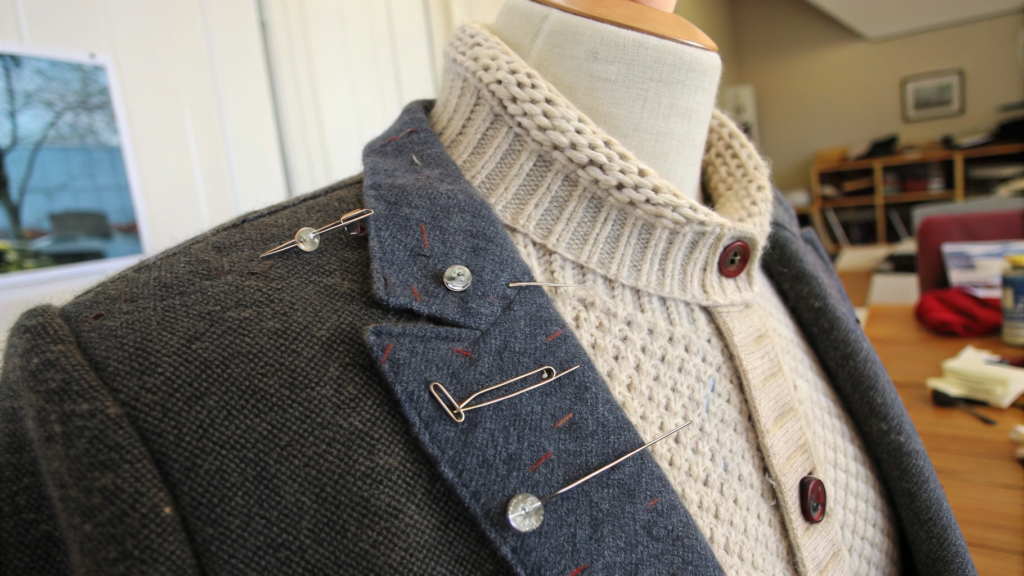
To wear a pin without damaging clothes, never push a pin through delicate knits, silk, or thin synthetic fabrics. Instead, use thicker, tighter-woven materials like denim, canvas, or wool tweed. For added safety on thinner materials, place a small, clear piece of tape or a backing patch on the inside of the garment before pushing the pin through. Always rotate the placement of pins to prevent repeated wear on one spot.
When I was designing corporate apparel, I learned that fabric integrity is everything. A hole in a t-shirt is one thing. A permanent tear in a wool coat is a disaster. You must respect the fabric you are pinning to.
Choosing the Right Fabric Base
The best fabrics for enamel pins1 are those with a tight, durable weave. Denim jackets, canvas tote bags, thick cotton drill shirts, and sturdy wool coats are excellent choices. Their dense fibers secure the pin post tightly. They are resilient to the small puncture. Delicate fabrics like silk, rayon, or loosely woven knits should be avoided. The pin post can easily snag a loop of thread in a knit sweater, causing a run or a large, noticeable hole. The key is to choose a material that can close up the tiny hole after the pin is removed.
Practical Tips for Pinning
When pushing the pin through, use an area of the garment that is already reinforced. The lapel of a blazer, the placket (the double-layered fabric where buttons are), or the upper pocket of a jacket are the strongest points. For high-value items, you can use a simple trick. Push the pin through an inconspicuous area, like the bottom layer of a pocket or a seam allowance, to test the fabric. Another technique is to use a small piece of felt or stiff interfacing fabric on the inside of the garment. Pin through the garment and then through the felt. This spreads the pressure of the pin, reducing stress on the garment's fibers.
Preventative Care and Rotation
Even on tough fabrics, pinning in the same spot repeatedly will cause wear and tear. You must rotate your pins. Change the spot on your denim jacket every few weeks. This gives the fabric time to relax. Also, always remove your pins before washing or dry cleaning the garment. The movement in a washing machine can pull the pin and create a large tear. Proper care ensures the longevity of both the pin and the clothing item.
| Fabric Type | Suitability | Pinning Tip |
|---|---|---|
| Denim/Canvas | Excellent (High Resilience) | Ideal for clusters and heavy pins |
| Wool/Tweed | Good (Tight weave holds well) | Use thicker fabric areas like lapels |
| Thin Cotton/Linen | Fair (Can leave noticeable holes) | Use backing patch or pin through double layer |
| Knits/Silk | Poor (Risk of snagging/tearing) | Avoid entirely or use a sewn-on brooch converter |
How to safety pin a dress to show less cleavage when a button is not available?
Do you need a simple, temporary fix for a low-cut dress or blouse? A large, visible pin can ruin the aesthetic you are trying to achieve.
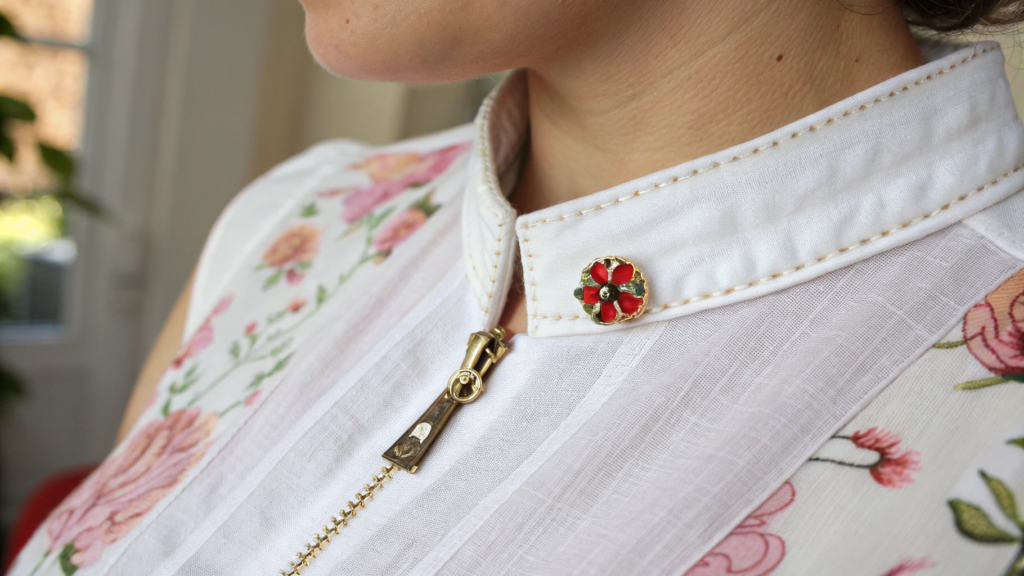
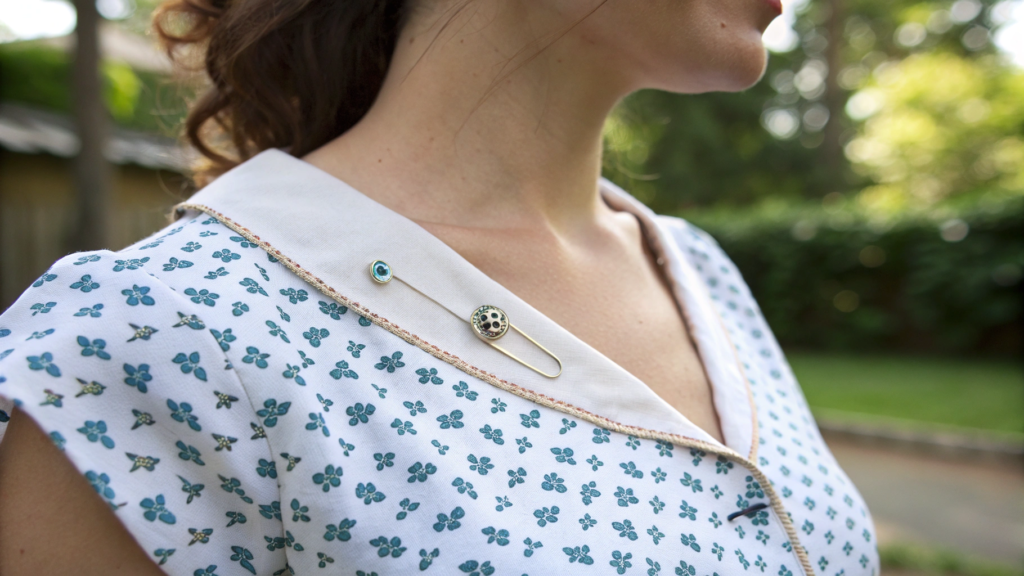
To discreetly close a low-cut dress or blouse, use a very small, flat enamel pin with a strong clutch or, better yet, a miniature safety pin. Close the pin on the inside of the garment, passing it only through the inner fabric layers of the left and right sides of the neckline. This technique pulls the fabric together from the inside. This creates a secure, invisible closure2 that controls the neckline without damaging the exterior fabric.
This is a classic styling problem. Sometimes a dress or blouse opens too low. You need a fast, invisible fix. A large, decorative pin will draw attention to the area you are trying to hide. The solution is always to work from the inside.
The Invisible Fix Technique
Instead of using a decorative pin on the outside, you need a functional, small pin inside. For a quick fix, a tiny safety pin works best. If you use an enamel pin, it should be a very small one, often called a "mini-pin." Pinning must be done on the inside fabric layers only.
- Isolate the Layers: Pinch the inside edges of the neckline fabric where you want the closure.
- Pin Through Inside Only: Carefully push the pin only through the inner-facing fabric layer of one side.
- Cross Over and Secure: Push the pin through the inner-facing layer of the opposite side.
- Clutch and Conceal: Secure the locking back or clutch, ensuring the pin head is tucked neatly inside the garment.
This method keeps the decorative part of the pin invisible. It still uses the strength of the pin post to secure the fabric overlap. This works perfectly for temporary adjustments on event wear or blouses that gape.
Using Pin Placement for Intentional Styling
If you want to use a visible enamel pin for this purpose, you must make it look intentional. Place a single, small, luxury-style pin (like a geometric shape or a simple logo) right where the overlap is desired. By making the pin highly intentional and stylish, you turn a potential wardrobe malfunction into a deliberate styling choice. The pin now acts as a decorative closure, similar to a small brooch.
How to wear pins without losing them, especially on bags and backpacks?
Are you losing your favorite pins because the standard rubber clutch slips off easily? Losing a collectible pin is a frustrating waste of money.
To wear pins without losing them, immediately replace the standard rubber clutch backs with high-quality metal locking backs3. These locking backs feature a spring-loaded mechanism that secures the pin post and requires a small pull to release. For pins attached to bags, backpacks, or other high-movement items, place a small fabric patch or backing card on the inside of the material. This reinforcement keeps the pin post straight and prevents the clutch from loosening due to constant friction.
I have heard countless stories of lost pins. The standard rubber clutch is fine for light use on clothing. It is terrible for items that receive high friction, like keychains or backpacks. If the pin is valuable to you, you must upgrade the clutch.
The Locking Back Upgrade
The metal locking clutch is the single most important investment you can make for your pins. They typically use a lever or screw mechanism to clamp tightly onto the pin post. The locking action is much more secure than the simple friction hold of a rubber back. You can buy these locking backs cheaply online. I recommend using them on any pin that costs more than a few dollars. They are essential for pins worn on:
- Bags and Backpacks: High movement and friction.
- Hats and Caps: Frequent removal and handling.
- Jackets: Worn in crowds or taken off/put on often.
Reinforcement for Bags
Bags, especially canvas or denim totes, are rough on pins. The interior of the bag constantly rubs against the back of the pin. This constant movement vibrates the clutch loose. To fix this:
- Pin and Secure: Place the pin where you want it and attach the locking back.
- Internal Patch: On the inside of the bag, cut a small piece of stiff felt or leather patch.
- Cover the Back: Sew or glue the patch over the back of the secured clutch. This creates a cushion. It also stabilizes the pin post. This simple step prevents the pin from wiggling and ensures the locking back stays in place, even with heavy use.
Pinning on Thicker Material
When pinning a collection to a denim jacket, make sure you push the pin all the way through the thick fabric. The post must stick out enough for the locking back to grip the post securely. If the post is too short or barely pokes through, the lock cannot engage fully. This leaves the pin vulnerable to falling off. Always check that the pin is flush against the fabric and the locking mechanism is engaged with a distinct click.
Conclusion
Enamel pins should be worn intentionally. Use locking backs for security, choose durable fabrics like denim, and cluster small pins to create a meaningful, curated display.
-
Find out how to select the perfect enamel pins that complement your style without damaging your clothes. ↩
-
Learn about the invisible closure technique to discreetly adjust your neckline without compromising style. ↩
-
Find out why upgrading to metal locking backs is essential for securing your pins and preventing loss. ↩