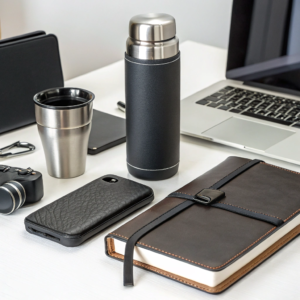
A6 Notebooks, Journals & Notepads: The Power of Compact Productivity
Are you looking for the perfect journal to carry everywhere? The A6 format offers the ideal balance of pocket-sized portability and focused writing space.
A6 notebooks (105 x 148 mm) are highly valued for journaling because their compact size is excellent for on-the-go capture, reducing intimidation, and encouraging intentional, focused thought. This format ensures the journal is always accessible, acting as a portable mind space for daily notes and spontaneous ideas.
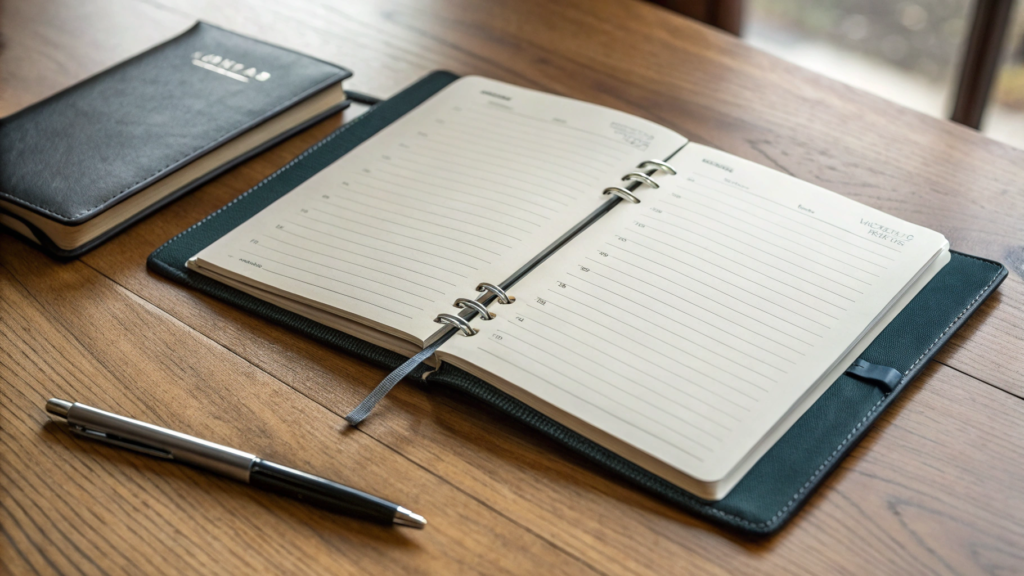
In a world dominated by digital screens, the A6 notebook has quietly re-emerged as a symbol of intentional living and efficient creativity. Its compact size $\text{—}$ small enough to fit into a pocket yet large enough to capture big ideas $\text{—}$ makes it more than just a stationery item; it’s a portable mindspace. From my perspective, the appeal of A6 notebooks lies in their balance between accessibility and focus. Unlike smartphones or tablets that invite distraction, an A6 journal encourages a tactile connection to thought $\text{—}$ each page becomes a deliberate action. Minimalists love them for their simplicity, while creatives appreciate the spontaneous freedom they offer. Moreover, their sustainable potential $\text{—}$ especially when made from recycled paper $\text{—}$ aligns perfectly with the modern eco-conscious lifestyle. In a sense, the A6 format reminds us that productivity isn’t about having more space; it’s about making the most of the space you have.
Is A6 Good for Journaling?
Yes, A6 is particularly suited for journaling, especially if your goal is consistency, portability, and overcoming writer's block.
A61 (105 x 148 mm or 4.1 x 5.8 inches) is excellent for journaling because its small page size is less intimidating than a large A4 or even A5 page. It encourages frequent, short entries, making it ideal for daily note-taking, quick logs, and capturing spontaneous thoughts without needing to write long, drawn-out entries.
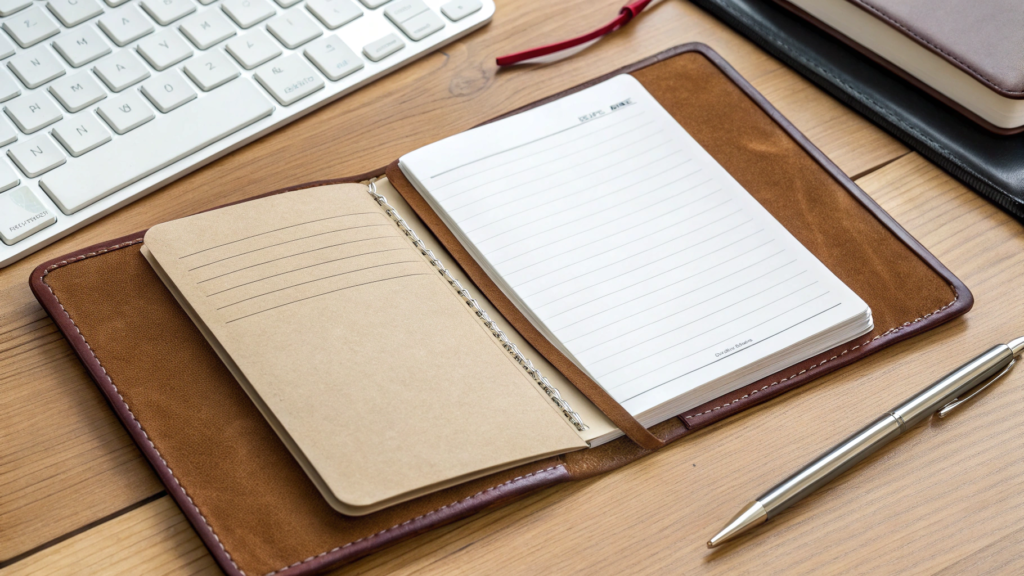
The size of a notebook affects human psychology. A large, blank page (like A4 or even A5) can trigger perfectionism or intimidation, making it hard to start writing. The A6 format, however, presents a manageable, bite-sized canvas. I've observed that for people new to journaling or bullet journaling, this smaller format removes the mental pressure. It forces focus and conciseness, transforming journaling into a fast, deliberate action rather than a long, drawn-out task. This size is also perfect for pocket carry, meaning your "portable mindspace" is always with you $\text{—}$ in a jacket pocket, small purse, or back pocket. This constant accessibility is arguably the most crucial factor for maintaining a consistent journaling habit. Furthermore, for those interested in sustainable practices, less material means a smaller footprint, reinforcing the idea that productivity can be achieved with minimal resources.
What Is the Difference Between A6 and B6 Journaling?
When choosing between compact sizes, A6 and B6 are popular. The difference is subtle but impacts portability2 and page yield.
The primary difference is size: A6 is the most compact of the 'A' series (105 x 148 mm) and is truly pocket-sized. B6 is slightly larger (125 x 176 mm), offering about 30% more writing space per page, making it a comfortable middle ground between A6 and A5 for those who need more room but still want portability.
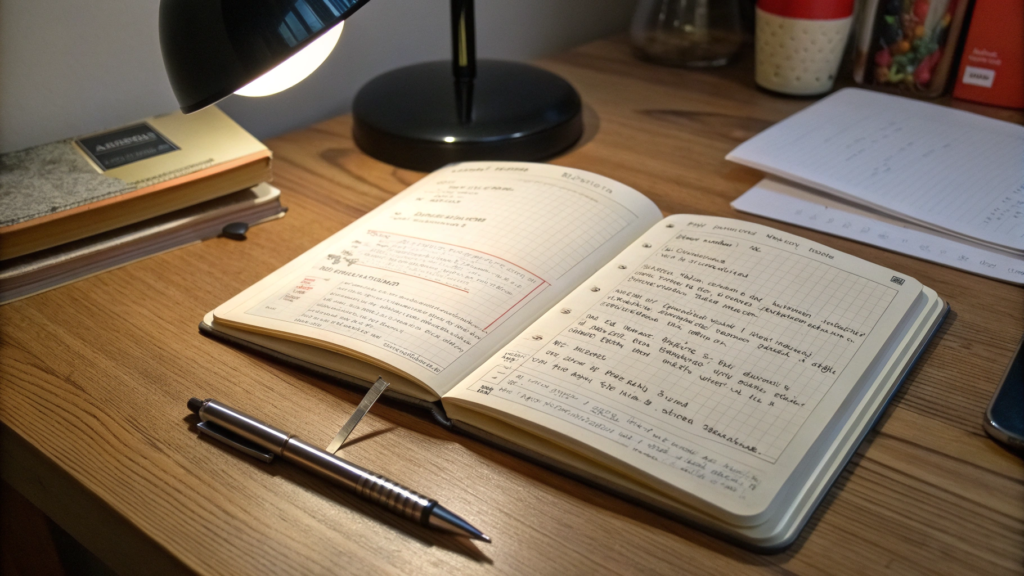
The A and B series are standardized international paper sizes, and for journaling, the differences are primarily practical:
- A6 (The Portable): Best for minimalists, daily planners, and those who need to carry their journal in a pocket. Its smaller size means fewer words per page, encouraging the use of concise bullet points and rapid logging.
- B6 (The Balance): Often favored by those who want to incorporate more traditional writing, sketching, or extensive bullet journal layouts. It still offers good portability (fitting well into most small bags) but provides a wider, more comfortable page surface that doesn't feel cramped.
| Size Format | Dimensions (mm) | Approximate Inches | Key Journaling Benefit |
|---|---|---|---|
| A6 | 105 x 148 mm | 4.1 x 5.8 in | Max portability; encourages conciseness and spontaneity. |
| B6 | 125 x 176 mm | 4.9 x 6.9 in | Balanced size; comfortable for writing and medium complexity layouts. |
| A5 | 148 x 210 mm | 5.8 x 8.3 in | Standard size; maximum space for art, planning, and long-form writing. |
The choice between A6 and B6 depends on your primary use: A6 for capture; B6 for creation.
What Is the Most Popular Journal Size?
While A6 is ideal for portability, the A5 format is currently the most popular choice globally, primarily due to its versatility.
The most popular journal size, especially for the broader bullet journaling and general use market, is the A5 format (148 x 210 mm). Its popularity stems from its versatility, offering ample space for both long-form writing and complex planning layouts while remaining portable enough to carry in a standard backpack or medium purse.
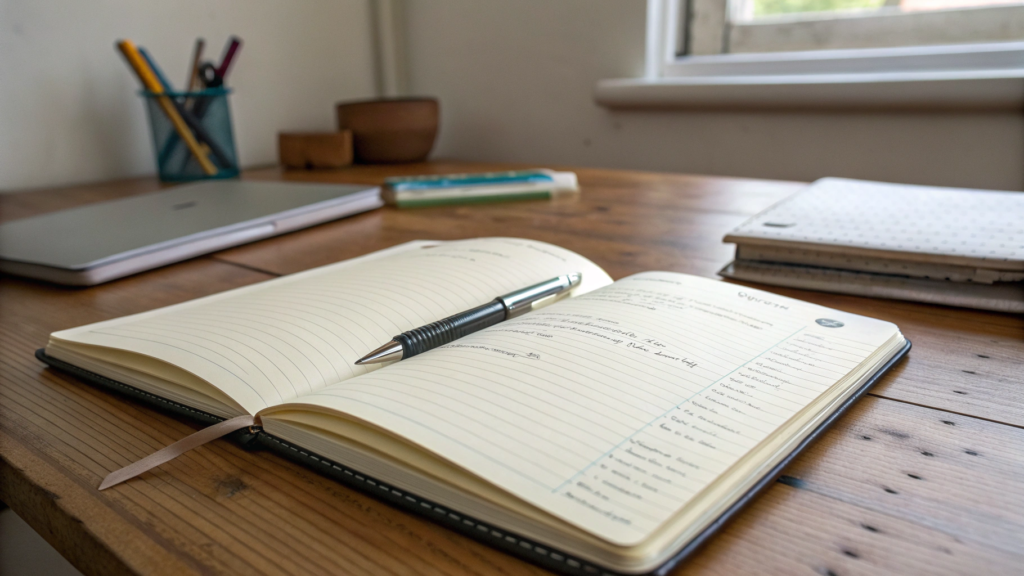
The popularity of the A5 size is directly tied to its adaptability. It is large enough to accommodate the high-detail spreads often seen in artistic bullet journaling $\text{—}$ full monthly calendars, detailed habit trackers, and elaborate doodles $\text{—}$ without feeling as cumbersome as an A4 letter-sized notebook. It strikes the best balance for users who want to merge creativity with function3. Many popular brands, like Leuchtturm1917 and Moleskine, offer their flagship journals in this A5 size (often labeled as "Large").
However, it is crucial to remember that popular does not mean best for you. For the user seeking to avoid the creative pressure and prioritize portability (as suggested in the initial perspective), the A6 or B6 size may offer a far superior, less intimidating experience. A large, popular A5 journal only succeeds if you commit to using its vast space. For the minimalist focusing on pure, efficient thought capture, the A6 is the format that truly supports that goal.
Conclusion
The A6 format is a powerful tool for intentional, on-the-go journaling, offering the perfect compact size to minimize intimidation and encourage consistent thought capture.
-
Explore the advantages of A6 notebooks for journaling, including portability and reduced intimidation. ↩
-
Learn how portability influences journaling consistency and encourages spontaneous writing. ↩
-
Discover ways to merge creativity and functionality in your journaling practice for better results. ↩