Kraft Paper Bags: Why Are These Humble Carriers the New Language of Mindful Commerce?
You might notice more businesses using brown paper bags and wonder if they are a truly sustainable choice or just a passing trend, questioning what makes this material so compelling for conscious consumption.
Kraft paper bags have evolved into powerful symbols of sustainable choice because the material is made from highly recyclable wood pulp and, when responsibly sourced, communicates a brand's commitment to transparency, simplicity, and environmental accountability.
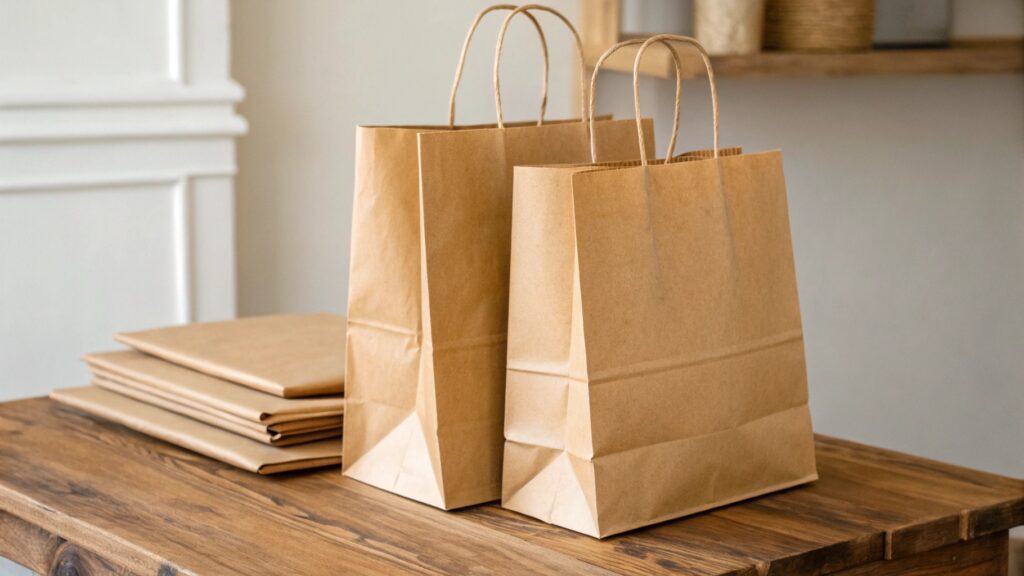
In a world increasingly defined by conscious consumption, Kraft paper grocery and shopping bags have evolved from simple carriers to powerful symbols of sustainable choice and brand ethics. What makes them compelling is not just their recyclability; it is the quiet statement they make about a company's values. Businesses that switch to Kraft paper are not merely following a trend; they are aligning themselves with a broader cultural shift toward transparency and responsibility. The future of retail packaging is not about eliminating materials but about choosing meaningful ones. And Kraft paper, humble yet purposeful, is becoming the new language of mindful commerce.
What Are Brown Paper Grocery Bags Made Of?
Brown paper grocery bags are primarily made of wood pulp from softwoods like pine, which is processed using a chemical method called the Kraft process, a technique specifically designed to separate wood fibers while preserving their high strength and durability.
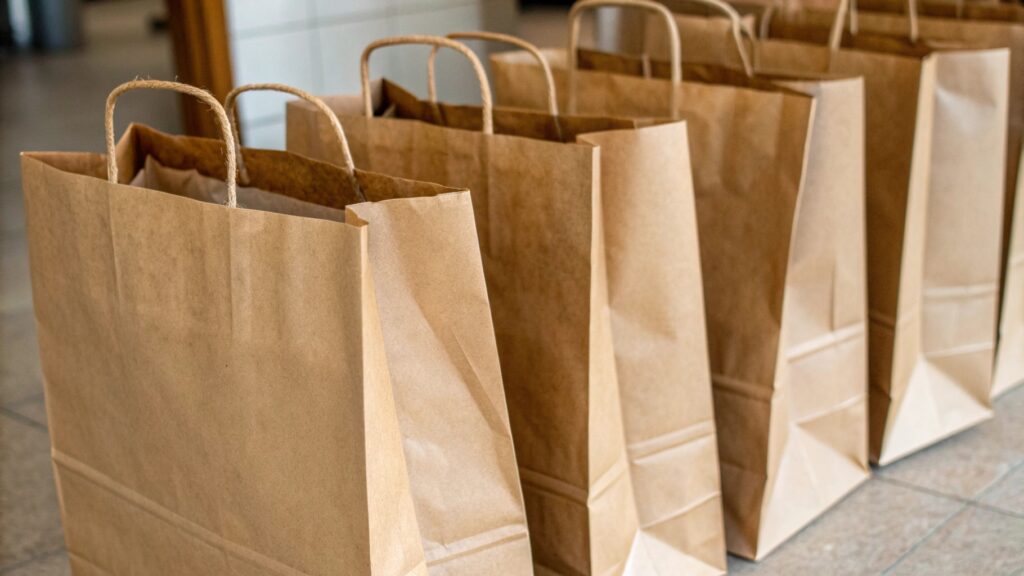
The material used in these familiar brown bags is not just any paper; it is Kraft paper. The name "Kraft" is actually a German word that means "strength" or "power," and this is the key to the bag's function. The manufacturing process is what gives the paper its superior durability. Unlike the process for making white paper, which removes most of the lignin (a substance in wood that stiffens and strengthens the cellulose fibers), the Kraft process1 is gentler. It leaves more of the natural lignin and cellulose intact. This ensures that the paper is much stronger, more tear-resistant, and better suited to carrying heavy or bulky items like groceries. The natural, unbleached brown color is a direct result of this process, as it avoids the intense chemical bleaching required to make paper white. This natural color is what gives the bag its earthy tone, evoking authenticity and simplicity—qualities modern consumers subconsciously associate with honesty and eco-friendliness.
How Does the Kraft Process Ensure Bag Strength?
| Process Feature | Impact on the Paper Fiber | Resulting Benefit for Grocery Bags |
|---|---|---|
| Sulfate Chemicals | Efficiently breaks down lignin while minimizing damage to the cellulose fibers. | Produces long, high-quality, and robust wood fibers. |
| Unbleached Finish | Avoids harsh bleaching chemicals, which weaken the fibers. | Maintains the natural strength and durability of the wood pulp. |
| Natural Lignin Content | Helps bind the wood fibers together more strongly than bleached pulp. | Creates a high tear resistance necessary for carrying weight. |
I always find that the design tells a story. Unlike plastic, which feels disposable and artificial, Kraft paper2 feels intentional. It tells customers, "We care about what happens after you leave the store." Furthermore, the raw material for Kraft paper comes from renewable resources—trees—and sourcing from FSC-certified forests ensures that the material is responsibly managed. This focus on durability and responsible sourcing is what makes the brown paper bag a meaningful choice for conscious commerce.
What Is a Kraft Paper Bag?
A Kraft paper bag is a carrying vessel made from virgin or recycled wood pulp using the Kraft process, distinguished by its high tensile strength, natural brown color (or bleached white), and exceptional suitability for recycling and composting due to its pure fiber composition.
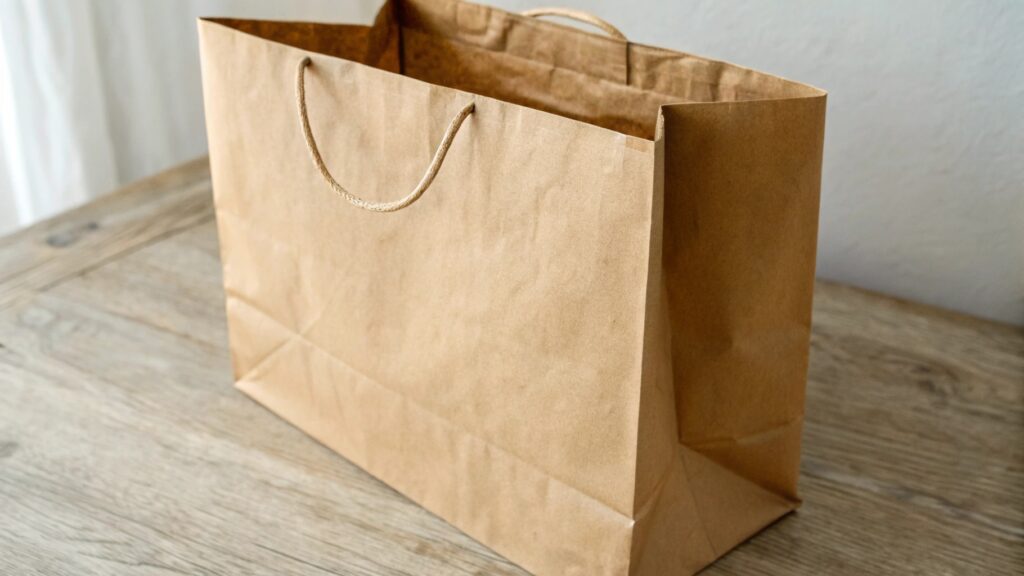
A Kraft paper bag is defined by its manufacturing process and the resulting material properties. Beyond its strength, a major feature of Kraft paper is its high recyclability. Because the Kraft process efficiently removes the components of wood that are difficult to recycle, the resulting paper contains long, clean, cellulose fibers. These fibers can be recycled more times than the shorter, weaker fibers found in highly bleached paper. This is a critical factor in sustainability. Also, a Kraft paper bag is fully biodegradable and compostable, returning to the earth without leaving behind microplastics or chemical residue. This makes it a superior environmental choice compared to plastic bags. The versatility of the material also allows for two main types: Virgin Kraft, made directly from wood pulp, which is stronger, and Recycled Kraft3, which has a slightly rougher texture but a lower environmental footprint in production.
What are the Key Characteristics of Kraft Paper Bags?
| Characteristic | Environmental/Design Advantage | Impact on Consumer Choice |
|---|---|---|
| High Tensile Strength | Allows the bag to be reused multiple times for carrying items. | Encourages consumers to use it as a reusable shopping bag. |
| Natural Brown Color | Avoids chemical bleaching; conveys an earthy, simple aesthetic. | Subconsciously aligns the brand with authenticity and eco-friendliness. |
| Compostable Fibers | Breaks down naturally without harmful residues. | Provides a clear, guilt-free disposal method for the consumer. |
| Surface Texture | Matte, slightly rough surface ideal for printing and stamping. | Reinforces a genuine, handcrafted, and natural brand feel. |
I often advise smaller businesses to choose Kraft paper because the natural texture evokes authenticity and simplicity. The minimalist, earth-toned look of the bag carries an inherent perceived honesty that aligns perfectly with ethical and transparent brands. Furthermore, the true sustainability of Kraft paper bags depends on encouraging reuse and balancing paper's carbon footprint against its exceptional recyclability.
What Is the Difference Between Kraft Paper and Regular Paper?
The primary difference between Kraft paper and regular paper (like writing paper) lies in the chemical pulping and bleaching process: Kraft paper is minimally processed and unbleached, resulting in long, strong fibers, whereas regular paper is chemically bleached, yielding whiter, shorter, and weaker fibers.
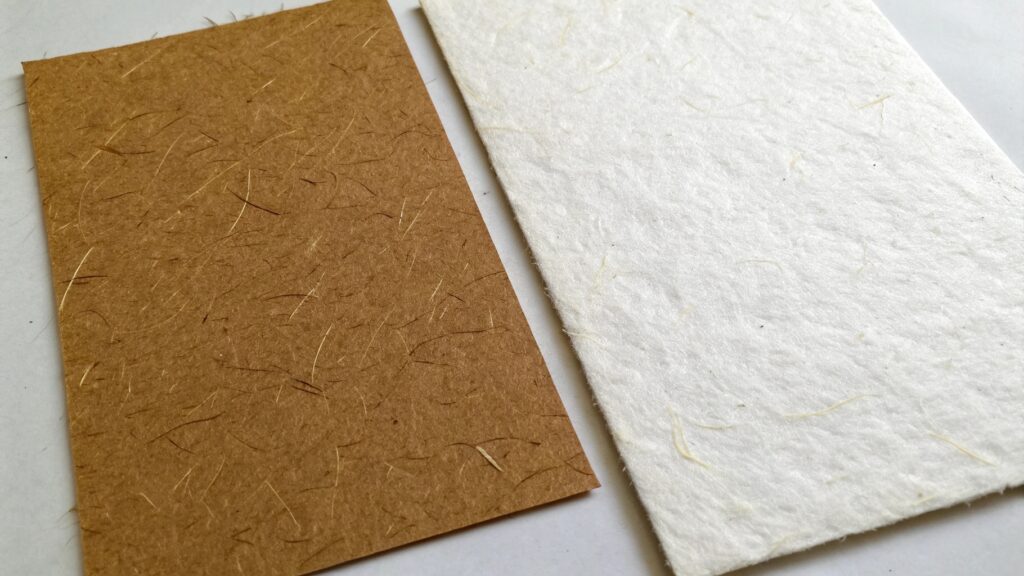
The structural and aesthetic differences are clear. Regular white paper—like the kind used in notebooks or printing—is made through an intensive process that involves heavy chemical bleaching to achieve its brightness. This process weakens the cellulose fibers, making the paper less durable and less resistant to tearing. It also produces waste sludge that is harder to manage. Kraft paper, by contrast, retains a greater percentage of the long, resilient wood fibers because the process is designed for maximum strength retention, not maximum brightness. This gives Kraft paper its superior durability, which is essential for packaging. Aesthetically, the difference is the color: natural brown for unbleached Kraft versus bright white for bleached paper. Environmentally, the Kraft pulping process is more efficient and, crucially, the waste byproducts are often used as energy sources within the mill, making it a more self-sustaining process than standard paper production.
How Do the Manufacturing Processes Differ?
| Feature | Kraft Paper (Pulp) | Regular Paper (Pulp) | Practical Consequence |
|---|---|---|---|
| Bleaching | None or minimal (for brown paper). | Heavy chemical treatment with chlorine derivatives. | Strength: Kraft is much stronger; regular paper is weaker. |
| Fiber Length | Retains long, resilient cellulose fibers. | Fibers are shortened and damaged by bleaching. | Recyclability: Kraft fibers can be recycled more times. |
| Waste Recovery | High-efficiency recovery of chemicals for reuse and energy. | Lower recovery rates; more waste generated. | Sustainability: Kraft process is generally more energy-efficient and self-contained. |
I find that the choice of using Kraft paper speaks volumes about a brand's dedication to transparency. They are choosing a material whose natural state is visible, rather than masking it with intense chemical processes. This intentionality makes the material feel simple yet purposeful. In this way, Kraft bags are not just packaging; they are a conversation starter between brands and consumers about environmental accountability, reinforcing the message that the company values meaningful choices.
Conclusion
Kraft paper bags are powerful symbols of conscious commerce because the durable, unbleached material is highly recyclable and speaks to brand ethics. By responsibly sourcing and encouraging reuse, these humble carriers provide a meaningful alternative that aligns businesses with modern demands for simplicity and environmental accountability.
-
Understanding the Kraft process reveals how it enhances paper strength and sustainability, crucial for eco-conscious consumers. ↩
-
Explore the advantages of Kraft paper, including its durability and eco-friendliness, making it a smart choice for packaging. ↩
-
Discover the environmental advantages of using Recycled Kraft paper in sustainable packaging. ↩