What is the Ultimate Strategy for Creating a Custom Logo T-Shirt That Sells?
Are your custom T-shirts failing to capture attention and sales? Throwing money at ads is not the answer. I know the secret to turning a simple shirt into a powerful, profitable statement.
The ultimate strategy for a successful custom T-shirt is to treat it as a piece of storytelling, not just merchandise. It must embody a clear message, resonate with a niche community, and be promoted through authentic, value-driven content. Focus on building trust and curiosity, which are far more powerful than costly advertising.
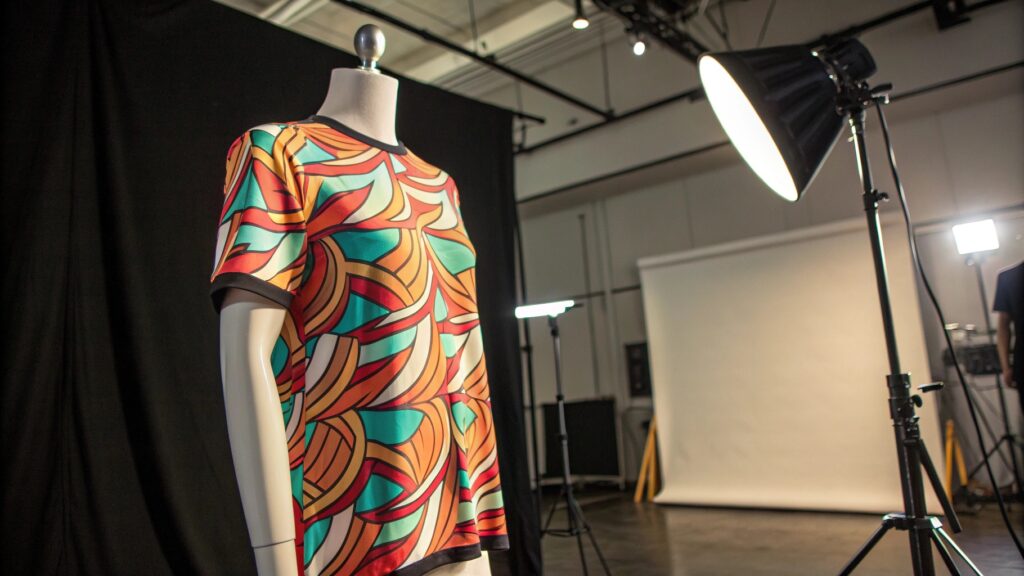
My experience from the factory floor taught me that the best products are often the ones with the most thoughtful creation process. A T-shirt is just fabric until you give it a story. If you focus only on the print cost, you miss the much larger opportunity: building a true brand following. Let us explore the critical questions that turn a simple garment into a cultural piece.
Can I Put Quotes on T-Shirts?
You have a great idea: a powerful quote that perfectly fits your brand. You might wonder if you are allowed to print it. Using quotes can be risky.
Yes, you can put quotes on T-shirts, but you must ensure the quote is not protected by copyright or trademark. You can safely use quotes that are in the public domain, common phrases, or quotes you wrote yourself. Always check the source to avoid legal trouble, especially if you plan to sell the shirts.
Navigating the Legal and Creative Landscape of Quotes
I have guided many clients through the world of custom apparel. It seems easy to put a quote on a shirt, but the legal side is very real. You want to make sure your great design does not lead to a problem later. We must look at how to use quotes smartly and legally.
Understanding Copyright vs. Public Domain
I always advise people to know the difference. Copyright protects original works of authorship, which includes many popular, recent phrases. You cannot just use a famous quote from a recent movie or a living author without getting their written permission. This permission often costs money. The safest quotes are those in the public domain. Generally, this means the author has been dead for at least 70 years, or the work was published before 1928. This is a secure area for quotes. Always check the original source before you print.
The Power of Common Phrases and Originality
Many excellent designs use common or generic phrases. These short phrases, like "I woke up like this," or simple motivational sayings are usually not protected. They are too short or common to be copyright1ed. For Jacky, the best path is to create original content. Write your own slogan that embodies your brand's ethos. This not only avoids all legal risk but also strengthens your brand identity. An original quote tells your unique story better than a borrowed one ever could. I believe this focus on originality is the smartest creative and business decision you can make. It transforms your T-shirt from a product into a statement that belongs only to your brand.
| Quote Type | Legal Risk Level | Strategy I Recommend |
|---|---|---|
| Famous Quote (Recent) | High Risk | Get written permission or avoid. |
| Quote in Public Domain | Low Risk | Great for classic, timeless designs. |
| Generic or Common Phrase | Very Low Risk | Safe, but might lack uniqueness. |
| Original Slogan | Zero Risk | Best Choice: Builds unique brand equity. |
Can ChatGPT Make Shirt Designs?
The rise of AI2 tools like ChatGPT makes everyone wonder about design work. Can you really use a bot to create the next viral T-shirt graphic? Relying only on AI is a common mistake.
ChatGPT can provide ideas, concepts, and detailed descriptions for T-shirt designs, but it cannot create the final, print-ready graphic file. You can use it to brainstorm themes or perfect witty slogans. The final artistic execution and preparation for printing still require a graphic designer or specific visual AI tools.

Using AI to Enhance, Not Replace, the Creative Process
I see AI as a powerful brainstorming partner, but not a replacement for human creativity. For someone like Jacky, who needs innovative and high-quality designs, ChatGPT can save time in the early stages. However, selling a great T-shirt requires more than just a quick idea.
AI for Conceptualization and Slogans
I find ChatGPT excellent for generating variations of a concept. For instance, you could ask it for 20 slogans related to "digital nomad life" that use a minimalist aesthetic. This fast idea generation can break a creative block. I suggest using it to refine the wording of a slogan or to describe a visual concept with great detail. This description then becomes the clear brief for your graphic designer. This helps the designer create an image that truly captures the feeling you want to sell. I believe this focused use of AI for the conceptual stage is where it provides the greatest value to your design process.
The Need for Human Design Expertise
No text-based AI can produce the high-resolution, layered art file (like a vector file) that a professional printer needs. Printing on T-shirts requires an understanding of color separation, fabric limitations, and print methods (like screen printing or Direct-to-Garment). A human designer knows how to create art that looks good on fabric and not just on a screen. They bring critical thinking about current aesthetic trends and audience appeal. For a client like Jacky, the visual appeal is key to strengthening brand awareness. I always tell clients to let AI handle the words, but keep the visual execution in the hands of a skilled artist. This combined approach ensures you get both a clever concept and a perfectly executed, high-quality garment.
| Stage in Design | Role of ChatGPT | Role of Human Designer |
|---|---|---|
| Concept/Theme | Brainstorms ideas, generates slogan text. | Selects best concept, defines aesthetic. |
| Visual Execution | None (cannot create print-ready files). | Creates final vector art, manages color, prepares file for printer. |
| Aesthetic Quality | Provides text description of style. | Ensures design looks good on the T-shirt fabric. |
Can I Put My Logo on a Shirt and Sell It?
You have a great logo and you want to use it for merchandise. Putting your logo on a shirt seems simple. But you need to know how to do this correctly to maximize your brand's growth and protect your identity.
Yes, you can put your own logo on a T-shirt and sell it, as long as you own the trademark rights to that logo. Selling merchandise with your logo is a powerful form of brand promotion and revenue. You must ensure the logo is correctly sized and placed to maintain a professional, high-quality look that reflects your brand well.
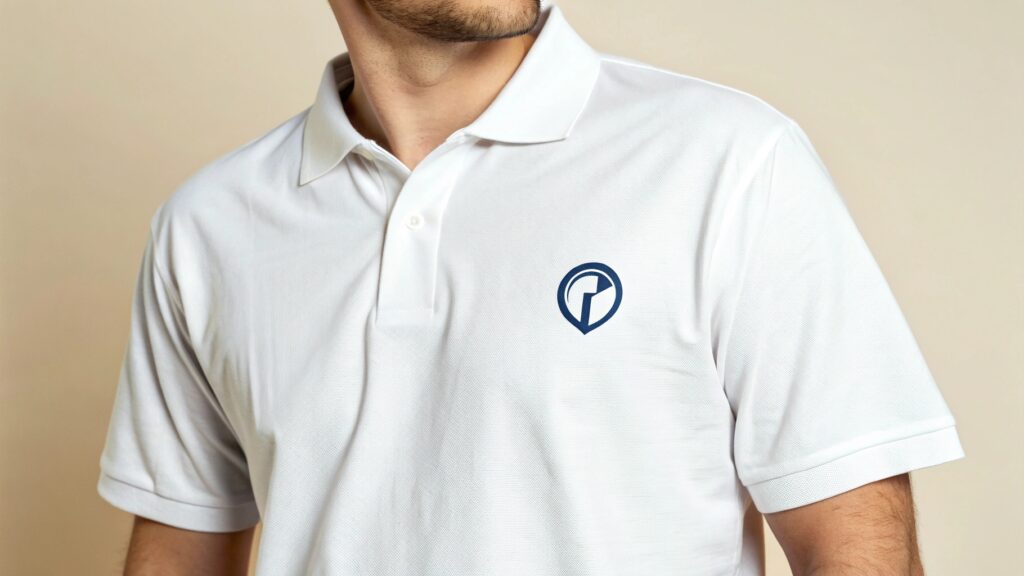
Maximizing Brand Impact and Protecting Your Merchandise
I see the custom logo T-shirt as the ultimate walking billboard. It is more than just selling a shirt; it is about extending your brand's reach every time someone wears it. This process needs strategy, not just printing.
Strategic Logo Placement and Quality
For Jacky, quality matters most. A poorly printed logo3 devalues the whole company image. The placement is crucial. I advise against placing a large, dominating logo on the chest if your goal is style. Instead, I suggest smart, subtle placements. A small, stylized logo on the sleeve, the nape of the neck, or the hip suggests quality and confidence. This subtle placement turns the shirt into an item people choose to wear, not just something they wear once. I use my production knowledge to insist on the highest quality print method for the chosen fabric. The print must not crack or fade quickly. A shirt that lasts is a brand that lasts.
Leveraging the T-Shirt for Community Building
I believe that selling a T-shirt is an opportunity to build a community. The shirt should not just sell your product; it should represent a lifestyle. I tell clients to use the T-shirt sale as a way to connect with their niche. If your brand is about sustainable living, use organic cotton and talk about the sourcing story. If your brand is about digital creativity, design the shirt to look like a piece of art. This strategy helps you promote organically. When people wear your shirt, they are signaling that they belong to your tribe. This authentic visibility is the best kind of free promotion. It is how you turn a simple sale into true brand loyalty. I find that combining a great logo with a resonant lifestyle message is the key to merchandise success.
| Logo Strategy | Impact on Brand Image | Why It Works for Selling |
|---|---|---|
| Large, Dominating Logo | Can look promotional/cheap. | Appeals to basic fans, limited everyday wear. |
| Small, Subtle Placement | Looks professional, high-quality, and stylish. | Increases daily use, better long-term brand presence. |
| Focus on Lifestyle Message | Creates a sense of community/belonging. | Drives word-of-mouth promotion and authentic sales. |
Conclusion
Write a conclusion that summarizes the entire text (max 30 words).
Treat your custom logo T-shirt as a creative story, not just a product. Ensure all quotes are legal and use AI for ideas, but rely on human skill for the final, high-quality design.