Cotton Canvas Tote Bags: Are They Truly Better Than Other Options?
Are you still using flimsy plastic bags for your shopping? A cotton canvas tote is the answer. It offers durability and true style.
Cotton canvas tote bags are generally superior to standard cotton or synthetic bags because canvas is a specific, heavy-duty weave of cotton. This makes them highly durable, washable, and inherently more sustainable than disposable options, blending purpose with timeless style.
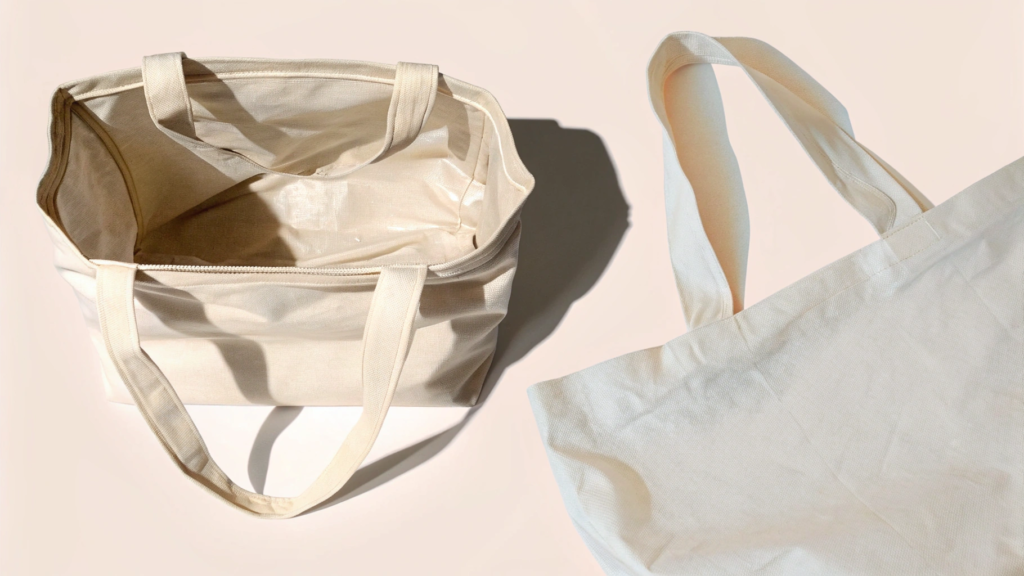
Cotton canvas tote bags have evolved far beyond their humble origins as grocery carriers $\text{—}$ they’ve become symbols of sustainable living and mindful design. What makes them truly special isn’t just their eco-friendly material, but their adaptability to modern lifestyles. A well-made cotton canvas tote represents a quiet rebellion against disposable culture: it’s durable, washable, and timelessly stylish. From a personal perspective, I believe the appeal lies in how these bags merge purpose with personality $\text{—}$ a clean, minimal design can suit a corporate professional just as much as an artist on the go. The tactile feel of cotton canvas also offers something synthetic materials can’t: authenticity. Each use adds character, softening the fabric while deepening its charm. In an era dominated by fast fashion and fleeting trends, cotton canvas tote bags remind us that sustainability doesn’t have to sacrifice elegance $\text{—}$ it can, in fact, define it.
Is a Canvas Tote Better Than a Cotton Tote?
You might think "canvas" and "cotton" are the same thing. They are not. Understanding this difference explains why one bag lasts longer.
A canvas tote is better than a standard cotton tote1 because canvas is a specific, heavy-weight, plain-weave fabric made from cotton. This tight, strong weave gives canvas superior durability, strength, and resistance to tearing compared to lighter-weight, standard cotton sheeting.
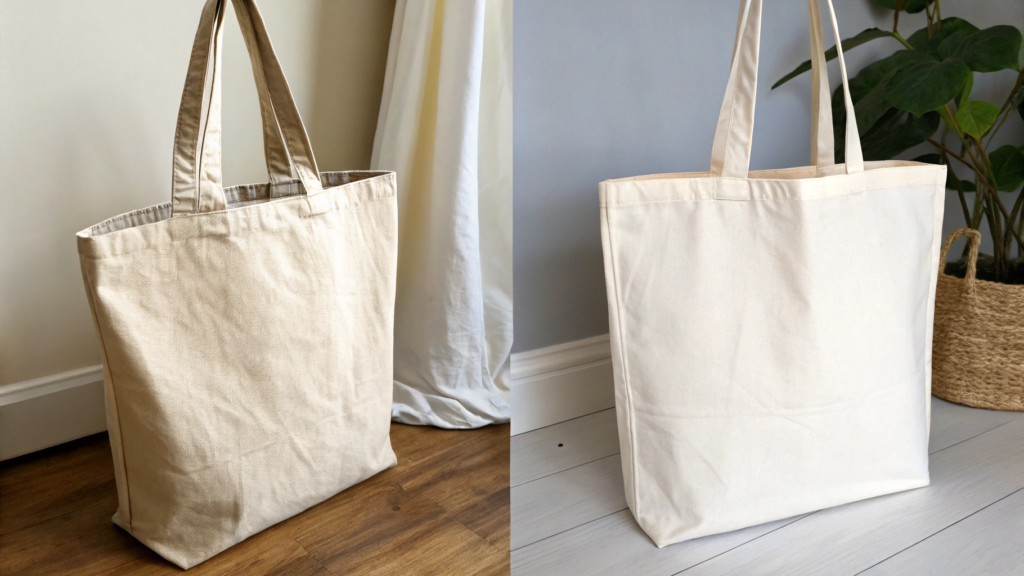
When Jacky from marketing looks for a reliable gift, he needs to know the difference between fabric types and fabric weaves. Canvas is defined by its weave structure, which is a very tight, plain weave. Think of it like a building’s foundation. This dense construction means the fabric can handle much more weight and stress than a basic, lightweight cotton fabric, like the one used in a simple t-shirt or a thin drawstring bag. I saw this clearly back in the printing factory; the heavier the weave, the better it stood up to high-speed printing and tough handling. While both fabrics are derived from the cotton plant, the way they are constructed makes all the difference for longevity. A thin cotton tote might look good initially, but its handles will likely start to tear after just a few heavy loads. A proper cotton canvas tote, however, is built for repeated, hard use. This durability is what makes it a better sustainable investment2 for branding. When we recommend a tote for a client who needs to convey quality, we always push for a canvas weight of at least 10 oz or higher. This ensures the bag maintains its shape and its handle integrity, fulfilling the promise of a long-lasting promotional item.
Fabric Construction Comparison
| Fabric Type | Weave Style | Typical Weight (oz/sq yd) | Ideal Use Case |
|---|---|---|---|
| Cotton Canvas | Tight, plain weave. | 8 oz up to 24 oz (Heavy Duty) | Durable shopping, travel, heavy items, quality gifting. |
| Standard Cotton | Plain or looser weave (like sheeting). | 4 oz to 7 oz (Lightweight) | Simple retail bags, temporary use, promotional giveaways. |
| Synthetic (e.g., Polyester) | Woven or non-woven. | Varies widely. | Quick drying, sometimes lighter weight, less natural feel. |
Are Canvas Tote Bags Made of Cotton?
This is a common point of confusion in the gifting world. The name is a shortcut, but the material source is usually pure. Learn the truth now.
Most traditional and high-quality canvas tote3 bags are indeed made from cotton. However, the term "canvas" describes the heavy-duty weave, not the fiber itself, meaning modern canvas can also be made from synthetic fibers like polyester or linen blends.
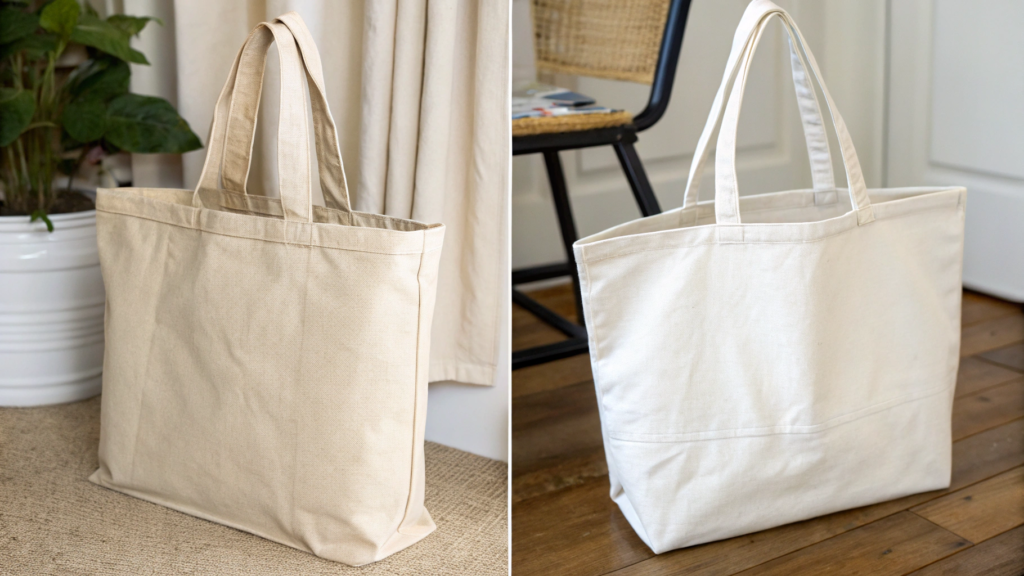
The confusion here stems from language. When I established Latitude, we had to clearly define our materials for clients who assumed all fabric was the same. "Canvas" is the structural description. It means the material is a durable, plain-woven textile. "Cotton" is the fiber source. Therefore, a true cotton canvas tote uses cotton fiber woven in that specific heavy-duty manner. This combination is prized because it delivers the best of both worlds: the natural, tactile feel and biodegradability of cotton, combined with the inherent strength of the canvas weave. However, you must be vigilant. Today, you can find poly-canvas or synthetic canvas bags. These are often cheaper and resist water better, but they lack the authenticity and softening character that genuine cotton canvas develops with use. For me, the appeal is the tactile element; a synthetic bag feels cold, but cotton canvas softens and conforms to its owner's needs over time. If sustainability and a natural look are your goals, always confirm the material is 100% cotton canvas or at least a high-percentage cotton blend. Anything else misses the core benefit of this classic bag style.
What Is the Best Fabric for a Tote Bag?
The "best" fabric depends on your goal: high-end style, extreme durability, or low cost. Define your purpose first.
The best fabric for a tote bag is generally 100% heavy-weight cotton canvas (12 oz or more) for an ideal balance of durability, washability, and sustainability. For specific needs, polyester might offer water resistance, but canvas offers the best overall everyday performance.
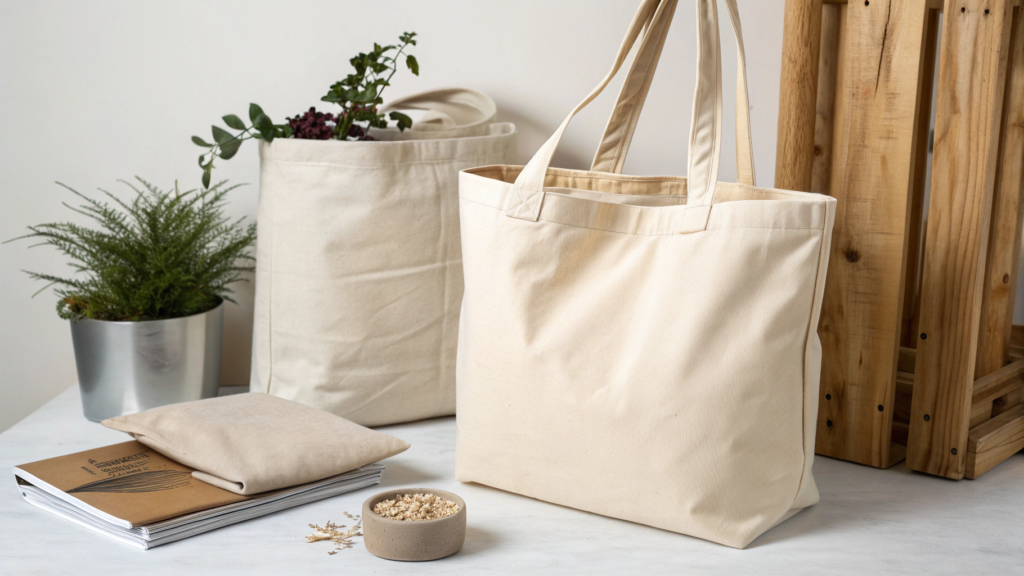
Choosing the best fabric requires me to consider the client's end goal, which is what Jacky needs to do for his branding campaigns. If the goal is to create a timeless, premium gift that signals eco-consciousness, heavy cotton canvas is unmatched. Its weight provides structure, allowing even a minimal design to look elegant and professional. I stress this because a bag that can stand up on its own looks more substantial than a floppy one. If the bag is intended for heavy-duty, all-weather use $\text{—}$ say, for hauling tools or being left on wet surfaces $\text{—}$ then a coated canvas or a heavy polyester/nylon might be better. These synthetics are more water-resistant and easier to wipe clean, though they lack the soft, natural character of cotton. For budgets where cost is the primary driver, lighter-weight, non-woven polypropylene bags are used, but these signal a disposable mentality, which defeats the purpose of sustainable branding. My rule of thumb, honed over years, is this: Durability is tied to weight. For maximum return on your gifting investment, choose the heaviest cotton canvas you can afford. This ensures the bag becomes an everyday essential, not a short-term promotional item, and its thick handles will carry that promise forward reliably.
Fabric Selection Guide by Priority
| Priority Goal | Recommended Fabric | Key Benefit |
|---|---|---|
| Sustainability & Style | Heavy Cotton Canvas (12 oz+) | Natural feel, timeless look, excellent durability. |
| Extreme Durability & Water Resistance | Coated Canvas or Heavy Polyester | Resists stains, ideal for outdoor/industrial use. |
| Low Budget & Light Use | Non-Woven Polypropylene | Lowest cost, easily printable, very lightweight. |
| High-End Aesthetic | Linen or Heavy Duck Canvas | Superior texture and unique visual appeal. |
Conclusion
Cotton canvas tote bags shine because their heavy weave provides superior strength, making them the most durable, stylish, and sustainable choice for daily use.
-
Learn about the pros and cons of cotton totes versus other materials to choose the best option for your needs. ↩
-
Find out how investing in quality canvas totes contributes to sustainability and reduces waste. ↩
-
Explore the advantages of canvas totes, including durability and eco-friendliness, to make informed purchasing decisions. ↩