How Do Custom Pin Badges Become Powerful Emotional Tokens for Your Brand?
Are you looking for a small, affordable promotional item that carries huge emotional value? Stop giving out fleeting, disposable tokens. Start telling your brand story with custom pin badges.
Custom pin badges become powerful emotional tokens by acting as miniature, wearable symbols of memory, identity, and community. They bridge art and utility, offering a durable, tactile form of self-expression. For brands, custom enamel pins evolve from simple giveaways into collectible items that foster loyalty and storytelling in a way few other objects can.
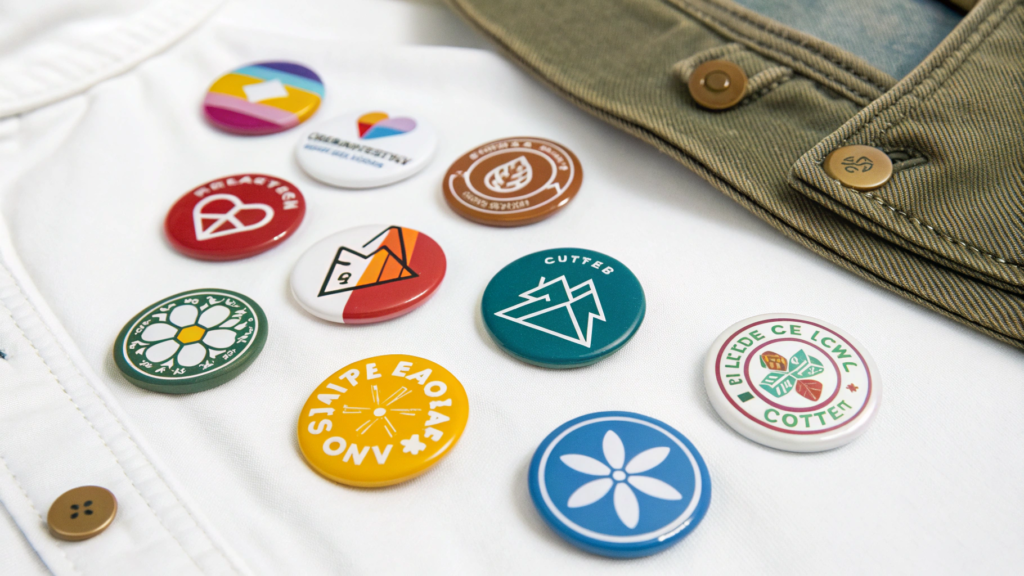
I have always been fascinated by how a small object can carry such a big narrative. A great custom pin badge is more than a miniature logo; it is a piece of wearable storytelling. For a marketing manager like Jacky, understanding the artistry and psychology behind the pin is key to turning a simple product into a valuable collectible. Let's explore the creation and material science that makes these items endure long after a trend fades.
How Are Custom Pin Badges Made Professionally?
Do you wonder how a complex piece of art is shrunk down and made perfectly in durable metal? Stop thinking pins are mass-produced randomly. Understand the precise craftsmanship behind quality badges.
Custom pin badges are professionally made using two primary methods: hard enamel and soft enamel1. Hard enamel involves filling die-struck metal recesses with enamel powder and baking it until the surface is polished smooth. Soft enamel involves coloring recessed areas and leaving the metal lines raised, creating a textured finish that is more affordable for large runs.
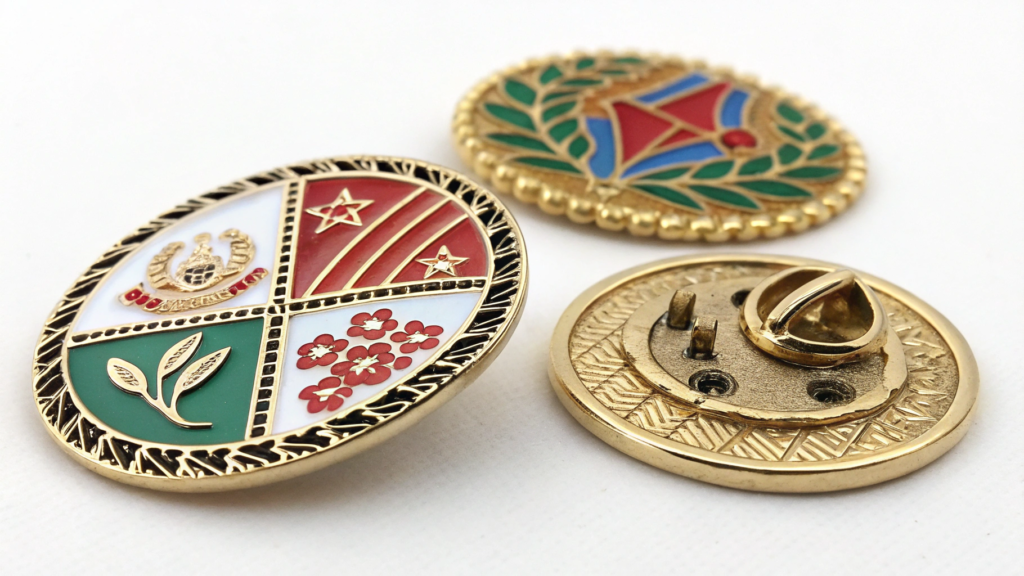
My hands-on experience in manufacturing taught me that the method dictates the feel and longevity of the final pin. Hard enamel is the gold standard for perceived quality. In this process, the colored enamel is filled to the same height as the raised metal lines, and the pin is then baked and polished flat. This creates a smooth, glass-like surface that is extremely durable and resistant to scratching. For a corporate gift meant to symbolize high quality, hard enamel2 is the best choice. Soft enamel is slightly more accessible for a tight budget. Here, the color sits in a recess, meaning the metal edges are raised. This creates a tactile, 3D effect. The benefit is that it is typically less expensive to produce in high volumes and offers a great visual contrast. Both methods start with a die-striking process, where the design is stamped into a metal sheet (often brass or copper), creating the metal lines and borders. For clients like Jacky, I stress that using high-quality metal plating (like gold or black nickel) is vital, as it frames the design and prevents tarnishing, ensuring the pin becomes a lasting emotional token that bridges memory, identity, and artistry.
| Tertiary Heading Example | Manufacturing Method | Texture and Finish | Ideal Use Case |
|---|---|---|---|
| Highest Quality | Hard Enamel | Smooth, polished, glass-like surface | Executive gifts, high-end collector series |
| Textured Finish | Soft Enamel | Recessed color, raised metal lines (3D feel) | Large event giveaways, affordable fan merchandise |
| Core Process | Die Striking | Creates precise metal outlines and borders | Ensures long-term shape retention and durability |
What Is the Best Material for Durable and Collectible Pin Badges?
Do you want your custom pin to last and be highly sought after by collectors? Stop choosing the cheapest metal. Select a material that delivers both durability and perceived value.
The best materials for durable and collectible pin badges are brass, copper, or iron, finished with a hard metal plating like gold or black nickel. Brass and copper are premium choices for their superior detail and weight, while iron is used for its cost-effectiveness and durability. The plating and the quality of the enamel fill are the most crucial factors for long-term collectible value.
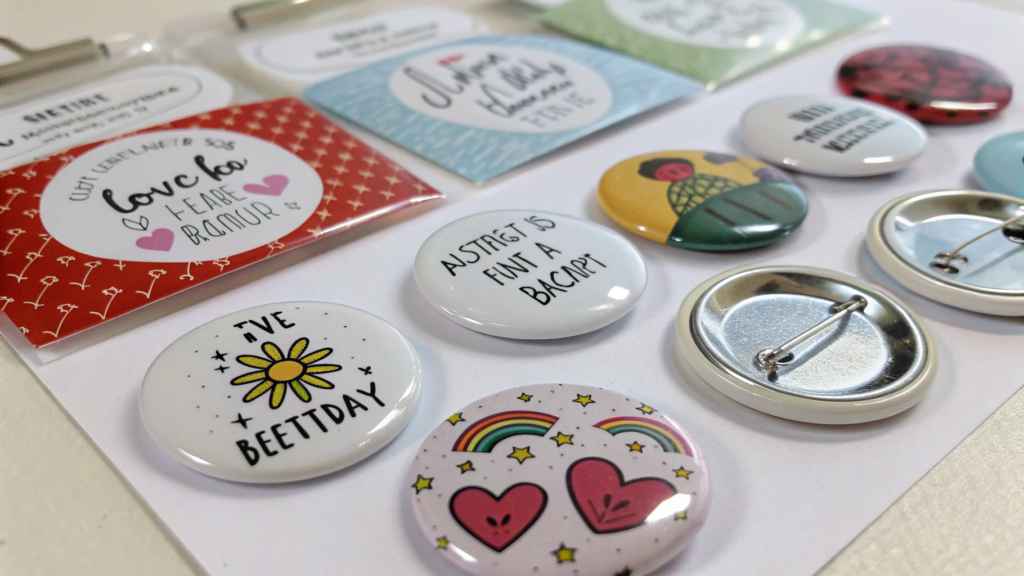
In the factory, I learned that the base metal sets the stage for the pin's quality. Brass and copper are typically used for high-end pins because they are softer, allowing the die-striking process to capture finer details and thinner lines more accurately. These materials also have a heavier, more substantial feel, which increases the pin's perceived value. Iron is more common for large, budget-conscious orders. The choice of the plating is what truly makes the pin collectible. A mirror-like gold or a sophisticated black nickel finish elevates the pin from a simple item to a piece of micro-art. For Jacky’s brand, this subtle detail of quality reflects positively on his company's standards. Furthermore, the longevity of a pin is directly related to the clasp mechanism. I always recommend the deluxe locking clutch (often seen on higher-end pins) over the standard rubber clutch for corporate gifts. This prevents the pin from falling off, ensuring the brand's story is not lost. Custom pins endure because they blend art, community, and psychology—the pin board or denim jacket becomes a curated self-portrait that the owner is proud to display.
| Tertiary Heading Example | Base Metal Choice | Perceived Value | Durability/Detail Factor |
|---|---|---|---|
| Premium Feel | Brass or Copper | Heavy, substantial, high-end | Captures the finest details and thinnest lines |
| Cost-Effective | Iron | Standard, budget-friendly | Good for bulk orders, durable but slightly less detailed |
| Finishing Touch | Gold or Nickel Plating | Prevents tarnish, enhances aesthetic | Protects the base metal and frames the art |
Can I Make a DIY Pin Badge for Small, Personalized Gifting?
Do you need a very small batch of personalized pins for an internal team or a quick event? Stop paying for high minimum order quantities. Discover simple, accessible ways to make your own custom badges.
Yes, you can easily make a DIY pin badge for small, personalized gifting using shrink plastic3 (Shrinky Dinks) or by repurposing existing buttons with adhesive pinbacks. These methods are affordable and allow for complete creative control over the design. The simplest method uses a paper printer and a clear resin coating to create a unique, meaningful token for a small team or personal collection.
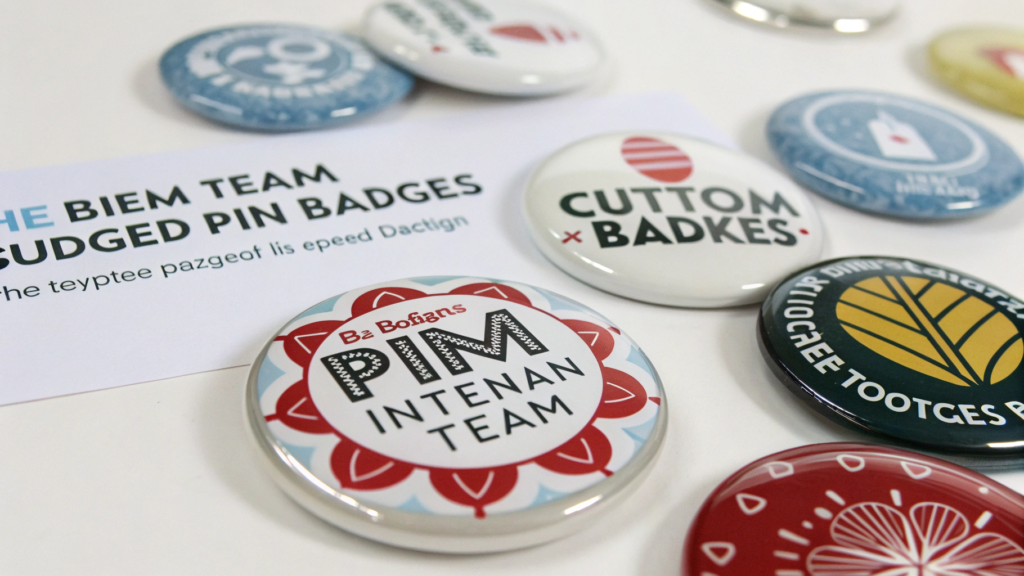
While professional manufacturing is necessary for high-volume corporate gifts, DIY methods are excellent for small, highly personalized tokens. This is perfect for celebrating a small internal team milestone or a thank-you gift for a special client. The most popular technique uses shrink plastic (often known by the brand name Shrinky Dinks). You draw or print a design onto the plastic, cut it out, and then bake it. The plastic shrinks and hardens into a durable, thick piece of art. Once cool, you simply glue a safety pin-style bar or a rubber clutch pinback to the rear. This method allows for infinite diversity in shape and color, as you can use colored pencils, permanent markers, or even inkjet printing. Another simple option involves using epoxy resin. You print a design onto high-quality photo paper, seal it, and then pour a thin layer of clear resin over the top. Once cured, this creates a beautiful, bubble-free, domed surface, giving the pin a professional appearance. This democratization of creativity is what makes pin culture so strong. The ability to create a pin easily allows individuals and small businesses to quickly wear their passions and communicate their values without the cost or time associated with large factory orders.
| Tertiary Heading Example | DIY Method | Key Material | Branding Advantage |
|---|---|---|---|
| Home Production | Shrink Plastic (Baking) | Shrink film, permanent markers | Complete control over custom shapes and colors |
| Resin Coating | Epoxy Resin Glaze | Photo paper, clear epoxy | Creates a professional, domed, bubble-free surface |
| Quick Assembly | Adhesive Pinbacks | Pre-made buttons or small objects | Fastest way to convert any small object into a wearable pin |
Conclusion
Write a conclusion that summarizes the entire text (max 30 words).
Custom pins are powerful tokens made using durable hard or soft enamel. I recommend using high-quality brass and secure clasps to ensure the pin becomes a long-lasting, collectible piece of your brand's unique storytelling.
-
Learn about soft enamel to see how it offers a textured finish and affordability for large runs. ↩
-
Explore the hard enamel process to understand why it's considered the gold standard for quality pins. ↩
-
Learn how shrink plastic can be transformed into unique, durable pin badges with creative designs. ↩