Canvas Bag Painting: The New Statement of Personalized Style
Are you treating your canvas bag as just a functional item? Problem: Generic bags are forgettable and lack character. Agitation: This makes your everyday carry blend into the crowd. Solution: Transform it into a unique, hand-painted piece of art that reflects your personal style and commitment to sustainable individualism.
Canvas bag painting is a "quiet rebellion" against mass production, allowing for a hand-painted statement of identity and sustainability where the imperfection of the human touch turns an everyday object into a unique, walking gallery and an eco-conscious branding tool.
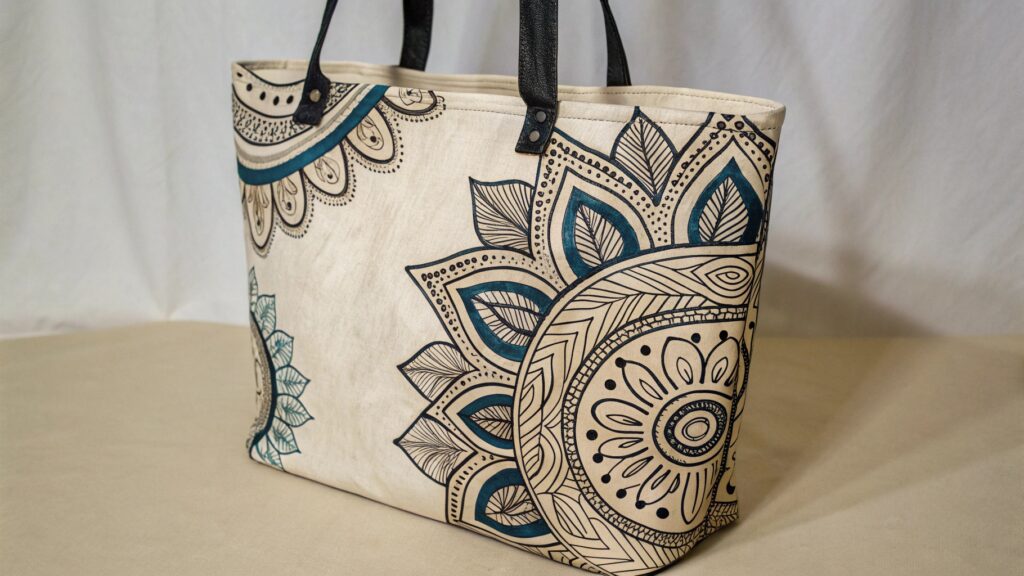
The appeal of a painted canvas bag lies in its authentic craftsmanship. Before you pick up a brush, understanding the material and the right medium is crucial. The canvas itself determines the quality and longevity of your artwork, while the paint choice ensures your masterpiece withstands daily wear and tear.
What Type of Canvas is Used for Bags?
Not all canvas is created equal. Problem: Choosing the wrong canvas can result in a flimsy bag or a poor painting surface. Agitation: This leads to tear-outs and faded art. Solution: Select a durable, mid-to-heavyweight cotton canvas for the best balance of strength and paintability.
The most popular type of canvas for bags is 100% Cotton Canvas1, ranging from 200–500 gsm (grams per square meter), chosen for its medium-level strength, good dye absorption, and soft hand feel. Heavier versions, like Duck Canvas or Waxed Canvas, are used for high-durability items like outdoor duffels.
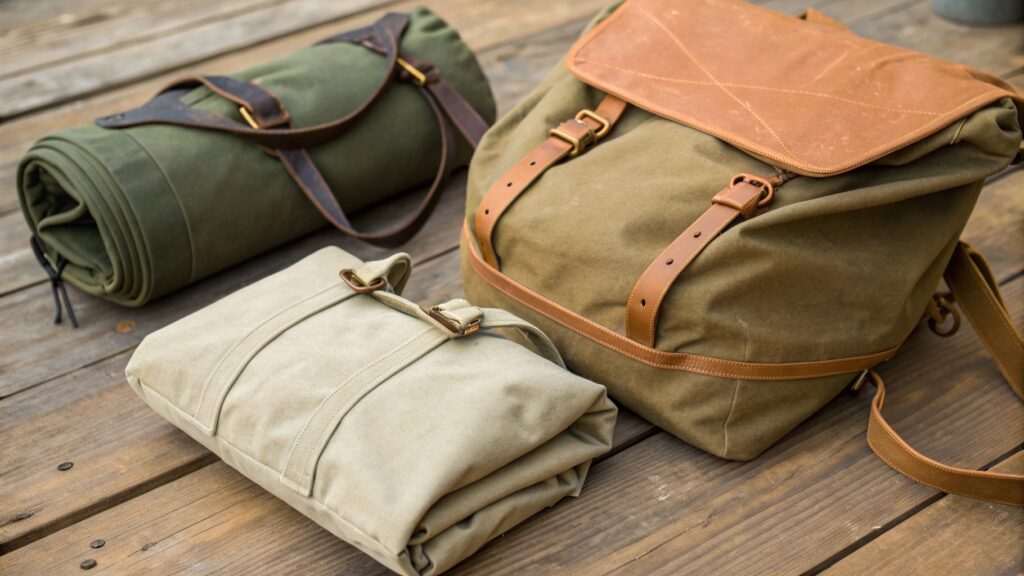
Canvas is a plain-woven, heavy-duty textile known for its strength. For common tote bags and fashion accessories, the preference is overwhelmingly for Cotton Canvas. Bag manufacturers choose it because its natural fibers provide a great surface for both screen printing and hand painting. The weight, measured in gsm (or ounces, where 12 oz is roughly 400 gsm), is a key factor:
- Lightweight (200-300 gsm): Ideal for promotional or casual shopper totes.
- Midweight (300-450 gsm): The best balance for everyday backpacks and sturdier totes, offering durability without being overly stiff. This is the sweet spot for painting.
- Heavyweight (450+ gsm / Duck Canvas): Used for rugged duffels or tool bags, this canvas offers maximum tear resistance but can be very stiff to work with.
For those requiring water resistance, options like Waxed Canvas (cotton treated with beeswax) or Coated Canvas (cotton coated with Polyurethane/PU or PVC) are used, though painting on these specialized, non-absorbent surfaces requires specific, industrial-strength paints. For the DIY artist2, sticking to a plain, uncoated cotton canvas ensures the best adhesion and color vibrancy.
What Kind of Paint to Use on a Canvas Bag?
Your paint choice determines your design's longevity. Problem: Using regular art paint will result in cracking, peeling, or washing away. Agitation: Your hard work will be ruined by daily use. Solution: Use fabric-specific paint or a proper acrylic medium for maximum adhesion and flexibility.
The best paints to use on a canvas bag are Fabric Paints3 and Acrylic Paints. Fabric paints are specifically formulated to bond with the textile fibers, remaining soft and flexible after drying. Standard acrylics can be used but should often be mixed with a fabric medium to prevent the paint from cracking or peeling when the bag is flexed or washed.
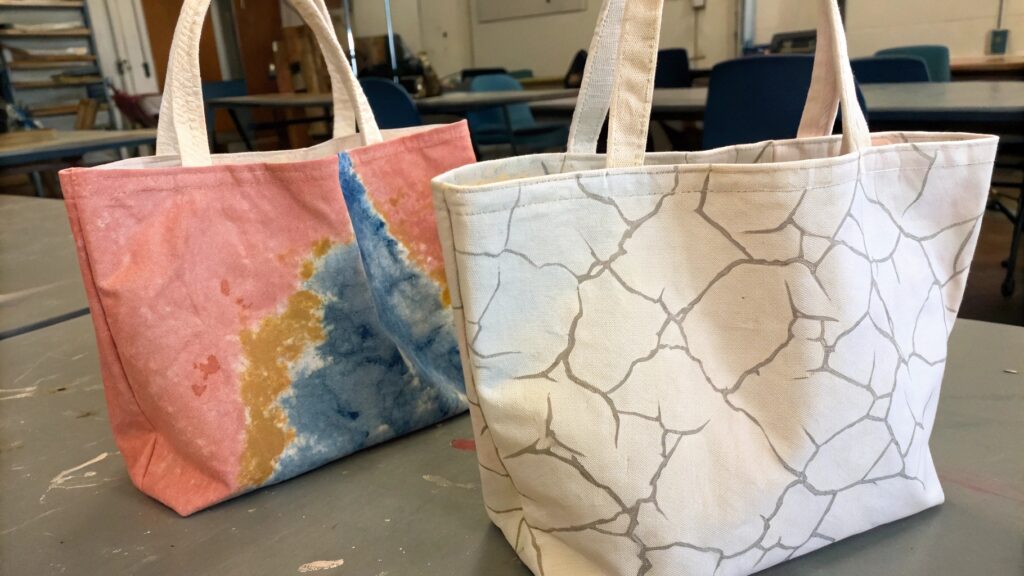
For a project intended for daily use and occasional washing, the paint must be flexible and durable.
- Fabric Paint: This is the ideal choice. It is designed to be permanent, water-resistant, and remains soft on the canvas, even when applied in multiple layers. Many fabric paints require "heat-setting" with an iron to fully cure and become wash-proof.
- Acrylic Paint: Standard acrylics are a popular alternative due to their vibrant color range and easy availability. However, acrylics are rigid and may crack when the canvas is repeatedly crumpled or folded. To fix this, artists often mix the acrylic with a dedicated Fabric Medium or textile additive. This medium makes the paint more flexible, allowing it to move with the canvas fibers.
- Paint Markers (e.g., POSCA Pens): These are excellent for outlines, fine details, and lettering, offering precision that brushes might not. They are typically acrylic-based and can be heat-set.
In all cases, place a piece of cardboard or plastic inside the bag before painting to prevent the paint from bleeding through to the other side.
Can You Use Watercolor on a Canvas Bag?
You love the look of watercolor, but is it functional for a bag? Problem: Traditional watercolors are not permanent on fabric. Agitation: The design will wash out the first time the bag gets wet. Solution: Use specialized "watercolor" products designed for fabric or a fabric dye technique to achieve the look with permanence.
Traditional watercolor paint is not recommended for canvas bags as it is not permanent and will wash out or bleed significantly when the bag is exposed to water. To achieve a soft, translucent watercolor effect, artists should use Soft Gel Watercolors or highly diluted, specialized Fabric Inks/Dyes that are designed to penetrate and permanently bond with the cotton fibers.
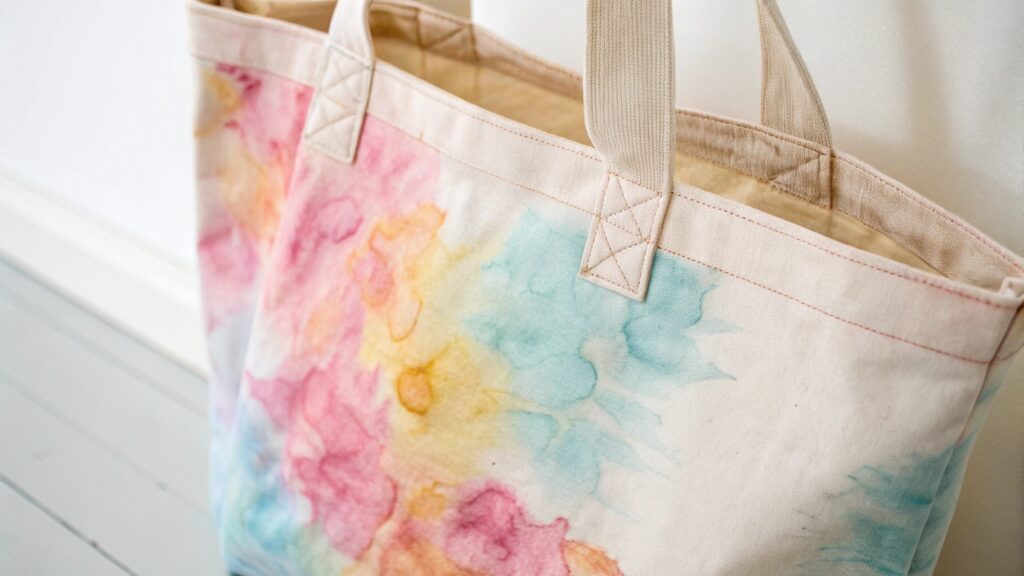
The gentle, blended aesthetic of watercolor is beautiful, but the medium itself is fundamentally incompatible with the demands of a reusable canvas bag. True watercolor is a non-permanent pigment that sits on the surface and requires paper to absorb it. On a canvas bag, it will fade and bleed easily with washing or rain.
To get the look without the functional drawbacks, consider these methods:
- Fabric Medium Dilution: Dilute your permanent acrylic or fabric paint heavily with a fabric medium (and a little water) to achieve a translucent, dye-like effect that mimics watercolor while still being wash-fast.
- Sublimation Inks: For a true, permanent "watercolor" appearance, a modern method involves drawing the design with special sublimation markers/inks on paper, and then using a heat press to transfer the design into the fibers of a synthetic-blend canvas bag. This method creates a highly durable, photo-realistic effect.
- Soft Gel Watercolors/Fabric Inks: Look for products labeled "soft gel" or "watercolor" that are explicitly part of a fabric or textile paint line. These products are often highly pigmented dyes or inks that, once dried and heat-set, are fully permanent.
If you are a beginner, it is safest to stick to Fabric Paint for all-over color or Acrylic Paint mixed with a Fabric Medium to ensure your custom creation lasts.
Conclusion
Canvas bag painting is a powerful tool for personal expression and a valuable asset for eco-conscious branding. By selecting the right midweight cotton canvas and utilizing permanent fabric paints or properly conditioned acrylics, you ensure your hand-painted design is not only a statement of art but a durable, lasting symbol of individuality in a world of mass-produced accessories.