Is a Canvas Bag Just a Simple Tote, or a Canvas for Your Brand's Story?
Are you treating your canvas bag as just a cheap giveaway item? If you are, you are missing a massive opportunity. I want to show you the difference.
A canvas bag is not just a tote; it is a symbol of mindful consumption and creativity. They represent a lifestyle choice rooted in sustainability and authenticity, offering a durable, highly customizable medium for branding. I learned that customizing them properly elevates their value and your brand.
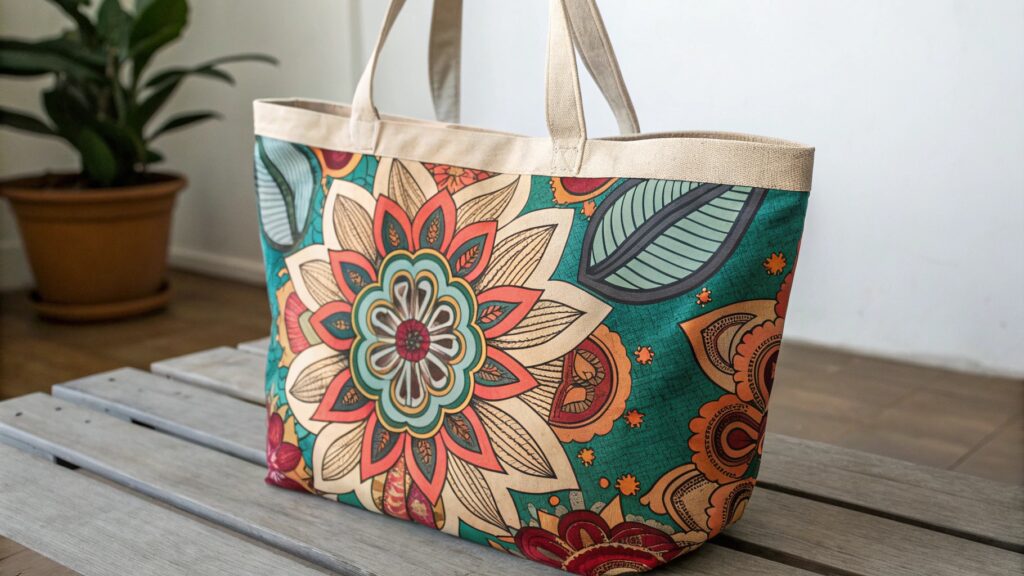
My journey started in printing, and I saw a lot of fabric come through. I noticed that most people just stamped a logo on a canvas bag and called it a day. They saw a bag for "carrying things." But I realized that this simple, durable material was something more. It had an inherent quality of resilience and a blank surface that invited expression. A canvas bag, when used mindfully, tells a story about the owner's commitment to reuse. It also tells a story about your brand's values. You must stop seeing it as just a practical item. You must see it as a silent witness to your customer’s daily life. Let’s explore how you can turn this simple item into a powerful brand asset.
How Can We Elevate a Canvas Bag From Tote to Treasure?
You want your canvas bag to stand out, but you worry a simple print is not enough. Most companies stop at a basic logo. This is a common mistake.
You can elevate a canvas bag by focusing on unique, high-quality decoration methods1 like embroidery, custom fabric dyes, or interesting hardware. These elements move the bag beyond utility and into the realm of personal expression. Focusing on quality enhances the bag's emotional value.
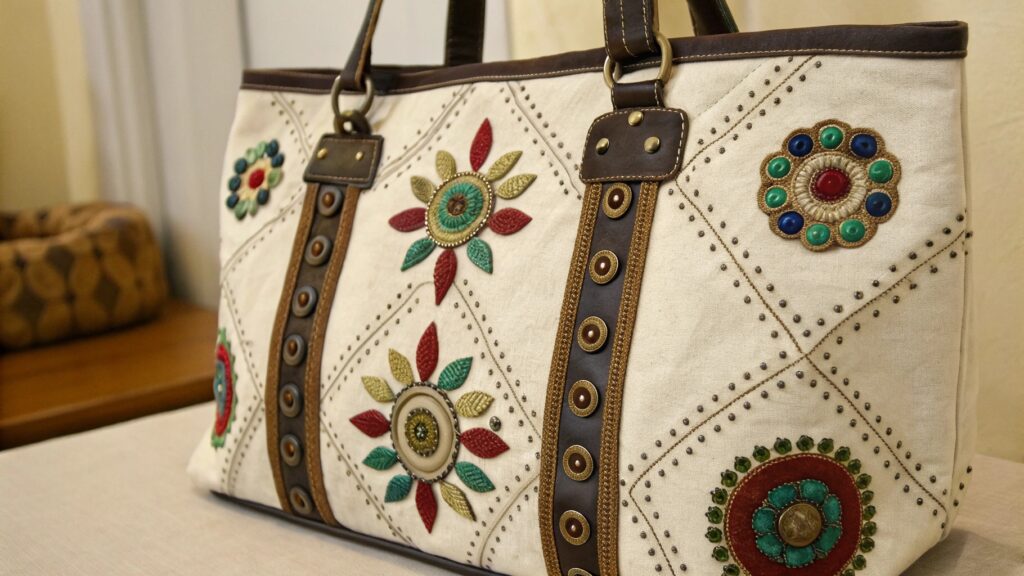
I have seen thousands of canvas bags come off the production line. The ones that people actually use for years, the ones that become part of their daily routine, are the ones that have a little extra thought put into them. They transcend their practical purpose. For example, a simple screen print is fine, but it is standard. Think about using a high-density screen print for a raised, textured effect, or using eco-friendly, water-based inks that have a softer feel. This small change instantly elevates the perceived value. I learned that the canvas bag is all about quiet individuality. It is not shouting; it is expressing. You can use embroidery for a premium, long-lasting touch. The texture of the stitching on the raw canvas is striking. Another idea is using unique strap material. Instead of standard cotton webbing, use a thick leather or a contrasting-colored seatbelt material. This attention to detail reflects a deep care for craftsmanship, which connects directly to your brand’s quality promise. The bag then becomes a wearable piece of art, aging beautifully with the customer, a silent witness to their journey. This is about carrying meaning, not just items. This transformation is about choosing thoughtful customization over cheap convenience. It's a shift from the common giveaway to the treasured item, strengthening brand awareness with every use.
Texture and Feel
The way a design feels when you touch it adds a layer of depth. High-density prints or subtle puff inks feel different and better than a simple flat print.
Hardware Details
Small details like custom zipper pulls, metal grommets, or a unique clasp instantly improve the look and function of the bag.
Custom Dyeing
Instead of standard beige, consider having the entire bag dyed a subtle, specific brand color using low-impact dyes. This makes it instantly unique.
| Decoration Method | Best For | Brand Impact |
|---|---|---|
| Embroidery | High-end, durable logos or small text. | Projects a sense of luxury and permanence. |
| Water-based Inks | Large graphic prints where a soft hand-feel is needed. | Reinforces eco-awareness and softness. |
| Appliqué/Patches | Adding multiple textures and layers to the design. | Creates a unique, handcrafted, artistic look. |
These methods help your bag tell a stronger, more authentic story.
How Can I Make My Bag More Interesting Than Just a Logo?
Your goal is to be memorable, not just visible. A basic logo on a canvas bag is often forgettable. You need a design that sparks curiosity.
To make your bag interesting, use design elements that tell a story beyond your logo. Focus on subtle abstract patterns, local cultural motifs, or hand-drawn slogans that reflect your brand's values. The design should express identity, making the bag a piece of art the user wants to carry.
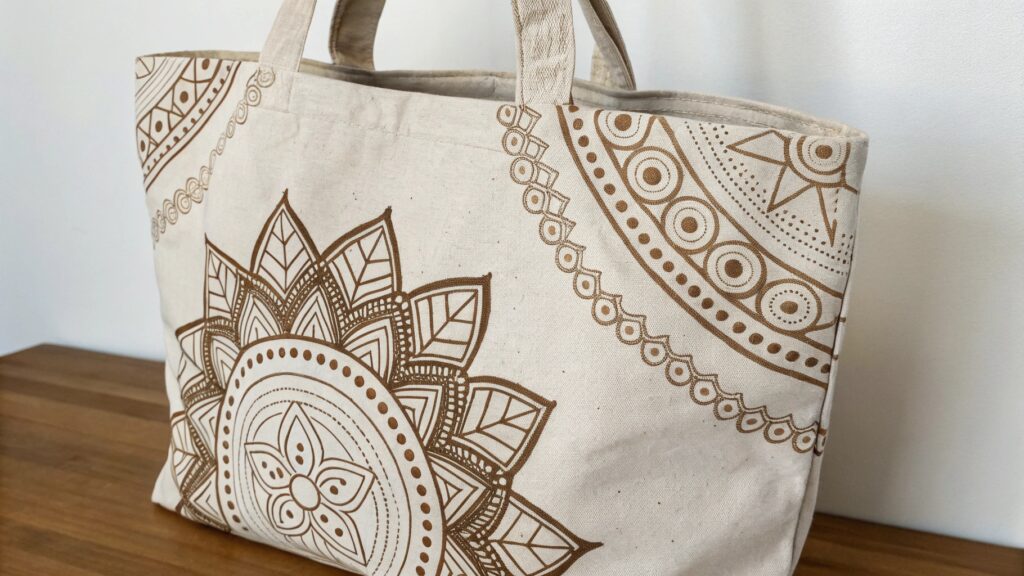
I always ask clients to think about their canvas bag as a mini-billboard that moves. But a good billboard does not just show a name; it makes you stop and think. You must move past the simple logo placement. The goal is to express personal identity. I remember working with a company that sold specialty tea. Instead of printing their logo large, they printed a small, abstract line drawing of a local mountain range where the tea was sourced. The logo was small, hidden on the inside pocket. The bag itself became an artistic pattern that reminded the user of the brand's origin and story. This made the bag more interesting. It became a desirable fashion item, not just a promotional one. For you, the marketing manager, this is key to strengthening brand awareness. It ensures the bag is used constantly, not stored in a closet. Think about using an artist collaboration—a unique, one-off design printed on the bag. This creates immediate emotional value. You can also use typography—a simple, well-designed phrase that expresses your brand's philosophy. For instance, a coffee brand might print the phrase, "A slow start for a strong finish," instead of a giant coffee cup logo. This subtle design creates an authentic connection with the customer’s mindset. The bag becomes an extension of the user’s beliefs and aesthetics, carrying meaning in every small detail.
Focus on Subtlety
A large, loud logo can turn people away. A small, strategically placed logo combined with a larger, interesting pattern is more effective.
Use Internal Storytelling
Place important details, like the brand history or the material source, on an internal tag or pocket. This rewards the user who looks closer.
Embrace Abstract Design
Use colors or geometric patterns inspired by your product, service, or company values, rather than literal product images.
| Design Element | Example Application | Emotional Impact |
|---|---|---|
| Abstract Pattern | A subtle, repeating geometric print inspired by the product’s core material. | Appeals to design-conscious consumers. |
| Meaningful Text | A short, thought-provoking slogan in a unique font. | Creates a sense of shared values and philosophy. |
| Minimalist Logo | A small, debossed or embroidered logo placed near the strap. | Projects confidence and quality over overt advertising. |
These creative approaches ensure the bag is not just seen but is truly felt.
What Are Some Artistic Tote Bag Ideas That Align With Sustainability?
You want artistic designs that also communicate your commitment to being eco-friendly. It is possible to blend creativity with consciousness. This is the ultimate goal.
Artistic tote bag ideas can powerfully blend creativity with consciousness by using recycled materials2 like organic cotton or jute, and printing with eco-inks. Designs should visually reflect the brand's sustainability story, such as nature-inspired patterns or drawings of recycling symbols.
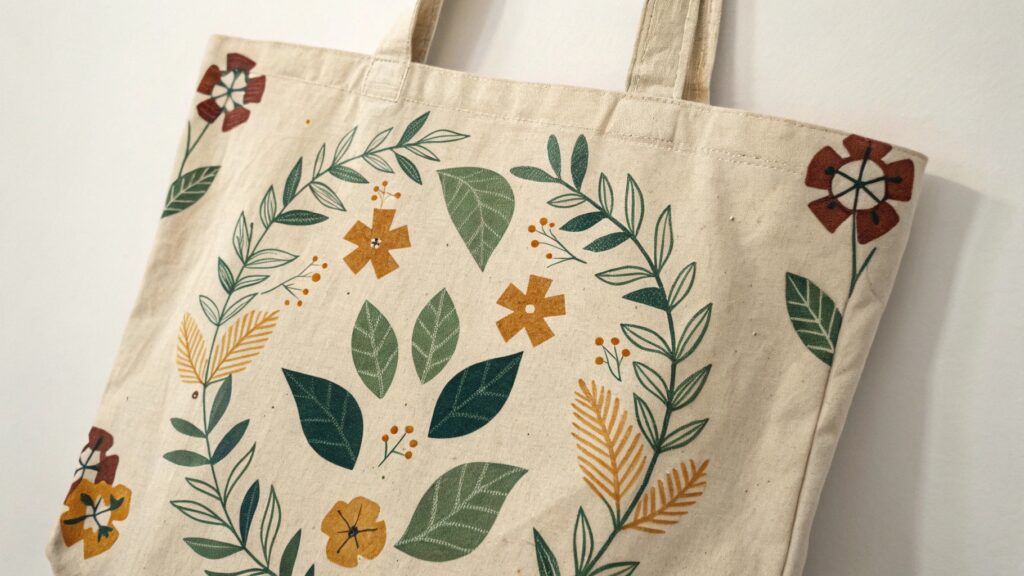
The idea of a canvas bag is now strongly linked to the environment. People expect it. For a brand, this is an opportunity to show authenticity. The artistic idea should not just look good; it should reinforce the ethical choice of the bag itself. I advise clients to use artistic ideas that are inherently sustainable. For instance, the material choice is the first artistic decision. Choosing a thick, GOTS-certified organic cotton or recycled canvas is an artistic statement. It shows your company chose quality and low impact over the cheap option. Then, the artistic design should speak to this. You can use a single-color, hand-drawn line art style to print images of endangered local flora or fauna. This artistic choice is minimalist and powerful, directly connecting the user to a bigger environmental message. Another idea is to use upcycled fabric scraps sewn onto the bag as an abstract patch, making every bag slightly different. This makes the bag unique and highlights the idea of reuse, which is the heart of the canvas bag's value. You must also consider the printing method3. Using natural dyes or water-based, non-toxic inks is a non-negotiable step for truly artistic and sustainable branding. The texture of these inks often integrates better with the raw canvas fabric. Remember, the canvas bag is both a practical item and a silent witness to our evolving, more conscious routines. Your artistic choices must reflect the world you want to live in, aligning your brand with that vision.
Material is The Message
The material itself—organic, recycled, or upcycled—is the first, strongest piece of art and brand communication.
Design with Natural Themes
Use artistic designs that celebrate nature, not commercialism, to reinforce your commitment to the planet.
Choose Ethical Production
Ensure the factory uses ethical labor and environmentally sound practices. This invisible art is the most important one.
| Sustainable Artistic Idea | Design Rationale | Branding Outcome |
|---|---|---|
| One-Color Line Art | Uses minimal ink; clean design reflects minimalist consciousness. | Projects sophistication and eco-awareness. |
| Upcycled Patches | Uses textile waste to create a unique, abstract aesthetic. | Demonstrates innovation and commitment to circular economy. |
| Hand-Drawn Typography | Simple, raw text style printed with natural dyes. | Communicates authenticity and a back-to-basics ethos. |
These choices turn the artistic design into a statement of corporate values.
Conclusion
Write a conclusion that summarizes the entire text (max 30 words).
The canvas bag is a blank canvas for your brand's story; use high-quality decoration, artful designs, and sustainable materials to create value and lasting customer connection.