My Cap Is Just an Accessory: How Can I Make My Baseball Cap Design a Statement?
Your baseball cap is often just a quick cover for your head, so it looks plain. This misses a big chance to build your brand. You need better design ideas.
I believe the best baseball cap designs are a canvas for identity, expressing purpose and personality through intentional choices in material, structure, and subtle detailing. A good design is honest, speaks clearly, and tells a story about the wearer.
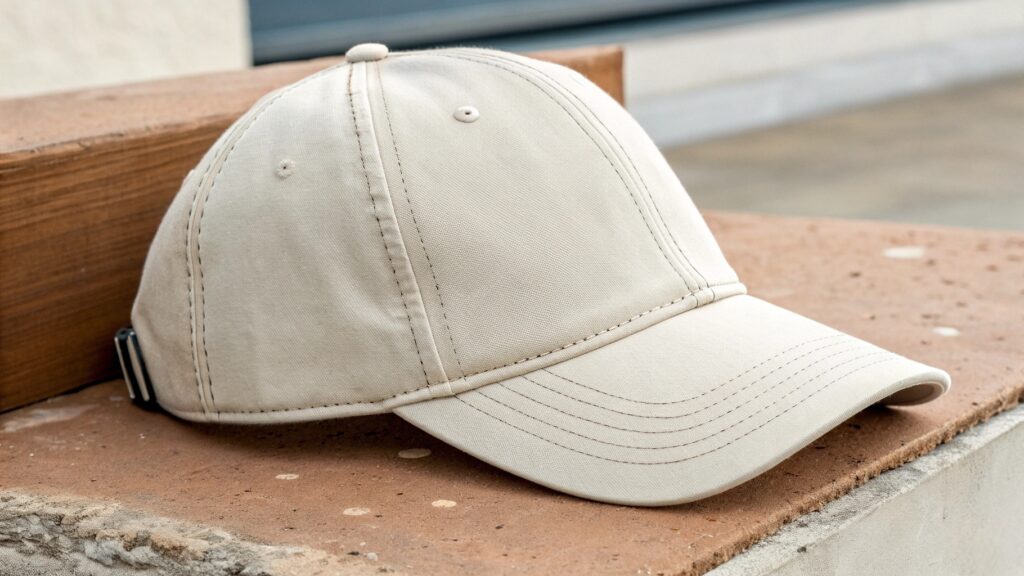
When I first started in the printing factory, I saw how a simple piece of clothing could change a brand. The baseball cap is no longer just a casual accessory; it is a key piece of identity. I have seen the design trends shift. I want to share my view on what works now. We need to look past just putting a logo on it. I will show you how to design a cap that truly completes your story.
How to add structure to a baseball cap?
Your cap is always slouchy and loses its shape quickly. This makes your brand look weak and unprofessional. You need a solution for structure.
You add structure by choosing a six-panel design with buckram lining in the front two panels. This material stiffens the crown, creating a defined, professional look. An unstructured cap uses no buckram and offers a relaxed, casual fit.
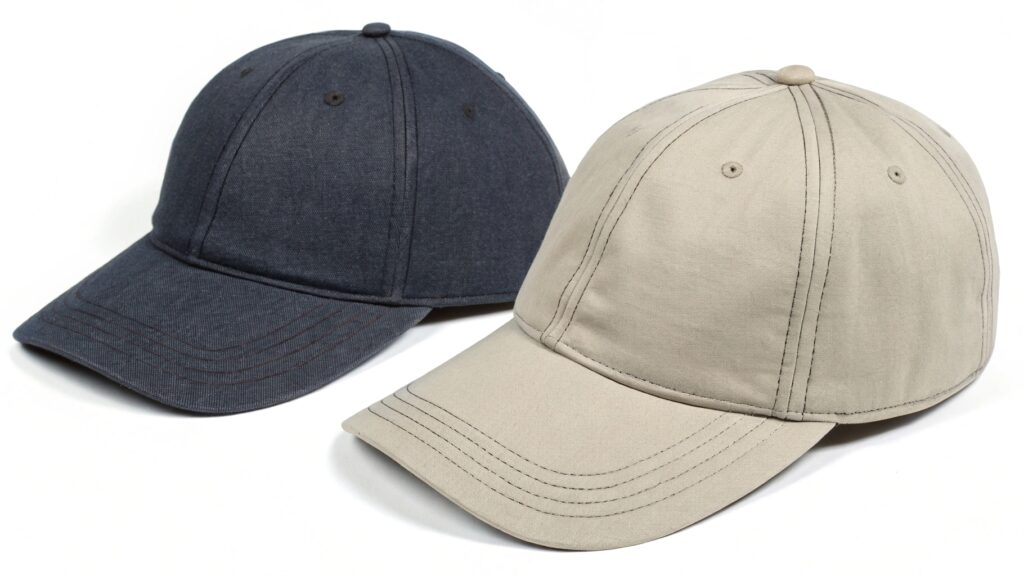
The structure of a cap is the foundation of its look. You need to decide if you want a structured or an unstructured design. I recommend structured caps1 for a strong, corporate, or athletic look. The key difference is a stiff material called buckram. This is sewn into the two front panels of the cap. It forces the cap to keep its shape even when it is not being worn. A structured cap looks clean and crisp. The logo placement on a structured cap looks very prominent and stands out clearly. [Personal Story Placeholder: I remember early in my career, a client insisted on a structured cap for a corporate event because they said it felt more expensive and serious. They were right; the professionalism of the finished product was clear to see.]
An unstructured cap is the opposite. It has no buckram or very light lining. This makes the cap soft and floppy. You can easily fold it and put it in your pocket. This style is perfect for brands that want to communicate a vintage, relaxed, or creative spirit. Many popular brands now use the unstructured look with soft, washed fabrics like denim or chino cotton. This looks less formal. So, the structure is not just about shape. It is about the message. A six-panel design is the most common for both. For a structured cap, the five-panel style can also work, giving a slightly taller front panel for large logos. I advise clients to match the cap structure to their brand identity.
Structural Choices and Brand Message
| Cap Structure Type | Design Features | Ideal Brand Identity |
|---|---|---|
| Structured | Buckram lining, firm front panels, often flat peak. | Professional, High-Tech, Athletic Teams, Corporate. |
| Unstructured | No lining, soft crown, easily foldable, curved peak. | Vintage, Creative, Casual Lifestyle, Outdoors. |
| Five-Panel | Taller, single-piece front panel, less common. | Bold Graphics, Streetwear, Simple Typography. |
How to make a baseball cap look good?
Your current caps look boring and generic. They do not grab attention or reflect your brand's unique identity. You need a fresh design perspective now.
I can make a cap look great by focusing on subtle design choices: using rich materials like vegan leather or vintage cotton, incorporating unique texture (like subtle stitching), and making the branding discreet through monochrome or tone-on-tone embroidery.
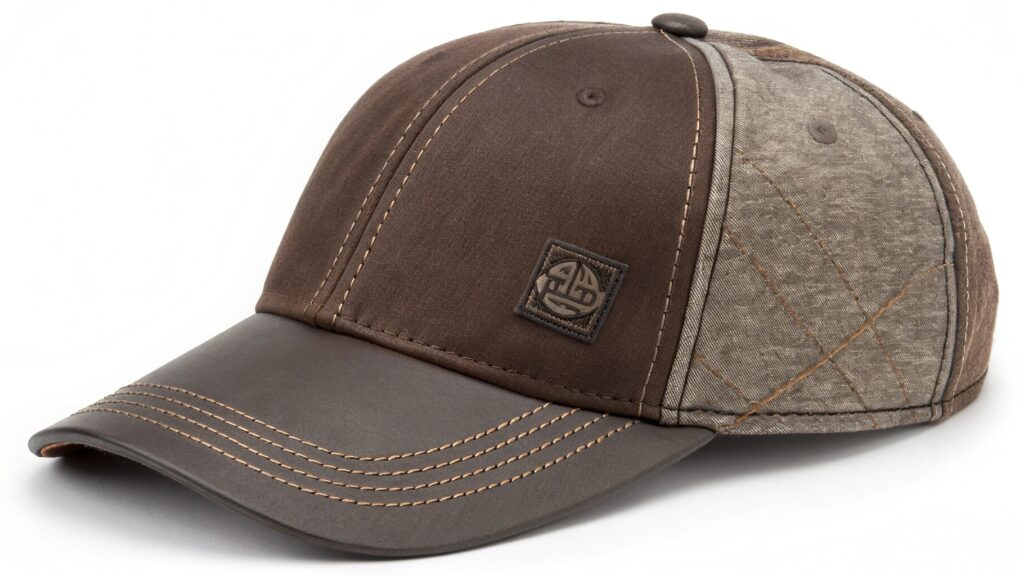
Making a cap look good is about moving beyond the basic printed logo. I believe the best designs are not loud; they are honest. They speak with quiet confidence. You need to focus on material and texture. A cap made from a standard cotton twill is fine, but one made from vintage-washed denim or a quality corduroy instantly elevates the look. It adds depth and character. The material tells the client that you paid attention to the details. I have seen the rise of sustainable materials2 here too. Using eco-friendly cotton, recycled polyester, or even vegan leather for the adjustment strap makes the cap look modern and responsible.
Another key factor is branding placement. Instead of a massive, brightly colored logo, I suggest subtle techniques. Try tone-on-tone embroidery, where the thread color is very close to the cap fabric color. This makes the logo a hidden detail that only close viewers will notice. This creates a premium, sophisticated feel. You can also place the logo somewhere unexpected, like on the side panel, or use a small patch on the back near the adjustment strap. The quality of the stitching also matters greatly. A high-density embroidery or a quality woven patch looks much better than a cheap screen print. The peak of the cap is also important. A contrasting color on the underside of the peak can add a pop of visual interest without being distracting. Focus on one or two strong design choices. Do not try to use every idea at once.
Design Elements for High-Impact Caps
| Design Element | Recommended Choice | Visual Impact Achieved |
|---|---|---|
| Branding Method | 3D Puff Embroidery or Woven Patch. | Adds texture, premium feel, and dimension. |
| Color Scheme | Monochrome (one color) or Subtle Color Blocking. | Creates sophistication and versatility for daily wear. |
| Adjustment Strap | Metal buckle or Vegan leather strap. | Improves the feel and durability, making the cap look more refined. |
What makes a good cap design?
You have many design ideas, but you do not know which one is truly effective for your brand. You need a clear way to measure a good design. I can help you decide.
A truly good cap design bridges comfort, craftsmanship, and self-expression. It must be highly functional, use sustainable materials where possible, and feel custom to the wearer. The design must tell a story that connects personally with the client.
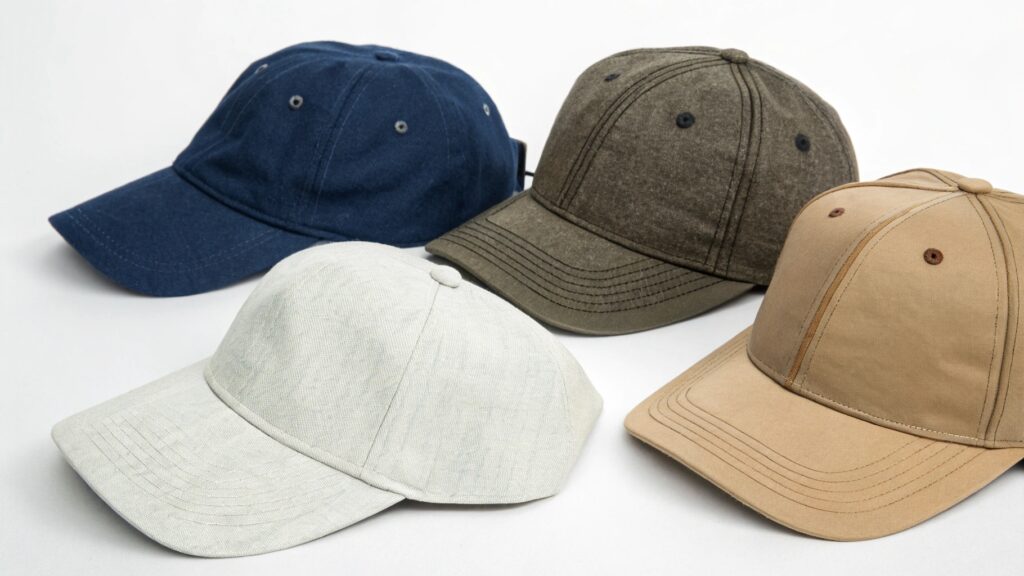
In my view, the best cap design is the one that achieves personal connection. It is not about the latest trend. It is about creating a piece that feels custom and intentional. A good design is a wearable statement. It takes the values of the brand and puts them right on the wearer's head. I have found that functionality is non-negotiable. The best cap is one that is actually comfortable to wear all day. This means choosing soft linings and breathable fabrics3, especially for caps worn in hot climates. For example, using a performance mesh fabric in the back can make a huge difference in comfort.
Craftsmanship is the other pillar of good design. This goes back to the quality I talked about before. I insist on seeing details like clean stitching lines, no loose threads, and a durable peak that holds its curve. The way the eyelets are finished and how the interior seams are taped shows care and quality. The sustainability factor is also key in 2025. A good cap design incorporates eco-friendly cotton or recycled materials because it proves that the brand cares about more than just profit. I advise my clients to think about the story their cap tells. Does the design reflect their company’s purpose? Does a simple, embroidered logo reflect quiet confidence? Does the bold color blocking show energy? The cap must complete the person’s story. If it does not, it is just a cap. [Personal Story Placeholder: We designed a cap for a logistics company using a very simple, high-quality, reflective silver thread on a dark blue cap. It was simple, but the reflective quality instantly communicated their focus on safety and visibility, making the design immediately meaningful.]
Three Pillars of Excellence in Cap Design
| Pillar of Excellence | Core Design Requirement | How to Measure Success |
|---|---|---|
| Functionality | Breathable materials, adjustable fit, comfortable lining. | The cap is worn frequently and for long periods of time. |
| Craftsmanship | Clean, high-density stitching, durable peak, quality closure. | The cap maintains its shape and appearance after repeated washing. |
| Storytelling | Intentional use of color, texture, and subtle logo placement. | Recipients feel the cap expresses something true about themselves. |
Conclusion
A great cap design is an honest, intentional piece of self-expression. Focus on material quality, ensure structural comfort, and let the small details tell your brand's unique story.