What is the difference between a promotional gift and a corporate gift?
When I first started in this industry, I was confused. It seemed like everyone used "promotional gift" and "corporate gift" to mean the same thing. However, there is a clear difference between them.
The main difference lies in their purpose, audience, and value. Promotional gifts are usually low-cost, mass-produced items meant for broad marketing campaigns. Corporate gifts, on the other hand, are higher-value, personalized items given to specific, important individuals like clients or employees.

I remember being on the production floor, seeing thousands of simple keychains with a company logo being made. Those were for a big event. Then, I saw a beautifully engraved leather notebook for a VIP client. It became clear to me then that these were two different tools for two different jobs.
What are promotional gifts used for?
You need to get your brand out there, right? You want as many people as possible to know your name. But how do you do that without spending a fortune on a big ad?
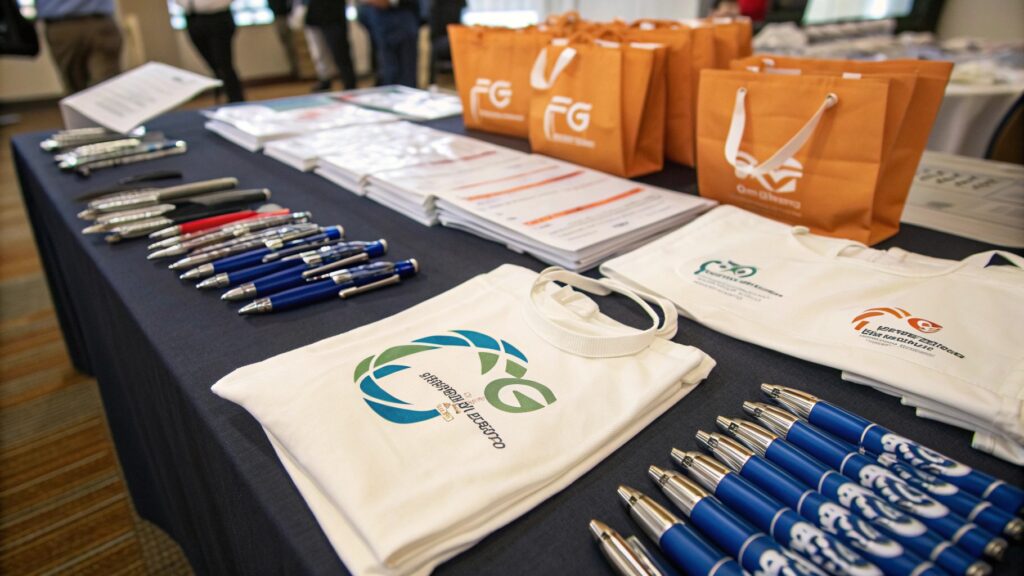
Promotional gifts are used for mass marketing and brand awareness. They are typically low-cost items like pens, bags, or T-shirts given away at events, trade shows, or as part of a campaign. Their goal is to increase brand visibility and attract new customers through wide distribution.
Dive deeper Paragraph:
Promotional gifts1 are a powerful tool for broad reach. I have seen them work wonders for new businesses trying to make a name for themselves. Their purpose is simple: to put a tangible item with your brand logo into the hands of as many people as you can. This is not about a personal connection; it is about brand recognition. A customer might not remember a flyer they got at a trade show, but they will remember a branded USB drive they use every day. This strategy works because it leverages the principle of repetition. The more a person sees your logo, the more familiar they become with your brand. For this reason, promotional items2 are often simple, practical, and have a clear logo placement. Examples of popular promotional gifts include keychains, simple water bottles, and reusable shopping bags. These items are chosen for their utility and low production cost, which allows for large-scale distribution.
| Purpose | Audience | Value | Examples |
|---|---|---|---|
| Brand awareness, mass marketing | Large, general audience | Low cost per item | Pens, mugs, T-shirts, keychains |
| Attracting new customers | Potential clients, event attendees | High volume, low investment | Reusable bags, stress balls, lanyards |
| Wide distribution | Event visitors, passersby | Quick giveaway, easy to produce | Flyers with a small item, stickers |
The key to a good promotional gift is to make it useful. If it is something people will use often, your brand will get repeated exposure.
What are corporate gifts used for?
You have a few key clients who are the backbone of your business. How do you show them you appreciate their loyalty and trust? Just saying "thank you" is not enough, right?
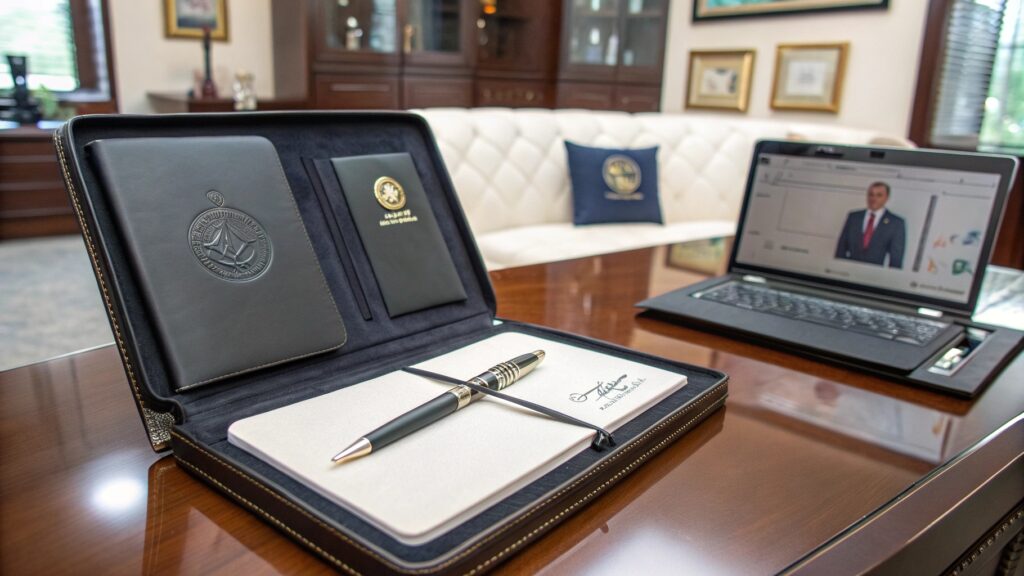
Corporate gifts are used to build and strengthen relationships with specific, valuable people. They are often high-quality and personalized items given to employees, key clients, or important partners. The goal is to show appreciation, foster loyalty, and reinforce business relationships through a thoughtful, meaningful gesture.
Dive deeper Paragraph:
Corporate gifts are not about volume; they are about value. When you give a corporate gift, you are not just giving an item. You are making a statement. This gift says, "Your business matters to us," or "We value your work." I have seen how a well-chosen corporate gift can strengthen a relationship that took years to build. The gifts are often personalized with the recipient's name or a special message, which makes the gesture feel more personal. This attention to detail is crucial because it shows that the gift was carefully selected for them. Think about a high-end client receiving a custom-engraved Bluetooth speaker or a valued employee getting a premium leather portfolio. These gifts create a lasting positive impression. They are an investment in the relationship, not a simple marketing expense. The quality of the gift reflects the quality of your brand. It shows you care about the small details and are willing to invest in the people who matter most to your business.
| Purpose | Audience | Value | Examples |
|---|---|---|---|
| Relationship building, appreciation | Specific clients, employees, partners | High value, quality materials | Engraved notebooks, premium pens, gourmet gift baskets |
| Strengthening loyalty | Key accounts, top performers | Thoughtful, personalized | Custom tech gadgets, unique leather goods |
| Fostering long-term partnerships | Important stakeholders | Reflects brand image, high-end | Fine wine sets, branded luggage |
The most effective corporate gifts tell a story about your brand and the relationship you have with the recipient.
Can they ever be the same?
It might seem like these two are completely different. But what happens when you need to do both? Is it possible to use one gift for both purposes?
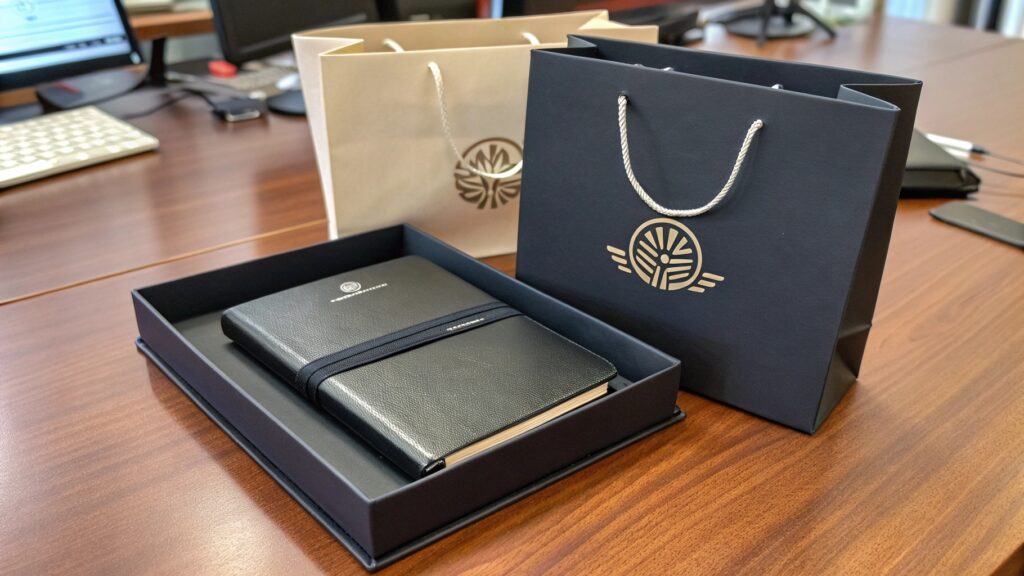
While promotional and corporate gifts serve different primary functions, the line can sometimes blur. A high-quality, useful item can be used for both purposes, but with a different focus. The key is in how you present it, and the intent behind giving it to the recipient.
Dive deeper Paragraph:
There are certain products that can bridge the gap between a promotional and a corporate gift. A quality, branded water bottle3, for example, can be a promotional item when given out to all attendees at a large event. But that same water bottle, when placed in a custom gift box with a handwritten note and given to a top client, becomes a corporate gift. The item is the same, but the context changes everything. It is about moving from a "giveaway" mindset to a "gift" mindset. For this to work, the product itself must be of good quality. A cheap pen can never be a corporate gift. But a high-end, well-designed pen can be both. This approach helps companies save costs by using a single product line for multiple purposes. The key is to add an element of personalization or special packaging when it is intended as a corporate gift. This way, the recipient feels valued. I have seen this strategy work well for companies who want to maintain a consistent brand image across all their gifting efforts.
| Item | Promotional Use | Corporate Use | Key Difference |
|---|---|---|---|
| Branded tote bag | Giveaway at a trade show | Gift for a new client with welcome materials | Personalization, context, and added value |
| Portable power bank | Freebie at a tech conference | Included in a high-end client gift box | The "gift" mindset, not a simple giveaway |
| Insulated mug | Part of a mass-mailing campaign | Given to an employee for their work anniversary | The intentionality and personal message |
The same item can be used for different goals if you think about the presentation.
Conclusion
Understanding the difference between promotional and corporate gifts is crucial for effective branding. Promotional gifts build broad awareness while corporate gifts strengthen key relationships.