What is an enamel badge?
Many people see an enamel badge as just a small piece of metal. They think it's just a simple item with a picture on it. This is a problem. It makes them miss the true value of a badge.
An enamel badge is a small, wearable item made of metal and colored enamel. It is a way to turn a logo or an idea into a physical object. It is more than just an accessory. It is a miniature piece of art that can show identity, signal membership, and tell a story.
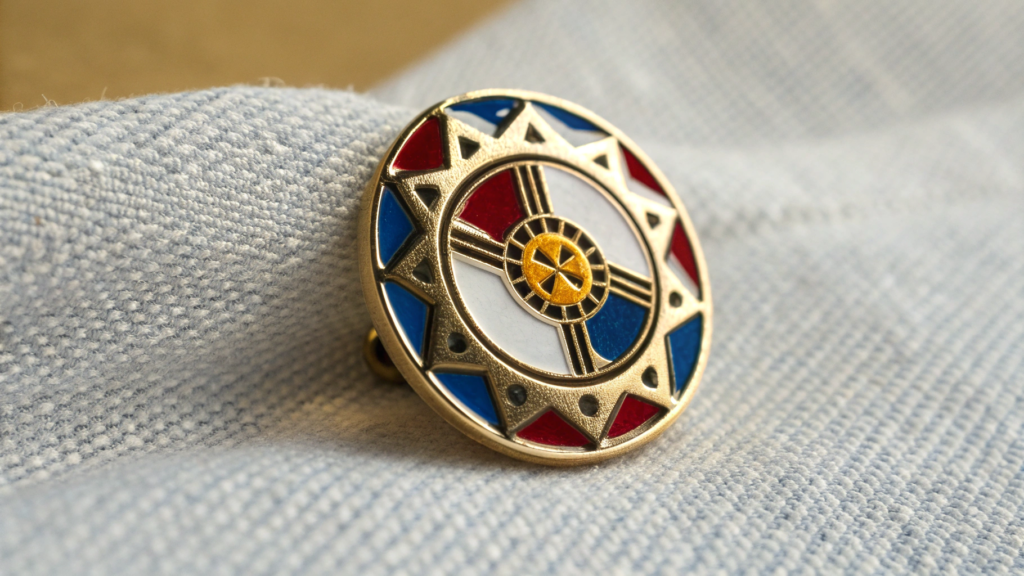
In my work, I've seen many different types of products. I've learned that the best ones are the ones that have a clear purpose and a good story. An enamel badge is a great example of this. It can represent a club, a cause, or a memory. It is a journey from a simple design to a wearable symbol. I want to share this journey with you. I want to show you that a badge is not just a badge. It is a small, powerful tool for personal expression and branding.
What is enamel on a badge?
People often see the word "enamel" and do not know what it means. They do not know what the material is or how it is made. This is a problem. It can make them unsure about the quality of the badge.
Enamel is a type of glass-like powder that is put into the recessed areas of a metal badge. It is heated at a high temperature until it melts and becomes a smooth, hard coating. This coating gives the badge its color and shine. It is what makes the badge durable and long-lasting.
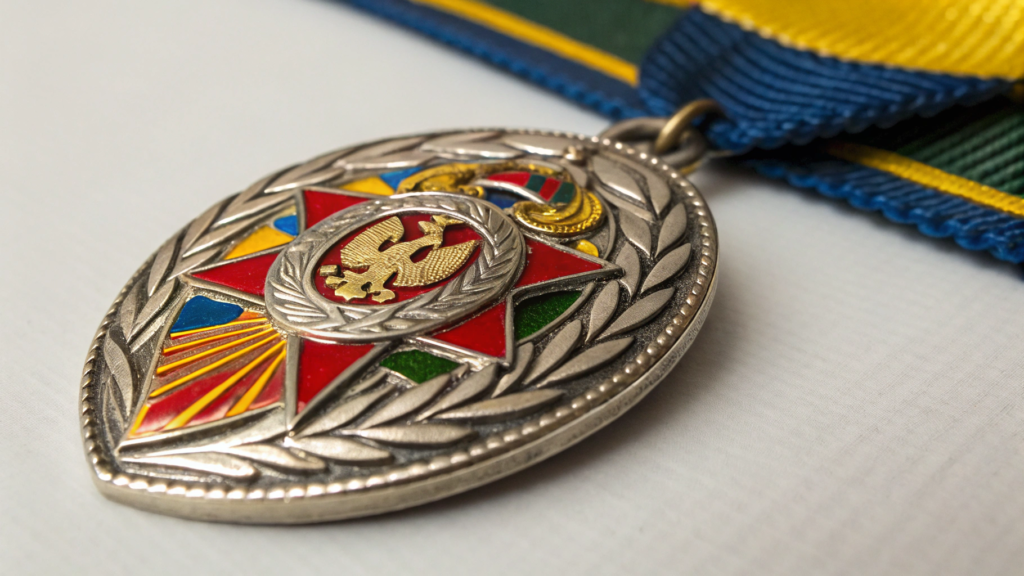
I've learned that a good product starts with good materials. The enamel on a badge is a key part of its quality. The process of making it is very specific. The metal is first stamped to create the design. Then, a person fills the recessed areas with the colored enamel powder. After that, the badge is heated in a very hot oven. The heat melts the powder into a hard, smooth surface. My own experience in a factory taught me that this process is very important. I saw how a simple powder could turn into a beautiful, solid color. This process makes the badge very durable. It will not chip or fade easily. This is what makes an enamel badge a good keepsake. It can last for a long time. It can be a part of a memory that you can wear. The enamel is not just a color. It is a protective layer. It makes the badge strong and able to be worn every day.
The Enamel Making Process
The process of making an enamel badge is a form of art. It requires care and attention to detail.
| Step | Description | Purpose |
|---|---|---|
| Die-Striking | A metal mold is used to stamp the design onto the metal | Creates the raised lines and recessed areas for the enamel |
| Enamel Filling | The colored enamel powder is carefully put into the recessed areas | Adds color and design to the badge |
| Baking | The badge is put in a hot oven to melt the enamel powder | Makes the enamel hard and smooth |
| Polishing | The badge is polished to make the surface shiny and smooth | Gives the badge a final, high-quality look |
A Sign of Quality
A well-made enamel badge with a smooth, shiny surface is a sign of good quality. It shows that care was taken in the making of the product.
What is the difference between hard and soft enamel badges?
People often hear the words "hard enamel" and "soft enamel" but do not know the difference. This can be a problem. It can make them buy a badge that is not what they wanted.
The main difference is in the final texture of the badge. Hard enamel is heated and polished until the enamel is level with the raised metal lines. This gives the badge a smooth, flat surface. Soft enamel is not polished down. The enamel sits below the raised metal lines. This gives the badge a textured feel, with the metal lines you can feel.
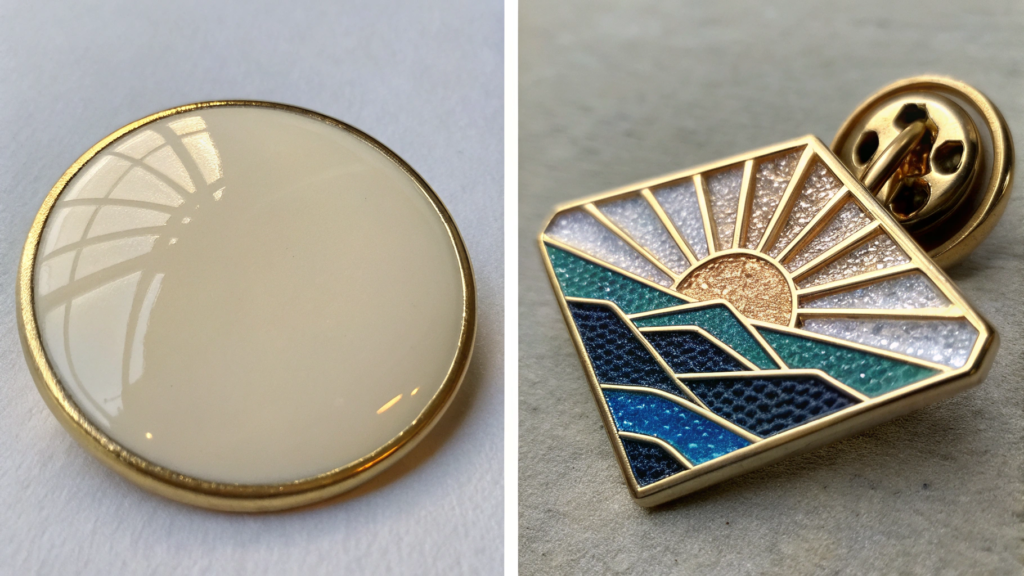
I've worked with both types of badges. I've learned that the choice between hard and soft enamel is important. It changes the look and feel of the badge. A hard enamel badge looks more like a piece of jewelry. It is sleek and elegant. It is a good choice for a high-end brand or a special event. The surface is completely flat. This makes it feel very smooth to the touch. A soft enamel badge looks more classic. The raised metal lines give it a nice texture. It is a good choice for a logo or a simple design. It is also often cheaper to make. My own experience has shown me that the choice depends on the purpose of the badge. For a simple promotional item, soft enamel is a great choice. For a special gift or a collectible, hard enamel1 is better. The difference is in the details. It is in the way the badge feels in your hand. This is what makes a well-made badge so special. It is a tangible item that has a real presence.
Hard Enamel vs. Soft Enamel
The difference is in the final product. The process is similar, but the last step is what changes everything.
| Feature | Hard Enamel | Soft Enamel |
|---|---|---|
| Texture | Smooth and flat | Textured, with raised metal lines |
| Look | More polished, like jewelry | More classic, with a clear separation of colors |
| Production | Requires more time for polishing and heating | Faster and easier to make, more cost-effective |
| Uses | High-end gifts, collectibles, awards | Promotional items, club pins, fan merchandise |
A Choice for Branding
A brand can choose between hard and soft enamel2 to show what it stands for. A luxury brand might choose hard enamel to show quality. A fun, casual brand might choose soft enamel.
What material is enamel?
People often think of enamel as a type of paint. They do not know what it really is. This can be a problem. It can make them think the color on the badge will chip or fade like paint.
Enamel is not paint. It is a type of powdered glass. It is made of silica, soda ash, and other minerals. The powder is mixed with pigments to create different colors. When it is heated, it melts and bonds to the metal surface. This creates a very strong and durable coating.
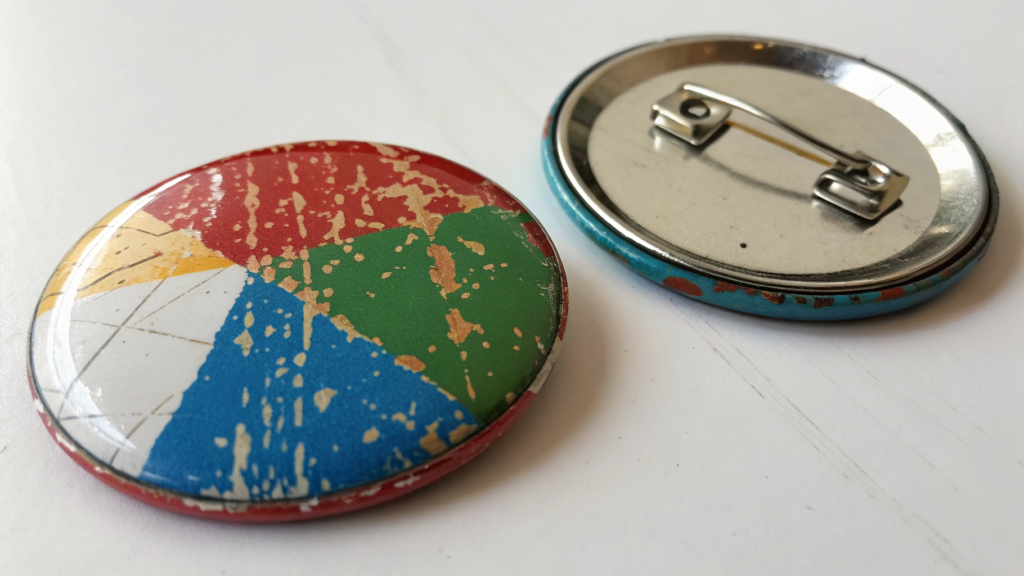
I've learned that the material of a product is very important. The fact that enamel is glass is a key point. It is why it is so durable. Paint can chip or scratch. Enamel is much harder. It is made to last for a very long time. It is a special material that has been used for centuries. My own experience in a printing factory taught me that a good material is everything. It is what makes a product stand the test of time. I saw how a simple piece of metal could be transformed with this powdered glass. The process of heating it and making it part of the metal is a form of craftsmanship. It shows that a lot of care went into making the badge. It makes the badge a small piece of art. This is a story that a simple painted badge cannot tell. The material of the enamel makes the badge a true keepsake. It is something you can wear for years, and the color will still look great.
The Properties of Enamel
The material properties of enamel make it a great choice for badges. It is strong, durable3, and colorful.
| Property | Description | Benefit for Badges |
|---|---|---|
| Glass-Like | A type of powdered glass, not paint | Very hard, resistant to scratches and chips |
| Durable | Bonds with the metal at high temperatures | Will not fade or peel off over time |
| Vibrant Colors | Can be mixed with many pigments to create colors | Allows for very bright and detailed designs |
| Safe | Once cooled, it is non-toxic and safe to wear | Safe for people to wear and touch |
A Small Piece of History
The use of enamel on metal has a long history. It is a very old and respected art form. This makes an enamel badge a small piece of that history.
Conclusion
An enamel badge is a powerful way to express identity, and it is a small, durable piece of wearable art. It is a simple item, but its process and materials give it a very special value.