Are Stainless Steel Water Bottles the Best Choice for Your Branding Needs?
Tired of corporate gifts that end up forgotten? Finding durable, stylish, and eco-friendly options that truly represent your brand can be tough. Stainless steel bottles offer a lasting impression.
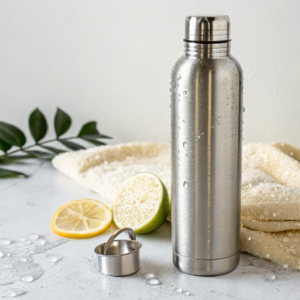
Yes, stainless steel water bottles1 are an excellent choice for corporate gifting and daily use. They are durable, reusable, keep drinks hot or cold effectively, don't leach chemicals like some plastics, and offer a premium feel that reflects well on your brand.
I've seen trends come and go in the corporate gifting world, but the rise of the stainless steel water bottle is something special. It's more than just a container; it’s a practical tool and a statement piece. Clients appreciate gifts they can actually use daily, and these bottles fit the bill perfectly. Let's look closer at why they've become such a popular choice and address some common questions I hear from marketing managers like Jacky. Thinking about practicality, longevity, and brand image is key when selecting gifts.
Are stainless steel bottles good for water?
Worried if stainless steel affects water taste or safety? Unlike plastic bottles that can sometimes leave a funny taste or leach chemicals, stainless steel provides a pure experience.
Absolutely. Stainless steel, particularly food-grade types like 18/8, is non-reactive. This means it won't alter the taste, smell, or chemical composition of your water, ensuring a clean, safe drink every time.
When I first started in the printing and gifting industry, plastic bottles were common giveaways. But feedback often included concerns about taste or potential health issues. Switching focus to stainless steel was a game-changer. It addressed those concerns head-on. The material itself provides several advantages beyond just holding water.
Why Stainless Steel Excels for Hydration
Stainless steel's inherent properties make it ideal for water bottles. It's naturally resistant to rust and corrosion, which is crucial for something that holds liquids daily. Its non-porous surface doesn't harbor bacteria easily, contributing to better hygiene compared to some other materials. Furthermore, many stainless steel bottles are double-walled and vacuum-insulated. This technology is fantastic for maintaining temperature – keeping water cold for hours on a hot Singapore day or keeping tea warm during a long meeting. From a branding perspective, this durability and functionality mean the gift keeps performing, associating your brand with quality and reliability long after it's received. Think about the daily visibility – on desks, in gyms, during commutes – it’s consistent brand exposure.
Material Comparison for Water Bottles
| Feature | Stainless Steel (18/8) | Plastic (PET/Tritan) | Aluminum | Glass |
|---|---|---|---|---|
| Durability | High | Medium | Medium | Low (Fragile) |
| Taste Neutral | Yes | Often | Requires Liner | Yes |
| Insulation | Excellent (Double-wall) | Poor | Poor | Poor |
| Weight | Medium-High | Low | Low | High |
| BPA-Free | Yes | Varies (Check Label) | Requires Liner | Yes |
| Eco-Friendly | Highly Reusable | Recyclable, but often single-use | Recyclable | Recyclable |
| Customizable | Excellent | Good | Good | Limited |
Seeing this comparison makes it clear why many companies I work with choose stainless steel. It hits that sweet spot of durability, safety, performance, and excellent branding potential.
Is stainless steel bottle BPA free?
Concerned about BPA in drinkware? Many people are aware of the potential risks associated with plastics containing Bisphenol A. Choosing the right material offers peace of mind.
Yes, high-quality stainless steel used for food and drink containers, such as grade 18/8 or 304, is naturally BPA-free2. It doesn't contain the chemical compounds found in some plastics.
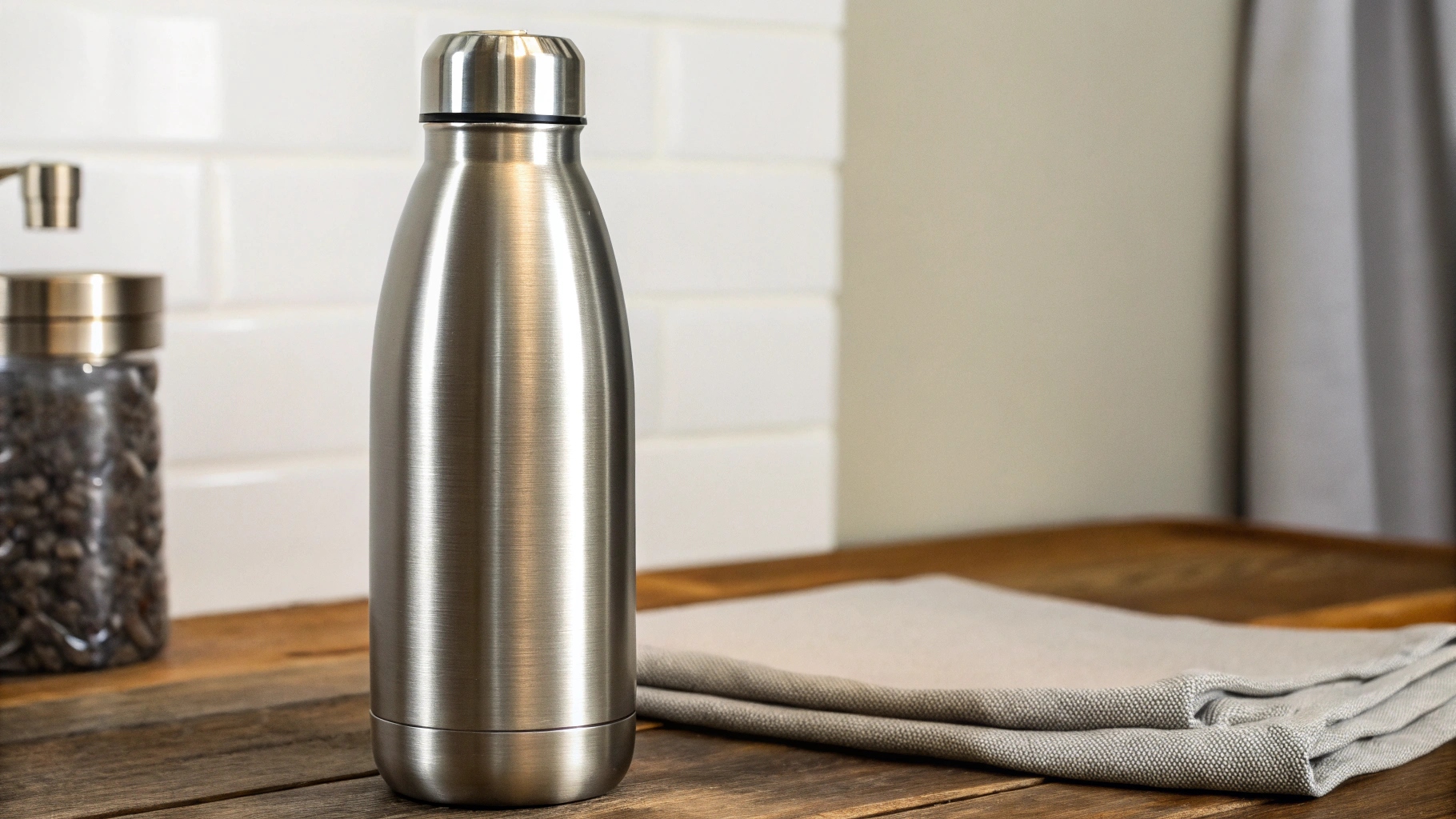
The conversation around BPA really shifted how people view reusable containers. I remember clients specifically asking for BPA-free options years ago, primarily looking at certain types of plastics. It was refreshing to explain that food-grade stainless steel3 eliminates this concern entirely by its very nature. It’s one less thing for safety-conscious brands and consumers to worry about.
Understanding BPA and Why It Matters
BPA (Bisphenol A) is an industrial chemical used to make certain plastics and resins since the 1960s. It's found in polycarbonate plastics (often hard, clear plastics) and epoxy resins (used to coat the inside of some metal food cans and water bottle liners). The concern is that BPA can seep into food or beverages, especially when heated. Studies have raised potential health concerns about BPA exposure, linking it to various health issues. While regulatory bodies have differing stances on safe levels, many consumers and brands prefer to avoid it altogether, especially in items used daily like water bottles. Choosing naturally BPA-free materials like stainless steel sidesteps this issue completely, offering a safer choice for everyone.
Ensuring Your Bottle is Genuinely Safe
When sourcing stainless steel bottles for corporate gifts, quality is paramount. Look for bottles explicitly stating they are made from "food-grade stainless steel," most commonly "18/8" or "304."
- 18/8 Stainless Steel: This designation means the steel contains 18% chromium and 8% nickel. Chromium provides rust resistance, and nickel enhances durability and corrosion resistance. This is the industry standard for quality kitchenware and water bottles.
- Avoid Low-Quality Alternatives: Cheaper, non-food-grade steel might not offer the same safety or durability and could potentially leach unwanted metals. Always work with reputable suppliers like Latitude Experience who understand material standards and can guarantee the quality and safety of the products, ensuring they are genuinely BPA-free and suitable for holding beverages. We always verify the material composition for our clients.
Is it healthy to drink from stainless steel?
Wondering if your reusable bottle is truly the healthiest option? Concerns about materials leaching chemicals or harboring bacteria are valid. Stainless steel offers a clean and safe solution.
Yes, drinking from a high-quality, food-grade stainless steel bottle is a very healthy choice. The material is non-toxic, non-leaching, resistant to bacteria, and easy to keep hygienically clean.
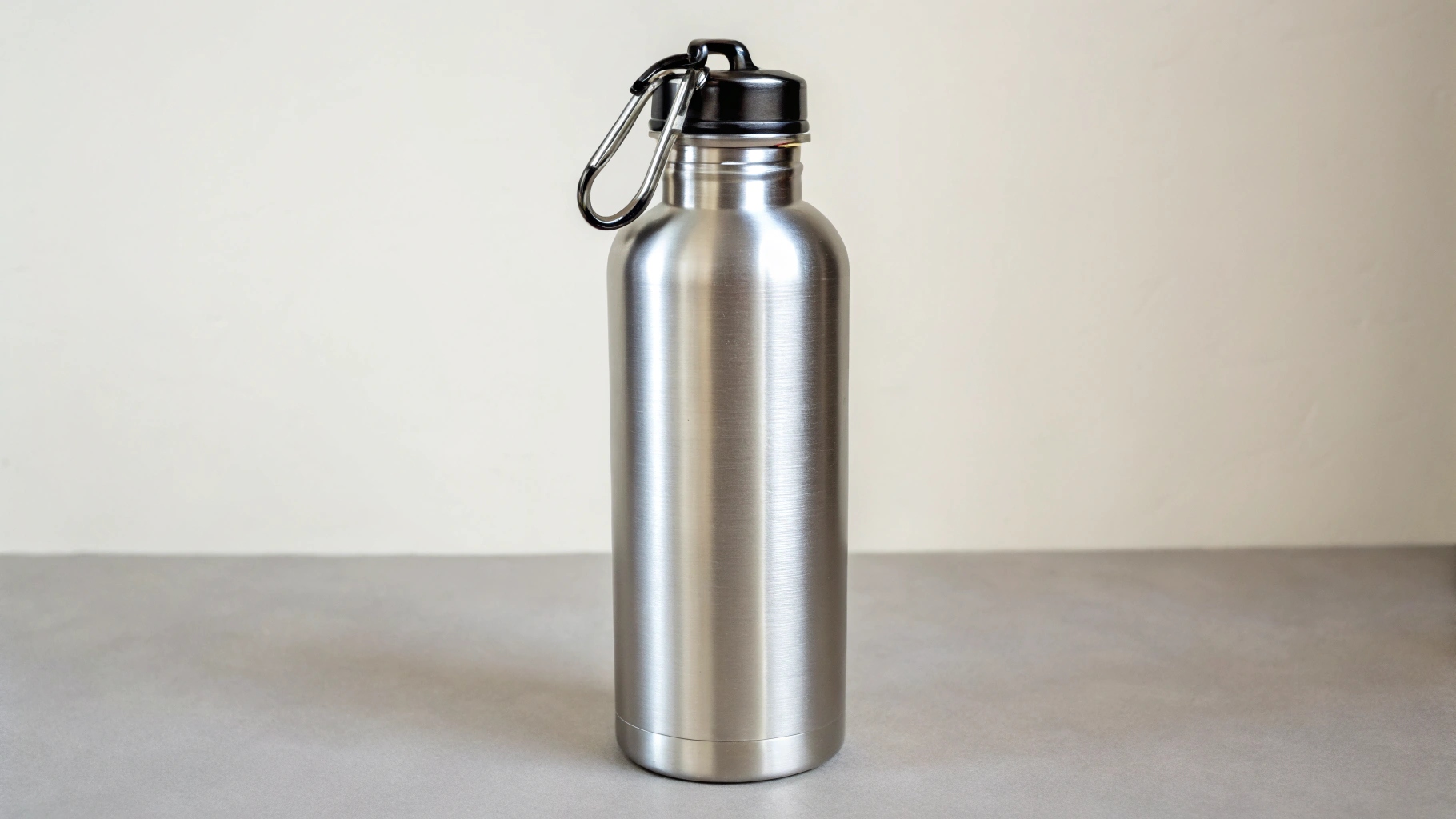
Health and safety are always top priorities, both for personal use and when selecting corporate gifts that represent your brand. You want recipients to feel confident using the item. I always emphasize to clients like Jacky that stainless steel provides this confidence. It’s stable, clean, and doesn’t introduce unwanted elements into your drink, which is fundamental for a healthy hydration habit.
Health Advantages of Stainless Steel
The primary health benefit comes from the material's stability and composition. Food-grade stainless steel (like 18/8) doesn't react with beverages, meaning no metallic taste and, more importantly, no leaching of harmful substances. Unlike aluminum bottles that often require an internal plastic liner (which could potentially degrade or contain BPA), stainless steel's surface is inherently safe for contact with liquids. Furthermore, its non-porous nature makes it highly resistant to bacteria, mold, and lingering odors, provided it's cleaned regularly. This is a significant advantage over some plastic bottles which can develop smells or stains over time. Choosing stainless steel promotes a clean, safe, and untainted drinking experience day after day.
Keeping Your Stainless Steel Bottle Clean and Hygienic
Maintaining hygiene is simple but essential for any water bottle.
- Regular Washing: Wash your bottle daily if possible, especially if used for liquids other than water. Use warm, soapy water and a bottle brush to reach all interior surfaces.
- Thorough Rinsing: Rinse well to remove any soap residue.
- Drying: Air dry the bottle upside down with the lid off to prevent moisture buildup.
- Deep Cleaning: Occasionally, you might want a deeper clean. A mixture of vinegar and water or baking soda and water can help remove any stubborn residues or potential odors. Swish the mixture, let it sit for a bit, then scrub and rinse thoroughly.
- Lid Care: Don't forget to clean the lid, including any seals or spout mechanisms, as these areas can also trap bacteria.
Proper cleaning ensures your stainless steel bottle remains a healthy and pleasant hydration companion for years.
Conclusion
In short, stainless steel water bottles are a top choice. They are durable, safe, BPA-free, healthy, eco-friendly, and make fantastic, long-lasting branded gifts that people genuinely appreciate and use daily.
-
Explore the advantages of stainless steel water bottles for branding and corporate gifting, ensuring your brand stands out with quality and durability. ↩
-
Learn about the significance of BPA-free materials in water bottles and how they contribute to health and safety, making informed choices easier. ↩
-
Discover the importance of food-grade stainless steel in ensuring safety and quality in drinkware, crucial for health-conscious consumers. ↩