How Can You Print on T-shirts Without a Screen Printer?
Want professional T-shirt designs without the massive setup cost? You absolutely can print high-quality shirts using accessible modern methods.
You can print on T-shirts without a screen printer using several accessible DIY and small-batch methods like Heat Transfer Vinyl (HTV), Sublimation, or Direct-to-Film (DTF) printing. These techniques offer flexibility for testing ideas and creating personalized, professional-looking apparel quickly.
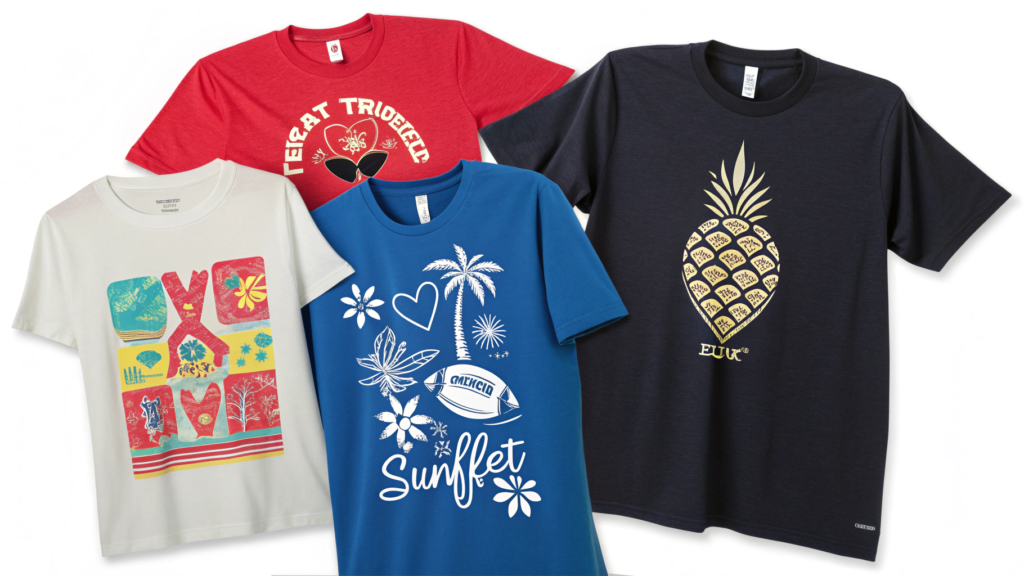
In the world of custom apparel, not owning a screen printer doesn’t mean you can’t create professional-quality T-shirts. In fact, the rise of DIY printing methods—like heat transfer vinyl (HTV), sublimation, and direct-to-film (DTF) printing—has democratized design in a way that encourages creativity and experimentation. From my perspective, printing without a screen printer represents more than just a cost-saving solution; it’s a shift in mindset. It allows small businesses, artists, and entrepreneurs to test ideas quickly, personalize products, and produce limited editions without committing to large runs or industrial setups. The beauty lies in flexibility—inkjet transfer paper for beginners, Cricut or Silhouette machines for precision, or even hand-painted designs for authenticity. What truly matters isn’t the machinery, but the story printed on the fabric. In an era where individuality sells, mastering these alternative printing methods can turn a simple T-shirt into a wearable piece of art $\text{—}$ and that’s far more powerful than mass production.
What Is the Best Way to Print on T-shirts?
The "best" method is not universal; it depends on your budget, design complexity, and material needs. You must choose wisely.
The best way to print depends on the goal: Heat Transfer Vinyl (HTV) is best for simple, bold graphics and small quantities, while Direct-to-Film (DTF) offers vibrant, detailed prints suitable for complex, high-durability designs. You need to match the method to the garment.
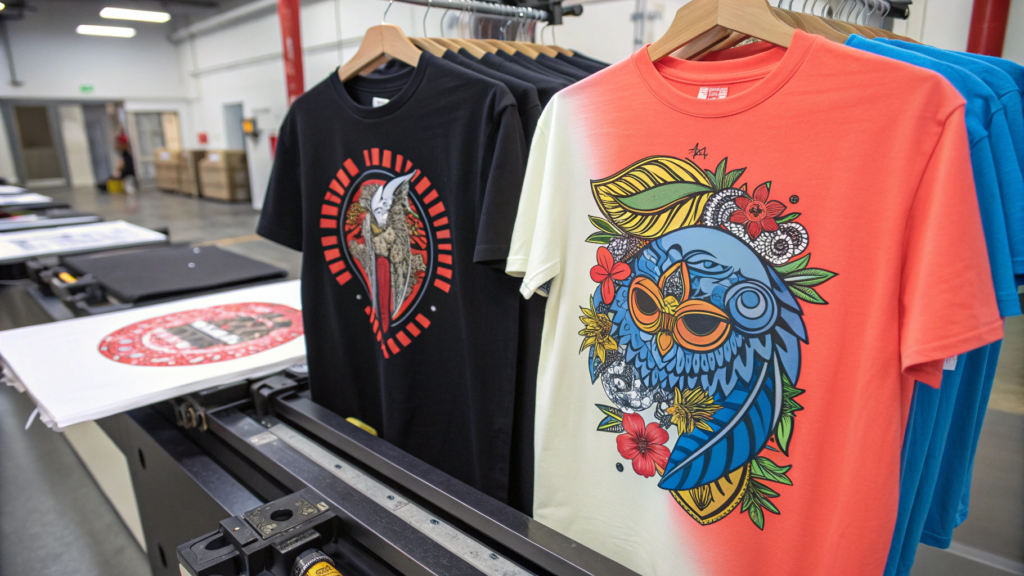
When I look at a client's design file, I immediately determine the best path forward based on their constraints. If a client, perhaps like Jacky managing a tight budget for a small internal event, needs a few shirts with simple, solid-color text or graphics, Heat Transfer Vinyl (HTV)1 is usually the winner. You cut the design with a plotter (like a Cricut or Silhouette), weed out the excess vinyl, and then use a heat press or a strong household iron to transfer it. This method is durable for basic logos and works well on most cotton shirts. However, if the design is full-color, complex, or photographic, HTV falls short. For that level of detail and durability without a screen printer, Direct-to-Film (DTF) is often the modern answer. DTF uses a specialized printer to put the ink onto a transfer film, which is then bonded to the shirt with an adhesive powder and heat. This creates incredibly vibrant prints with high washability, rivaling professional direct-to-garment (DTG) printing. The choice always circles back to the number of colors in the design and the required longevity of the shirt. I advise against simple inkjet transfer paper for anything meant to last more than a few washes, as it cracks easily.
Comparison of Accessible Printing Methods
| Method | Best For | Required Equipment | Durability Level |
|---|---|---|---|
| Heat Transfer Vinyl (HTV) | Simple logos, text, small runs. | Cutting machine (Cricut), Heat Press/Iron. | High (for solids), Low (for intricate details). |
| Direct-to-Film (DTF) | Full-color, complex graphics, photography. | Specialized DTF printer, curing station, Heat Press. | Very High (vibrant, soft feel). |
| Sublimation | Photos/designs only on white or light polyester. | Sublimation printer, Heat Press. | Highest (ink becomes part of the fabric). |
| Inkjet Transfer Paper | Quick, one-off personal use. | Standard Inkjet Printer, Iron. | Low (tends to crack and peel quickly). |
Which Is Better, Heat Transfer or Screen Printing?
Screen printing has the reputation of being the gold standard. But for low volumes, HTV often beats it on practicality and startup cost.
For small batches or personalized items, Heat Transfer (HTV) is often better than screen printing due to zero setup fees and immediate usability. Screen printing2 is better for high volumes because its cost-per-shirt drops dramatically after the initial screen setup.
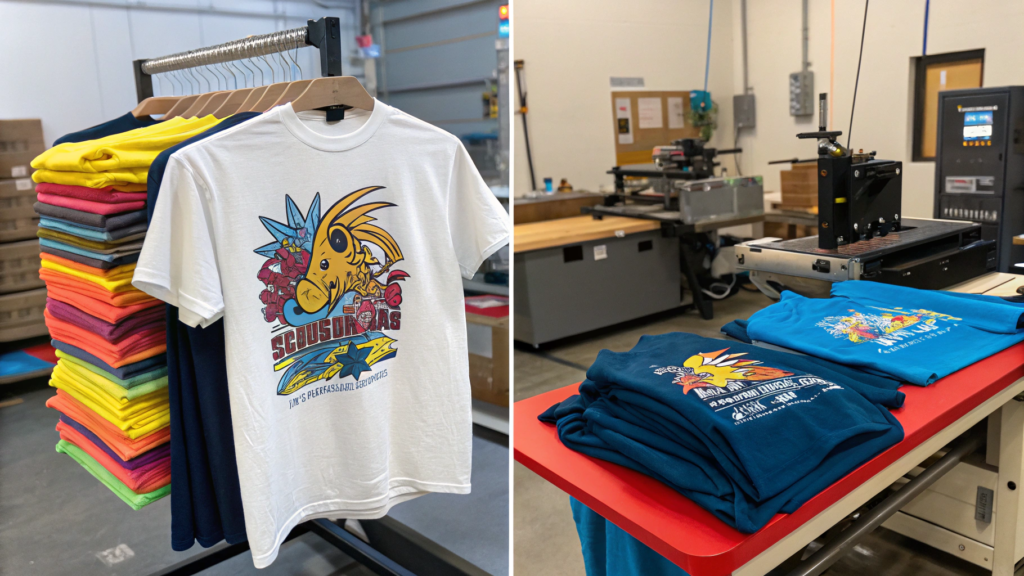
This is a key question for any growing brand, especially one like Latitude's clients who start small. Screen printing is superior when you need hundreds or thousands of shirts using only one, two, or three colors. The setup involves creating expensive screens and using emulsion, but once those screens are made, the actual printing process is fast and the ink lasts almost forever on the shirt. This is great for consistency and longevity. However, if you need ten shirts with ten different names or ten different color schemes, screen printing becomes prohibitively expensive per unit because you have to set up a new screen for every single color change. This is where HTV shines. Using HTV and a cutting machine, I can produce those ten unique shirts in the same time it takes a screen printer to set up for one design. The flexibility and low barrier to entry of HTV are its main strengths. For me, the choice is clear: Screen printing is for established, high-volume needs where design complexity is low. HTV or DTF are better for testing the market, one-off personalization, or complex, low-volume art projects. You trade the ultimate longevity of the screen print ink for unmatched speed and customization capability.
Is It Possible to Print Without a Printer?
The word "printer" usually means an inkjet or laser machine. But design can be applied without any electronic printing device at all.
Yes, it is absolutely possible to print without a traditional electronic printer by using manual or artistic application methods. These include hand-painting, stenciling, block printing, or using specialized fabric markers.
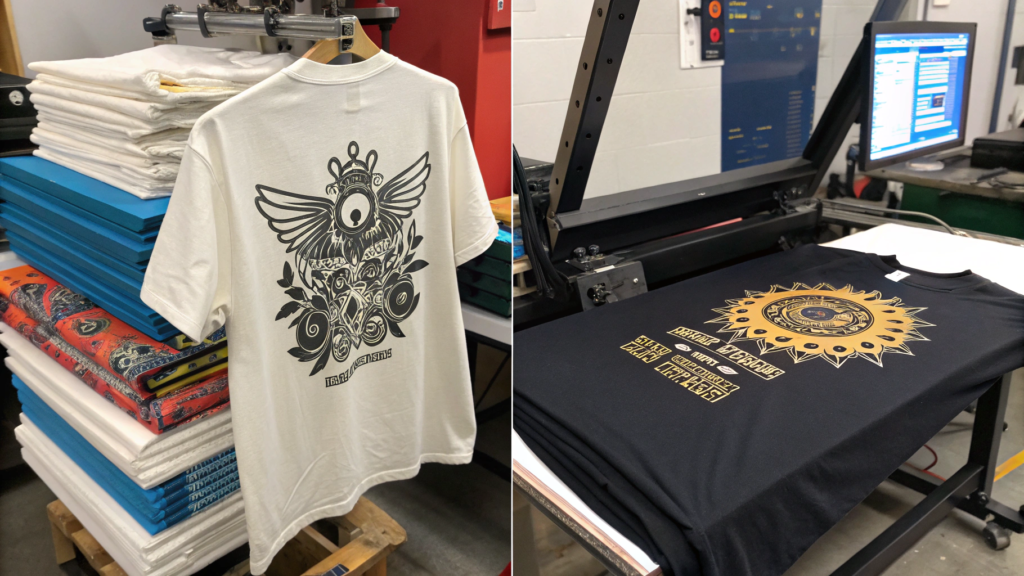
When I talk about creating wearable art, I do not always mean digital files run through a machine. True authenticity often comes from a human hand. For maximum individuality, you can bypass all electronic printing equipment entirely. The oldest method is hand-painting3 directly onto the fabric using specialized acrylic textile paints. This is labor-intensive, but it results in a truly one-of-a-kind piece, which is fantastic for artists trying to sell unique items. Another simple method involves stenciling. You can cut a design out of thick plastic or cardstock and use a foam dauber or sponge to apply fabric paint through the cutout onto the shirt. This is fast, cheap, and creates sharp edges, provided you use a strong stencil adhesive or clamps to prevent paint bleed. Block printing, where you carve a design into a soft material and then roll ink onto it, is also a wonderful, tactile alternative that gives a very specific, slightly rustic look. These manual methods prioritize the story and the artistic process over the perfect, repeatable output of a digital printer. They allow a designer to truly connect with the material, making the final product deeply personal $\text{—}$ a powerful contrast to mass-produced goods.
Conclusion
Mastering DIY methods like HTV and DTF grants you flexibility and speed, turning any T-shirt idea into a custom, professional piece without the need for industrial screen printing equipment.